Skip to content
Custom Drone Camera Cable Assembly Manufacturer
Lightweight, Shielded & High-Speed Cable Solutions for UAV Camera Systems
SINO-CONN manufactures custom drone camera cable assemblies for UAV imaging systems requiring stable signal transmission, compact routing structures, lightweight cable design, and precision connector integration. Located in Shenzhen since 2007, SINO-CONN supports FPV drones, gimbal cameras, mapping UAVs, and industrial drone platforms with engineering support, rapid prototyping, flexible manufacturing, and precision assembly capability.
- Up to 50AWG micro coax capability
- No MOQ for prototype projects
- Fast sample support from 2–3 days
- Support for LVDS, MIPI & RF structures
- Triple inspection quality process
- Connector ecosystem support including I-PEX, HRS, JST & JAE
About SINO-CONN
Built Around Custom Drone Camera Cable Assembly Manufacturing
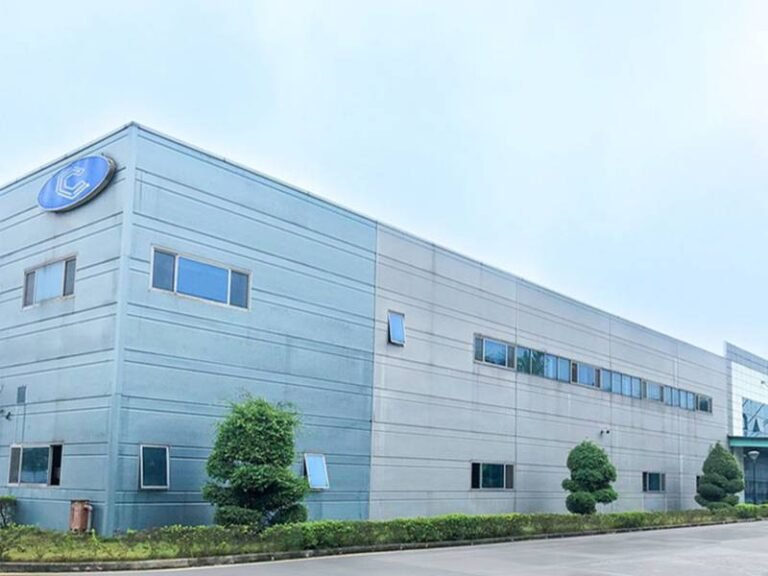
SINO-CONN is a Shenzhen-based custom cable assembly manufacturer established in 2007, focusing on precision wire harnesses and cable assemblies for industries requiring compact structures, stable signal transmission, flexible routing, and reliable manufacturing consistency. Over the years, the company has supported a wide range of UAV camera cable projects involving FPV systems, stabilized gimbal platforms, industrial inspection drones, mapping UAVs, and integrated imaging devices where cable structure and connector precision directly affect overall system performance.
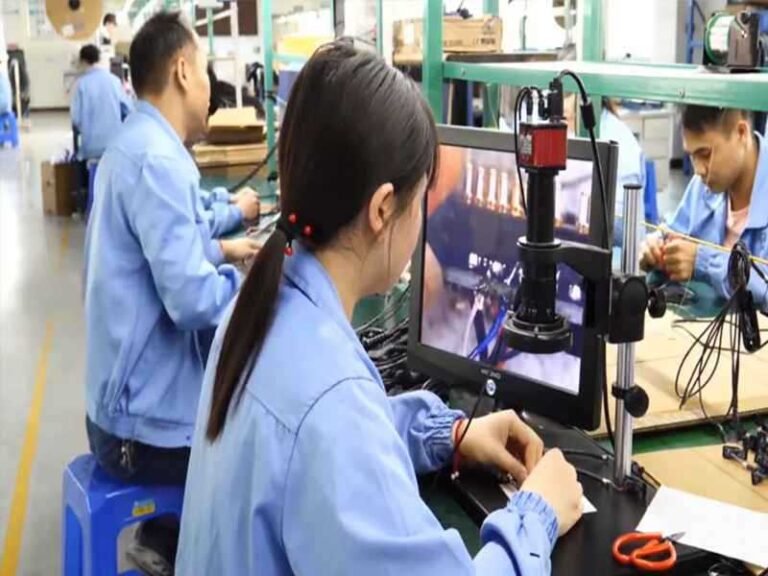
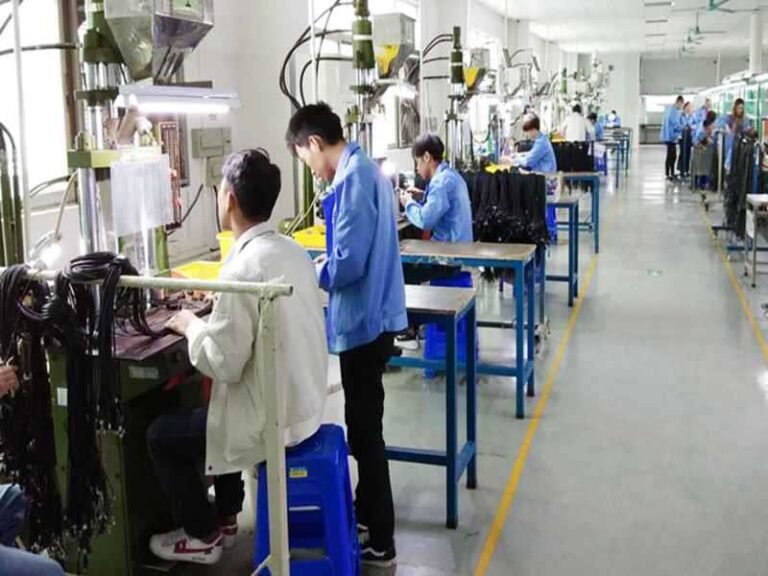
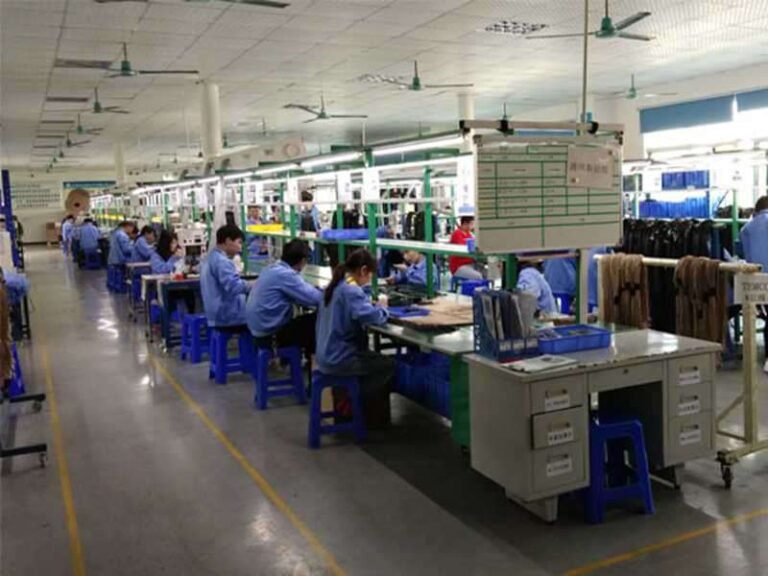
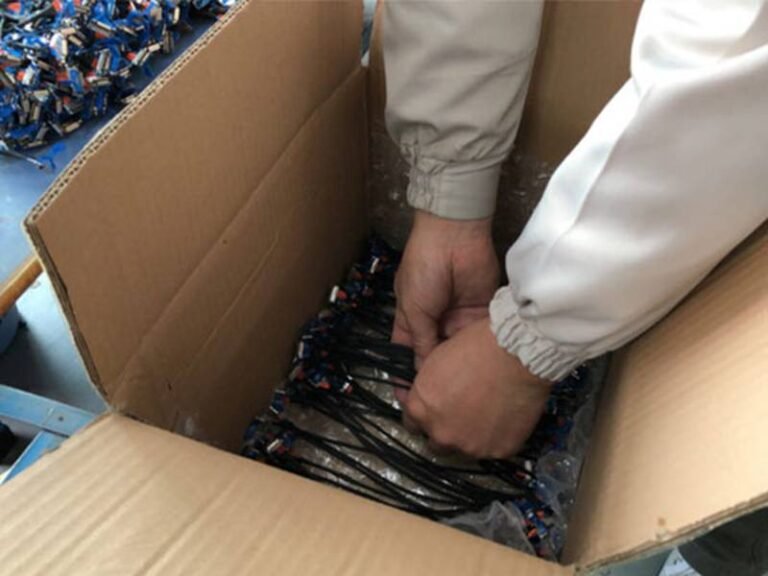
Engineering-Driven Manufacturing for UAV Camera Systems
Drone camera cable assemblies are often developed alongside rapidly evolving UAV platforms where installation space, signal architecture, vibration resistance, and weight distribution continuously change during engineering stages. SINO-CONN supports these projects through close coordination between engineering development, sample production, sourcing management, and manufacturing teams, helping customers move more efficiently from concept validation to production preparation.
Many projects begin from limited technical information such as connector models, existing cable samples, product photos, or early-stage drawings. Engineering review may involve connector verification, cable structure evaluation, routing optimization, shielding configuration analysis, and manufacturability assessment before prototype production begins. This workflow helps reduce communication delays and improves development efficiency during fast-moving UAV projects.
Flexible Manufacturing Supported by Shenzhen’s Electronics Supply Chain
Located in Shenzhen, SINO-CONN operates within one of the world’s largest electronics and connector supply chain ecosystems. This manufacturing environment provides direct access to specialized wire materials, fine-pitch connector systems, shielding components, overmolding resources, and precision processing suppliers commonly used in drone camera cable assemblies and compact electronic interconnect systems.
Long-term cooperation with wire manufacturers, connector suppliers, shielding material factories, and precision component partners allows more flexibility when balancing lead time, sourcing availability, project cost, and engineering requirements. This becomes especially important for UAV camera projects involving frequent revisions, urgent prototype demand, or specialized connector structures requiring fast sourcing coordination.
Production Capability for Prototype & OEM Projects
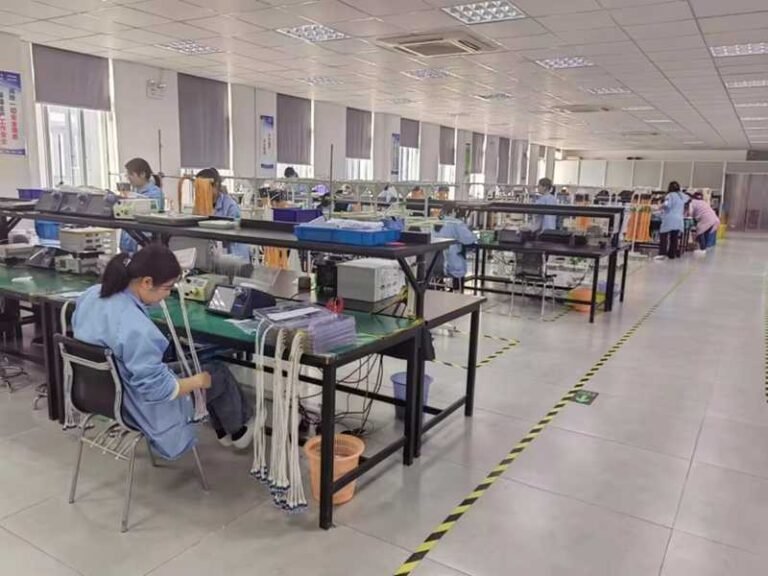
SINO-CONN supports both engineering-stage prototype projects and recurring OEM production requirements through dedicated sample workshops, assembly production lines, inspection processes, and engineering coordination systems. Depending on project requirements, production support may involve low-volume validation, pilot-run preparation, or ongoing manufacturing scheduling for commercial UAV platforms.
The company supports custom cable assemblies ranging from compact lightweight camera interconnects to multi-signal harness systems involving complex routing structures, shielding configurations, and fine-pitch connector integration. Cable lengths may range from short internal assemblies to extended routing systems depending on UAV platform architecture and installation requirements.
Manufacturing Focus on Practical Engineering Requirements
Many UAV camera cable projects require more than standard catalog products. Connector orientation, cable flexibility, shielding structure, movement radius, environmental exposure, installation limitations, and assembly stability all influence final cable configuration. SINO-CONN’s manufacturing approach focuses on adapting cable structures according to actual application conditions rather than relying on fixed product formats.
This practical engineering-oriented workflow has supported projects involving lightweight FPV systems, industrial UAV inspection platforms, stabilized aerial imaging systems, and specialized drone camera integration projects where reliability, flexibility, and production responsiveness remain critical throughout development and production stages.
Common Problems in Drone Camera Cable Development
Drone camera cable assemblies are often one of the most overlooked parts during early UAV development, yet many signal, routing, and reliability issues eventually originate from the cable structure itself. In compact drone platforms, limited installation space, vibration, repeated movement, RF interference, and rapid prototype iteration create challenges that standard cable assemblies are rarely designed to handle.

Signal Problems Often Appear During Flight Testing
Some UAV projects perform normally during bench testing but begin showing unstable image transmission after real flight operation starts. In several FPV and mapping drone projects, customers experienced intermittent black screens, unstable HD transmission, or temporary signal loss because the original camera harness passed too close to ESC modules or high-current power lines inside compact airframes.
In many cases, the issue is not the camera module itself, but cable routing structure, insufficient shielding, or unstable grounding inside a dense electronic environment. Some drone platforms become even more sensitive after additional payload systems, antennas, or transmission modules are added during later development stages.
SINO-CONN often reviews connector layout, shielding structure, routing path, and signal separation during early engineering discussions to help reduce these risks before prototype production.
Compact UAV Structures Create Routing Pressure
Modern UAV platforms continue becoming smaller while integrating more cameras, sensors, communication systems, and onboard electronics into limited internal space. Many engineering teams discover that the original cable structure becomes difficult to install once the drone enters actual assembly stages.
In some gimbal projects, cable stiffness restricted rotation movement. In other projects, oversized shielding structures increased installation pressure near moving brackets or camera mounting points. Routing problems are especially common in compact FPV drones where every millimeter inside the frame matters.
SINO-CONN frequently supports lightweight cable optimization, smaller OD structures, compact connector integration, and flex routing adjustments for UAV projects where installation space becomes a major limitation during prototype revisions.
Gimbal Systems Expose Flex Reliability Problems
Gimbal camera systems place continuous stress on internal cable assemblies because the cable bends and rotates repeatedly during stabilization movement. Some customers initially focused mainly on signal transmission performance but later discovered that flex durability became the real issue after repeated operational cycles.
In several UAV camera projects, connector stress appeared near rotation points because the original cable transition area lacked sufficient flexibility. Some cable structures also became unstable after repeated movement caused internal conductor fatigue.
For moving camera systems, SINO-CONN typically evaluates cable routing geometry, bend radius, strain relief structure, and material flexibility together rather than treating the cable as a simple static connection component.
Lightweight Design Often Conflicts With Stability
Reducing cable weight is important in almost every drone project, especially for FPV systems, long-endurance UAVs, and compact aerial imaging platforms. However, aggressively reducing cable diameter or shielding thickness may introduce new reliability problems if the structure is not properly balanced.
Some lightweight drone projects initially used extremely thin cable structures to reduce payload weight, but later experienced unstable flex behavior or reduced shielding performance during testing. In certain cases, slightly increasing cable OD actually improved long-term routing stability inside moving structures.
SINO-CONN often helps customers balance weight reduction, shielding performance, cable flexibility, and production practicality according to actual UAV operating conditions rather than relying only on theoretical specifications.
Connector Sourcing Delays Can Slow Development
Many drone camera projects depend on highly specialized connectors such as I-PEX, HRS, JAE, or fine-pitch board connectors. During prototype stages, sourcing delays or inventory shortages sometimes become more problematic than the cable assembly itself.
Some engineering teams originally specified certain connector models but later changed to compatible alternatives because lead times became too long for prototype schedules. In fast-moving UAV projects, connector flexibility can become an important factor for maintaining development progress.
Because SINO-CONN operates within Shenzhen’s electronics supply chain ecosystem, engineering teams often coordinate connector alternatives, sourcing availability, and production scheduling together during project discussions to reduce unnecessary prototype delays.
Why UAV Camera Developers Work With SINO-CONN
Drone camera cable projects often move quickly from concept validation to repeated prototype revisions and production preparation. Many customers are not simply looking for a cable supplier, but for a manufacturing partner capable of understanding routing limitations, connector compatibility, signal stability, flex requirements, and real engineering challenges inside compact UAV platforms. SINO-CONN supports these projects through practical engineering communication, flexible manufacturing coordination, and experience gained from custom cable assembly development across different UAV imaging applications.

Faster Engineering Response During UAV Development
In many drone projects, development schedules change frequently. Camera modules are updated, connector models change, shielding structures are revised, and internal layouts continue evolving throughout prototype stages. Delayed engineering communication can slow down the entire UAV development process.
SINO-CONN regularly supports engineering teams requiring rapid feedback on connector compatibility, cable routing feasibility, shielding adjustments, and assembly structure optimization. Some projects begin only from connector part numbers, rough sketches, or existing samples, especially during early-stage UAV testing.
For urgent development schedules, drawing review and prototype coordination are often handled in parallel to reduce unnecessary delays between engineering discussion and sample production.
Flexible Manufacturing for Non-Standard Cable Structures
Many drone camera cable assemblies are highly customized rather than standard catalog products. In some projects, installation space becomes smaller after additional sensors or communication modules are added. In other cases, gimbal movement creates unexpected routing pressure during testing.
SINO-CONN supports flexible cable structures involving lightweight routing, fine-pitch connector integration, compact shielding layouts, waterproof transitions, and dynamic flex sections based on actual UAV platform conditions. Production structures are commonly adjusted according to real installation environments instead of relying only on theoretical specifications.
This flexibility becomes especially important during prototype revision stages where small structural changes may significantly improve installation efficiency or long-term operational stability.
Prototype Support Without MOQ Pressure
Many UAV camera projects begin with engineering validation, flight testing, or small pilot runs before entering production stages. Some customers only require several samples during early development, while others need multiple revisions before finalizing the cable structure.
SINO-CONN supports prototype projects starting from one piece, allowing engineering teams to test routing geometry, shielding performance, connector positioning, and flex behavior without large minimum order pressure.
For some drone developers, the ability to quickly revise cable structures during testing stages is more valuable than mass production capability at the beginning of the project.
Shenzhen Supply Chain Advantage for UAV Projects
Located in Shenzhen, SINO-CONN operates within a mature electronics manufacturing ecosystem with access to connector suppliers, micro coax materials, shielding components, overmolding factories, and precision processing resources commonly used in UAV electronics manufacturing.
This supply chain environment helps improve sourcing flexibility for projects involving I-PEX, HRS, JAE, JST, Molex, and other compact connector systems frequently used in drone camera applications. In fast-moving UAV projects, sourcing coordination often becomes as important as cable assembly itself, especially when engineering schedules continue changing during development.
For some projects, connector alternatives or adjusted material configurations help reduce lead time pressure without significantly affecting overall performance.
Production Experience with Real UAV Application Requirements
Drone camera cable assemblies operate under conditions involving vibration, repeated movement, limited installation space, outdoor environments, and compact electronic structures. These conditions create practical engineering challenges that are difficult to evaluate only from drawings.
SINO-CONN has supported UAV projects involving FPV systems, stabilized gimbal platforms, mapping drones, industrial inspection UAVs, and specialized imaging devices where routing flexibility, shielding balance, flex reliability, and compact assembly structure directly affected real operational performance.
In many projects, the final cable structure is optimized gradually through prototype testing, routing adjustments, and engineering feedback rather than finalized during the first design stage.
Custom Drone Camera Cable Assemblies for Different UAV Systems
Different UAV camera platforms require different cable structures depending on signal architecture, installation space, movement range, environmental conditions, and onboard electronic layout. SINO-CONN supports custom drone camera cable assemblies for FPV systems, stabilized gimbals, mapping payloads, industrial UAV platforms, and compact airborne imaging devices where routing flexibility and signal stability are critical during real flight operation.

Micro Coax Drone Camera Cable Assembly
Micro coax cable assemblies are commonly used in compact UAV imaging systems requiring lightweight structure and stable high-speed image transmission. These cable assemblies are frequently integrated into FPV drones, miniaturized camera modules, and compact gimbal systems where installation space is extremely limited.
SINO-CONN supports micro coax structures up to 50AWG for projects requiring reduced cable weight, flexible routing, and fine-pitch connector integration inside compact drone platforms.

LVDS Drone Camera Harness
LVDS camera harnesses are widely used in UAV imaging systems requiring stable differential signal transmission between camera modules, onboard processors, and transmission systems. In many mapping and industrial drone platforms, shielding structure and routing stability directly affect image transmission performance during flight.
SINO-CONN supports custom LVDS cable assemblies with compact routing structures, shielded signal pairs, and lightweight configurations for UAV applications involving high-resolution imaging systems.

MIPI CSI Camera Cable Assembly
MIPI CSI cable assemblies are commonly used in embedded UAV imaging systems requiring compact structure and high-speed camera communication. These projects often involve lightweight camera modules, small onboard processors, and fine-pitch board connectors integrated inside highly compact drone platforms.
SINO-CONN supports flexible MIPI cable structures optimized for limited installation space, compact routing geometry, and stable signal transmission during prototype and production stages.

Gimbal Flex Cable Assembly
Gimbal camera systems continuously rotate and move during operation, placing long-term mechanical stress on internal cable assemblies. Flex stability, routing geometry, and connector positioning often become critical factors during flight testing and repeated movement cycles.
SINO-CONN supports lightweight flex cable assemblies designed for stabilized UAV camera systems requiring compact routing, dynamic movement support, and reliable long-term flex performance.

RF Camera Transmission Cable
RF transmission cable assemblies are commonly used in UAV communication systems, wireless imaging devices, antennas, and long-range video transmission platforms. These cable structures often require stable shielding performance and compact connector integration inside dense electronic environments.
SINO-CONN supports lightweight RF cable assemblies using compact coaxial structures and fine-pitch RF connectors for UAV systems requiring reliable wireless signal transmission.

Waterproof Drone Camera Cable Assembly
Industrial and outdoor UAV platforms often require waterproof camera cable assemblies capable of operating under moisture, dust, vibration, and temperature variation. In some inspection and surveillance projects, environmental reliability becomes as important as signal transmission itself.
SINO-CONN supports waterproof cable assemblies with sealed connector structures, outdoor cable materials, and protected routing configurations for UAV systems operating in demanding field environments.
Engineering Capabilities for Custom Drone Camera Cable Assemblies
Drone camera cable development often involves repeated prototype revisions, compact installation environments, lightweight structure requirements, and continuously changing system layouts. SINO-CONN supports engineering-driven cable assembly development for UAV projects requiring flexible technical coordination, stable manufacturing support, and practical optimization based on real airborne operating conditions.

UAV Camera Cable Structure Development
Many drone camera cable projects begin before the entire UAV structure is finalized. During early development stages, camera positions, internal brackets, transmission modules, and onboard electronics may still be changing. In some projects, cable routing that initially appeared workable later created installation pressure once additional payload systems were added.
SINO-CONN supports cable structure development based on real UAV integration conditions, helping engineering teams evaluate routing flexibility, connector positioning, shielding layout, and transition structure before prototype production begins.
Fine-Pitch Connector Integration Engineering
Compact UAV imaging systems increasingly rely on miniature connector ecosystems where installation tolerances are extremely limited. Small differences in connector height, locking direction, or cable exit angle may directly affect assembly efficiency inside compact drone structures.
SINO-CONN supports integration of fine-pitch connector systems including I-PEX, HRS, JAE, JST, Molex, RF coaxial connectors, and waterproof interfaces commonly used in drone camera applications. Connector selection is often coordinated together with routing flexibility, sourcing conditions, and long-term production stability.
Lightweight Routing Optimization
For many UAV projects, cable routing becomes more difficult as drone structures become smaller and more integrated. Some customers initially focused mainly on cable length reduction, but during prototype assembly stages, cable flexibility and transition geometry became more important for stable installation.
SINO-CONN supports lightweight cable optimization using compact routing structures, reduced outer diameter configurations, flexible transition areas, and micro coax integration designed for UAV platforms requiring improved installation efficiency and reduced internal routing pressure.
Dynamic Flex Engineering for Gimbal Systems
Stabilized gimbal camera systems continuously bend and rotate during operation, creating long-term mechanical stress on internal cable assemblies. In several UAV projects, signal transmission remained stable during static testing but connector stress later appeared after repeated movement cycles during actual flight operation.
SINO-CONN develops flex cable structures for moving camera systems by evaluating bend radius, transition stability, cable routing behavior, and material flexibility together during engineering stages rather than treating the assembly as a simple static cable connection.
Prototype Revision & Engineering Coordination
Drone camera cable assemblies often require multiple engineering revisions before final production approval. During UAV testing stages, routing paths, shielding structures, connector systems, and cable geometry may continue changing as the platform evolves.
SINO-CONN supports flexible prototype coordination for projects requiring rapid engineering response, drawing adjustment, connector replacement, or routing optimization during active development cycles. Some UAV projects move through several cable revisions before finalizing the production structure.
Engineering Support Connected to Manufacturing Reality
Many cable structures appear effective in drawings but become difficult to manufacture consistently once production begins. Some shielding layouts reduce assembly efficiency, while certain lightweight structures create instability during repeated production cycles.
SINO-CONN evaluates engineering feasibility together with manufacturing practicality to help balance routing flexibility, structural reliability, sourcing stability, and long-term production consistency. This approach is especially important for UAV projects transitioning from prototype validation into recurring OEM production.
Materials & Connector Ecosystem for UAV Camera Cable Assemblies
Drone camera cable performance depends heavily on wire structure, connector compatibility, shielding design, and installation environment. Different UAV platforms require different balances between lightweight routing, signal stability, flex durability, and production practicality. SINO-CONN supports custom material and connector configurations for FPV drones, stabilized camera systems, mapping UAVs, and industrial imaging platforms.

Micro Coax & High-Speed Cable Structures
Modern UAV camera systems commonly use lightweight high-speed cable structures for HD image transmission and compact onboard communication. In many FPV and gimbal projects, cable flexibility becomes just as important as electrical performance once routing space becomes limited.
SINO-CONN supports:
- Micro coax up to 50AWG
- LVDS cable structures
- MIPI CSI cable systems
- RF coaxial assemblies
- Low-OD lightweight cables
- Flexible signal routing structures
Fine-Pitch Connector Ecosystem
Compact UAV imaging systems often require miniature connector structures where connector size, locking direction, and cable exit angle directly affect installation efficiency inside the drone platform.
SINO-CONN supports connector systems including:
- I-PEX
- HRS
- JST
- JAE
- KEL
- Molex
- TE Connectivity
- Samtec
- Amphenol
- Waterproof connectors
Both original branded connectors and compatible alternatives may be evaluated depending on project requirements and sourcing conditions.
Shielding Structures for UAV Electronics
Drone camera cables frequently operate near ESC modules, antennas, batteries, and wireless transmission systems where EMI interference may affect signal stability during flight operation.
Supported shielding structures include:
- Foil shielding
- Braided shielding
- Hybrid shielding layouts
- Drain wire grounding
- Multi-layer shielding systems
- Flexible EMI protection structures
In some compact UAV projects, lighter hybrid shielding structures improved routing flexibility without noticeably affecting image transmission quality.
Flexible Jacket & Insulation Materials
Different UAV platforms require different cable materials depending on movement range, environmental exposure, and routing conditions. Material flexibility often becomes important in gimbal systems and compact FPV platforms where cables repeatedly bend during operation.
SINO-CONN supports:
- TPU jacket materials
- Silicone insulation
- PTFE structures
- UV-resistant materials
- Halogen-free configurations
- Flexible low-friction surfaces
Waterproof & Outdoor Protection Structures
Industrial UAV systems operating outdoors often require additional cable protection against moisture, vibration, dust, and temperature variation. Connector sealing stability may directly affect long-term field reliability.
SINO-CONN supports:
- Waterproof overmolding
- Sealed connector structures
- Outdoor cable protection
- Strain relief transitions
- Moisture-resistant assemblies
- Protected routing structures
Material Selection Based on UAV Applications
Different UAV applications prioritize different cable characteristics. FPV projects often focus on lightweight routing and flexibility, while mapping and industrial inspection drones may prioritize signal stability and environmental durability during long-duration operation.
SINO-CONN typically evaluates wire structure, shielding layout, connector system, and routing geometry together based on actual UAV installation conditions and project development stages.
UAV Camera Cable Applications Across Different Drone Platforms
Different UAV camera systems place different demands on cable structure, routing flexibility, signal stability, and environmental durability. SINO-CONN supports custom drone camera cable assemblies for compact FPV drones, stabilized imaging systems, industrial UAV platforms, airborne mapping equipment, and specialized aerial payload devices where practical installation conditions directly affect cable design and long-term operational performance.

FPV Drone Camera Systems
FPV drones operate inside extremely compact frames where camera cables pass through limited routing paths surrounded by ESC systems, antennas, motors, and transmission modules. In many FPV projects, cable flexibility becomes more important during assembly than overall cable length because internal installation space is highly restricted.
SINO-CONN supports lightweight FPV camera cable assemblies using compact connector systems, micro coax structures, and flexible routing configurations designed for high-speed digital video transmission and compact drone integration.

Stabilized Gimbal Camera Platforms
Gimbal camera systems continuously rotate during operation, creating long-term mechanical stress on internal cable assemblies. Some UAV projects initially used standard cable structures but later experienced connector pressure or unstable movement after repeated gimbal operation during flight testing.
SINO-CONN supports gimbal camera cable assemblies designed for dynamic flex behavior, compact routing geometry, and stable movement performance inside multi-axis stabilized imaging systems.

Mapping & Survey UAV Systems
Mapping drones often integrate high-resolution cameras, GPS systems, onboard processors, and wireless communication modules into complex payload structures requiring stable signal transmission during long-duration flights.
In several mapping UAV projects, routing stability became increasingly important after additional imaging devices were added during development stages. SINO-CONN supports shielded camera harnesses and lightweight signal cable structures optimized for airborne imaging systems requiring consistent transmission performance and efficient internal routing.

Industrial Inspection Drone Platforms
Industrial inspection UAVs commonly operate in outdoor environments involving vibration, dust, moisture, and extended operational cycles. Cable assemblies used in these systems must maintain stable performance during infrastructure inspection, facility monitoring, and remote imaging applications.
SINO-CONN supports waterproof camera cable assemblies, shielded routing structures, and protected connector configurations for industrial UAV systems operating in demanding field environments.

Thermal Imaging & Night Vision Systems
Thermal imaging payloads and night vision camera systems often involve compact onboard electronics, RF communication modules, and sensitive image transmission structures where shielding balance and cable routing directly affect system stability.
SINO-CONN supports custom cable assemblies for thermal imaging UAV systems requiring compact signal structures, lightweight routing, and stable connector integration inside airborne surveillance and inspection platforms.

Embedded Vision & AI UAV Systems
Modern UAV platforms increasingly integrate AI processors, onboard computing modules, and embedded vision systems for autonomous navigation, object tracking, and aerial data processing. These systems often require compact high-speed cable assemblies inside densely integrated electronic environments.
SINO-CONN supports lightweight camera interconnect systems, fine-pitch connector integration, and compact signal cable assemblies for embedded UAV vision platforms requiring stable communication between imaging modules and onboard processing hardware.
Manufacturing & Testing for Drone Camera Cable Assemblies
Drone camera cable assemblies require stable production control, precise assembly workmanship, and reliable inspection processes because compact routing structures and high-speed signal systems leave very little tolerance for manufacturing error. SINO-CONN supports prototype and OEM production for UAV camera cable projects requiring flexible manufacturing coordination, stable assembly quality, and consistent long-term production support.

Prototype & Small-Batch Manufacturing Support
Many UAV camera projects begin with engineering samples, flight-testing prototypes, or low-volume validation before entering recurring production stages. During development, cable structures often continue changing as camera layouts, payload systems, and onboard electronics evolve.
SINO-CONN supports prototype manufacturing from single-piece builds to small pilot runs, helping engineering teams adjust cable structures during active UAV development without large MOQ limitations or rigid production requirements.
Precision Assembly for Compact Cable Structures
Drone camera cable assemblies frequently involve fine-pitch connectors, micro coax structures, lightweight shielding systems, and highly compact installation environments. Small assembly deviations may later create routing pressure or connector stress once integrated into the drone platform.
SINO-CONN supports precision assembly processes for compact UAV cable systems requiring stable workmanship consistency, controlled routing geometry, and careful connector integration during production stages.
Technical Confirmation Before Production
Before manufacturing begins, technical details are commonly reviewed together with connector direction, cable routing structure, branch layout, and installation conditions to reduce assembly risk during later integration stages.
SINO-CONN supports production confirmation through drawing review, pin assignment verification, connector orientation evaluation, and cable structure clarification before prototype or production assembly begins.
Electrical Testing & Inspection Procedures
Stable signal transmission remains critical for drone camera systems operating in vibration-prone and densely integrated electronic environments. Inspection procedures therefore become important for identifying assembly issues before shipment.
SINO-CONN supports continuity testing, pin definition verification, connector installation inspection, shielding structure inspection, and visual assembly review according to actual project requirements and cable architecture.
Flexible Production Coordination for UAV Projects
Different UAV projects require different manufacturing approaches depending on development stage, connector sourcing conditions, engineering complexity, and production quantity. Some projects remain in repeated revision stages, while others move rapidly into recurring OEM production.
SINO-CONN supports flexible production coordination for engineering samples, pilot production, urgent prototype schedules, and long-term manufacturing programs involving custom drone camera cable assemblies.
Stable Manufacturing for Recurring Production
For ongoing UAV production projects, maintaining stable assembly consistency across different production batches becomes increasingly important. Connector sourcing stability, shielding installation quality, cable routing accuracy, and inspection repeatability all influence long-term manufacturing reliability.
SINO-CONN combines manufacturing coordination, sourcing management, and inspection procedures to support drone camera cable projects requiring repeatable production quality and stable delivery performance over extended production cycles.
Certifications & Compliance for UAV Camera Cable Manufacturing
Drone camera cable assemblies used in industrial UAV systems, airborne imaging platforms, and professional electronic equipment often require controlled manufacturing processes, stable material sourcing, and internationally recognized compliance standards. SINO-CONN supports projects requiring production consistency, environmental compliance, and manufacturing documentation for customers working in regulated or quality-sensitive industries.
UL & Material Compliance Support
Certain UAV and electronic projects require UL-recognized materials or component compliance depending on customer specifications and target markets. Cable material selection may influence long-term durability, insulation performance, and production documentation requirements.
SINO-CONN supports projects involving:
- UL-recognized cable materials
- Certified component sourcing
- Connector compliance coordination
- Material verification support
- Production document preparation
For some OEM projects, material documentation becomes an important part of customer approval during production preparation stages.
Manufacturing Support for Specialized Industries
Drone camera cable assemblies are increasingly used in industries requiring higher production control, sourcing consistency, and manufacturing reliability. Different industries often prioritize different compliance requirements depending on application environment and operational standards.
SINO-CONN has supported cable assembly projects involving:
- UAV systems
- Industrial automation
- Medical electronics
- Robotics platforms
- Communication equipment
- Embedded imaging devices
Production coordination may be adjusted according to customer-specific documentation and compliance requirements.
Production Documentation & Customer Support
For many OEM customers, production documentation becomes important during qualification, purchasing approval, and recurring manufacturing stages. Engineering teams may require technical confirmation before final production release.
SINO-CONN supports documentation coordination involving:
- Technical drawings
- Material information
- Compliance documentation
- Inspection records
- COO & COC support
- Production confirmation files
Documentation support is commonly coordinated together with engineering review and manufacturing preparation during active project development.





Quality Control for Custom Drone Camera Cable Assemblies
Drone camera cable assemblies are installed inside compact UAV systems where vibration, repeated movement, lightweight routing, and dense electronic layouts create very little tolerance for production inconsistency. SINO-CONN applies structured quality control procedures throughout manufacturing to help improve assembly reliability, routing consistency, and long-term production stability for UAV camera cable projects.


Quality Management System Standards
Stable manufacturing processes become increasingly important for UAV projects involving recurring production, compact connector systems, and high-density cable structures. Consistent workmanship and controlled assembly procedures help reduce production variation during long-term manufacturing programs.
SINO-CONN supports manufacturing systems aligned with:
- ISO 9001
- ISO 14001
- IPC-620
- QBFA manufacturing standards
These standards support production environments requiring structured quality control and documented manufacturing procedures.
IPC-620 Workmanship Standards
Drone camera cable assemblies often involve micro coax structures, fine-pitch connectors, lightweight shielding systems, and compact routing geometry where assembly consistency directly affects installation reliability and signal stability.
SINO-CONN follows IPC-620 workmanship practices for cable assembly manufacturing involving:
- Connector termination quality
- Crimping consistency
- Soldering workmanship
- Cable routing organization
- Assembly appearance control
- Inspection process management
For compact UAV systems, workmanship stability becomes especially important because small assembly inconsistencies may create integration issues during final drone assembly.
Environmental & Material Compliance
Many UAV manufacturers and OEM customers require environmental compliance documentation for exported products, industrial equipment, and commercial electronic systems. Material traceability and restricted substance control have become increasingly important in global supply chain management.
SINO-CONN supports compliance requirements involving:
- RoHS
- REACH
- PFAS
- Halogen-free materials
- Material traceability support
Compliance documentation may be coordinated according to project requirements and sourcing conditions.
Controlled Inspection During Assembly Production
For compact drone camera cable assemblies, many quality risks appear during assembly stages rather than after production is completed. Connector alignment, shielding position, routing direction, and transition structure all influence final installation behavior inside UAV platforms.
SINO-CONN integrates inspection throughout the assembly workflow including:
- Incoming material inspection
- Connector positioning verification
- Crimping & soldering inspection
- Routing structure review
- Assembly appearance control
- Finished product verification
For some lightweight UAV projects, controlling cable transition consistency during production helped reduce routing pressure during final drone assembly.
Electrical Verification for Signal & Connector Stability
Drone imaging systems rely on stable communication between camera modules, onboard processors, transmission systems, and RF equipment. Small assembly inconsistencies may later create intermittent signal problems once the UAV enters real flight conditions.
SINO-CONN supports electrical inspection processes involving:
- Continuity testing
- Pin assignment verification
- Signal path confirmation
- Grounding inspection
- Shielding continuity review
- Connector conductivity testing
Inspection procedures are adjusted according to cable architecture, connector system, and UAV application environment.
Production Consistency for Recurring UAV Manufacturing
For recurring OEM drone projects, maintaining stable assembly quality across different production batches becomes increasingly important. Variations in connector installation, shielding layout, or cable routing geometry may affect long-term production stability during ongoing UAV manufacturing programs.
SINO-CONN coordinates sourcing management, assembly workflow, and inspection procedures together to help support:
- Stable batch consistency
- Repeatable assembly quality
- Controlled workmanship standards
- Long-term production coordination
- OEM manufacturing support
- Flexible production scheduling
Engineering communication may also continue during production stages when UAV projects require routing adjustments or assembly refinements after integration testing.
Global Logistics & Delivery Support for UAV Cable Projects
Drone camera cable projects often operate under tight engineering schedules where prototype timing, connector sourcing, and international shipment coordination directly affect overall development progress. SINO-CONN supports global delivery coordination for UAV camera cable assemblies with flexible scheduling, export support, and production planning designed for engineering teams, OEM manufacturers, and industrial drone companies working across different international markets.

Fast Prototype Shipment for Active UAV Development
Many UAV projects require cable samples within short development windows because camera systems, payload structures, and onboard electronics continue changing during testing stages. Delayed prototype delivery may slow down flight testing and integration schedules.
SINO-CONN supports rapid prototype coordination for customers requiring urgent engineering samples, lightweight cable revisions, or connector replacement during active UAV development programs. International express shipment is commonly arranged for prototype projects requiring fast technical validation.
Flexible Global Shipping Coordination
Different UAV customers require different shipment methods depending on project urgency, production volume, and destination region. Some prototype projects prioritize fast delivery, while recurring OEM production may focus more on shipment planning and packaging efficiency.
SINO-CONN supports international delivery coordination through express shipment, air freight, and sea freight channels for customers across North America, Europe, Israel, and other industrial manufacturing regions involved in UAV system development.
Protective Packaging for Precision Cable Assemblies
Drone camera cable assemblies often contain compact connector systems, lightweight shielding structures, and fine-pitch terminations that require stable protection during transportation. Poor packaging may affect connector condition or routing structure before final installation begins.
SINO-CONN prepares cable assemblies using organized packaging methods designed to help reduce movement, connector pressure, and transportation-related handling risk during international shipment.
Production Scheduling for OEM UAV Programs
Recurring UAV manufacturing projects often require coordinated production timing between cable assembly delivery, drone assembly schedules, and component sourcing conditions. In some projects, connector availability directly influences shipment planning and manufacturing release timing.
SINO-CONN supports flexible production coordination for OEM drone programs requiring recurring shipment support, rolling production schedules, and stable delivery planning across ongoing manufacturing cycles.
Shipment Support for Different Customer Types
Different customers often require different logistics coordination during UAV project development. Engineering teams may focus on fast prototype delivery, while OEM manufacturers often prioritize stable production scheduling and shipment consistency.
SINO-CONN supports shipment coordination for:
- UAV engineering teams
- OEM drone factories
- Industrial equipment companies
- International sourcing teams
- Technical distributors
- Long-term manufacturing programs
Delivery planning is adjusted according to actual project stage and production requirements.
International Communication During Delivery Stages
For many UAV projects, communication during production and shipment stages becomes important because engineering revisions, connector updates, or packaging adjustments may continue even after manufacturing begins.
SINO-CONN supports ongoing coordination involving shipment updates, delivery scheduling, packaging confirmation, and export communication to help customers maintain smoother project timing during prototype and production stages.
Customer Projects & Drone Camera Cable Assembly Applications
Different UAV platforms require different cable structures depending on signal architecture, movement requirements, environmental conditions, and internal installation space. The following projects show how SINO-CONN supported drone camera cable assembly development for customers requiring lightweight structures, stable transmission, flexible manufacturing support, and rapid engineering coordination.

Mapping Drone Camera Harness Project — United States
Project Background
A U.S.-based drone mapping company developing fixed-wing survey UAVs required custom LVDS camera harnesses for high-resolution aerial imaging systems used in agricultural mapping and terrain analysis.
The UAV platform integrated multiple imaging modules, onboard processing systems, GPS equipment, and wireless communication hardware inside a compact fuselage structure with limited routing space.
Key Project Challenges
The customer experienced several issues with their previous cable supplier:
- Unstable image transmission during flight
- EMI interference near power modules
- Excessive cable weight affecting flight duration
- Long lead times for prototype revisions
- Inconsistent connector assembly quality
The engineering team also required rapid cable modifications during ongoing flight testing and camera integration stages.
SINO-CONN Solution
After reviewing the connector models, routing structure, and camera system architecture, SINO-CONN supported:
- Lightweight LVDS cable structure optimization
- Shielded signal pair configuration
- Compact routing adjustment
- Fine-pitch connector integration
- Prototype modification support
- CAD drawing confirmation before production
The cable assembly used lightweight shielded structures combined with compact connector systems to reduce internal routing pressure inside the UAV platform.
Urgent prototype samples were coordinated during multiple development stages to help support flight testing schedules.
Final Result
After implementation, the customer reported:
- Improved image transmission stability during long-distance flights
- Reduced EMI interference near onboard power systems
- Approximately 18% cable weight reduction compared to the previous design
- Faster prototype iteration during UAV testing stages
- Improved internal installation flexibility
Following successful field validation, the project moved into recurring low-volume production support.
FPV Camera Cable Development Project — Germany
Project Background
A Germany-based FPV drone development team required ultra-lightweight camera cable assemblies for compact HD digital transmission systems used in high-speed FPV racing and freestyle drone platforms.
The project focused heavily on minimizing cable weight and improving routing flexibility inside extremely compact drone frames.
Key Project Challenges
The customer’s original cable assemblies created several development limitations:
- Cable stiffness affecting internal routing
- Large connector structures reducing installation space
- Signal instability during high-speed movement
- Limited flexibility during repeated vibration and impact conditions
- Long sourcing lead times for original connectors
The customer also needed rapid engineering feedback because cable structures changed frequently during FPV system optimization.
SINO-CONN Solution
Based on the customer’s camera module structure and installation requirements, SINO-CONN supported:
- Ultra-fine micro coax cable integration
- Reduced outer diameter cable structures
- Lightweight shielding optimization
- Compact connector replacement options
- Flexible routing geometry
- Fast engineering communication during revisions
The project used micro coax structures as fine as 50AWG combined with compact connector integration to reduce overall cable bulk while improving routing flexibility inside the drone frame.
Several prototype revisions were completed during testing stages to optimize flex performance and installation structure.
Final Result
After optimization, the customer achieved:
- Approximately 22% reduction in cable assembly weight
- Improved routing flexibility inside compact FPV frames
- More stable HD image transmission during high-speed operation
- Faster prototype turnaround during development stages
- Improved sourcing flexibility for recurring production
The customer later expanded the project into additional FPV product configurations requiring similar lightweight cable structures.
Industrial Inspection UAV Project — Israel
Project Background
An Israel-based industrial UAV company developing long-endurance inspection drones required waterproof and shielded camera cable assemblies for infrastructure monitoring systems used in harsh outdoor environments.
The UAV platforms integrated stabilized camera systems, thermal imaging modules, wireless transmission units, and onboard communication equipment inside compact airframes designed for long-duration operation.
Key Project Challenges
The customer faced several technical and sourcing issues during early development stages:
- Signal instability near RF communication modules
- Cable fatigue caused by vibration and repeated movement
- Waterproofing requirements for outdoor deployment
- Limited internal routing space inside compact UAV structures
- Inconsistent assembly quality from previous suppliers
The engineering team also required flexible prototype scheduling because multiple camera system revisions were still under development.
SINO-CONN Solution
After reviewing the UAV structure, connector requirements, and environmental conditions, SINO-CONN supported:
- Waterproof connector integration
- Shielded multi-signal cable structures
- Lightweight routing optimization
- Flexible cable jacket selection
- Strain relief structure improvement
- Prototype revision coordination
- Multi-stage inspection support
The cable assemblies were configured using compact shielded structures optimized for outdoor industrial UAV environments requiring stable transmission and long-term operational reliability.
Production drawings and connector configurations were reviewed before manufacturing to help reduce assembly risks during prototype stages.
Final Result
After deployment and field testing, the customer reported:
- Improved signal stability near communication systems
- Better flex performance during long-duration operation
- Reduced maintenance issues related to connector fatigue
- More stable waterproof performance in outdoor environments
- Faster prototype iteration during ongoing UAV development
Following successful integration, the project expanded into recurring production support for additional UAV inspection platforms.
Frequently Asked Questions About Custom Drone Camera Cable Assemblies
Drone camera cable projects often involve questions related to connector sourcing, lightweight routing, shielding performance, prototype scheduling, and manufacturing flexibility. Below are common questions regularly discussed with SINO-CONN by UAV developers, drone OEM manufacturers, industrial imaging companies, and engineering teams working on compact airborne camera systems.
1. Can SINO-CONN develop drone camera cable assemblies from existing samples?
Yes. Many UAV projects begin from physical cable samples, existing drone assemblies, connector references, or partially completed prototype systems rather than finalized production drawings. In some development programs, the original cable structure was already installed inside the drone before engineering optimization began.
SINO-CONN commonly supports reverse evaluation based on:
- Existing cable samples
- Connector models
- Product photos
- PCB references
- Pin definition information
Engineering review may then continue with drawing preparation and prototype coordination.
2. What drone camera cable structures are most commonly requested?
Different UAV platforms require different cable structures depending on camera architecture, payload design, and internal routing conditions. Compact FPV drones often prioritize lightweight routing, while industrial UAV systems may focus more on shielding stability and outdoor durability.
SINO-CONN frequently supports:
- Micro coax assemblies
- LVDS camera harnesses
- MIPI CSI cable systems
- RF transmission cables
- Waterproof camera harnesses
- Gimbal flex cable assemblies
Most projects involve custom routing geometry rather than standard cable formats.
3. How does SINO-CONN handle connector sourcing challenges?
Connector availability often changes during UAV development, especially for compact imaging systems using fine-pitch connector ecosystems. Some projects originally specified certain connector models but later adjusted sourcing strategy because prototype schedules became more urgent than initial component planning.
Located in Shenzhen, SINO-CONN works closely with connector supply chains supporting:
- I-PEX
- HRS
- KEL
- JST
- JAE
- Molex
- TE Connectivity
Depending on project requirements, both original connectors and compatible alternatives may be evaluated during engineering stages.
4. Can lightweight drone camera cables still maintain stable performance?
Yes, although lightweight cable structures require careful balance between routing flexibility, shielding performance, and long-term movement stability. In several UAV projects, reducing cable stiffness improved installation reliability more effectively than simply reducing overall cable weight.
SINO-CONN supports lightweight cable optimization for FPV systems, compact gimbal structures, and embedded airborne imaging devices requiring reduced routing pressure inside limited installation environments.
5. What usually causes signal instability in drone camera systems?
In many UAV projects, signal instability is not caused by the camera module itself but by routing conditions inside dense electronic environments. During flight testing, some customers experienced intermittent image issues because the camera harness passed too close to ESC systems, RF modules, or power circuits.
SINO-CONN commonly reviews shielding layout, connector positioning, and routing structure during engineering evaluation to help improve signal stability before prototype production begins.
6. How are flex requirements handled for gimbal camera systems?
Gimbal systems continuously bend and rotate during operation, creating long-term stress on internal cable assemblies. Some cable structures perform normally during static testing but later develop routing instability after repeated movement cycles.
SINO-CONN supports dynamic flex cable structures for stabilized UAV camera systems by evaluating:
- Bend radius behavior
- Transition structure stability
- Cable movement consistency
- Connector stress areas
- Routing flexibility inside rotating structures
These factors are commonly reviewed together during prototype development stages.
7. Is prototype production available for low-volume UAV projects?
Yes. Many UAV camera systems remain in engineering validation or flight-testing stages for extended periods before entering recurring production. Some projects only require several samples during active development cycles.
SINO-CONN supports flexible prototype manufacturing for customers requiring:
- Engineering samples
- Prototype revisions
- Flight-testing builds
- Pilot-run production
- Small-batch manufacturing
Some UAV projects move through multiple cable revisions before the final structure is approved for production.
8. What materials are commonly used in UAV camera cable assemblies?
Material selection usually depends on routing conditions, movement range, environmental exposure, and overall UAV platform design. Some lightweight drone projects prioritize flexible low-OD structures, while outdoor industrial systems may require stronger environmental protection.
SINO-CONN commonly supports:
- Micro coax structures
- TPU jacket materials
- PTFE insulation
- Flexible signal cables
- Waterproof protection structures
- Lightweight shielding systems
Material selection is typically evaluated together with actual installation conditions during engineering review.
9. Does SINO-CONN support confidential UAV development projects?
Yes. Some UAV programs involve unreleased airborne imaging systems, proprietary payload structures, or confidential engineering platforms requiring restricted technical communication.
SINO-CONN may support:
- NDA agreements
- Controlled drawing review
- Protected project discussions
- Restricted sample handling
- Confidential production coordination
For certain OEM customers, confidentiality management becomes part of the overall engineering workflow during prototype and production stages.
10. Which industries commonly source UAV camera cable assemblies from SINO-CONN?
SINO-CONN supports customers involved in UAV imaging, industrial electronics, embedded vision systems, airborne sensing technology, robotics platforms, and compact camera integration projects.
Common customer groups include:
- UAV engineering teams
- Drone OEM manufacturers
- Industrial inspection companies
- Mapping system developers
- Embedded imaging companies
- Technical sourcing departments
Many projects involve ongoing engineering coordination rather than one-time standard product purchasing.

Start Your Custom Drone Camera Cable Assembly Project
Engineering Support for UAV Camera Systems from Prototype to Production
Custom drone camera cable assemblies often require compact routing structures, stable signal transmission, lightweight materials, shielding optimization, and precise connector integration. Early engineering communication helps improve prototype efficiency, reduce development delays, and support smoother transition into pilot-run and production stages for UAV imaging projects.
Information Helpful for Engineering Evaluation
To help speed up technical review, quotation preparation, and drawing confirmation, customers commonly provide the following information during the initial project discussion:
- Connector part numbers
- Technical drawings or sketches
- Pin assignment details
- Cable length requirements
- Signal transmission requirements
- Shielding requirements
- Product photos or samples
- Application environment details
- Estimated quantity or project stage