Skip to content
Custom Cleaning Robot Wire Harness Manufacturer
Custom Wire Harness Solutions For Autonomous Cleaning Robots, Floor Scrubbers, AMR Cleaning Platforms And Smart Mobility Systems
Commercial cleaning robots integrate LiDAR modules, wheel motors, battery systems, charging structures, cameras, navigation electronics, sensors, and embedded controllers inside compact moving platforms. Founded in Shenzhen in 2007, SINO-CONN supports custom cleaning robot wire harness projects from engineering samples to OEM production, combining miniature cable capability, waterproof connector solutions, and fast-response engineering support.
- Prototype Starting From 1 Piece
- Waterproof Connector Solutions
- Miniature Coax Down To 50AWG
- Support 20–512+ Signal Paths
- CAD Support In As Fast As 30 Minutes
- Prototype To OEM Manufacturing Workflow
Why Cleaning Robot Teams Work With SINO-CONN
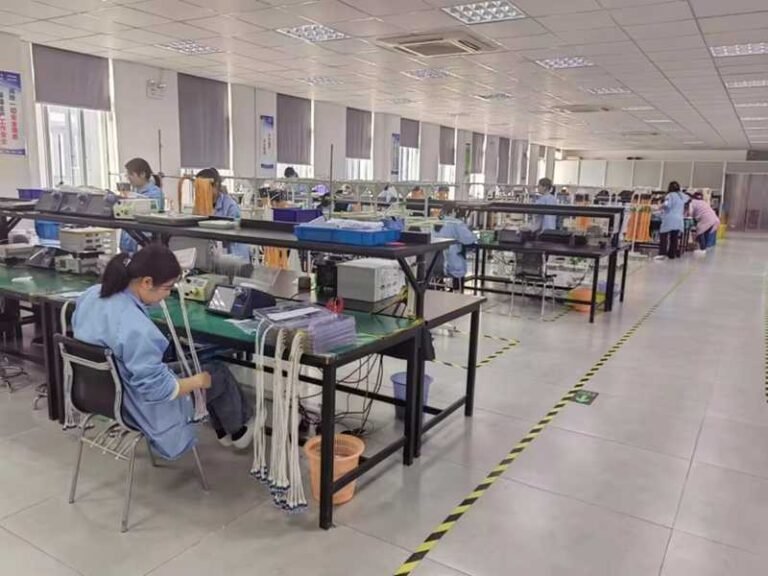
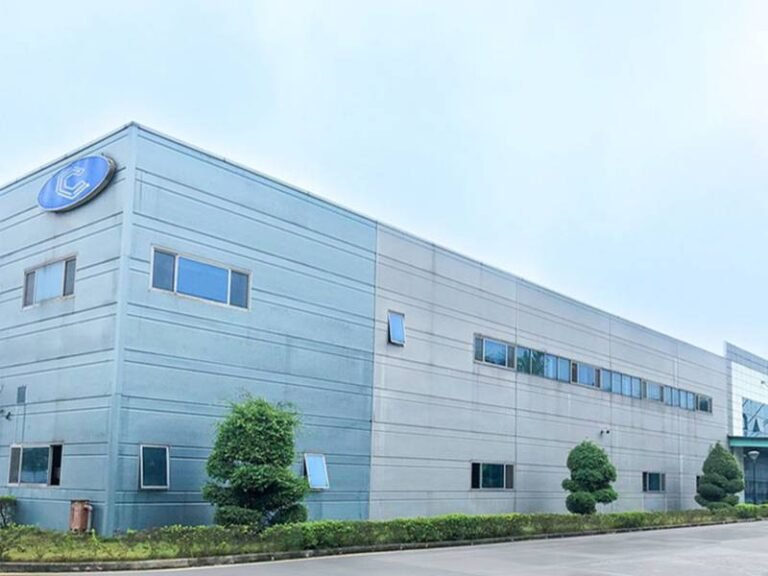
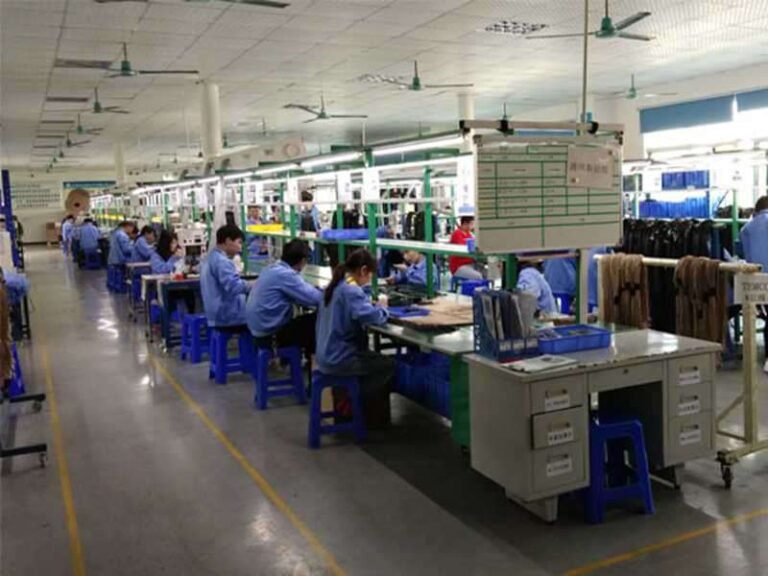
Cleaning robot development frequently changes throughout prototype and validation stages. Battery layouts shift, wheel systems evolve, charging structures move, LiDAR positions change, and internal routing pathways continue adjusting after physical assembly begins. Wire harness suppliers therefore need more than production capability. Engineering communication, miniature processing capability, connector ecosystem support, and recurring manufacturing workflow increasingly influence project success. Since 2007, SINO-CONN has supported custom cable assembly and wire harness projects through integrated engineering, prototyping, and manufacturing capability built around practical development requirements.
Engineering Collaboration Often Starts Before Robot Design Stabilizes
Many cleaning robot projects begin before complete manufacturing documents become available. Engineering teams frequently provide CAD screenshots, installation photos, sketches, existing assemblies, or connector references while wheel structures, battery systems, charging modules, and navigation layouts continue evolving. SINO-CONN regularly supports project discussions beginning from early-stage information rather than waiting for finalized files. Drawing support typically includes CAD-to-PDF workflow and, depending on project complexity, urgent engineering requests may support response activities in as fast as approximately 30 minutes.
Miniature Manufacturing Capability Supports Dense Internal Structures
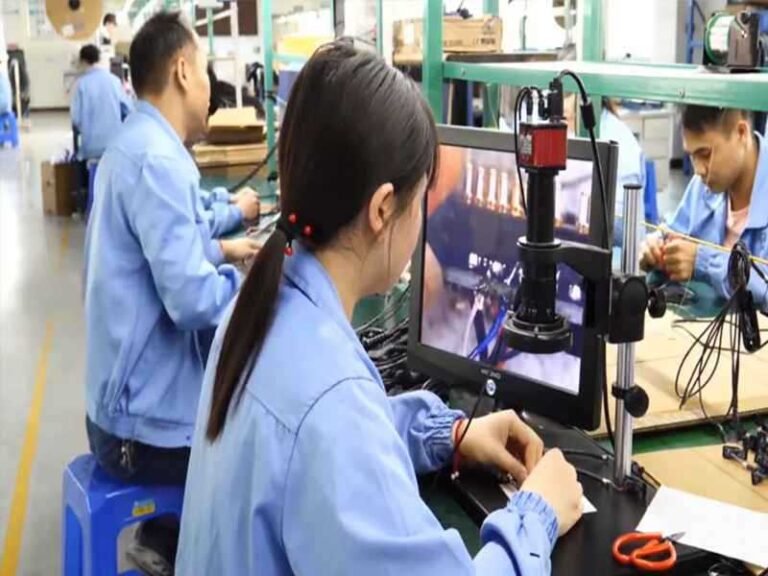
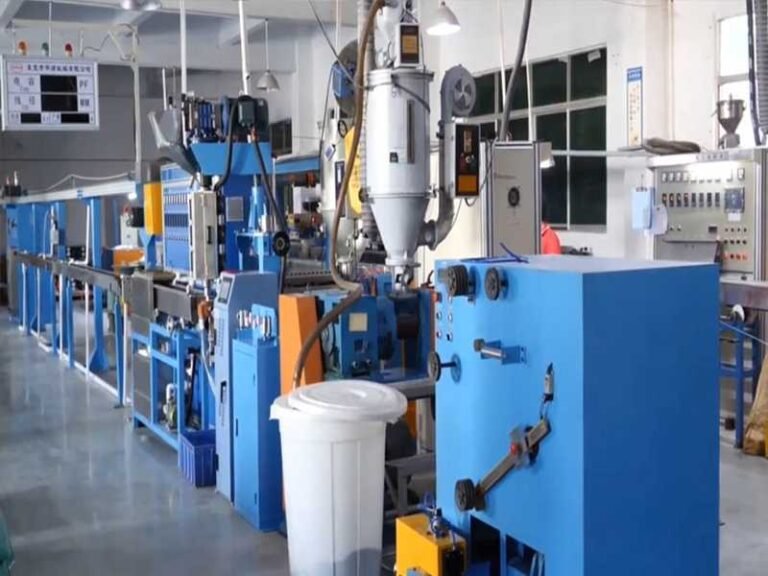
Cleaning robots continue integrating larger batteries, navigation systems, LiDAR hardware, communication electronics, sensors, cameras, and embedded controllers inside increasingly compact structures. Internal cable pathways often become narrow and difficult to access after assembly begins. SINO-CONN supports miniature coax processing capability down to 50AWG and ultra-fine wire processing capability reaching OD 0.01mm. Custom cable lengths ranging from approximately 30 mm to over 10 meters and signal architectures supporting 20–512+ pathways help support both compact electronics and larger multi-system platforms.
Connector Ecosystem Capability Supports Flexible Supply Strategies
Cleaning robot platforms frequently combine different hardware ecosystems requiring mixed connector environments across wheel systems, batteries, navigation hardware, charging modules, sensors, and communication electronics. Connector sourcing frequently influences prototype speed and production continuity. SINO-CONN supports JST, HRS, I-PEX, TE, Molex, Samtec, JAE, Honda, LEMO, Amphenol, waterproof connectors, and custom connector ecosystems. Both original and compatible connector solutions can support different project priorities involving lead time, flexibility, and recurring manufacturing strategy.
One Workflow Supports Prototype Through OEM Manufacturing
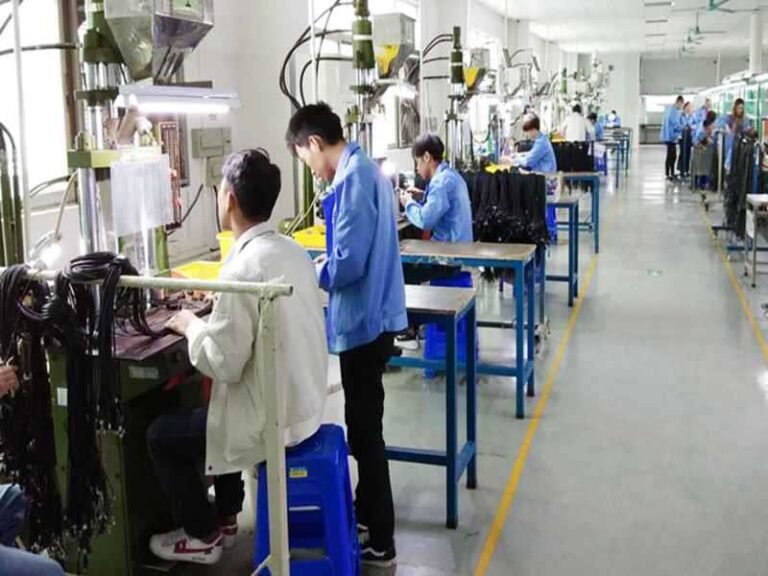
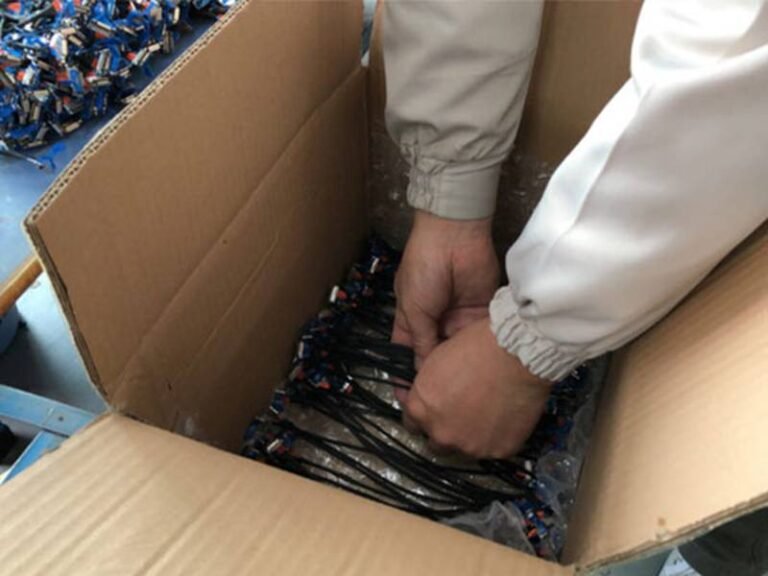
Cleaning robot programs rarely stop after engineering samples. Projects commonly progress through EVT, DVT, pilot builds, and recurring production activities where revision control and delivery continuity become increasingly important. SINO-CONN supports prototype quantities beginning from one piece without MOQ requirements and standard sample workflow commonly starts around two weeks, while urgent projects may support accelerated schedules according to material availability. Engineering teams, sample workshops, manufacturing lines, and inspection workflow operate together helping support long-term project continuity.
Cleaning Robot Wiring Challenges
Cleaning robots operate under conditions very different from conventional electronic equipment and many standard service robot platforms. Internal wiring systems frequently work near wheel structures, water tanks, charging systems, batteries, LiDAR modules, navigation electronics, communication hardware, and continuously moving components. Long operating schedules, repeated docking cycles, compact installation space, and changing hardware architecture often create challenges beyond simple electrical connection requirements. During cleaning robot development, cable architecture increasingly becomes part of overall mechanical and product design strategy. SINO-CONN regularly supports projects where routing structures continue evolving from early engineering samples through recurring production activities.

Moisture Exposure Frequently Requires Waterproof Structure Planning
Cleaning robots commonly operate around wet flooring, liquid containers, water tanks, spray systems, and maintenance environments where moisture exposure becomes part of normal operation rather than an exceptional condition. Internal wiring systems located near these areas frequently require additional consideration around connector placement, routing position, sealing strategy, and environmental protection. During hardware development, waterproof structures often affect connector selection and cable architecture throughout the entire robot platform. SINO-CONN supports waterproof connector ecosystems and custom cable structures according to installation environments and actual operating conditions.
Dynamic Movement Continuously Creates Mechanical Stress Conditions
Unlike stationary electronic systems, cleaning robots continuously travel through warehouses, hospitals, airports, office buildings, and commercial facilities for long periods every day. Wheel systems, docking movement, floor transitions, turning activity, and route changes frequently generate vibration and mechanical movement conditions affecting nearby cable structures. Poor routing design may gradually create cable movement issues, assembly instability, or maintenance challenges. SINO-CONN regularly supports cable routing architecture designed around actual installation geometry and movement environments helping improve long-term structural organization.
Compact Internal Architecture Frequently Creates Installation Pressure
Modern cleaning robot platforms continue integrating larger batteries, navigation hardware, LiDAR systems, embedded processors, communication modules, sensors, and charging structures inside compact body designs. Internal routing pathways frequently become limited as multiple systems compete for the same installation space. Battery areas, wheel structures, and navigation zones may create cable congestion during assembly activities. SINO-CONN supports miniature coax processing down to 50AWG and OD 0.01mm fine wire capability helping support compact environments requiring flexible routing solutions.
Mixed Electronic Systems Frequently Increase Wiring Complexity
Cleaning robots increasingly combine power systems, communication hardware, wheel motors, charging electronics, embedded processors, cameras, LiDAR systems, and sensor networks operating simultaneously throughout one platform. Different electronic systems frequently require different connector standards, shielding requirements, and routing architecture according to installation conditions. Organizing these structures inside compact environments often becomes increasingly difficult as product functionality expands. SINO-CONN supports custom cable architectures ranging from approximately 20 to over 512 signal pathways helping support complex electronics integration.
Continuous Operation Frequently Increases Reliability Requirements
Commercial cleaning robots frequently operate throughout long working schedules involving repeated charging activities, navigation tasks, and movement cycles across large environments. Unlike devices operating only occasionally, cable structures inside these systems remain active during extended periods every day. Connector consistency, routing stability, and manufacturing workflow therefore increasingly influence long-term operation. SINO-CONN supports prototype-to-production workflow with structured inspection processes helping support recurring manufacturing consistency.
Service Accessibility Frequently Becomes Important After Deployment
Cable architecture decisions made during development frequently influence future service workflow long after products enter commercial operation. Battery replacement, sensor maintenance, charging repairs, and module upgrades often require practical connector access and organized branch structures. Cable systems optimized only around initial installation may increase service complexity later. During development activities, routing strategy increasingly becomes part of long-term usability planning helping improve maintenance efficiency and replacement workflow.
Why Cleaning Robot Companies Choose SINO-CONN
Cleaning robot projects frequently move through fast engineering cycles where routing pathways, battery layouts, charging systems, wheel structures, and navigation architecture continue evolving throughout development. A supplier capable only of manufacturing completed drawings may struggle when projects require engineering flexibility, miniature capability, connector ecosystem support, and recurring production continuity. Since 2007, SINO-CONN has supported custom wire harness and cable assembly projects through integrated engineering resources, prototyping capability, supply chain coordination, and manufacturing workflow designed around practical development requirements.

Fast Engineering Response Helps Reduce Development Delays
Cleaning robot development schedules frequently involve repeated hardware changes where wheel systems, charging structures, LiDAR locations, and internal routing pathways continue evolving after assembly testing begins. Engineering teams often need immediate feedback involving connector selection, cable geometry, installation feasibility, and routing organization before hardware revision cycles continue. SINO-CONN supports technical discussions beginning from CAD screenshots, sketches, installation photos, connector references, and existing assemblies rather than requiring complete manufacturing packages. Drawing preparation and quotation workflow can support rapid response according to project complexity, helping engineering teams move more efficiently during critical development stages.
Flexible Prototype Workflow Supports Repeated Hardware Revisions
Cleaning robot hardware frequently changes throughout prototype and validation activities. Battery positions may shift, docking systems may require new routing directions, and connector structures may need adjustment after physical assembly testing begins. Traditional suppliers often prioritize fixed manufacturing workflow while development teams require greater flexibility. SINO-CONN supports prototype quantities beginning from one piece without MOQ requirements, allowing engineering teams to validate multiple hardware revisions before recurring production begins. Standard sample workflow commonly requires approximately two weeks, while urgent projects may support accelerated schedules according to project conditions.
Miniature Processing Capability Supports Compact Robot Architecture
Modern cleaning robots increasingly integrate batteries, wheel systems, navigation hardware, embedded processors, communication electronics, sensors, and charging structures within compact installation environments. Internal routing space frequently becomes limited as electronics density increases throughout product generations. SINO-CONN supports miniature coax processing capability down to 50AWG and OD 0.01mm ultra-fine wire processing helping support compact electronics architecture. Cable assemblies ranging from approximately 30 mm to over 10 meters and signal structures supporting 20–512+ pathways help support both compact embedded systems and larger distributed robot platforms.
Integrated Supply Resources Support Long-Term Manufacturing Stability
Cleaning robot platforms frequently require multiple connector ecosystems, shielding structures, wire types, terminals, overmolding capability, and material combinations throughout one project. Supply continuity increasingly becomes important as products transition toward recurring manufacturing. SINO-CONN maintains long-term cooperation with wire and cable factories, connector manufacturers, terminal suppliers, overmolding facilities, shielding partners, and insulation material providers helping support faster sourcing flexibility and stable recurring production workflow. This coordinated supply structure helps support both engineering sample projects and larger OEM manufacturing programs.
Cleaning Robot Wire Harness Types
Cleaning robots integrate multiple electrical systems operating simultaneously across compact and continuously moving platforms. Batteries, LiDAR modules, navigation hardware, wheel motors, communication systems, charging structures, embedded processors, and sensors often require different cable structures according to installation location and electrical requirements. Different harness architectures not only support electrical connectivity but also influence installation efficiency, routing organization, maintenance accessibility, and long-term manufacturing stability. SINO-CONN supports custom wire harness solutions ranging from 30 mm to over 10 meters and 20–512+ signal pathways according to actual cleaning robot architecture requirements.
| Harness Type | Main Function | Typical Installation Area |
|---|---|---|
| Battery Harness | Power distribution | Battery systems |
| LiDAR Cable Assembly | Navigation signal transmission | Upper module area |
| Camera Cable Assembly | Vision systems | Front and sensor area |
| Wheel Motor Harness | Motion control | Lower chassis |
| Charging Harness | Docking systems | Charging module |
| Multi-Branch Main Harness | System integration | Internal architecture |

Battery Harness Assemblies Support Core Power Distribution
Battery systems frequently become the central power source supporting wheel motors, navigation modules, embedded processors, communication systems, charging platforms, and distributed electronics throughout cleaning robot architecture. Power routing often passes through compact structures where battery placement and installation geometry continue evolving throughout validation stages.
Typical characteristics:
- High-current power transmission structures
- Battery to controller routing
- Flexible cable length customization
- Power and signal mixed architecture
- Connector integration for compact layouts
Typical applications:
- Commercial floor cleaning robots
- Autonomous cleaning platforms
- Industrial cleaning AMRs
- Hotel cleaning robots

LiDAR Cable Assemblies Support Navigation Systems
Autonomous cleaning robots rely heavily on LiDAR systems for positioning, mapping, navigation, and obstacle detection. LiDAR modules often occupy elevated or centralized locations where cable routing space becomes limited and installation flexibility becomes increasingly important.
Typical characteristics:
- Compact routing structures
- High-density signal architecture
- Miniature cable requirements
- Lightweight cable organization
- Mixed connector environments
Typical applications:
- Mapping systems
- Navigation platforms
- Autonomous mobility systems
- Warehouse cleaning robots

Camera Cable Assemblies Support Visual Processing Systems
Cleaning robots increasingly integrate cameras supporting environmental recognition, AI processing, navigation assistance, and operational awareness. Camera modules frequently require compact routing structures within narrow installation pathways and high-density electronics environments.
Typical characteristics:
- Miniature coax structures
- Compact connector ecosystems
- High-density signal transmission
- Flexible routing geometry
- Space-saving architecture
Typical applications:
- AI vision systems
- Obstacle recognition systems
- Navigation assistance modules
- Smart cleaning robots

Wheel Motor Harnesses Operate Under Continuous Dynamic Conditions
Wheel motors continuously operate during navigation activities across hospitals, shopping centers, airports, warehouses, and office environments. Cable structures around moving platforms frequently operate under vibration and repeated movement conditions requiring organized installation architecture.
Typical characteristics:
- Dynamic routing structures
- Vibration-oriented organization
- Flexible branch architecture
- Compact lower chassis layouts
- Stable connector positioning
Typical applications:
- Wheel drive systems
- Chassis modules
- Mobility platforms
- Commercial cleaning robots

Charging Harness Systems Support Automatic Docking Activities
Cleaning robots frequently perform recurring charging activities throughout daily operation schedules. Charging structures often combine power systems, docking modules, connectors, and movement conditions within compact installation environments.
Typical characteristics:
- Repeated docking support
- Flexible movement structures
- Power transmission pathways
- Compact connector layouts
- Service accessibility design
Typical applications:
- Charging stations
- Docking systems
- Autonomous return platforms
- Smart cleaning robots

Multi-Branch Main Harnesses Support Distributed Electronic Systems
Modern cleaning robots increasingly distribute batteries, sensors, controllers, communication hardware, navigation systems, and embedded electronics throughout multiple hardware zones. Main harness architecture frequently acts as the central electrical structure organizing distributed systems into one coordinated platform.
Typical characteristics:
- Multi-zone routing organization
- Distributed signal architecture
- Branch structure customization
- Support 20–512+ signal paths
- Mixed connector ecosystems
Typical applications:
- Large cleaning platforms
- Multi-system robots
- Autonomous industrial cleaners
- Integrated robotic systems
Cleaning Robot Internal Wiring Architecture
Cleaning robots integrate batteries, wheel motors, LiDAR systems, communication modules, charging structures, cameras, navigation hardware, sensors, and embedded controllers inside highly compact environments. Internal architecture directly affects routing efficiency, assembly workflow, service accessibility, and long-term manufacturing consistency. During development, hardware layout frequently changes across prototype, EVT, DVT, and pilot stages. Internal wiring therefore becomes part of overall mechanical design rather than only electrical connection planning. SINO-CONN regularly supports projects involving compact routing structures, miniature cable systems, and distributed electronic architecture throughout cleaning robot development.

| Robot Zone | Main Systems | Wiring Priority |
|---|---|---|
| LiDAR Zone | Navigation systems | Compact signal routing |
| Battery Area | Power systems | Distribution architecture |
| Controller Area | Embedded electronics | High-density organization |
| Chassis Platform | Wheel modules | Dynamic movement routing |
| Charging Area | Docking structures | Flexible pathways |
| Service Access Zone | Maintenance systems | Connector accessibility |
LiDAR Zones Frequently Require Compact Signal Architecture
LiDAR modules frequently occupy elevated positions or central locations supporting navigation and obstacle detection systems. Surrounding areas may also integrate cameras, communication hardware, and sensor systems where installation space remains limited.
Typical characteristics:
- Compact cable pathways
- High-density signal structures
- Miniature connector environments
- Mixed sensor integration
- Limited installation space
Typical applications:
- Navigation systems
- Mapping platforms
- Autonomous positioning systems
- Obstacle detection modules
Battery Areas Frequently Become Power Distribution Centers
Battery systems often supply wheel motors, embedded controllers, communication hardware, charging structures, and navigation systems simultaneously. Internal power architecture frequently combines large current pathways with signal structures within restricted installation environments.
Typical characteristics:
- High-current cable organization
- Battery-to-controller routing
- Compact power distribution
- Mixed signal architecture
- Flexible cable structures
Typical applications:
- Commercial cleaning robots
- Floor scrubber platforms
- Autonomous cleaning systems
- Industrial AMR platforms
Controller Areas Frequently Become High-Density Electronic Zones
Embedded processors, AI modules, communication boards, navigation systems, and sensor platforms frequently concentrate around central controller structures. As hardware complexity increases throughout future product generations, connector density and signal requirements continue growing.
Typical characteristics:
- Dense signal integration
- Compact branch architecture
- Multi-connector ecosystems
- Support 20–512+ signal paths
- Distributed electronic structures
Typical applications:
- Embedded controller systems
- Communication platforms
- Sensor processing units
- AI hardware systems
Chassis Structures Frequently Operate Under Dynamic Movement Conditions
Lower chassis areas often contain wheel systems, drive motors, sensors, and movement platforms operating continuously throughout daily activities. Cable structures located near wheel modules frequently operate under vibration and repeated movement conditions.
Typical characteristics:
- Dynamic cable routing
- Vibration-oriented organization
- Flexible movement pathways
- Lower platform integration
- Stable retention structures
Typical applications:
- Wheel drive systems
- Mobility platforms
- Motion control systems
- Autonomous navigation systems
Charging Areas Frequently Experience Repeated Docking Activities
Automatic charging systems continuously perform recurring docking and charging operations throughout robot life cycles. Internal cable structures around charging hardware frequently experience movement and connector activity during repeated operation.
Typical characteristics:
- Flexible docking pathways
- Repeated movement support
- Power transmission structures
- Compact connector integration
- Service-friendly architecture
Typical applications:
- Docking stations
- Charging systems
- Autonomous charging platforms
- Return-to-base systems
Service Access Zones Influence Long-Term Maintenance Workflow
Cleaning robots frequently require battery replacement, sensor upgrades, charging module maintenance, and hardware servicing after deployment. Internal architecture designed only around assembly efficiency may increase future maintenance complexity.
Typical characteristics:
- Accessible connector placement
- Organized branch structures
- Modular cable architecture
- Simplified service workflow
- Maintenance-oriented routing strategy
Typical applications:
- Field service environments
- Battery replacement activities
- Sensor maintenance workflow
- Hardware upgrade programs
Dynamic Motion & Vibration Strategy
Cleaning robots operate in environments where movement never fully stops. Unlike fixed electronics or stationary industrial equipment, cleaning platforms continuously perform turning activities, wheel movement, docking cycles, route changes, obstacle avoidance, and repeated daily operation across commercial environments. Cable structures therefore operate under long-term movement conditions where routing organization becomes increasingly important. Dynamic cable architecture influences installation stability, maintenance workflow, service access, and recurring manufacturing consistency. SINO-CONN regularly supports cleaning robot projects where routing structures evolve according to movement behavior, wheel geometry, docking architecture, and hardware layout requirements.

| Dynamic Area | Typical Movement | Wiring Focus |
|---|---|---|
| Wheel Platforms | Continuous vibration | Stable routing |
| Docking Systems | Repeated movement | Flexible pathways |
| Lower Chassis | Dynamic operation | Retention organization |
| Battery Structures | Maintenance activity | Accessible routing |
| Modular Systems | Future upgrades | Structural flexibility |
Wheel Platforms Frequently Operate Under Long-Term Vibration Conditions
Commercial cleaning robots frequently operate throughout hospitals, airports, office buildings, shopping centers, and warehouses where movement continues for long operating periods each day. Floor transitions, turning activities, speed changes, and uneven surfaces continuously create vibration conditions around wheel structures and surrounding cable pathways. Cable architecture positioned near drive systems frequently requires stable organization helping improve routing consistency and long-term structural stability. SINO-CONN regularly supports projects involving wheel-area routing strategy according to actual installation geometry and movement environments.
Docking Systems Frequently Create Repeated Mechanical Activity
Automatic charging platforms repeatedly guide robots into charging structures multiple times during normal operation schedules. Charging contacts, docking hardware, and associated cable systems frequently experience recurring movement activity throughout the robot lifecycle. Connector placement, pathway flexibility, and routing organization therefore become increasingly important as charging frequency increases. During development activities, SINO-CONN regularly supports cable routing optimization around docking structures where hardware architecture frequently continues changing through validation stages.
Lower Chassis Structures Frequently Experience Dynamic Routing Conditions
Lower platform environments frequently combine wheel systems, movement hardware, embedded electronics, navigation sensors, and distributed wiring systems operating simultaneously within compact areas. Cable structures routed around these areas frequently experience movement influence generated by turning activity, wheel operation, and route changes throughout daily operation. Internal architecture therefore often requires routing organization designed around actual hardware layout and mechanical movement conditions helping support long-term operation.
Battery Structures Frequently Require Movement And Service Accessibility Considerations
Battery systems frequently become one of the largest modules inside cleaning robot platforms and often require inspection, replacement, or future hardware revisions during product life cycles. Routing structures surrounding battery environments therefore frequently balance installation efficiency and future accessibility. Cable pathways designed only around assembly convenience may increase maintenance complexity later. SINO-CONN regularly supports organized routing architecture helping simplify future service workflow and repeated hardware access activities.
Modular Robot Architecture Frequently Influences Future Upgrade Strategy
Cleaning robot platforms frequently continue evolving after deployment through sensor additions, navigation upgrades, communication improvements, and recurring hardware revisions. Internal routing structures therefore benefit from flexibility supporting future module replacement and system expansion activities. Connector accessibility, branch organization, and routing geometry increasingly influence future engineering efficiency. SINO-CONN supports custom cable architecture from one-piece prototype stages through recurring OEM manufacturing helping support long-term platform development continuity.
Waterproof & Compact Cable Technologies
Cleaning robots frequently operate in environments combining moisture exposure, compact mechanical structures, movement conditions, navigation systems, and dense electronic integration. Unlike conventional electronic equipment, cleaning platforms often work around water tanks, spray systems, cleaning solutions, docking structures, wheel modules, and embedded electronics operating simultaneously inside highly restricted installation environments. Cable architecture therefore increasingly depends on both environmental protection capability and compact routing efficiency. SINO-CONN supports custom cable structures integrating miniature processing capability, waterproof connector ecosystems, fine wire technology, and compact routing architecture for cleaning robot development and recurring production environments.

Waterproof Connector Systems Support Wet Operating Environments
Cleaning robots frequently operate near liquid containers, cleaning solution systems, wet floor areas, spray structures, and maintenance environments where moisture exposure becomes part of daily operation. Internal cable architecture near these environments often requires more than standard connector selection because installation location and surrounding hardware conditions frequently influence long-term reliability. Waterproof interfaces increasingly affect charging structures, lower platform architecture, and exposed hardware zones where movement and environmental conditions coexist. SINO-CONN supports waterproof connector ecosystems and custom integration solutions according to actual installation structures, hardware layout, and operating environments helping support more organized cable architecture throughout cleaning robot platforms.
Miniature Coax Capability Supports Compact Navigation And Vision Systems
Modern cleaning robots increasingly integrate cameras, LiDAR modules, visual processing systems, embedded sensors, and AI navigation hardware operating within narrow installation environments. Navigation systems frequently occupy upper structures and compact modules where available routing space becomes increasingly restricted as electronics density grows. Large cable structures may create assembly complexity and reduce installation flexibility during later hardware revisions. SINO-CONN supports miniature coax processing capability down to 50AWG helping support compact signal architecture and dense electronic environments requiring routing flexibility and miniature cable structures.
Fine Wire Processing Supports High-Density Internal Electronics
As cleaning robot platforms continue integrating more sensors, communication hardware, processors, and embedded systems, internal architecture increasingly becomes constrained by available installation space. Fine wire technology frequently helps support specialized routing environments where conventional cable structures become difficult to organize. Compact electronic systems often require smaller cable dimensions helping improve installation efficiency and future service accessibility. SINO-CONN supports ultra-fine wire processing capability reaching OD 0.01mm, helping support projects involving miniature routing environments and specialized compact architecture requirements.
Compact Connector Architecture Improves Internal Space Utilization
Cleaning robot platforms frequently combine battery systems, navigation hardware, wheel electronics, communication modules, embedded processors, sensors, and charging structures throughout one machine. Internal routing environments therefore become increasingly crowded as hardware density expands through future product generations. Larger connector systems may occupy valuable installation areas and increase assembly complexity. SINO-CONN supports connector ecosystems including JST, HRS, I-PEX, Molex, TE, Samtec, JAE, waterproof connectors, and custom interface solutions helping improve routing flexibility and internal organization across compact cleaning robot platforms.
Cleaning Robot Connector Ecosystem
Cleaning robots rarely rely on a single connector standard throughout an entire platform. Internal architecture frequently combines LiDAR systems, cameras, wheel motors, charging modules, batteries, communication electronics, navigation hardware, embedded controllers, sensors, and distributed electronics operating simultaneously inside compact structures. Different hardware systems often require different connector standards according to signal type, movement conditions, installation space, environmental exposure, and maintenance requirements. Connector selection therefore influences much more than electrical connectivity. It frequently affects routing flexibility, prototype speed, sourcing continuity, installation workflow, and long-term manufacturing efficiency. SINO-CONN regularly supports cleaning robot projects where connector architecture continues evolving throughout engineering validation and recurring production stages.

| Connector Category | Typical Usage | Common Ecosystems |
|---|---|---|
| Miniature Signal Connectors | Sensors & compact electronics | JST / HRS |
| Compact Board Interfaces | Embedded controllers | I-PEX / Molex |
| High-Speed Signal Systems | Cameras & LiDAR | Samtec / Coax |
| Battery & Power Connectors | Power systems | TE / Amphenol |
| Waterproof Interfaces | Wet operating zones | IP-rated connectors |
| Mixed Architecture Systems | Distributed electronics | Custom ecosystems |
Cleaning Robot Platforms Frequently Combine Multiple Connector Standards
A commercial cleaning robot may simultaneously integrate navigation systems, LiDAR modules, battery structures, embedded controllers, wheel motors, communication systems, charging hardware, obstacle detection electronics, and distributed sensor architecture throughout one platform. Different installation environments frequently require different connector structures because routing conditions and hardware requirements vary significantly across internal zones. Compact signal systems may require miniature interfaces while battery architecture and charging systems often require different connection strategies. SINO-CONN supports JST, HRS, I-PEX, Molex, TE, JAE, Samtec, Honda, LEMO, Amphenol, waterproof connector ecosystems, and project-specific interface combinations helping support compact and mixed-system robot environments.
Original And Compatible Connector Solutions Support Different Development Strategies
Cleaning robot development stages frequently operate under different sourcing priorities. Engineering teams validating early hardware structures often prioritize speed and flexibility while recurring manufacturing programs may focus more heavily on supply continuity and long-term planning. Original branded connectors frequently involve longer procurement cycles and higher cost structures, while compatible alternatives may support accelerated sample development and smaller quantity flexibility. SINO-CONN supports both original and compatible connector solutions according to project requirements helping engineering teams, OEM manufacturers, and purchasing departments balance lead time, sourcing strategy, availability, and recurring manufacturing objectives.
Connector Selection Frequently Influences Installation Workflow And Future Service Efficiency
Connector selection decisions frequently influence routing geometry, branch structure organization, installation sequence, maintenance accessibility, and future hardware revisions long before production activities begin. Cleaning robot platforms often continue evolving after prototype assembly starts, requiring repeated modifications involving cable exits, connector positioning, and installation pathways. Many projects initially begin from connector part numbers, installation photos, or existing assemblies rather than complete production packages. SINO-CONN regularly supports engineering communication beginning from connector references and installation concepts helping convert early-stage project requirements into practical wire harness architecture for prototype activities and recurring OEM manufacturing.
Cleaning Robot Wire Harness Manufacturing Process
Cleaning robot wire harness manufacturing involves much more than cable cutting and terminal assembly. Internal robot structures frequently combine batteries, wheel systems, LiDAR hardware, charging modules, communication electronics, cameras, embedded processors, waterproof environments, and compact routing pathways inside continuously moving platforms. Production workflow therefore increasingly depends on engineering communication, material integration capability, miniature processing technology, inspection procedures, and recurring manufacturing consistency. SINO-CONN has supported custom wire harness projects through coordinated engineering teams, sample workshops, production lines, and long-term material ecosystems helping support projects from prototype validation through OEM manufacturing.

Requirement Review Frequently Begins Before Complete Manufacturing Files Exist
Cleaning robot development frequently starts before hardware architecture stabilizes. Engineering teams commonly provide installation photos, CAD screenshots, connector references, sketches, or prototype hardware rather than finalized production drawings. Battery positions, charging pathways, wheel structures, and navigation hardware frequently continue changing throughout validation activities. Early engineering communication therefore becomes important because cable architecture frequently evolves together with robot structure. SINO-CONN regularly supports project review activities beginning from preliminary engineering information helping evaluate routing feasibility, connector strategy, cable geometry, and practical manufacturing requirements before production activities begin.
Drawing Confirmation Supports Manufacturing Consistency And Revision Control
Cleaning robot wire harnesses often involve multi-branch structures, connector combinations, mixed signal environments, miniature pathways, and installation-specific geometry requiring accurate documentation before manufacturing starts. Drawings frequently become the bridge connecting engineering concepts and production execution. SINO-CONN supports CAD-to-PDF workflow and all production activities proceed after customer confirmation. Standard drawing preparation commonly requires several working days while urgent projects may support accelerated engineering response according to available information and project complexity. Drawing verification also helps support future recurring production and revision tracking throughout product life cycles.
Material Coordination Supports Complex Cleaning Robot Architecture
Modern cleaning robots frequently integrate different connector systems, shielding materials, miniature cable structures, terminals, overmolding requirements, insulation systems, and mixed wire environments throughout one machine. Material sourcing therefore becomes increasingly important as project complexity grows. SINO-CONN maintains long-term cooperation with wire manufacturers, connector suppliers, terminal factories, shielding material providers, overmolding facilities, and insulation partners helping support faster sourcing flexibility and recurring manufacturing continuity throughout prototype and OEM stages.
Wire Processing Supports Stable Routing Architecture
Wire processing directly influences dimensional consistency and installation repeatability throughout robot assembly activities. Different cleaning robot projects frequently require electronic wire, signal wire, miniature coaxial cable, shielded structures, and mixed cable architecture according to installation requirements. Cable lengths may range from approximately 30 mm to over 10 meters according to actual application environments. SINO-CONN supports custom processing capability helping match routing pathways, installation geometry, and project-specific electrical requirements throughout robot architecture.
Harness Assembly Frequently Supports Distributed Electronic Systems
Cleaning robot platforms increasingly distribute electronics across batteries, wheel systems, charging modules, navigation hardware, communication systems, sensors, cameras, and embedded control architecture throughout different hardware zones. Harness assembly therefore frequently involves branch structures, connector organization, routing strategy, labeling workflow, and installation-oriented cable architecture. Production workflow increasingly supports mixed-signal systems and compact structures according to actual robot layout requirements.
Miniature Manufacturing Supports Compact Installation Environments
Compact cleaning robots frequently require specialized processing capability where traditional cable manufacturing methods become difficult to apply. Navigation systems, camera structures, communication modules, and embedded hardware often occupy highly restricted installation environments requiring miniature routing pathways. SINO-CONN supports miniature coax processing capability down to 50AWG and ultra-fine wire processing reaching OD 0.01mm helping support compact electronics environments requiring high-density architecture and precision handling capability.
Inspection And Testing Support Recurring Manufacturing Quality
Cleaning robot cable assemblies frequently combine vibration environments, movement structures, charging activities, waterproof architecture, and dense signal environments requiring structured verification workflow throughout manufacturing. Inspection activities frequently occur during production rather than only after completion. SINO-CONN follows structured inspection workflow involving process inspection, completed assembly inspection, and pre-shipment verification helping support manufacturing consistency and recurring production stability across engineering samples and OEM programs.
Delivery Preparation Supports Global Project Coordination
Cleaning robot projects frequently involve engineering teams, sourcing departments, and manufacturing activities operating across different countries and regions. Shipment workflow therefore increasingly becomes part of project execution rather than only transportation activity. Packaging preparation, labeling systems, export documentation, and logistics coordination frequently influence project schedules. SINO-CONN supports global delivery workflow including export documentation and international shipment preparation helping support both engineering prototypes and recurring manufacturing activities.
Quality Control & Functional Testing
Cleaning robots operate in environments where cable assemblies continuously support wheel movement, docking cycles, navigation systems, battery platforms, charging structures, communication hardware, and compact electronic architecture. Unlike static electronic products, cleaning robot wiring systems frequently operate under vibration, repeated movement, moisture exposure, and long operating schedules. Cable quality therefore directly affects installation reliability, field performance, maintenance efficiency, and long-term product stability. Since 2007, SINO-CONN has implemented structured inspection workflow combining process control, functional verification, and pre-shipment validation helping support both engineering prototypes and recurring OEM manufacturing programs.


Process Inspection Begins During Manufacturing Rather Than After Production Completion
Many cable quality issues originate during processing stages rather than after assembly completion. Cleaning robot wire harnesses frequently involve multi-branch structures, miniature routing pathways, mixed connector environments, power systems, signal systems, and compact installation architecture requiring ongoing process monitoring throughout production activities. SINO-CONN applies inspection workflow during manufacturing including dimensional review, connector orientation verification, cable routing confirmation, terminal inspection, branch structure verification, labeling consistency checks, and process validation activities helping reduce variation throughout production workflow. Process inspection supports manufacturing consistency before products proceed toward later production stages.
Functional Testing Supports Electrical And System-Level Verification
Cleaning robots frequently integrate LiDAR systems, wheel motors, navigation hardware, charging electronics, communication platforms, cameras, batteries, and embedded processors operating simultaneously within one architecture. Electrical verification therefore frequently extends beyond basic continuity testing because signal integrity and connection consistency influence overall system behavior. SINO-CONN supports functional verification including continuity inspection, open-circuit detection, short-circuit verification, connector confirmation, pin-definition validation, signal pathway inspection, and project-specific electrical testing according to customer requirements. Functional testing helps verify harness performance before products move into installation environments and recurring production activities.
Final Verification Supports Long-Term Production Consistency And Shipment Quality
Cleaning robot projects frequently move from engineering samples toward pilot production and recurring manufacturing programs where stable quality expectations become increasingly important. SINO-CONN follows a structured three-stage inspection philosophy involving process inspection, completed product inspection, and pre-shipment verification helping support recurring quality consistency. Final verification activities frequently include appearance review, dimensional confirmation, connector inspection, quantity validation, documentation checks, and packaging confirmation before shipment preparation begins. This workflow supports engineering teams, OEM manufacturers, and procurement departments seeking stable production quality throughout long-term cleaning robot programs.
Certifications & Compliance
Cleaning robot projects frequently involve engineering departments, OEM manufacturers, purchasing teams, and global supply chain partners where supplier qualification becomes part of the sourcing process. Beyond cable manufacturing capability, many projects require documented quality systems, environmental compliance support, manufacturing standards, and export documentation before supplier approval begins. Certification capability increasingly influences prototype approval, recurring manufacturing qualification, and long-term supply continuity. Since 2007, SINO-CONN has maintained structured quality systems and compliance workflow supporting engineering samples, industrial projects, and recurring OEM manufacturing programs across multiple industries.
| Compliance Area | Standard Support | Application Value |
|---|---|---|
| Quality Systems | ISO 9001 / ISO 14001 | Manufacturing consistency |
| Production Standards | IPC-620 / UL / QBFA | Assembly reliability |
| Environmental Compliance | ROHS / REACH / PFAS | Global market support |
| Medical Capability | ISO 13485 / ISO 10993 | Specialized environments |
| Trade Documentation | COO / COC | International delivery |
Quality Systems Support Stable Manufacturing And Supplier Qualification
Cleaning robot manufacturing frequently requires suppliers capable of supporting repeatable production activities and structured process management. As projects move from prototype validation toward pilot and recurring production stages, manufacturing consistency increasingly becomes part of supplier evaluation criteria. SINO-CONN supports quality systems including ISO 9001 and ISO 14001 helping maintain organized production workflow across engineering support, material coordination, assembly activities, inspection procedures, and recurring manufacturing programs. Structured systems help support engineering teams and OEM customers seeking long-term production continuity and supplier reliability.
Manufacturing Standards Support Product Reliability And Process Control
Cleaning robot wire harnesses frequently combine miniature routing environments, mixed connector ecosystems, battery structures, navigation systems, LiDAR hardware, and compact electronic architecture where assembly quality directly affects product performance. Production standards increasingly influence inspection methods and manufacturing execution throughout recurring programs. SINO-CONN supports manufacturing standards and qualification systems including IPC-620, UL, and QBFA helping support structured production environments and cable assembly practices. These standards help support projects requiring stable manufacturing processes across engineering samples and larger recurring production activities.
Environmental And Export Compliance Support Global Robot Programs
Cleaning robot projects frequently involve international engineering teams and global deployment activities where compliance documentation becomes necessary throughout procurement and delivery processes. Environmental regulations and material transparency requirements increasingly affect sourcing activities across Europe, North America, and global markets. SINO-CONN supports ROHS, REACH, PFAS, COC, and COO documentation helping support international project coordination and shipment requirements. Additional certifications including ISO 13485 and ISO 10993 also support specialized applications where expanded documentation capability may become part of project qualification activities.




Global Logistics & Delivery Support
Cleaning robot development frequently involves engineering teams, OEM manufacturers, sourcing departments, and assembly facilities operating across different countries and time zones. Delays in prototypes, pilot builds, or recurring shipments can directly affect hardware validation schedules and product launch timelines. Delivery workflow therefore becomes part of overall project execution rather than only transportation activities. Since 2007, SINO-CONN has supported global custom wire harness projects through coordinated production scheduling, export preparation, shipment planning, and delivery support helping customers maintain continuity from engineering samples through recurring manufacturing programs.

Flexible Shipping Methods Support Different Project Priorities
Cleaning robot projects frequently move through different development stages where logistics priorities continue changing. Engineering samples often prioritize speed while pilot builds and recurring manufacturing programs commonly focus more heavily on transportation efficiency and supply planning. Small sample projects may require express shipment while recurring production may involve consolidated international delivery schedules. SINO-CONN supports global shipment methods including DHL, UPS, FedEx, air freight, sea freight, and project-specific logistics arrangements according to quantity requirements, urgency levels, and customer delivery strategy helping support both prototype and recurring manufacturing activities.
Lead Time Flexibility Supports Fast-Moving Development Programs
Cleaning robot engineering schedules frequently continue evolving as battery architecture, navigation systems, wheel structures, and charging platforms change throughout prototype and validation activities. Delays during sample stages may influence testing schedules and future hardware revisions. SINO-CONN supports standard sample workflow commonly requiring approximately two weeks and recurring manufacturing schedules generally ranging around three to four weeks. Depending on material availability and project conditions, urgent development activities may support accelerated sample workflow within approximately two to three days and expedited production schedules helping engineering teams maintain development momentum.
Export Documentation And Delivery Coordination Support Global Projects
International cleaning robot programs frequently involve engineering teams, purchasing departments, contract manufacturers, and assembly facilities distributed across different regions. Shipment preparation therefore often includes more than packaging activities because documentation requirements and coordination processes increasingly influence delivery continuity. SINO-CONN supports export workflow including commercial invoices, packing documentation, COO, COC, compliance records, shipment labeling, and international coordination activities helping simplify project execution throughout engineering prototypes, pilot production, and recurring OEM manufacturing programs.
Prototype To Production Transition
Cleaning robot projects rarely move directly from concept drawings to stable mass production. Internal architecture frequently changes throughout hardware validation stages as battery systems move, wheel structures evolve, charging modules are repositioned, and navigation hardware continues improving after physical testing begins. Development activities often involve repeated engineering discussions, routing updates, installation revisions, and connector adjustments before product structures stabilize. Transition capability therefore increasingly depends on engineering flexibility, manufacturing continuity, revision control, and supply chain coordination. Since 2007, SINO-CONN has supported custom wire harness projects from early engineering concepts through recurring OEM manufacturing using coordinated engineering teams, sample workshops, production lines, and long-term supply resources.

Prototype Projects Frequently Begin Before Hardware Architecture Stabilizes
Early cleaning robot projects commonly begin from connector references, installation photos, CAD screenshots, hand sketches, or existing sample assemblies rather than complete production packages. During initial development activities, battery systems, wheel structures, charging pathways, LiDAR positions, and internal layouts frequently continue changing as testing progresses. Traditional production-oriented suppliers may struggle supporting flexible development activities during these stages. SINO-CONN regularly supports projects beginning from incomplete information helping engineering teams evaluate manufacturability, routing feasibility, connector strategies, and practical installation structures before hardware architecture becomes finalized.
EVT Activities Frequently Reveal Unexpected Routing Challenges
Engineering Verification Test stages frequently identify real-world installation issues not fully visible during CAD design activities. Wheel movement may influence routing pathways, battery structures may create space limitations, and connector orientation may affect assembly efficiency during physical validation. Cable branch locations and pathway geometry often require repeated adjustment before structures become stable. SINO-CONN supports repeated engineering revisions and drawing updates helping development teams improve installation architecture and reduce redesign delays throughout validation activities.
DVT Stages Frequently Shift Focus Toward Structural Optimization
Once electrical functionality becomes stable, project priorities frequently shift toward installation efficiency, service accessibility, assembly workflow, and manufacturing practicality. Cleaning robot platforms increasingly combine larger batteries, navigation electronics, wheel systems, communication hardware, and charging architecture inside compact environments where cable organization directly affects assembly complexity. SINO-CONN supports optimized branch structures, connector positioning strategies, and routing architecture helping improve practical installation workflow before pilot activities begin.
Pilot Production Helps Verify Manufacturing Readiness
Pilot production frequently acts as a bridge between engineering validation and recurring manufacturing programs. Small production quantities help evaluate material coordination, assembly repeatability, connector sourcing continuity, cable labeling systems, and installation efficiency before larger manufacturing schedules begin. Pilot stages frequently reveal workflow improvements difficult to identify during prototype activities. SINO-CONN supports coordinated sample workshops and manufacturing teams helping projects transition toward recurring production with greater process consistency.
Mass Production Requires Stability Beyond Engineering Success
Successful prototype validation alone does not guarantee stable recurring manufacturing performance. As cleaning robot projects enter larger commercial deployment stages, manufacturing priorities frequently shift toward lead-time stability, supply continuity, recurring quality performance, and long-term production planning. SINO-CONN maintains long-term cooperation with wire suppliers, connector manufacturers, terminal factories, shielding material providers, and overmolding partners helping support manufacturing continuity throughout recurring OEM programs.
Long-Term Lifecycle Support Continues After Product Launch
Cleaning robot platforms frequently continue evolving after commercial release through navigation upgrades, sensor additions, charging improvements, communication updates, and future hardware revisions. Wire harness architecture often requires updates throughout product life cycles as new systems become integrated. Revision tracking, drawing management, engineering communication, and recurring support therefore remain important beyond initial production activities. SINO-CONN supports long-term project continuity helping customers maintain engineering consistency from one-piece samples through future product generations.
Cleaning Robot Application Scenarios
Cleaning robots continue expanding across commercial, healthcare, logistics, hospitality, and industrial environments where operating conditions and internal hardware requirements vary significantly. Different applications frequently require different battery structures, navigation systems, communication hardware, sensor architectures, charging methods, and movement strategies. Internal wire harness design therefore changes according to runtime requirements, installation space, environmental conditions, and maintenance workflow. Since 2007, SINO-CONN has supported custom wire harness and cable assembly projects across robotics, automation, medical equipment, and intelligent mobility industries, helping engineering teams develop practical cable architectures from prototype stages through recurring manufacturing.

Commercial Floor Cleaning Robots Frequently Require Large Power And Motion Systems
Commercial floor cleaning robots commonly operate across shopping malls, office buildings, supermarkets, schools, and public facilities where long operating schedules and large cleaning areas become standard requirements. Internal architecture often combines larger battery platforms, wheel motors, water systems, navigation modules, charging structures, and embedded control systems operating simultaneously inside compact mechanical layouts. Cable pathways frequently pass through wheel structures and dynamic movement environments requiring organized routing and installation flexibility. SINO-CONN regularly supports custom power harnesses and mixed signal cable systems helping support battery platforms and distributed robot electronics throughout commercial cleaning applications.

Hospital Cleaning Robots Frequently Prioritize Stability And Operational Reliability
Healthcare environments often require cleaning robots capable of operating around medical equipment, patient areas, and high-traffic facilities where reliability and consistent operation become increasingly important. Internal systems frequently combine navigation hardware, communication electronics, obstacle detection systems, cameras, sensors, and autonomous movement platforms requiring organized cable architecture. Connector placement and routing structures often influence future service accessibility because maintenance downtime frequently becomes a critical consideration. SINO-CONN supports compact signal structures and connector ecosystems helping support stable cable architecture for healthcare and medical-related robotic environments.

Warehouse Cleaning Robots Frequently Operate Under Long Movement Cycles
Warehouse environments commonly involve large operating areas where cleaning robots travel continuously throughout extended working schedules. Navigation systems, LiDAR modules, communication hardware, wheel systems, embedded electronics, and charging platforms often remain active throughout long movement cycles every day. Internal wiring structures frequently require organized cable pathways supporting recurring operation and long-term maintenance workflow. SINO-CONN supports cable assemblies involving compact routing structures and signal architectures supporting 20–512+ pathways helping support distributed electronics environments.

Airport Cleaning Robots Frequently Integrate Multi-Zone Electronic Systems
Airport cleaning platforms frequently become larger robotic systems supporting displays, communication hardware, obstacle detection systems, navigation platforms, sensors, wheel systems, and embedded electronics distributed across larger machine structures. Internal cable architecture frequently becomes more complex because different hardware zones require independent routing pathways and connector ecosystems. Multi-branch harness systems increasingly become important helping organize cable structures throughout larger platforms. SINO-CONN regularly supports custom branch architecture and integrated wiring systems according to actual installation geometry and platform requirements.

Hotel Cleaning Robots Frequently Require Compact Internal Architecture
Hotel cleaning environments often prioritize mobility, appearance, compact dimensions, and efficient movement throughout hallways, elevators, and indoor spaces. Internal systems commonly integrate displays, cameras, navigation electronics, charging structures, communication modules, and embedded processors within compact structures where installation space becomes highly restricted. Routing organization frequently affects assembly efficiency and future hardware accessibility. SINO-CONN supports miniature coax capability down to 50AWG and ultra-fine wire processing reaching OD 0.01mm helping support compact electronics and miniature installation environments.

Industrial Cleaning AMRs Frequently Combine Multiple Technology Platforms
Industrial cleaning AMRs frequently operate throughout factories, logistics centers, manufacturing facilities, and specialized environments where cleaning platforms integrate navigation systems, communication hardware, sensors, wheel systems, charging structures, obstacle detection modules, and distributed electronics throughout one machine. Internal architecture frequently continues evolving as automation platforms become more intelligent and hardware complexity increases. Flexible wire harness systems therefore frequently support future upgrades and scalable hardware development. SINO-CONN supports prototype-to-OEM workflow helping support long-term robot platform development and recurring manufacturing requirements.
Customer Case Studies
Cleaning robot wire harness projects often involve compact internal structures, repeated hardware revisions, battery routing, LiDAR modules, charging systems, waterproof connectors, and long operating cycles. The following cases are anonymized project examples for website use. Customer names should only be shown after approval or NDA clearance.

United States — Commercial Floor Cleaning Robot Wire Harness Project
Application Scenario:
A commercial cleaning robot developer required custom wire harnesses for autonomous floor cleaning robots used in shopping malls, office buildings, and public facilities. The system included LiDAR modules, wheel motors, battery packs, charging interfaces, embedded controllers, and distributed sensors.
Pain Points:
- Wheel motor wiring had limited routing space
- Charging cable structure changed during validation
- Internal harness layout interfered with battery assembly
- Previous supplier could not respond quickly to revisions
SINO-CONN Solution:
- Reviewed CAD screenshots and installation photos
- Redesigned branch exits around wheel and battery areas
- Integrated waterproof connector structures near charging zones
- Supported repeated drawing updates before pilot production
Project Data:
- 12+ engineering revisions completed
- 120+ prototype harnesses delivered
- Approximately 28% routing space improvement
- Sample delivery completed within 8 days
- 160+ signal pathways supported
Result:
- Reduced internal installation conflicts
- Improved battery and wheel area assembly workflow
- Project moved into pilot manufacturing stage
Germany — Hospital Cleaning Robot Cable Assembly Program
Application Scenario:
A healthcare robotics company developed autonomous cleaning robots for hospital corridors, laboratories, and high-traffic medical environments. The project required cable assemblies for navigation systems, cameras, communication modules, sensors, charging systems, and embedded processors.
Pain Points:
- Compact chassis caused cable congestion
- Navigation and camera cables required stable routing
- Connector changes delayed prototype validation
- Maintenance access around battery and sensor areas was limited
SINO-CONN Solution:
- Introduced compact signal cable architecture
- Used miniature coax capability for camera-related assemblies
- Optimized connector positioning and branch organization
- Updated CAD-to-PDF drawings during validation stages
Project Data:
- 7 engineering cycles completed
- Approximately 35% internal space optimization
- Prototype lead time reduced to 7 days
- Annual demand planning exceeded 10,000 assemblies
- Multiple connector ecosystems integrated
Result:
- Improved internal cable organization
- Reduced assembly and maintenance complexity
- Entered recurring production planning stage
Japan — Airport Cleaning Robot Harness Development Project
Application Scenario:
An intelligent mobility company developed airport cleaning robots requiring custom harness systems for LiDAR platforms, charging modules, communication electronics, wheel systems, obstacle sensors, and distributed control hardware.
Pain Points:
- Robot architecture changed continuously during validation
- Multiple connector ecosystems increased sourcing difficulty
- Signal routing became complex around LiDAR and controller areas
- Urgent sample updates affected testing schedules
SINO-CONN Solution:
- Supported online engineering review meetings
- Coordinated JST, HRS, I-PEX, TE, and waterproof connector sourcing
- Optimized multi-branch routing architecture
- Provided drawing updates and urgent sample support
Project Data:
- 18+ engineering modifications completed
- 500+ pilot assemblies delivered
- 6 connector ecosystems integrated
- Urgent samples completed within 6 days
- Pilot manufacturing completed successfully
Result:
- Reduced engineering delays
- Improved installation workflow
- Stabilized recurring manufacturing preparation
Frequently Asked Questions
1. Can A Cleaning Robot Project Start Without Complete Drawings?
Many cleaning robot projects begin before complete manufacturing files become available. Engineering teams frequently provide CAD screenshots, installation photos, connector references, sketches, existing samples, or hardware concepts during early development activities. Battery layouts, charging systems, LiDAR locations, and wheel structures frequently continue changing during prototype stages. SINO-CONN regularly supports engineering discussions beginning from preliminary information and helps convert early project concepts into practical wire harness architecture and manufacturing drawings.
2. Which Elements Of A Cleaning Robot Wire Harness Can Be Customized?
Cleaning robot cable assemblies frequently require customization according to installation geometry, electrical architecture, and project requirements. Typical modifications include cable length, branch structure, connector selection, pin definitions, wire materials, shielding structures, overmolding, labels, waterproof solutions, and routing pathways. SINO-CONN supports cable lengths ranging from approximately 30 mm to over 10 meters and signal architectures supporting approximately 20–512+ pathways according to project requirements.
3. Can Prototype Projects Start From Very Small Quantities?
Engineering validation frequently begins with small quantities before cleaning robot hardware architecture stabilizes. Some projects initially require only one assembly for installation testing or hardware verification activities. SINO-CONN supports prototype quantities beginning from one piece without MOQ requirements helping engineering teams evaluate structures before moving toward EVT, DVT, pilot production, and recurring manufacturing stages.
4. Can Engineering Drawings Be Created During Development?
Cleaning robot projects frequently require drawing preparation before production activities begin. Engineering teams may need support converting installation concepts, connector references, and routing requirements into production-ready documentation. SINO-CONN supports CAD-to-PDF workflow and production activities proceed after customer approval. Standard drawing preparation commonly requires several working days while urgent projects may support engineering response in as fast as approximately 30 minutes depending on available information.
5. Can Original And Compatible Connector Options Be Supported?
Different development stages frequently involve different sourcing strategies. Some projects prioritize original connector ecosystems while others prioritize flexibility, faster prototype schedules, or lower material cost during validation activities. SINO-CONN supports connector ecosystems including JST, HRS, I-PEX, TE, Molex, JAE, Samtec, Amphenol, waterproof connectors, and compatible alternatives according to project priorities and manufacturing requirements.
6. Are Waterproof Structures Available For Cleaning Robot Applications?
Cleaning robots frequently operate near water tanks, cleaning solution systems, spray environments, and wet flooring conditions where connector and cable protection become important considerations. Waterproof structures frequently influence charging architecture and lower platform routing environments. SINO-CONN supports waterproof connector integration and project-specific cable architecture according to installation environments and operating conditions.
7. What Is Typical Lead Time For Samples And Production?
Lead time frequently depends on connector availability, cable complexity, material sourcing conditions, and production quantity requirements. Standard sample workflow commonly requires approximately two weeks while recurring manufacturing projects generally require approximately three to four weeks. Depending on material readiness and project urgency, accelerated schedules may support samples within approximately two to three days and expedited production workflow.
8. Can Confidential Projects Operate Under NDA Agreements?
Many cleaning robot programs involve unreleased hardware platforms, proprietary navigation systems, AI architecture, and confidential engineering information. SINO-CONN supports NDA workflow before technical discussions begin helping customers protect intellectual property, development information, project files, and future product architecture throughout engineering and manufacturing activities.
9. How Is Product Quality Verified Before Shipment?
Cleaning robot cable assemblies frequently involve compact structures, mixed connector environments, dynamic routing pathways, and complex signal systems requiring organized inspection workflow. SINO-CONN follows a three-stage inspection process including process inspection, completed assembly inspection, and pre-shipment verification helping support recurring manufacturing consistency and long-term project quality expectations.
10. Can Projects Continue From Prototype Into OEM Manufacturing?
Many service robot programs begin from small engineering samples before progressing into validation activities, pilot production, and recurring manufacturing. SINO-CONN supports connected workflow from prototype development through OEM production helping maintain continuity as hardware architecture and manufacturing requirements continue evolving.
Many cleaning robot programs begin from engineering samples before progressing through EVT, DVT, pilot production, and recurring manufacturing stages. Maintaining continuity across these phases frequently reduces engineering delays and supplier transition complexity. SINO-CONN supports coordinated workflow involving engineering teams, sample workshops, manufacturing lines, and long-term supply resources helping support projects from one-piece samples through OEM manufacturing.

Start Your Custom Cleaning Robot Wire Harness Project
From Prototype Validation To Recurring OEM Manufacturing Support
Cleaning robot projects frequently begin with installation photos, CAD screenshots, connector references, or evolving hardware concepts rather than complete manufacturing files. SINO-CONN supports custom wire harness solutions for LiDAR systems, wheel motors, battery platforms, charging structures, waterproof environments, and compact robotic architecture. Engineering support, sample development, miniature cable capability, and recurring manufacturing workflow help accelerate project progress from concept to production.
Information To Share
- CAD drawings or installation photos
- Connector part numbers or images
- Cable length requirements
- Pin definition or wiring diagram
- Prototype quantity requirements
- Target lead time or project schedule