Skip to content
Custom Aerospace Cable Assembly Manufacturer
RF, Avionics & Lightweight Aerospace Harness Solutions
SINO-CONN manufactures custom aerospace cable assemblies for avionics systems, RF communication equipment, UAV platforms, radar electronics, navigation architectures, and compact airborne devices. From ultra-fine 50AWG micro coaxial structures to high-density aerospace harness systems exceeding 512 signal paths, engineering and production teams support prototype development, lightweight routing optimization, and recurring OEM manufacturing for demanding aerospace applications.
- 50AWG micro coax capability
- Lightweight aerospace routing
- RF shielding integration
- 20–512+ signal paths
- Fast prototype support
About SINO-CONN
A Shenzhen Manufacturer Focused on Custom Aerospace Cable Assemblies
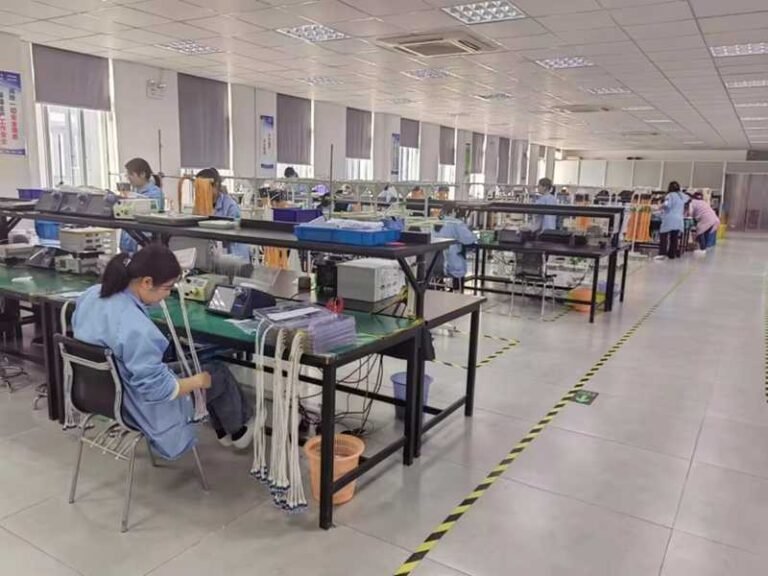
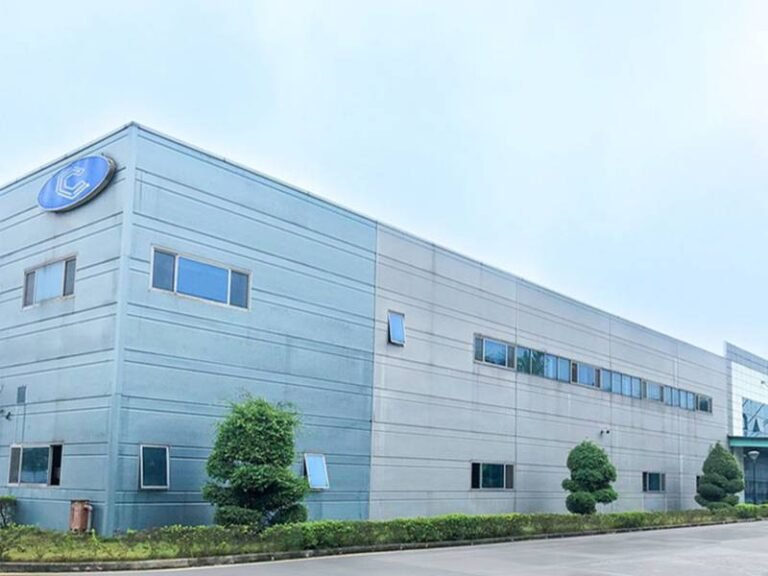
SINO-CONN is a Shenzhen-based manufacturer specializing in custom cable assemblies and wire harness solutions for high-performance electronic industries. Since 2007, the company has supported projects involving aerospace electronics, UAV systems, communication equipment, industrial automation, medical devices, and compact electronic integration. Its work focuses on customized cable structures developed from drawings, samples, connector models, installation photos, and application requirements rather than standard catalog products.
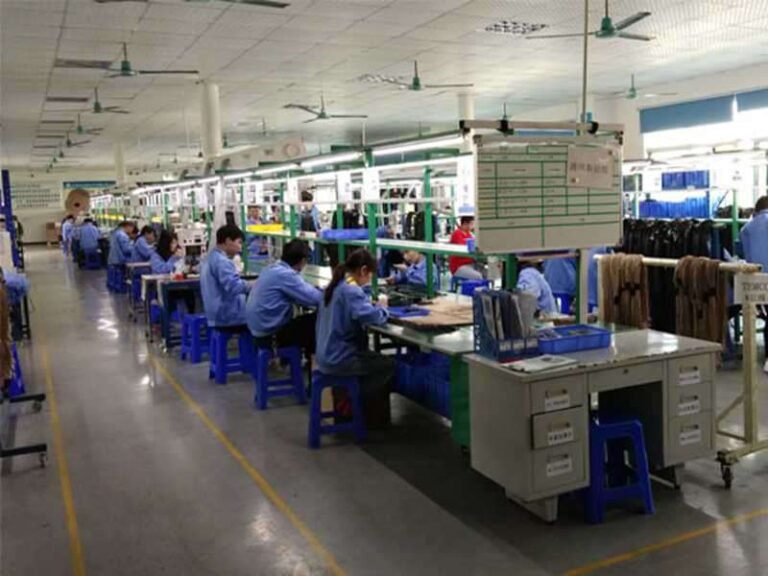
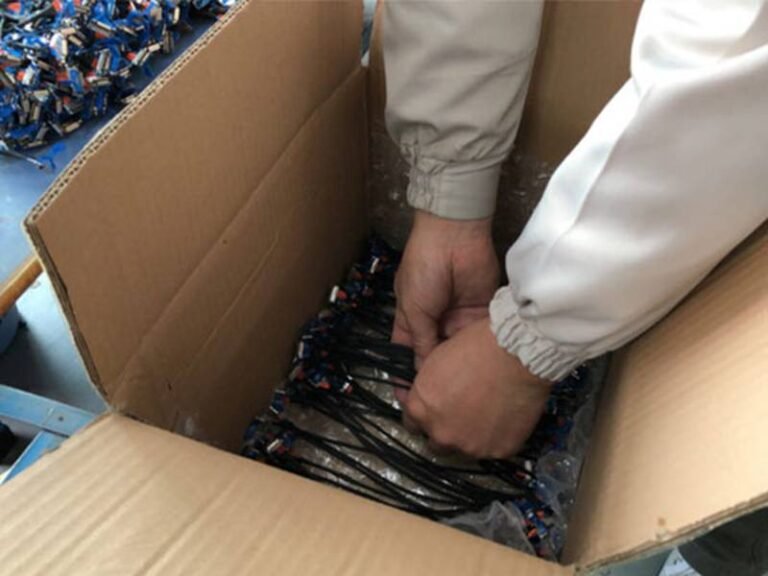
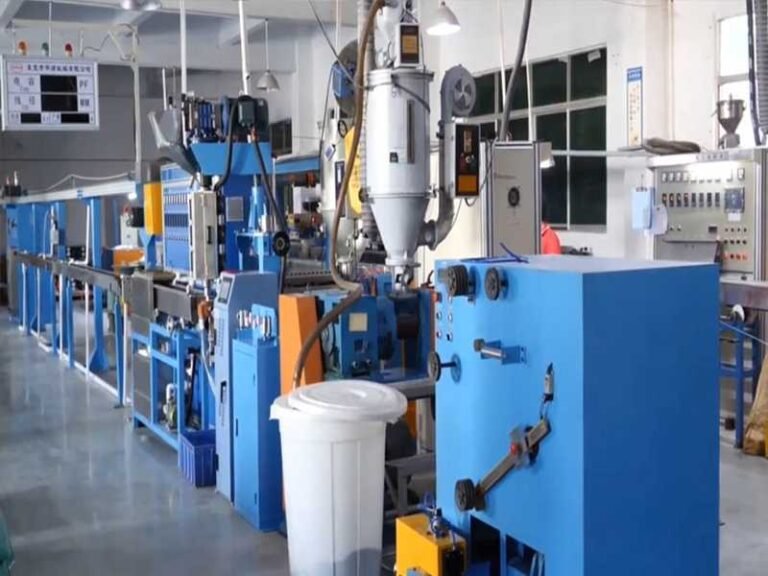
Manufacturing Built Around Custom Engineering Projects
SINO-CONN supports cable assembly projects that require non-standard structures, compact routing, miniature cable integration, and customer-specific installation geometry. Many aerospace-related projects begin before the final structure is fully fixed, so engineering coordination is important from the first discussion. Customers may provide CAD drawings, sketches, reference samples, or connector part numbers, and SINO-CONN coordinates structure review, feasibility discussion, and prototype preparation accordingly.
Internal Engineering, Prototype & Production Coordination
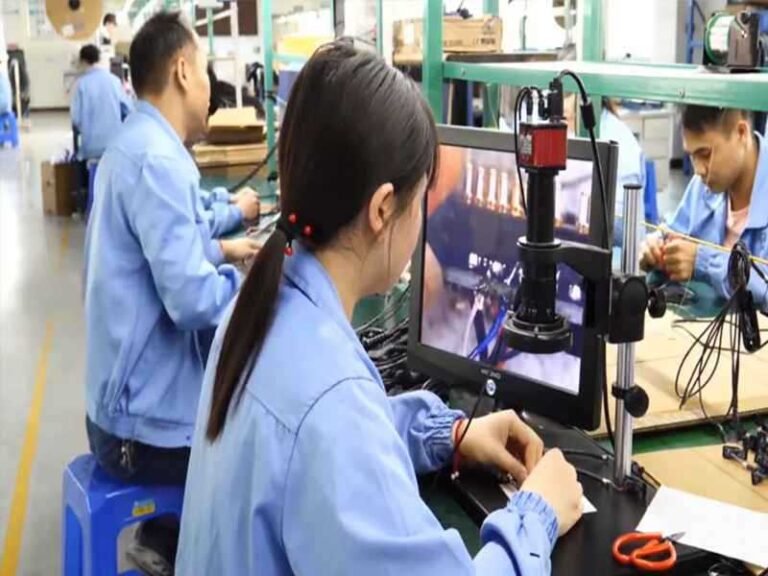
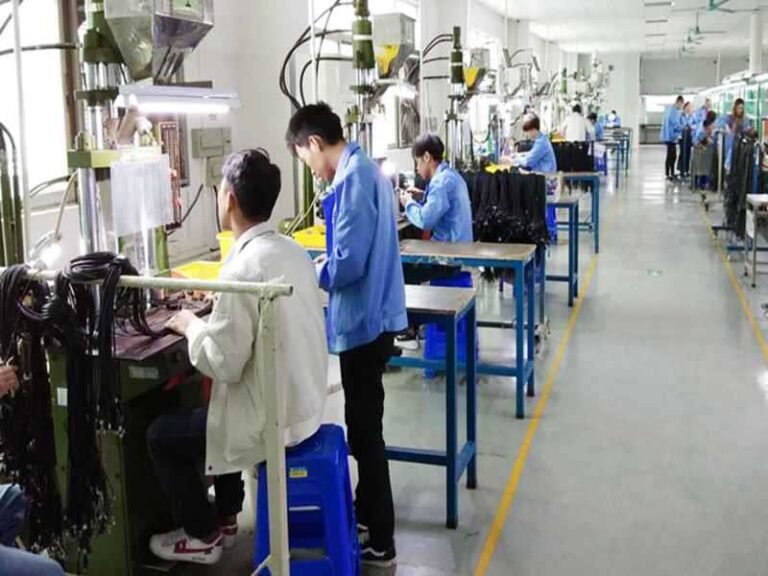
SINO-CONN operates with internal engineering support, sample preparation capability, and multiple cable assembly production lines. This structure allows customers to move from prototype validation to recurring OEM manufacturing without changing suppliers during development. The company supports low-volume samples, engineering revisions, production drawings, and batch manufacturing coordination for aerospace cable assemblies requiring stable communication and organized production follow-up.
Integrated Supply Chain Coordination in Shenzhen
Located in Shenzhen, SINO-CONN works closely with cable suppliers, connector manufacturers, shielding material partners, precision component factories, and overmolding facilities. This supply network helps support flexible sourcing, fast material coordination, and customized cable structure development. Connector systems commonly coordinated include TE, Amphenol, Molex, Hirose, Samtec, JAE, I-PEX, KEL, waterproof connectors, and RF coaxial architectures.
Capability for Complex Cable Structures
SINO-CONN supports compact cable assemblies from around 30 mm to complex harness systems exceeding 10 meters, depending on installation requirements. Signal integration can range from simple layouts to high-density harness structures exceeding 512 signal paths. Manufacturing capability includes RF coaxial assemblies, shielded signal harnesses, multi-branch structures, overmolded cables, miniature cable systems, and ultra-fine micro coax down to 50AWG.
Long-Term Cooperation With International Customers
SINO-CONN supports customers across North America, Europe, Southeast Asia, and other international industrial markets. Projects commonly involve aerospace electronics, UAV platforms, communication systems, industrial equipment, medical devices, and compact electronic assemblies. Customers value SINO-CONN for practical engineering communication, flexible prototype support, organized production coordination, and stable recurring manufacturing for customized cable assembly programs.
Aerospace Cable Assembly Challenges
Aerospace cable assemblies operate under conditions very different from standard industrial harness systems. Communication electronics, radar equipment, avionics platforms, UAV systems, and navigation architectures frequently require compact routing geometry, lightweight cable structures, stable RF transmission, and organized signal management inside vibration-sensitive aerospace environments.
As aerospace electronics continue becoming smaller and more integrated, cable structures must support higher signal density while maintaining installation flexibility and long-term operational reliability.

Compact Installation Space
Modern aerospace systems integrate more electronic functions into smaller installation environments. Communication modules, RF systems, sensors, and control architectures often share limited internal routing space, increasing cable management complexity.
Large or poorly organized harness systems may complicate installation, reduce maintenance accessibility, and create integration pressure during assembly.
SINO-CONN supports compact aerospace cable layouts involving lightweight harness geometry, miniature routing structures, compact connector systems, and organized signal management for restricted installation environments.
RF Interference & Signal Stability
Aerospace communication systems commonly operate near radar electronics, RF modules, power systems, and high-frequency transmission architectures where electromagnetic interference may influence signal consistency.
Shielding quality, coaxial routing organization, and connector stability all become important factors for maintaining reliable RF communication performance.
SINO-CONN supports aerospace RF cable assemblies involving shielded routing structures, organized coaxial layouts, compact signal integration, and stable transmission architectures optimized for aerospace communication systems.
Lightweight Harness Requirements
Weight optimization remains important across UAV systems, airborne electronics, compact aerospace devices, and aerospace communication equipment where oversized harness systems may affect payload efficiency and installation flexibility.
Aerospace cable assemblies frequently require low-profile routing geometry capable of reducing installation footprint while maintaining stable mechanical and electrical performance.
SINO-CONN supports lightweight aerospace cable development involving compact harness structures, miniature cable systems, lightweight shielding layouts, and flexible aerospace routing architectures.
Complex Multi-System Integration
Many aerospace platforms combine RF communication, control electronics, telemetry systems, sensors, navigation architectures, and power management structures inside one integrated harness environment.
As system complexity increases, organized signal separation and structured cable routing become increasingly important for assembly consistency and long-term maintenance efficiency.
SINO-CONN supports complex aerospace harness integration involving structured multi-channel routing, compact signal organization, miniature connector systems, and stable aerospace cable management.
Engineering Revision During Development
Aerospace projects commonly require repeated routing adjustments during prototype validation and avionics integration stages. Connector orientation, shielding structures, cable exits, and installation geometry may change several times before system architecture becomes finalized.
SINO-CONN supports aerospace prototype coordination involving drawing revision support, routing optimization, connector evaluation, rapid engineering communication, and flexible manufacturing adjustment for aerospace development programs.
Why Aerospace Engineering Teams Choose SINO-CONN
Aerospace cable projects often require more engineering coordination than standard industrial harness manufacturing. Many programs begin with incomplete installation structures, evolving connector layouts, changing RF architectures, or repeated prototype revisions before the final system becomes stable. Engineering responsiveness and manufacturing flexibility become especially important during these stages.
SINO-CONN supports aerospace customers through combined engineering communication, prototype coordination, flexible manufacturing scheduling, and recurring OEM production support. The focus is not only manufacturing cable assemblies, but also helping engineering teams move projects forward more efficiently during development and production stages.

Fast Engineering Response
Aerospace development schedules frequently move under tight validation timelines where cable drawings, connector orientation, routing geometry, and shielding layouts may require rapid confirmation before testing begins.
SINO-CONN supports fast engineering communication involving drawing review, structure discussion, connector evaluation, and manufacturing feasibility confirmation. Simple drawing adjustments and quotation reviews can often be completed within the same day depending on project complexity.
Flexible Prototype Manufacturing
Most aerospace projects begin with engineering samples instead of high-volume production. During development stages, harness structures may change repeatedly as installation environments and electronic architectures continue evolving.
SINO-CONN supports low-volume aerospace manufacturing without rigid MOQ limitations, allowing engineering teams to validate structures, optimize routing layouts, and confirm installation performance before recurring OEM production begins.
Strong Customization Capability
Aerospace cable assemblies rarely follow standard catalog structures. Different systems require different harness geometry, connector positions, cable exits, shielding layouts, and routing architectures depending on installation space and operating environment.
SINO-CONN supports customized aerospace cable manufacturing involving compact harness structures, multi-branch routing systems, miniature cable assemblies, flexible connector layouts, and application-specific aerospace integration requirements.
Flexible Production Coordination
After aerospace projects move into recurring production stages, manufacturing consistency and delivery coordination become increasingly important. Stable scheduling helps customers maintain organized integration timelines and recurring equipment assembly plans.
SINO-CONN supports recurring aerospace manufacturing involving production scheduling coordination, stable assembly preparation, recurring order management, and long-term OEM cooperation for aerospace cable programs.
Balanced Cost & Manufacturing Flexibility
Some aerospace projects require premium original connector systems, while others prioritize shorter lead times, flexible sourcing, or cost-controlled prototype validation during development stages.
SINO-CONN supports both original and alternative manufacturing solutions depending on project requirements, connector availability, production schedule, and engineering priorities.
Aerospace Cable Assembly Types
Different aerospace systems require different cable assembly structures depending on signal architecture, installation space, operating environment, routing complexity, and equipment integration requirements. Aerospace cable assemblies are rarely universal products. Communication systems, avionics electronics, UAV platforms, airborne monitoring devices, and RF transmission equipment often use highly application-specific harness structures designed around compact layouts and customized electronic integration environments.
SINO-CONN supports multiple aerospace cable assembly structures ranging from miniature RF systems to high-density avionics harnesses, lightweight UAV routing assemblies, and complex multi-branch aerospace integration projects.

RF Coaxial Aerospace Cable Assemblies
RF coaxial cable assemblies are commonly used in aerospace communication systems, radar electronics, telemetry equipment, antenna routing systems, and airborne transmission platforms requiring stable high-frequency signal transmission.
Typical RF aerospace cable features include:
- Shielded coaxial structures
- Compact RF routing geometry
- Lightweight cable layouts
- Flexible transmission structures
- Miniature aerospace integration
SINO-CONN supports custom RF coaxial assemblies involving micro coaxial processing, compact cable routing, and customized RF integration structures for aerospace communication environments.

Avionics Wire Harness Assemblies
Avionics systems often require organized wire harness structures integrating navigation electronics, communication modules, airborne sensors, monitoring systems, and control architectures inside compact equipment layouts.
Typical avionics harness applications include:
- Flight control systems
- Navigation electronics
- Communication architectures
- Monitoring modules
- Sensor integration systems
SINO-CONN supports customized avionics harness manufacturing involving multi-branch routing, compact cable organization, lightweight layouts, and high-density signal integration structures.

Lightweight UAV Cable Assemblies
UAV systems frequently require lightweight cable assemblies because harness weight directly affects payload balance, installation flexibility, and internal routing efficiency inside airborne platforms.
Typical UAV cable structures include:
- Lightweight signal harnesses
- Compact coaxial layouts
- Flexible routing systems
- Miniature cable structures
- Low-profile integration layouts
SINO-CONN supports UAV cable assemblies involving lightweight cable geometry, organized routing architectures, and compact aerospace installation structures for unmanned aerial systems.

High-Density Aerospace Harness Systems
Modern aerospace electronics continue integrating more communication channels, sensors, RF systems, and control architectures inside limited installation environments requiring highly organized signal management.
Typical high-density harness characteristics include:
- Multi-channel signal integration
- Compact routing structures
- Organized branch management
- Space-saving harness geometry
- Structured cable layouts
SINO-CONN supports high-density aerospace harness manufacturing involving complex signal organization and customized integration structures for advanced aerospace electronic systems.

Micro Coaxial Aerospace Cable Assemblies
Compact aerospace electronics often require ultra-fine cable structures capable of supporting signal transmission inside restricted installation environments where standard cable systems cannot fit.
Typical micro coaxial applications include:
- Compact airborne electronics
- Miniature RF systems
- UAV communication devices
- Aerospace imaging equipment
- Lightweight electronic modules
SINO-CONN supports ultra-fine micro coaxial processing down to 50AWG for aerospace projects requiring miniature cable integration and compact signal routing capability.

Hybrid Aerospace Cable Assemblies
Some aerospace systems combine RF transmission, signal communication, sensor integration, and power management inside one integrated cable architecture to simplify installation and improve routing organization.
Typical hybrid harness structures include:
- RF + signal integration
- Multi-function harness systems
- Mixed cable architectures
- Compact installation layouts
- Customized branch structures
SINO-CONN supports hybrid aerospace cable assemblies involving combined coaxial systems, signal harness integration, compact routing layouts, and customized interconnect architectures for complex aerospace applications.
RF & High-Speed Aerospace Signal Capability
Modern aerospace systems rely heavily on stable high-frequency transmission. Radar electronics, airborne communication systems, telemetry platforms, navigation equipment, UAV data links, and compact avionics architectures all require controlled signal routing capable of maintaining transmission consistency inside vibration-sensitive and high-density aerospace environments.
Unlike conventional cable assemblies, aerospace RF systems require tighter routing control, stable shielding structures, compact coaxial geometry, and carefully managed signal layouts to reduce transmission instability and signal degradation during long-term operation.
SINO-CONN supports custom aerospace RF cable assemblies involving micro coaxial integration, shielded high-frequency routing, compact aerospace signal layouts, and lightweight transmission structures optimized for aerospace communication and avionics applications.

Controlled RF Transmission Structures
Stable RF transmission depends heavily on coaxial structure consistency, routing geometry, shielding stability, and signal separation. In aerospace systems, even small routing inconsistencies may influence communication reliability, telemetry stability, or radar signal quality.
SINO-CONN supports controlled aerospace RF structures involving:
- Compact coaxial routing
- Stable signal separation
- Shielded transmission layouts
- Lightweight RF cable geometry
- High-density aerospace routing
These structures are commonly used in aerospace communication systems, airborne electronics, and compact RF integration environments.
Micro Coaxial Integration Capability
Miniature aerospace electronics frequently require ultra-fine coaxial structures where installation space is extremely limited. Compact airborne systems, UAV electronics, and lightweight aerospace communication platforms often require miniature RF routing capable of maintaining stable signal transmission without increasing installation complexity.
SINO-CONN supports micro coaxial aerospace integration involving:
- 50AWG ultra-fine coaxial processing
- Compact RF signal layouts
- Lightweight routing structures
- Flexible miniature cable geometry
- Small-space aerospace integration
Ultra-fine coaxial structures can also support highly compact aerospace communication architectures and miniature avionics systems.
Shielding Structures for Aerospace RF Systems
Aerospace electronics frequently operate near radar modules, communication architectures, power systems, and navigation electronics where EMI interference may affect transmission quality.
Stable shielding structures help reduce signal interference and improve communication consistency in compact aerospace environments.
SINO-CONN supports aerospace shielding integration involving:
- Braided shielding structures
- Foil shielding systems
- RF isolation layouts
- Shielded coaxial routing
- Compact signal protection structures
Shielding layouts can be coordinated according to routing space, signal density, and aerospace operating requirements.
High-Density Signal Routing Stability
Modern aerospace platforms continue integrating more communication channels, telemetry systems, RF architectures, and electronic control modules inside smaller installation environments.
As signal density increases, organized routing geometry becomes increasingly important for maintaining stable transmission and reducing internal signal interference.
SINO-CONN supports high-density aerospace signal integration involving:
- Structured signal organization
- Compact routing layouts
- Multi-channel cable management
- Lightweight aerospace routing
- Organized transmission architectures
These routing structures are commonly used in avionics electronics, airborne communication systems, and UAV signal platforms.
Lightweight RF Cable Structures
Many aerospace systems require lighter RF cable assemblies to improve installation flexibility and reduce overall payload pressure inside airborne electronic environments.
Low-profile coaxial systems and compact signal layouts can help optimize routing efficiency without increasing harness complexity.
SINO-CONN supports lightweight aerospace RF cable manufacturing involving:
- Low-profile coaxial layouts
- Flexible RF cable structures
- Compact routing geometry
- Lightweight signal integration
- Miniature aerospace cable systems
These lightweight RF structures are frequently used in UAV electronics, compact aerospace platforms, and airborne RF equipment.
Aerospace RF Prototype Support
RF cable layouts often require adjustment during aerospace development stages because installation geometry, shielding structures, routing paths, and communication architectures may evolve during validation.
SINO-CONN supports aerospace RF prototype coordination involving routing evaluation, cable structure adjustment, shielding optimization support, and recurring prototype manufacturing for aerospace communication and avionics projects.
Aerospace Connector & Material Ecosystem
Aerospace cable assemblies depend heavily on component compatibility and material stability. Different aerospace systems require different connector architectures, cable structures, shielding materials, insulation systems, and installation geometries depending on operating frequency, environmental exposure, vibration conditions, routing space, and system complexity.
Many aerospace engineering projects also face sourcing pressure caused by connector lead times, limited material availability, or repeated prototype revisions during development stages. Stable supply coordination becomes increasingly important for both prototype validation and recurring OEM manufacturing.
SINO-CONN coordinates aerospace cable projects through long-term cooperation with connector manufacturers, cable suppliers, shielding material partners, precision component factories, and overmolding suppliers across the Shenzhen electronics manufacturing ecosystem.

Aerospace Connector Systems
Different aerospace platforms require different connector structures depending on signal density, RF architecture, installation geometry, locking requirements, and available routing space.
SINO-CONN supports aerospace connector coordination involving:
- TE Connectivity
- Amphenol
- Samtec
- Hirose
- Molex
- JAE
- I-PEX
- KEL
- Waterproof connector systems
- RF coaxial connectors
Both original and compatible alternative solutions can be coordinated according to project requirements and sourcing timelines.
RF & Aerospace Cable Materials
Cable material selection directly affects flexibility, shielding stability, routing geometry, installation performance, and long-term reliability inside aerospace systems.
SINO-CONN supports aerospace cable coordination involving:
- RF coaxial cables
- Signal transmission cables
- Ultra-fine micro coaxial structures
- Lightweight aerospace cable systems
- Shielded communication cables
- Flexible miniature routing materials
Cable OD, flexibility, shielding structure, and compact routing geometry can all be coordinated according to aerospace installation requirements.
Shielding & Insulation Materials
Aerospace communication systems frequently operate near radar modules, RF systems, power electronics, and navigation architectures where shielding effectiveness becomes important for maintaining signal stability.
SINO-CONN supports shielding coordination involving braided shielding systems, foil shielding layouts, compact RF isolation structures, lightweight insulation systems, and flexible signal protection architectures for aerospace applications.
Overmolding & Structural Protection
Some aerospace cable assemblies require additional structural protection around connector exits, cable branches, transition positions, or installation stress points to improve assembly durability and routing stability.
SINO-CONN supports aerospace overmolding coordination involving strain-relief structures, compact molded layouts, lightweight cable protection systems, and customized aerospace harness reinforcement solutions.
Flexible Supply Coordination
Prototype aerospace projects often require rapid material adjustments during validation stages when routing geometry, connector systems, or cable structures continue evolving.
SINO-CONN supports flexible aerospace sourcing involving connector alternatives, rapid material coordination, prototype component preparation, and recurring OEM supply management for aerospace cable assembly programs.
Aerospace Cable Assembly Manufacturing Process
Aerospace cable assemblies require organized manufacturing coordination because compact harness geometry, miniature connector systems, RF shielding structures, and high-density signal routing leave very limited tolerance for production inconsistency. Stable processing becomes increasingly important for aerospace communication systems, avionics electronics, UAV platforms, and airborne RF architectures where harness structure directly influences installation quality and long-term operational stability.
SINO-CONN supports aerospace cable manufacturing from engineering confirmation through precision processing, harness assembly, structure verification, and recurring OEM production coordination.

Engineering Confirmation Before Production
Every aerospace cable project begins with technical confirmation involving routing geometry, connector orientation, installation space, cable structure, shielding layout, and assembly feasibility evaluation.
SINO-CONN supports aerospace engineering review involving drawing confirmation, routing optimization discussion, cable structure analysis, connector positioning evaluation, and manufacturing preparation before production begins.
Precision Cable Processing
Miniature aerospace cable systems and compact routing structures require stable processing accuracy because cable geometry directly affects installation consistency and harness organization.
SINO-CONN supports precision aerospace cable processing involving controlled stripping, compact cable preparation, miniature routing management, lightweight harness organization, and stable cable structure handling.
RF & Micro Coaxial Assembly
Ultra-fine coaxial systems require careful handling during manufacturing because unstable processing may affect RF transmission performance and shielding consistency.
SINO-CONN supports RF aerospace cable assembly involving micro coaxial integration, miniature RF connector termination, shielded coaxial preparation, compact transmission layouts, and lightweight aerospace signal routing.
Harness Routing & Assembly Organization
Complex aerospace systems frequently contain communication electronics, sensors, navigation architectures, RF modules, and control systems operating inside compact installation environments where harness organization becomes increasingly important.
SINO-CONN supports aerospace harness assembly involving branch routing management, structured cable organization, compact connector positioning, lightweight installation layouts, and organized multi-channel aerospace signal integration.
Final Structure Verification
Before shipment, aerospace cable assemblies commonly undergo structure confirmation to verify connector positioning, routing geometry, harness organization, installation consistency, and assembly appearance.
SINO-CONN supports final aerospace verification involving cable layout confirmation, routing inspection, compact structure evaluation, connector alignment review, and recurring production consistency management.
Quality Control for Aerospace Cable Assemblies
Aerospace cable assemblies operate inside systems where signal stability, installation consistency, routing accuracy, and connector reliability directly influence equipment performance. Compact installation environments and high-density electronic architectures leave little room for assembly variation, especially in communication systems, avionics electronics, radar equipment, and airborne RF platforms.
Aerospace harness inspection therefore requires more structured quality coordination than conventional industrial cable systems, particularly for projects involving miniature connectors, compact routing geometry, RF shielding structures, and recurring OEM production programs.
SINO-CONN supports aerospace cable inspection through organized process verification, structure review, routing confirmation, and production consistency management for aerospace communication and avionics projects.


Multi-Stage Inspection Coordination
High-density aerospace harness structures frequently require inspection during multiple manufacturing stages because compact layouts and miniature assemblies are more sensitive to production variation.
SINO-CONN supports aerospace inspection involving:
- In-process inspection
- Finished assembly verification
- Pre-shipment inspection
- Connector positioning review
- Routing consistency confirmation
Recurring production programs also include structured batch consistency management.
RF & Shielding Structure Inspection
RF transmission systems require organized shielding layouts and stable coaxial structures because inconsistent RF geometry may influence communication reliability.
SINO-CONN supports RF inspection involving shielded routing verification, compact coaxial structure review, connector alignment evaluation, lightweight shielding inspection, and aerospace signal routing confirmation.
Harness Structure Verification
Complex aerospace systems frequently contain multi-channel routing structures where cable organization and installation consistency become increasingly important.
SINO-CONN supports aerospace harness verification involving structured routing inspection, branch management confirmation, compact cable organization review, and aerospace installation structure evaluation.
Connector Assembly Inspection
Miniature aerospace connectors often operate inside restricted installation environments where positioning accuracy directly affects integration consistency during final assembly stages.
SINO-CONN supports connector inspection involving connector orientation verification, alignment review, compact structure evaluation, and installation positioning management for aerospace cable assemblies.
OEM Production Consistency Management
After aerospace harness structures become validated, recurring production consistency becomes important for maintaining stable installation geometry and assembly repeatability across future manufacturing batches.
SINO-CONN supports recurring aerospace quality coordination involving process management, production consistency review, structured assembly verification, and long-term OEM manufacturing support.
Aerospace Manufacturing Certifications & Compliance Support
Aerospace cable assemblies often require controlled manufacturing management, stable material coordination, organized production procedures, and traceable documentation support. Aerospace engineering teams and OEM manufacturers commonly evaluate suppliers based on process organization, production consistency, quality management systems, and long-term manufacturing reliability rather than only cable assembly capability itself.
SINO-CONN supports aerospace cable manufacturing under structured production and quality systems suitable for aerospace communication equipment, avionics electronics, UAV platforms, RF transmission systems, industrial aerospace projects, and recurring OEM manufacturing programs.
Quality Management Systems
Stable manufacturing coordination becomes increasingly important for aerospace projects involving recurring production schedules, structured engineering approval processes, and long-term supply cooperation.
SINO-CONN operates under organized manufacturing management systems including:
- ISO 9001
- ISO 14001
- ISO 13485
These systems support controlled production coordination, structured process management, and recurring manufacturing consistency for aerospace cable assembly projects.
IPC-Oriented Cable Assembly Standards
Compact aerospace harness systems and RF cable assemblies frequently require organized assembly procedures, stable routing structures, and controlled cable preparation processes to maintain manufacturing consistency.
SINO-CONN supports aerospace cable manufacturing based on IPC-oriented assembly management involving structured harness preparation, connector integration coordination, and organized aerospace cable assembly processing.
RoHS, REACH & Material Compliance
Many aerospace and industrial projects require compliant cable materials depending on export region, customer sourcing standards, and environmental requirements.
SINO-CONN supports compliant aerospace manufacturing involving:
- RoHS coordination
- REACH-related material management
- PFAS-related sourcing support
- Controlled cable material coordination
Material documentation and sourcing support can also be coordinated according to project requirements.
UL Material Coordination & Traceability
Aerospace cable assemblies frequently involve multiple cable structures, RF components, shielding materials, and miniature connectors where organized material management becomes important for recurring manufacturing programs.
SINO-CONN supports aerospace production traceability involving cable material coordination, RF connector sourcing management, structured component organization, and recurring manufacturing documentation support.
Engineering Documentation Support
Aerospace projects commonly require engineering documentation before manufacturing approval, especially for prototype validation and OEM production coordination.
SINO-CONN supports engineering documentation involving:
- Cable assembly drawings
- Connector layouts
- Routing confirmation files
- Cable structure review
- Production confirmation support
Engineering communication can also be coordinated during prototype revision and recurring production stages.





Aerospace Cable Assemblies for Advanced Aerospace Applications
Aerospace cable assemblies are widely used across communication systems, avionics electronics, UAV platforms, airborne monitoring equipment, RF transmission architectures, and compact aerospace integration environments. Different aerospace applications require different cable structures depending on installation space, signal architecture, operating frequency, environmental exposure, and equipment integration requirements.
SINO-CONN supports custom aerospace cable assemblies for multiple aerospace application environments involving compact routing structures, lightweight cable layouts, high-density integration systems, and customized interconnect architectures developed according to specific aerospace equipment requirements.

Aerospace Communication Systems
Aerospace communication equipment requires stable cable assemblies for signal transmission between airborne communication modules, antennas, telemetry systems, and onboard electronic architectures.
Typical applications include:
- Airborne communication modules
- Telemetry systems
- RF transmission equipment
- Antenna integration systems
- Communication control units
SINO-CONN supports communication cable assemblies involving compact routing structures, shielded signal layouts, lightweight cable systems, and customized aerospace communication integration architectures.

Avionics Electronics Systems
Avionics systems integrate multiple electronic modules inside compact airborne environments where cable organization and installation structure become important for overall equipment integration.
Typical avionics applications include:
- Flight control electronics
- Navigation systems
- Monitoring equipment
- Sensor integration platforms
- Cockpit electronic modules
SINO-CONN supports avionics harness manufacturing involving organized cable routing, compact integration layouts, and customized harness structures for aerospace electronic systems.

UAV & Unmanned Aerospace Platforms
UAV systems require lightweight cable assemblies capable of supporting airborne electronics while maintaining flexible installation geometry and compact internal routing structures.
Typical UAV applications include:
- Industrial drones
- Mapping UAV systems
- Surveillance platforms
- Agricultural UAV equipment
- Autonomous airborne devices
SINO-CONN supports UAV cable assemblies involving lightweight harness structures, miniature cable systems, compact routing architectures, and customized UAV electronic integration layouts.

Radar & RF Aerospace Equipment
Radar and RF aerospace systems require specialized cable assemblies for high-frequency electronic environments involving communication modules, airborne radar systems, and signal transmission architectures.
Typical RF aerospace applications include:
- Airborne radar electronics
- RF communication modules
- Aerospace antenna systems
- Signal transmission equipment
- Telemetry architectures
SINO-CONN supports RF aerospace cable assemblies involving shielded cable structures, compact coaxial layouts, lightweight routing systems, and customized aerospace RF integration architectures.

Satellite & Compact Aerospace Electronics
Compact aerospace electronics often require miniature cable structures capable of supporting signal integration inside highly restricted installation environments.
Typical compact aerospace applications include:
- Satellite communication modules
- Aerospace imaging systems
- Compact airborne electronics
- Miniature monitoring equipment
- Lightweight electronic platforms
SINO-CONN supports miniature aerospace cable assemblies involving micro coaxial systems, compact cable layouts, lightweight signal integration structures, and customized miniature routing architectures.
Aerospace Testing & Monitoring Equipment
Aerospace testing systems and airborne monitoring equipment frequently require customized cable assemblies for sensor integration, signal collection, communication interfaces, and electronic monitoring architectures.
Typical applications include:
- Aerospace testing platforms
- Environmental monitoring systems
- Data acquisition equipment
- Sensor monitoring modules
- Ground support electronics
SINO-CONN supports aerospace monitoring cable assemblies involving organized signal routing, compact harness structures, customized integration layouts, and flexible electronic interconnect systems for aerospace testing environments.
Aerospace Cable Assembly Project Cases
Aerospace cable assemblies are often developed around highly specific installation environments, RF architectures, lightweight integration requirements, and recurring production standards. Many aerospace engineering teams approach SINO-CONN during prototype validation stages after encountering routing limitations, unstable shielding structures, long sourcing lead times, or insufficient engineering support from previous suppliers.
The following aerospace cable assembly projects demonstrate how SINO-CONN supported aerospace communication systems, avionics integration, and RF transmission applications through organized engineering coordination, compact harness optimization, and flexible OEM manufacturing support.

United States — UAV Communication & Telemetry System
Application Scenario
A UAV communication equipment manufacturer developing long-range industrial drone platforms required lightweight RF cable assemblies for airborne telemetry systems, onboard communication modules, GPS antennas, and compact signal routing structures integrated inside restricted fuselage environments.
Project Requirements
- Ultra-lightweight RF cable structure
- Compact internal routing geometry
- Stable telemetry transmission
- Repeated prototype revision support
- Small-batch engineering production
Pain Points
The original harness supplier could not maintain routing consistency during repeated prototype revisions. The RF cable structure occupied excessive internal space near communication modules, making final assembly difficult. Prototype lead times averaged more than 3 weeks, slowing flight validation schedules.
SINO-CONN Solution
SINO-CONN redesigned the internal RF routing structure using lightweight micro coaxial layouts and compact shielded cable geometry optimized for UAV aerospace installation environments. Engineering teams coordinated routing adjustments, cable exit optimization, and repeated sample revisions during the development stage.
Project Data
- Cable OD reduced from 2.8 mm to 1.6 mm
- Harness weight reduced by approximately 22%
- Prototype lead time shortened from 21 days to 9 days
- More than 18 prototype revisions supported
- Annual recurring demand exceeded 12,000 assemblies
Results
- Reduced internal routing space by approximately 30%
- Improved UAV installation efficiency
- More stable telemetry transmission during flight testing
- Faster engineering validation cycles
- Transitioned into recurring OEM production support
Germany — Compact Avionics Control Harness Project
Application Scenario
An aerospace electronics company developing compact avionics control systems required high-density cable harness assemblies integrating navigation electronics, communication modules, airborne sensors, and monitoring architectures inside limited aerospace installation environments.
Project Requirements
- High-density signal routing
- Compact branch harness structure
- Stable installation geometry
- Long-term recurring manufacturing consistency
- Lightweight cable organization
Pain Points
The previous harness structure created routing congestion inside the avionics enclosure because signal branches lacked proper organization. Connector positioning inconsistencies during installation also increased assembly time during recurring production.
SINO-CONN Solution
SINO-CONN developed a compact multi-branch avionics harness structure optimized for high-density aerospace electronics integration. Internal cable routing layouts were reorganized to improve installation consistency and reduce unnecessary cable overlap inside the avionics system.
Project Data
- Integrated 148 signal paths inside one harness system
- Reduced harness installation time by approximately 25%
- Reduced internal cable overlap by approximately 35%
- Supported recurring production batches exceeding 4,500 units annually
- Prototype-to-production transition completed within 11 weeks
Results
- Improved internal harness organization
- Better assembly consistency during installation
- Reduced integration complexity
- More efficient recurring production workflow
- Established long-term aerospace manufacturing cooperation
France — RF Aerospace Radar Electronics Project
Application Scenario
A French aerospace electronics company developing compact airborne radar communication systems required shielded RF cable assemblies for high-frequency aerospace transmission equipment integrated inside lightweight aerospace platforms.
Project Requirements
- Stable RF shielding performance
- Compact coaxial routing
- Lightweight aerospace cable structures
- Fast engineering revision support
- High-frequency transmission stability
Pain Points
The previous supplier struggled to maintain shielding consistency during prototype manufacturing, causing unstable RF performance during transmission validation and environmental testing. Long connector sourcing lead times also delayed engineering revisions and prototype scheduling.
SINO-CONN Solution
SINO-CONN supported the project with shielded RF coaxial assemblies optimized for compact aerospace radar integration. Engineering teams coordinated lightweight routing layouts, stable shielding structures, compact cable geometry, and rapid prototype adjustments throughout multiple validation stages.
Project Data
- Shielding coverage increased from 78% to 92%
- RF signal stability improved during 6 GHz transmission testing
- Prototype revision cycle shortened from 14 days to 5 days
- Supported more than 30 engineering validation samples
- Recurring annual RF assembly demand exceeded 8,000 pcs
Results
- Improved shielding consistency during RF testing
- Reduced engineering revision delays
- More stable high-frequency transmission performance
- Faster prototype validation process
- Continued recurring aerospace cable assembly orders
Global Aerospace Logistics & OEM Delivery Coordination
Aerospace cable assembly projects often involve prototype validation, engineering revision cycles, recurring OEM production schedules, and long-term supply coordination across multiple manufacturing stages. Stable delivery management becomes especially important for aerospace communication systems, avionics integration projects, UAV production programs, and RF electronics platforms where installation timelines and engineering schedules are tightly connected.
SINO-CONN supports aerospace customers with organized prototype shipment coordination, recurring production scheduling, engineering communication support, and international logistics management for customers across North America, Europe, Southeast Asia, and industrial global markets.

Prototype Delivery Coordination
Aerospace engineering projects frequently require rapid prototype preparation during system integration and validation stages. Delayed sample delivery may slow installation testing and engineering evaluation schedules.
SINO-CONN supports aerospace prototype coordination involving production scheduling, engineering communication, compact packaging preparation, and international shipment management for aerospace cable development programs.
Recurring OEM Production Support
After aerospace cable structures become validated, many projects move into recurring production stages requiring stable manufacturing consistency and organized delivery scheduling.
SINO-CONN supports recurring aerospace manufacturing involving structured production planning, recurring harness preparation, stable order coordination, and long-term OEM production support for aerospace communication and avionics projects.
International Aerospace Shipment Management
Aerospace cable assemblies are commonly exported to aerospace electronics manufacturers, UAV developers, communication equipment companies, avionics integrators, and industrial aerospace system suppliers worldwide.
SINO-CONN supports international aerospace logistics involving export coordination, recurring shipment scheduling, compact aerospace packaging management, and stable global delivery support.
Global Aerospace Logistics & OEM Delivery Coordination
Aerospace cable assembly projects often involve prototype validation, engineering revision cycles, recurring OEM production schedules, and long-term supply coordination across multiple manufacturing stages. Stable delivery management becomes especially important for aerospace communication systems, avionics integration projects, UAV production programs, and RF electronics platforms where installation timelines and engineering schedules are tightly connected.
SINO-CONN supports aerospace customers with organized prototype shipment coordination, recurring production scheduling, engineering communication support, and international logistics management for customers across North America, Europe, Southeast Asia, and industrial global markets.
Prototype Delivery Coordination
Aerospace engineering projects frequently require rapid prototype preparation during system integration and validation stages. Delayed sample delivery may slow installation testing and engineering evaluation schedules.
SINO-CONN supports aerospace prototype coordination involving production scheduling, engineering communication, compact packaging preparation, and international shipment management for aerospace cable development programs.
Recurring OEM Production Support
After aerospace cable structures become validated, many projects move into recurring production stages requiring stable manufacturing consistency and organized delivery scheduling.
SINO-CONN supports recurring aerospace manufacturing involving structured production planning, recurring harness preparation, stable order coordination, and long-term OEM production support for aerospace communication and avionics projects.
International Aerospace Shipment Management
Aerospace cable assemblies are commonly exported to aerospace electronics manufacturers, UAV developers, communication equipment companies, avionics integrators, and industrial aerospace system suppliers worldwide.
SINO-CONN supports international aerospace logistics involving export coordination, recurring shipment scheduling, compact aerospace packaging management, and stable global delivery support.
Protective Packaging for Aerospace Cable Assemblies
Compact RF connectors, micro coaxial structures, lightweight harness systems, and miniature aerospace cable assemblies often require additional protection during transportation to avoid routing deformation or connector damage.
SINO-CONN supports aerospace packaging coordination involving organized cable protection, compact connector stabilization, lightweight harness packaging systems, and structured shipment preparation for international aerospace transportation.
Engineering Communication During Production
Many aerospace projects require ongoing communication during prototype manufacturing and recurring production stages, especially when routing structures, installation layouts, or connector systems require confirmation before shipment.
SINO-CONN supports aerospace project communication involving drawing confirmation, production updates, routing coordination, shipment preparation support, and manufacturing progress communication during aerospace cable assembly projects.
Frequently Asked Questions About Aerospace Cable Assemblies
1. Can aerospace cable assemblies be fully customized?
Yes. Cable length, connector systems, routing geometry, shielding layouts, signal structures, branch positions, and installation direction can all be customized according to aerospace project requirements.
2. Which connector brands are commonly supported?
Common connector systems include TE Connectivity, Amphenol, Hirose, Samtec, Molex, JAE, I-PEX, KEL, and various RF coaxial connector platforms.
3. Are RF coaxial aerospace cable assemblies supported?
Yes. Aerospace RF cable assemblies involving shielded coaxial routing, miniature RF connectors, compact transmission layouts, and lightweight signal structures are commonly supported.
4. Can lightweight aerospace harnesses be manufactured?
Yes. Lightweight harness structures are frequently used in UAV systems, compact avionics electronics, airborne communication equipment, and miniature aerospace integration projects.
5. What is the typical prototype lead time?
Prototype timing depends on connector availability, cable complexity, routing structure, and RF requirements. Standard aerospace samples are commonly prepared within 1–2 weeks.
6. Can engineering drawings be reviewed before production?
Yes. Cable drawings, connector layouts, routing geometry, shielding structures, and installation direction are commonly reviewed before manufacturing approval begins.
7. Is low-volume aerospace production supported?
Yes. Many aerospace projects begin with prototype validation, engineering samples, and small-volume development stages before recurring OEM manufacturing starts.
8. Are alternative connector solutions available?
Yes. Both original branded connectors and compatible alternatives can be coordinated depending on lead time, sourcing flexibility, and project budget requirements.
9. Can micro coaxial structures be integrated into aerospace systems?
Yes. Ultra-fine micro coaxial systems including 50AWG miniature coaxial structures can be integrated into compact aerospace communication and avionics applications.
10. Is NDA support available for aerospace projects?
Yes. NDA coordination and controlled engineering communication can be supported for confidential aerospace development and RF communication projects.

Start Your Custom Aerospace Cable Assembly Project
Aerospace RF Integration, Lightweight Harness Manufacturing & Prototype Support
Aerospace cable assemblies directly influence communication stability, installation efficiency, routing consistency, and long-term operational reliability inside avionics systems, airborne RF platforms, UAV electronics, radar equipment, and compact aerospace devices. SINO-CONN supports custom aerospace cable projects involving micro coaxial integration, lightweight routing structures, shielded RF layouts, compact harness systems, and recurring OEM manufacturing coordination for aerospace communication and avionics applications.
Information Helpful for Engineering Review
Providing the following information may help accelerate engineering evaluation and prototype preparation:
- Application environment
- Connector requirements
- Cable length requirements
- RF or shielding requirements
- Drawings or reference samples
- Installation space limitations
- Prototype quantity
- Estimated annual demand