...

News & Article

Types of Wiring Harness in Car: Complete Guide

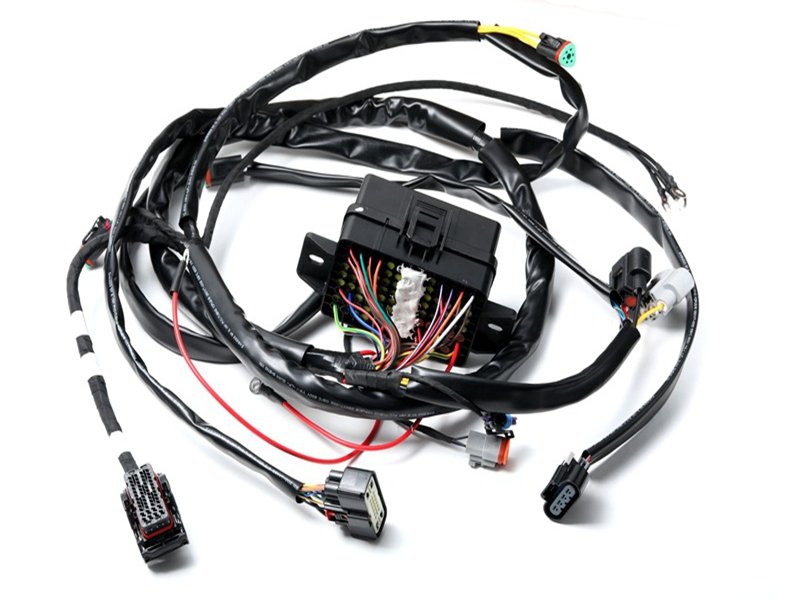
A modern car runs on wiring. The vehicle may look mechanical from the outside, but underneath, it’s a network of power lines and signal paths feeding dozens to hundreds of modules—engine control, lighting, braking sensors, safety systems, infotainment, and, in EVs, high-voltage power distribution. When a wiring harness in car fails, the symptom usually shows up somewhere else: a warning light, a sensor fault, a control module that “sometimes works.” That is why harness issues are expensive—diagnosis often takes longer than the repair.

Read More »

What Are the Components of a Wiring Harness:A Complete Engineer-Level Guide

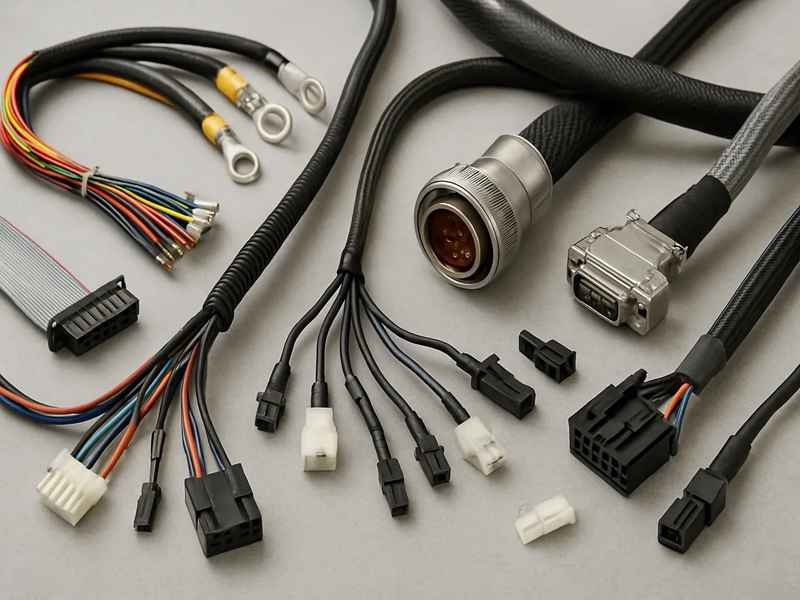
Wiring harnesses look simple from the outside—a bundle of wires organized neatly with connectors on the ends. But anyone who has worked in engineering, OEM manufacturing, or field maintenance knows the truth: a wiring harness is a highly engineered system, and its performance determines whether a product works flawlessly for years or fails within weeks. Every component—wire gauge, insulation material, connector interface, crimp quality, waterproofing choice, shielding method—affects reliability, safety, signal clarity, and regulatory compliance.

Read More »

How to Use Butt Connectors in Wire Harness and Cable Assembly Applications

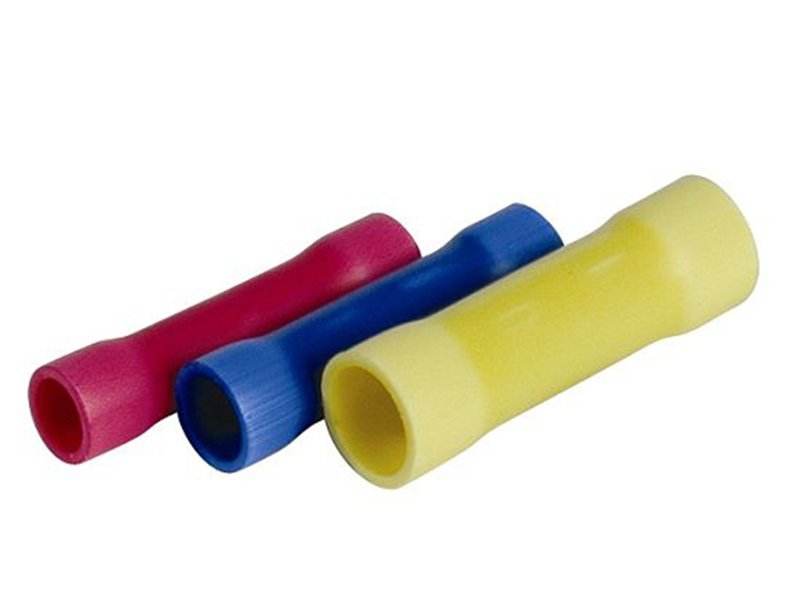
In wire harness and cable assembly work, failures rarely happen where people expect them. Engineers often focus on cable types, conductor materials, insulation ratings, or connector brands, while overlooking something far more basic: how two wires are joined together. In real-world applications—especially automotive, industrial control, and power distribution—the weakest point is often not the cable itself, but the splice hidden inside the harness.

Read More »

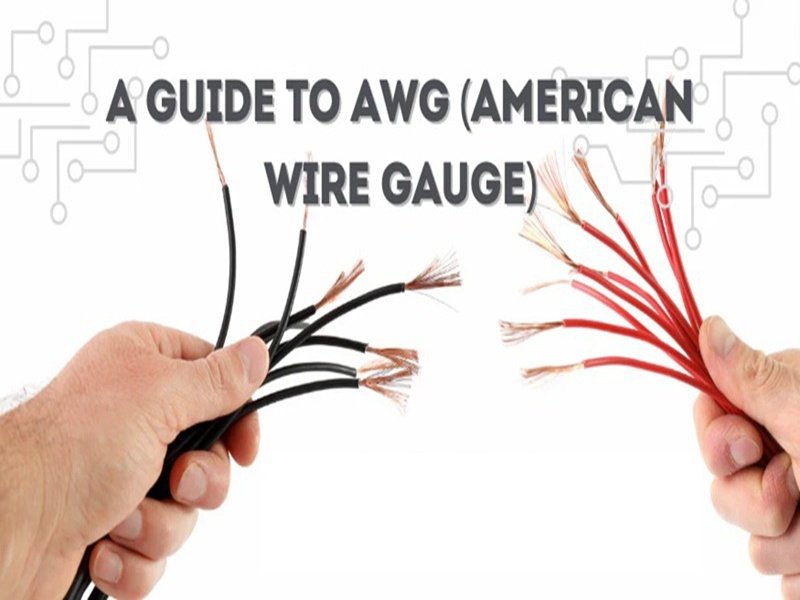
What Is AWG Cable? A Practical Guide to American Wire Gauge for Cable & Wire Harness Design

If you’ve ever reviewed a cable drawing, wire harness specification, or electrical BOM, you’ve almost certainly encountered terms like 18 AWG, 22 AWG, or 10 AWG. These numbers may look simple, but behind them lies one of the most critical — and often misunderstood — standards in cable and wire harness design: AWG. Choosing the wrong AWG size can lead to overheating, voltage drop, mechanical failure, or even compliance issues in regulated industries such as medical, industrial, and military electronics.

Read More »

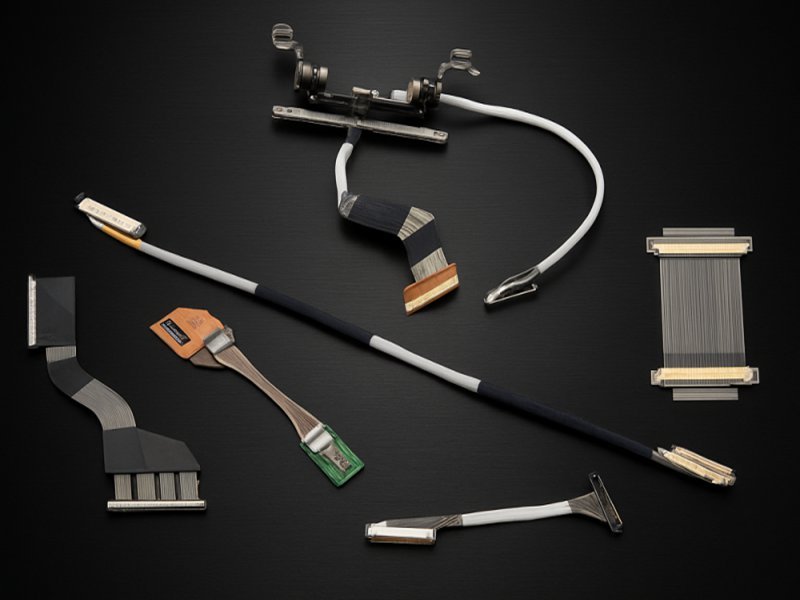
Ultra Fine Wire Harness Guide:Everything You Need to Know

Ultra fine wire harnesses are quietly powering some of the most advanced technologies today—from wearable medical sensors, robotic actuators, and high-density automotive modules to aerospace instruments and IoT devices the size of a fingernail. As electronics shrink and performance expectations rise, engineers increasingly face a difficult challenge: how to connect ultra-compact circuitry without sacrificing durability, electrical integrity, or compliance. The answer often lies in the engineering behind ultra fine wire harnesses.

Read More »

Which Materials Are Best for Durable Cable Harness Assemblies

Choosing the right materials for cable harness assemblies is far more than a technical decision—it directly impacts performance, reliability, cost, and even safety. Whether you’re an engineer in automotive design, an OEM factory buyer, or a distributor comparing specifications, the type of conductor, insulation, shielding, and connectors you select determines how well your product will function under real-world conditions.

Read More »

Ask For A Quick Quote

We will contact you within 24 Hours, please pay attentionto the email with the suffx”@sino-conn.com”.