...

News & Article

RF and Coaxial Ports: Key Differences Explained

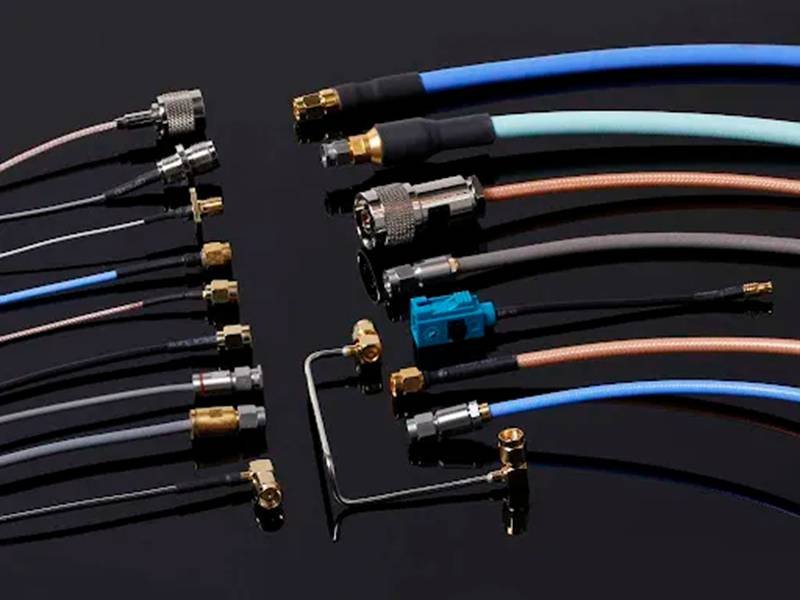
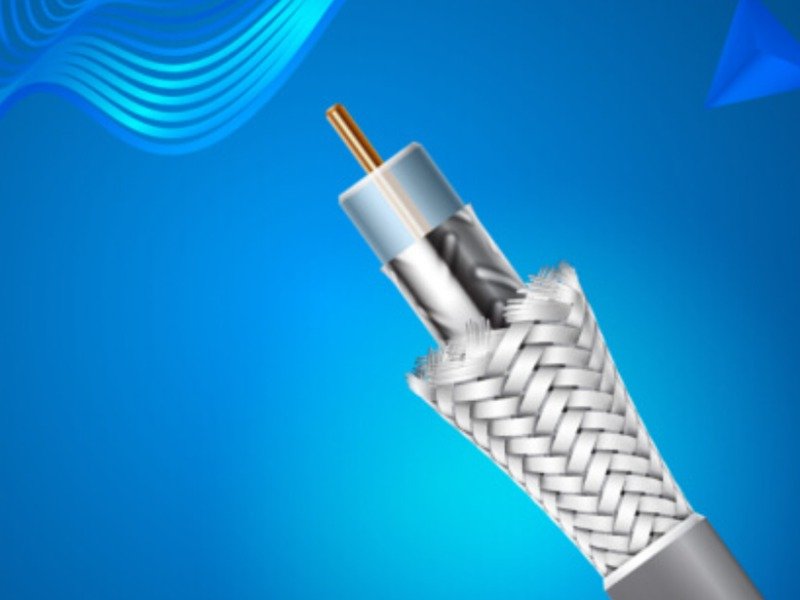
People often use the words “RF port” and “coaxial port” like they’re interchangeable. That’s why a lot of inquiries start like this: “We need an RF port cable,” and then the customer sends a photo of a coax connector—without frequency, impedance, or any datasheet.

Read More »

How Do You Select the Right RF Cable Assembly for Wireless Systems?

Wireless technology powers everything from smartphones and smart factories to satellite communication networks and industrial IoT devices. Behind every wireless system is a network of components that must transfer radio frequency signals with precision. Among these components, RF cable assemblies play a critical role in connecting antennas, transmitters, receivers, and communication modules.

Read More »

RF Cable Connector Types: A Complete Engineering Guide

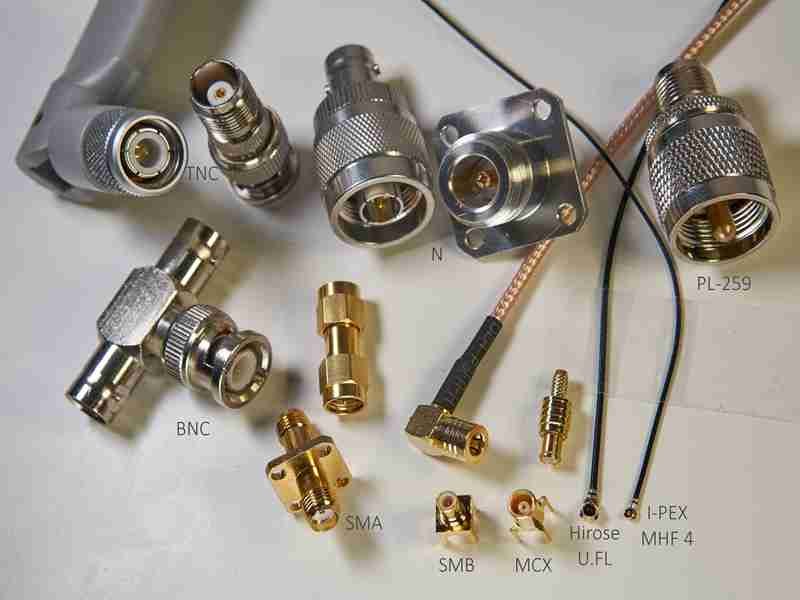
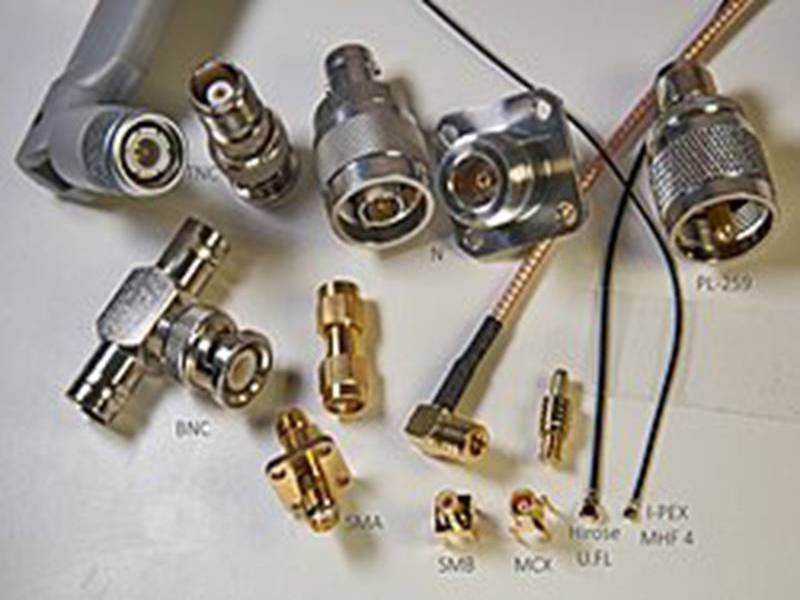
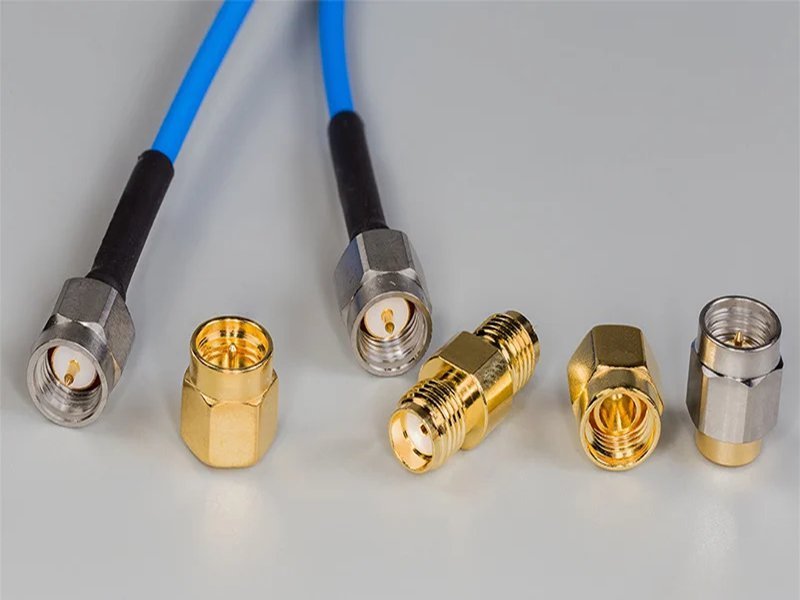
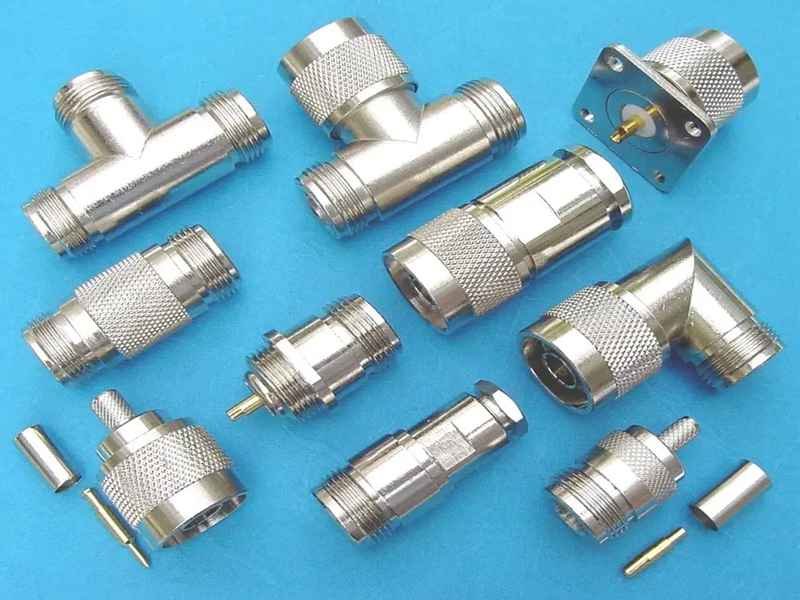
Radio-frequency connectors are one of the most misunderstood components in modern electronics. They look small, but they dictate signal quality, device compatibility, EMI performance, system durability, and even compliance with wireless standards. Yet many engineers, distributors, and OEM factories discover that “SMA,” “U.FL,” or “BNC” is not enough information to guarantee a correct match. RF connectors differ in size, impedance, frequency support, mechanical strength, weather resistance, and locking structure—and these differences determine whether a device performs flawlessly or fails in the field.

Read More »

What Are RF Connectors: A Complete Guide for Modern Wireless Systems

In every wireless device—from your home WiFi router to the antenna modules inside a drone—there is one tiny, often overlooked component that determines whether the signal is clean, stable, and strong: the RF connector. Engineers rarely debate whether RF technology matters; they debate which connector will keep signal loss low, survive outdoor conditions, and maintain the required 50Ω or 75Ω impedance. And that question lies at the center of modern RF design.

Read More »

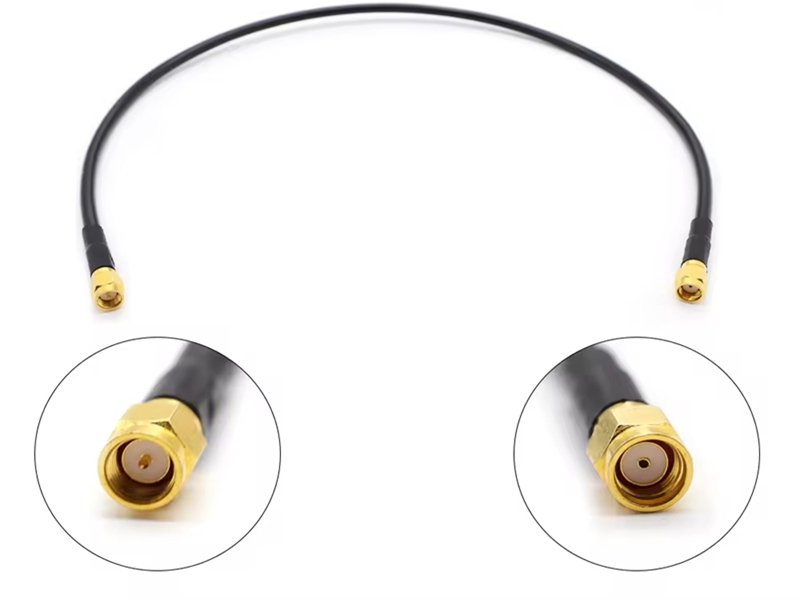
What Is an SMA Coaxial Cable and Why Is It Used in RF Systems?

When RF systems fail, the root cause is rarely obvious. Engineers often suspect firmware bugs, unstable power supplies, or noisy active components. Only after days—or weeks—of troubleshooting does attention turn to the cable. By then, the cost is already high. In high-frequency systems, the cable is not a passive link. It is an active RF transmission element that directly affects signal integrity, stability, and repeatability.

Read More »

Ask For A Quick Quote

We will contact you within 24 Hours, please pay attentionto the email with the suffx”@sino-conn.com”.