...

News & Article

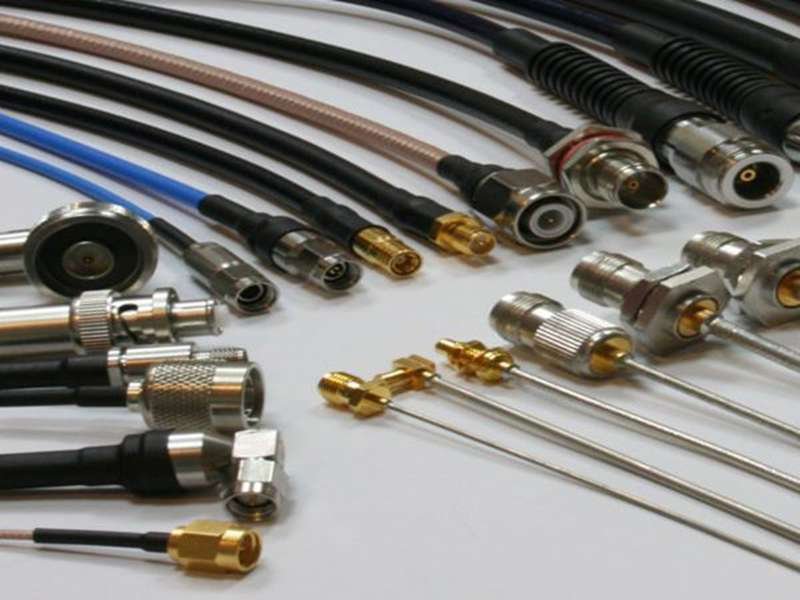
RF and Coaxial Ports: Key Differences Explained

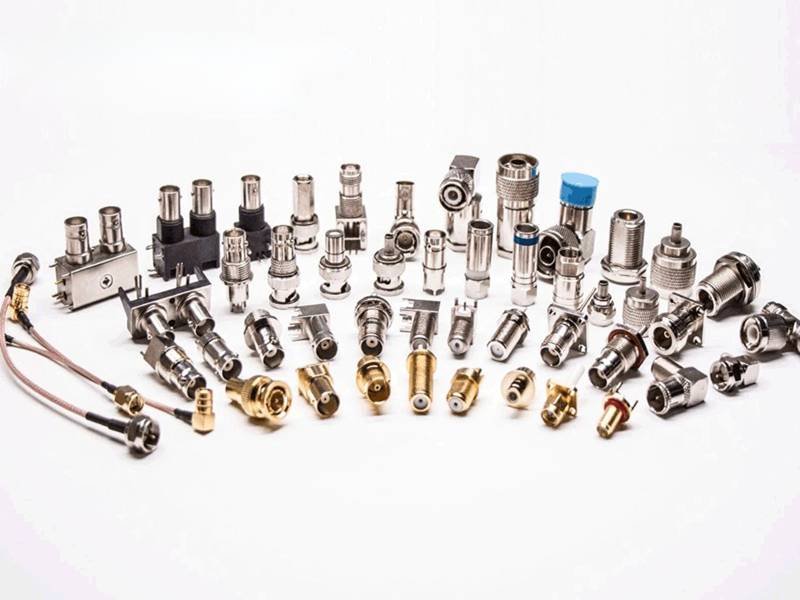
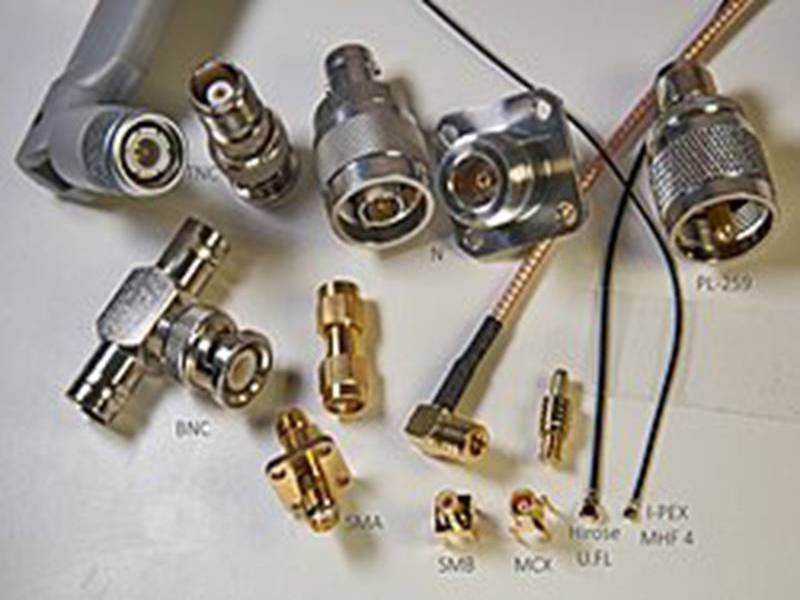
People often use the words “RF port” and “coaxial port” like they’re interchangeable. That’s why a lot of inquiries start like this: “We need an RF port cable,” and then the customer sends a photo of a coax connector—without frequency, impedance, or any datasheet.

Read More »

Coaxial Cable Specifications: How to Choose the Right Specs

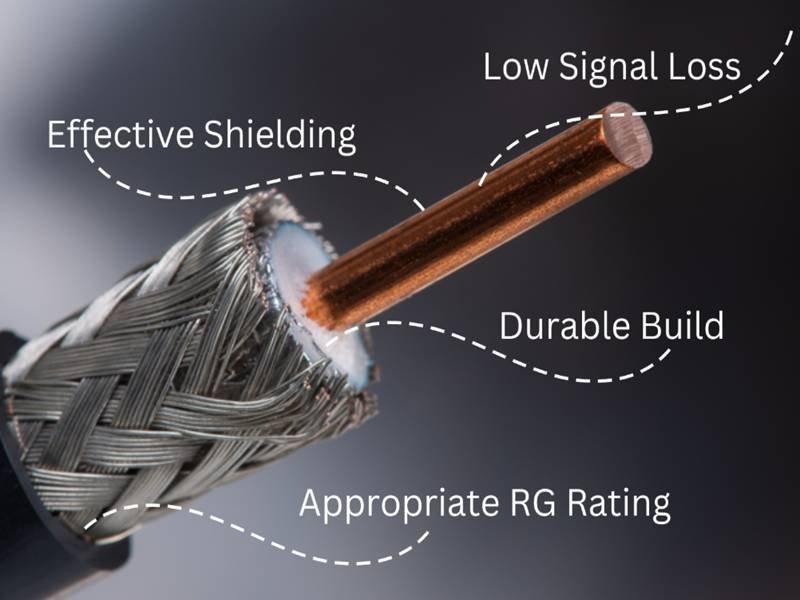
When people search “coaxial cable specifications,” they usually want a simple answer—Which cable should I buy? But in real projects, coax specs decide something more important: whether your signal stays clean, whether your assembly fits, and whether your product passes compliance without surprises. A coax cable that “looks right” can still be wrong inside—wrong impedance, the wrong shielding coverage, or a jacket that cracks after heat and oil exposure.

Read More »

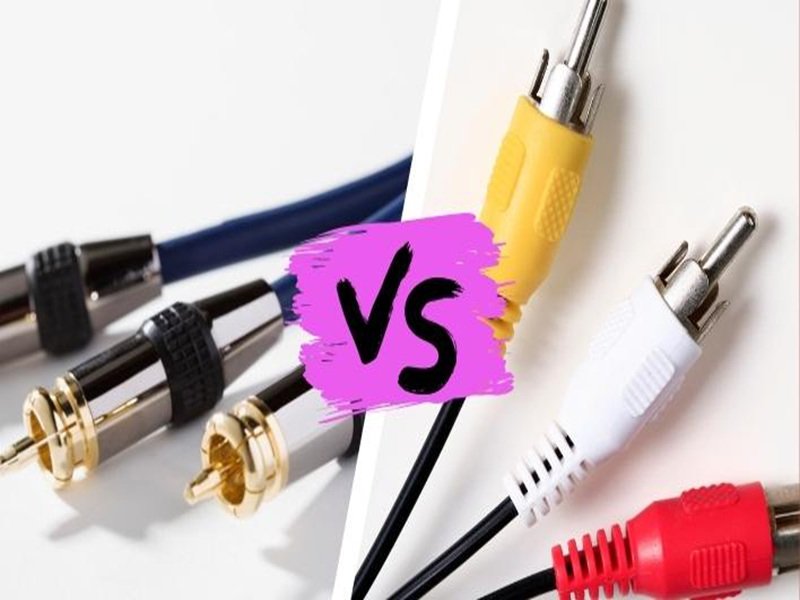
Coaxial vs RCA Cable: What Is the Real Difference and Which Should You Use?

People search “coaxial vs RCA cable” because they’re trying to solve a real problem: a connection doesn’t fit, a signal is noisy, a video line shows interference, or a digital audio link drops out randomly. The confusion usually comes from language. Coaxial describes a cable structure. RCA describes a connector style and, in everyday use, a whole cable assembly. That sounds small — but it changes what you should check before you buy, and what you must specify before you order custom assemblies.

Read More »

Coaxial Cable vs Twisted Pair Cable: What Is the Real Difference?

If you’ve ever had a product that passed tests in the lab but failed in the field, you already understand why coaxial cable vs twisted pair cable is not a “simple cable choice.” A cable is not just copper and plastic. It’s a controlled electrical structure that decides how much noise gets in, how much signal gets lost, and whether your device works reliably when it sits next to motors, power supplies, radios, or medical equipment.

Read More »

How Do You Test Coaxial Cable: OEM & Industrial Guide

Coaxial cables are everywhere—from RF communication systems and industrial automation to medical equipment and high-frequency test setups. Yet despite their widespread use, coaxial cables are often treated as “plug-and-play” components, with testing reduced to a quick continuity check or a visual inspection. In reality, improper or incomplete testing is one of the most common root causes behind signal loss, EMI issues, intermittent failures, and costly system downtime.

Read More »

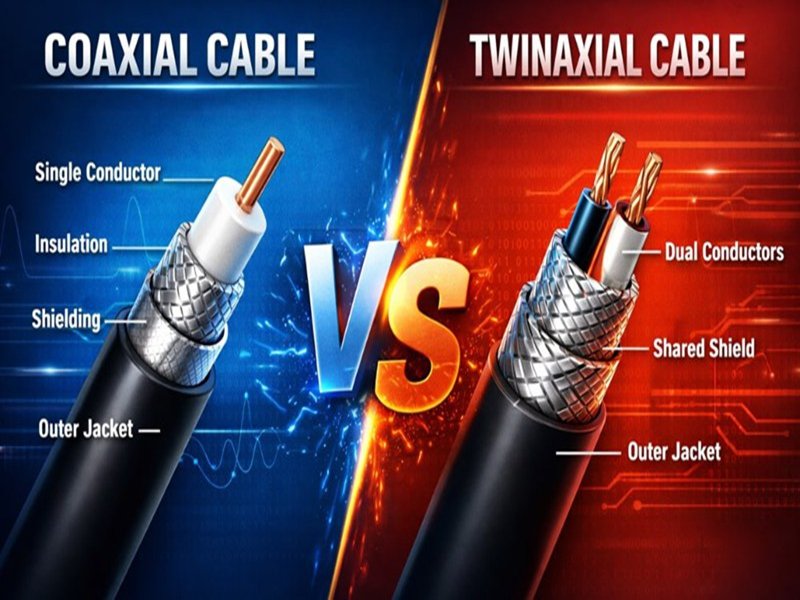
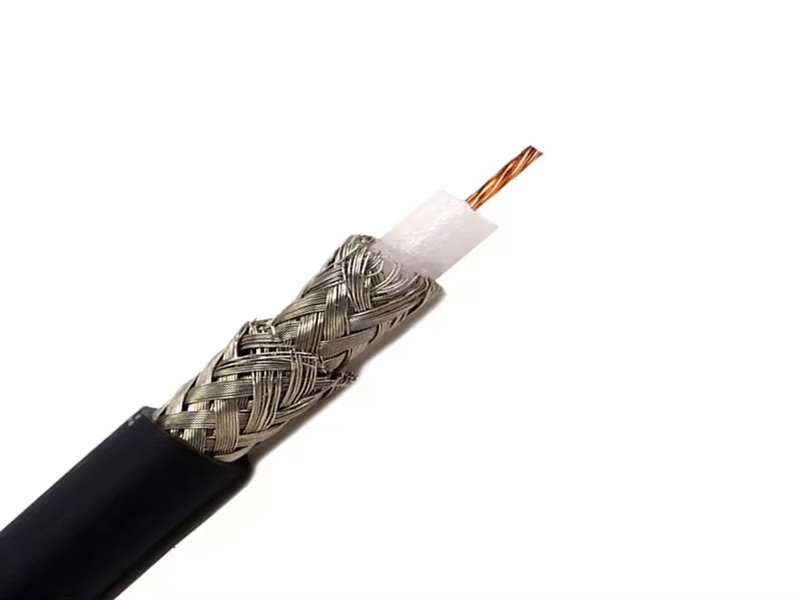
What Is a Coaxial Cable: A Complete Engineering Guide for Modern Applications

Coaxial cables are everywhere—inside TV systems, satellite receivers, antennas, CCTV networks, medical imaging devices, aerospace electronics, and even ultra-fine robotic sensors. Yet most people who use them daily don’t actually understand what makes coaxial cables so reliable, how they transmit high-frequency signals, or why industries still depend on them despite the rise of fiber optics and Ethernet. The real reason is simple: coaxial cables are uniquely engineered to maintain signal stability over long distances while resisting EMI, mechanical stress, and environmental degradation.

Read More »

Coaxial Terminator Guide:Understanding Precision in Signal Stability

In modern communication systems, accuracy depends on more than just quality cable — it relies on how well signals are terminated. Whether you’re configuring an RF analyzer, CCTV network, or high-frequency test bench, improper termination can mean unstable performance, ghosting, or even total signal loss. A coaxial terminator might look like a simple plug, but it performs one of the most important roles in ensuring electrical precision.

Read More »

Ask For A Quick Quote

We will contact you within 24 Hours, please pay attentionto the email with the suffx”@sino-conn.com”.