 Skip to content
Custom Micro Coax Cable Assembly Manufacturer
Ultra Fine 50AWG Micro Coax Solutions For AI Systems, Compact Electronics, Industrial Vision, Robotics And Precision Devices
Micro coax projects rarely begin with complete engineering drawings. Most development programs start from connector references, existing cable samples, PCB layouts or miniature installation requirements. Founded in Shenzhen in 2007, SINO-CONN supports custom micro coax cable assembly projects through engineering review, CAD confirmation, prototype development and OEM manufacturing, with processing capability down to 50AWG ultra fine cable structures and prototype support starting from 1 piece.
- Support Ultra Fine 50AWG Cable
- OD0.01mm Coil Processing Capability
- CAD Support In 30 Minutes
- Prototype Starting From 1 Piece
- Original Or Compatible Connectors
- 20–512+ Signal Paths Support
About SINO-CONN
Engineering Resources, Supply Chain Integration And Custom Manufacturing Support For Complex Micro Coax Development Programs
Micro coax projects often begin long before complete specifications become available. Product teams may only have connector references, PCB layouts, cable samples or installation images while internal product architecture is still evolving. Compact electronics frequently create challenges involving miniature connectors, limited routing space and non-standard structures that require more than simple assembly capability.
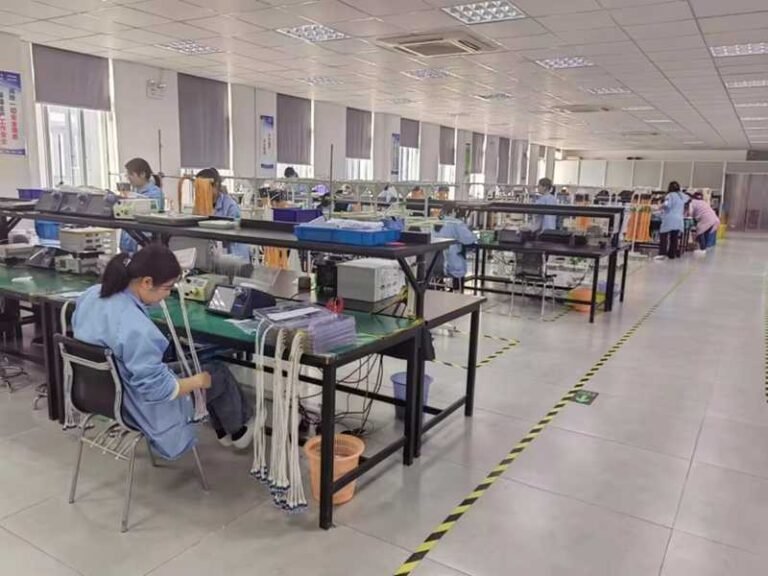
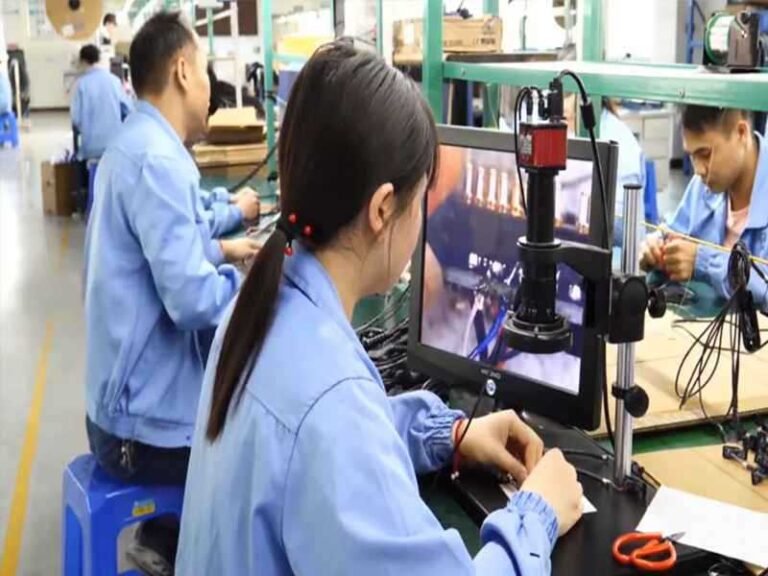
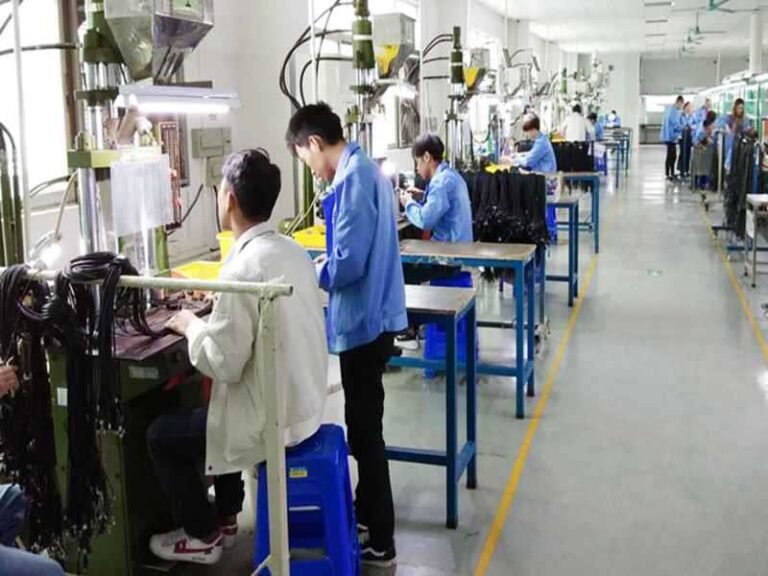
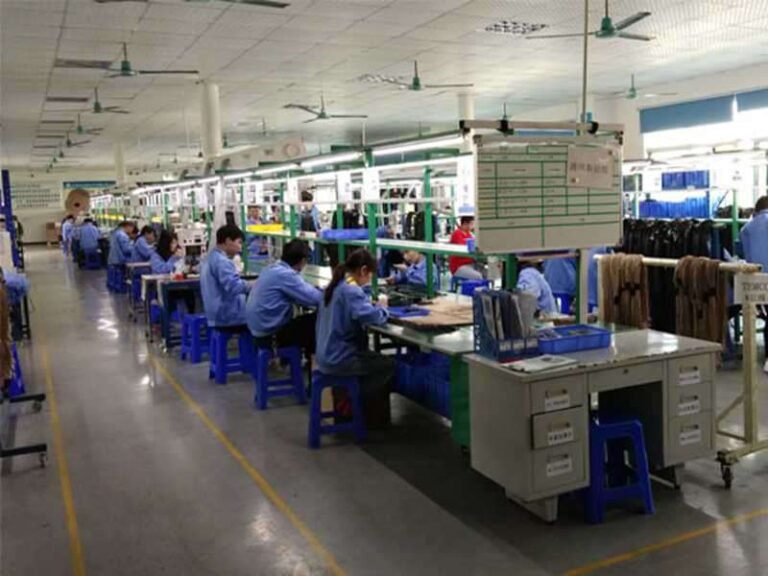
SINO-CONN supports custom wire harness and cable assembly development through integrated engineering, sample and manufacturing workflows designed for projects requiring flexible customization and structured execution.

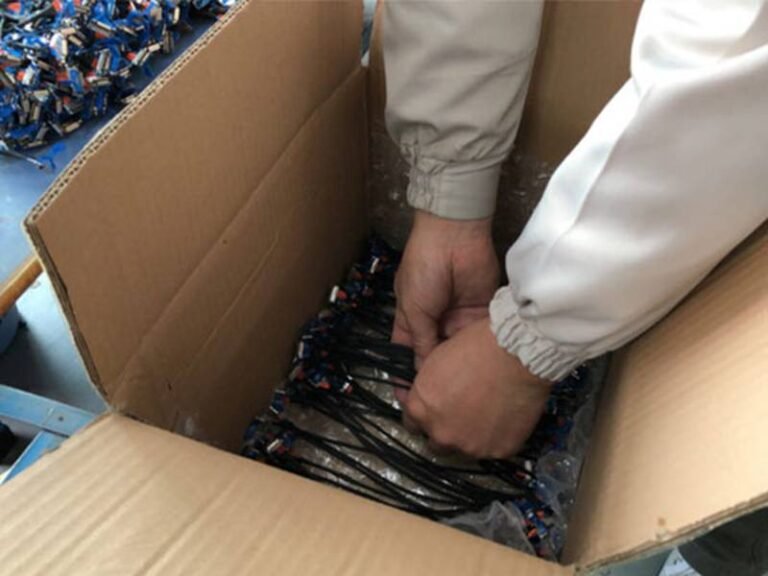
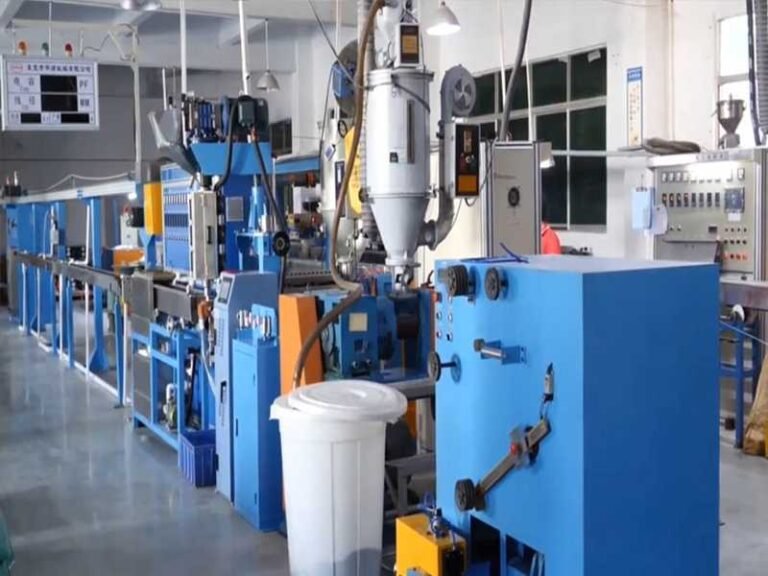
Engineering Support Built Around Real Product Development Conditions
Many micro coax projects begin during active R&D stages where product structures continue changing and engineering information remains incomplete. Instead of waiting for finalized drawings, technical review often starts from available references such as connector labels, installation sketches, PCB images or existing cable samples.
SINO-CONN supports project discussions involving cable routing direction, pin definition, branch structure, connector orientation and installation conditions. Engineering teams regularly help customers convert fragmented project information into workable cable concepts before prototype preparation begins. For suitable projects, CAD review can be prepared rapidly after key project details become available.
Integrated Supply Chain Resources Supporting Specialized Connector And Material Ecosystems
Micro coax assemblies frequently involve miniature connector platforms, specialized cable materials, shielding structures and precision components that may originate from different supply sources. Development schedules occasionally become affected by connector lead time or sourcing flexibility rather than cable manufacturing itself.
SINO-CONN maintains long-term cooperation with wire suppliers, connector manufacturers, overmolding partners and precision component factories supporting ecosystems including I-PEX, HRS, JAE, Honda, KEL, Molex, TE, Amphenol, Samtec, LEMO and RF connector platforms. Projects can evaluate original and compatible solutions according to purchasing targets, development speed and production planning.
Internal Sample And Manufacturing Teams Help Reduce Project Transfer Gaps
One common challenge in custom projects appears when engineering review and manufacturing execution become disconnected. A structure approved during technical discussion can still create delays if information transfer becomes fragmented between design and production stages.
SINO-CONN supports internal workflows connecting engineering discussions, sample development and production preparation through dedicated teams. Many projects start with a few prototype assemblies, gradually moving toward pilot production and repeat manufacturing after installation and validation stages are completed.
Flexible Manufacturing Support Across Multiple Compact Electronic Industries
Micro coax cable assemblies increasingly support products where electronic systems continue becoming smaller and more integrated. Different industries often create different technical priorities. Medical systems may focus on compact routing space, embedded devices may prioritize fine pitch integration and industrial electronics may require organized cable architecture inside dense product structures.
SINO-CONN supports custom cable assemblies used across medical devices, AI electronics, industrial vision systems, robotics equipment, UAV platforms and embedded products, helping engineering teams develop structures based on actual installation environments rather than predefined catalog limitations.
Most Micro Coax Project Delays Come From Product Integration Problems Rather Than Cable Manufacturing Alone
Micro coax projects often appear straightforward during early development. Connector models may already be selected, signal definitions may be available and preliminary cable layouts may look reasonable in drawings. Difficulties frequently appear later during sample installation, product validation and internal assembly stages where real product conditions become visible.
Compact products continue integrating displays, sensors, processors, communication modules and multiple PCBs into smaller spaces. In many situations, engineering teams discover that the challenge is not whether a cable can be built, but whether it can fit, route and function consistently inside the final product architecture.

The following issues frequently appear during technical discussions and supplier transitions.
| Common Project Challenge | Typical Result |
|---|---|
| Connector Ecosystem Mismatch | Repeated Sample Changes |
| Cable OD Too Large | Installation Difficulty |
| Fine Pitch Assembly Sensitivity | Prototype Delays |
| Product Layout Changes | Structure Revisions |
| Signal Path Planning Gaps | Validation Issues |
| Low Quantity Prototype Needs | Supplier Flexibility Problems |
Connector Ecosystem Selection Sometimes Creates Problems Long After Prototype Discussions Begin
Many compact products rely on miniature connector platforms such as I-PEX, HRS, JAE, U.FL and RF interfaces. Connectors may initially appear compatible because dimensions and interfaces look similar, but small differences in pitch spacing, mating height, cable exit direction or sourcing conditions can create unexpected problems later.
Engineering teams occasionally complete cable design work only to discover sourcing limitations or installation conflicts after prototype assembly begins. SINO-CONN frequently supports projects starting from connector references, labels and product photos because connector review often helps identify risks before physical samples are produced.
Cable Outer Diameter Frequently Creates Installation Problems Inside Compact Products
Internal routing space inside modern products continues shrinking as additional electronic functions become integrated into the same enclosure. Batteries, display modules, camera systems, sensors and PCB stacks often compete for limited space, leaving fewer routing pathways available for cable assemblies.
Many projects initially focus on electrical requirements and connector models while assuming cable diameter can be adjusted later. During actual assembly, small OD changes sometimes create large differences in routing behavior and installation success. Product teams frequently provide installation images and internal layouts because real product architecture often explains constraints better than dimensional drawings.
Fine Pitch And Miniature Structures Frequently Require Greater Process Stability
Micro coax projects involving compact interfaces and miniature cable structures often create sensitivity during assembly and validation. Fine pitch environments provide less physical tolerance, meaning small structural variation can influence installation efficiency and repeatability.
Development teams occasionally experience prototype inconsistency when miniature structures are processed without sufficient precision control. Projects involving compact architectures frequently prioritize suppliers capable of understanding both miniature product environments and assembly execution requirements.
Product Architecture Frequently Continues Evolving During Development Stages
Unlike standard catalog products, many micro coax projects remain under active development throughout early engineering stages. Internal product layouts, routing pathways and mechanical structures may continue changing while cable discussions are already underway.
Branch positions, cable exits and structure organization often require adjustment after installation validation begins. SINO-CONN regularly supports engineering discussions beginning from PCB layouts, product photos and cable samples because cable structures often evolve together with the product itself.
Signal Path Planning Sometimes Begins Too Late In Development Cycles
Compact electronic products frequently place signal pathways near processors, RF systems and embedded electronics inside highly integrated environments. Early development discussions often focus on dimensions and connector selection while signal pathway organization receives less attention.
Some projects only identify signal concerns after prototypes enter validation stages. Earlier review of cable pathways, routing conditions and connector interfaces often helps reduce repeated sample revisions later.
Prototype Quantities Frequently Begin Before Purchasing Plans Exist
Many development programs start with engineering validation quantities rather than established production forecasts. Product teams may initially require only a few assemblies to confirm installation and functional behavior before larger purchasing discussions become relevant.
Traditional suppliers focused on volume production sometimes struggle supporting low-quantity programs with changing requirements. SINO-CONN supports prototype projects beginning from 1 piece, helping engineering teams start validation work without waiting for larger procurement schedules.
Custom Micro Coax Assemblies Cover More Than A Single Cable Type Or Connector Family
Micro coax projects rarely fit into one standard product category. Different products create different installation environments, signal structures and connector ecosystems. Some projects focus on miniature RF transmission pathways, while others require dense board-level interconnections or multiple cable branches connecting several internal modules simultaneously.
Many engineering teams begin development with a connector reference or existing sample rather than a predefined cable specification. Product architecture often determines cable direction, structure organization and interface selection. SINO-CONN supports custom micro coax assemblies developed around installation requirements and real product environments rather than fixed catalog configurations.
| Product Category | Typical Product Type | Structure Focus |
|---|---|---|
| RF Micro Coax Assemblies | Wireless Electronics | Compact Signal Routing |
| Fine Pitch Board Assemblies | Embedded Products | Miniature Integration |
| LVDS Micro Coax Assemblies | Imaging Systems | Organized Signal Architecture |
| Hybrid Signal Assemblies | Compact Electronics | Multi-Function Integration |
| Multi-Branch Assemblies | High-Density Devices | Routing Optimization |
| Custom Miniature Structures | Precision Electronics | Non-Standard Development |

RF Micro Coax Assemblies Supporting Compact Wireless And Embedded Electronics
RF micro coax structures frequently appear in communication modules, wireless products and embedded electronic systems where internal routing space remains extremely limited. These projects often require compact signal pathways together with miniature interfaces capable of fitting into small installation areas.
Product discussions frequently involve U.FL, MHF and compact RF connector platforms together with customized cable lengths and connector orientation requirements. Product teams often begin by providing existing cable references or PCB images before detailed drawings become available. Routing flexibility and connector positioning usually become important during early development review.

Fine Pitch Board-Level Assemblies For Compact Internal Connections
Board-level cable structures frequently connect display modules, embedded systems and internal electronic boards inside products where available installation space continues shrinking. Fine pitch connector ecosystems often become necessary because products integrate more functions into increasingly smaller layouts.
Projects commonly involve I-PEX, HRS, JAE and miniature board interfaces, where connector orientation and cable pathway organization directly influence assembly efficiency. SINO-CONN supports original and compatible connector sourcing options according to development schedules and project requirements.

LVDS Micro Coax Assemblies For Display, Imaging And Data Transmission Systems
LVDS micro coax structures often support display systems, compact imaging platforms and products requiring organized high-density signal architecture. Internal layouts frequently require multiple pathways operating together while maintaining efficient routing organization.
Projects involving LVDS assemblies commonly include custom pin definitions, specialized connector arrangements and compact cable pathways. Product teams often provide PCB layouts and display architecture references because internal installation conditions frequently influence structure planning.

Hybrid Cable Assemblies Combining Power And Signal Structures
Modern compact products increasingly combine several functions into one integrated electronic architecture. Instead of using separate cable assemblies for power and communication pathways, many projects integrate multiple functions into one structure to reduce internal complexity.
Hybrid assemblies can help reduce cable quantity inside compact products while improving routing organization and installation efficiency. Projects regularly involve customized wiring sequences, connector combinations and non-standard architecture requirements based on product structure.

Multi-Branch Assemblies Supporting Complex Internal Product Layouts
Products integrating cameras, processors, sensors and multiple electronic modules often require several cable pathways connected within one organized assembly structure. Branch position and cable organization frequently become important because multiple modules may compete for installation space.
Development discussions commonly involve branch locations, connector exits and internal pathway planning. SINO-CONN supports cable structures ranging from 20–512+ signal paths, helping support products requiring high-density architecture and organized internal cable layouts.

Custom Miniature Structures Supporting Non-Standard Product Requirements
Some projects cannot be categorized into standard product types because installation environments, connector combinations or product architecture create unique requirements. Engineering teams often provide cable samples, product photos or partial drawings instead of finished documentation.
Custom structures may involve miniature routing environments, specialized connector combinations, compact product integration or unusual installation requirements. Product development frequently begins from engineering discussion and sample review before structure definitions become finalized.
Connector Selection Often Determines Product Integration Speed Long Before Cable Production Begins
Many micro coax projects appear to begin with cable discussions, but connector selection frequently becomes the first factor affecting development progress. Connector ecosystems influence much more than mating interfaces. Connector pitch, physical dimensions, cable exit direction, sourcing conditions and installation behavior often shape the entire cable architecture and product layout.

Miniature products continue integrating more electronics into smaller spaces. Camera modules, embedded boards, RF systems, compact sensors and AI electronics increasingly rely on fine-pitch connector platforms where dimensional differences measured in millimeters can affect final assembly results. Connector discussions therefore often begin before cable drawings become available.
SINO-CONN supports custom micro coax projects using both original and compatible connector ecosystems across multiple miniature platforms, helping customers evaluate practical solutions according to engineering requirements and purchasing priorities.
| Connector Platform | Common Product Usage | Engineering Focus |
|---|---|---|
| I-PEX | Camera / Embedded Systems | Fine Pitch Integration |
| HRS | Compact Electronics | Board-Level Connection |
| JAE | Embedded Modules | Miniature Interfaces |
| U.FL / MHF | RF Modules | Compact Signal Routing |
| LEMO | Medical Electronics | Secure Connection |
| Molex / TE | Industrial Systems | Supply Stability |
| Samtec | High Density Electronics | Compact Architecture |
| Honda / KEL | Specialized Systems | Custom Layout Support |
I-PEX And Fine Pitch Connector Ecosystems Frequently Support Space-Constrained Products
I-PEX connector systems commonly appear in products where internal installation space becomes highly restricted. Compact AI electronics, embedded devices, camera modules and display systems frequently rely on fine-pitch structures because board spacing and routing pathways continue shrinking.
Projects involving I-PEX interfaces often include considerations beyond connector selection itself. Mating height, cable direction and installation position may directly affect product assembly. Engineering teams frequently provide connector labels, PCB images or existing cable references before detailed cable structures are finalized.
SINO-CONN supports original and compatible I-PEX ecosystems according to development schedules and sourcing requirements, helping customers review options before prototype stages begin.
HRS, JAE, Honda And KEL Platforms Frequently Appear In Specialized Compact Architectures
Compact products often require connector systems optimized around specific product structures rather than universal standards. HRS, JAE, Honda and KEL ecosystems frequently support display modules, industrial electronics, embedded systems and miniature board-level products requiring specialized layouts.
These connector platforms can influence routing pathways, branch locations and cable orientation inside compact products. Small connector differences may create installation constraints later during prototype assembly.
Product teams regularly provide PCB layouts and enclosure images because connector behavior inside actual products frequently becomes more important than dimensions alone.
U.FL, MHF And RF Connector Systems Frequently Support Miniature Signal Environments
RF and wireless products often require extremely compact connector interfaces where routing space remains limited. U.FL, MHF and related RF platforms commonly support communication modules, antenna systems and embedded RF devices operating inside dense electronic environments.
Projects involving miniature RF structures frequently begin from cable samples and module photos rather than complete engineering packages. Technical discussions often include connector orientation, routing direction and interface positioning because installation conditions may influence development decisions.
Compact RF projects frequently prioritize small footprint architecture while maintaining practical installation conditions.
Original And Compatible Connector Strategies Frequently Follow Different Development Objectives
Connector strategy discussions frequently involve balancing technical requirements with purchasing realities. Long-term OEM projects often prioritize original connector platforms for consistency and established supply planning. Engineering validation programs and rapid development projects sometimes prioritize sourcing flexibility and shorter material cycles.
SINO-CONN supports connector ecosystems involving I-PEX, HRS, JAE, KEL, Honda, Molex, TE, Amphenol, Samtec, LEMO and RF connector platforms, helping customers evaluate connector choices according to cost targets, prototype schedules and manufacturing requirements.
Rather than treating connector selection as a catalog decision, technical review often focuses on how connector platforms fit the actual product architecture.
Ultra Fine Cable Structure Guide
Ultra Fine Cable Structure Selection Frequently Determines Whether Compact Products Can Be Assembled Efficiently And Repeated Consistently
Micro coax projects often begin with connector discussions and signal definitions, but cable structure frequently becomes the factor that determines whether a product can actually fit, route and assemble successfully. Inside compact electronics, available space continues shrinking while internal functionality continues increasing. Sensors, batteries, processors, displays and RF modules often compete for the same installation space, making cable architecture an important part of product design.
Ultra-fine structures should not simply be selected according to the smallest available cable size. Conductor dimensions, outer diameter, shielding architecture and routing conditions frequently influence product integration, assembly efficiency and future manufacturing practicality.

SINO-CONN supports customized micro coax development involving miniature architectures ranging from compact routing assemblies to 50AWG ultra-fine structures, helping engineering teams evaluate cable design according to actual product conditions rather than predefined configurations.
| Cable Structure | Typical Characteristics | Common Product Direction |
|---|---|---|
| 42AWG | Larger Structure / Easier Handling | Industrial Electronics |
| 46AWG | Balanced Flexibility | Embedded Systems |
| 48AWG | Compact Architecture | AI Electronics |
| 50AWG | Extreme Miniaturization | Precision Devices |
| Shielded Multi-Coax | Organized Signal Structures | Imaging Systems |
| Hybrid Structure Layout | Combined Functions | Compact Electronics |
Conductor Size Selection Frequently Begins With Product Space Rather Than Electrical Preference
Development teams occasionally request the smallest possible structure assuming smaller automatically creates a better result. In compact electronic products, conductor selection frequently depends on installation conditions rather than simple dimensional preference.
Products with relatively open internal architecture may benefit from larger conductor structures because handling and assembly become easier. Highly integrated products containing stacked PCB layouts, compact modules and narrow routing pathways may require more miniature structures.
Engineering teams frequently provide enclosure images, PCB layouts and installation references because physical product architecture often explains cable requirements more effectively than specification sheets alone.
Cable Outer Diameter Frequently Determines Real Installation Success During Product Assembly
Cable dimensions appearing acceptable during CAD review occasionally become difficult during physical installation. Product architecture often changes after batteries, displays and communication modules enter assembly stages. Available routing pathways can become significantly smaller than originally expected.
A minor OD change may create substantial differences during installation. Products operating inside compact environments frequently require cable pathways passing through corners, narrow channels or layered electronic structures.
SINO-CONN regularly supports projects beginning from internal product photos and sample assemblies where routing environments become part of structure evaluation before prototype production starts.
Shield Structure And Cable Architecture Frequently Influence Flexibility Together
Micro coax structures often involve foil shielding, braided structures or hybrid organization depending on installation conditions and product environments. While shielding commonly supports signal organization, structural architecture can also affect flexibility and routing behavior.
Compact products requiring repeated bends or organized installation pathways frequently need a balance between cable protection and installation practicality. Excessive structure complexity may reduce flexibility while overly simplified structures may create limitations later during validation.
Cable architecture discussions frequently include pathway conditions and connector orientation because structure performance often depends on the complete product environment.
High Density Cable Layouts Frequently Require Organized Structure Planning Early In Development
Products integrating cameras, sensors, displays and embedded electronics sometimes require multiple signal pathways operating inside highly compact spaces. Instead of using separate cable structures, some products integrate multiple pathways into organized micro coax layouts.
Projects involving 20–512+ signal paths frequently require discussions around branch positions, cable grouping methods and connector organization before prototype development begins. Internal organization often influences assembly efficiency and future manufacturing consistency as much as cable specifications themselves.
Precision Manufacturing Capability Center
Ultra Fine Micro Coax Manufacturing Requires Process Stability, Engineering Execution And Production Control Beyond Standard Cable Assembly
Many cable suppliers can assemble standard harness products, but ultra-fine micro coax projects frequently require a different manufacturing approach. As cable dimensions become smaller and connector interfaces become more compact, production tolerance naturally becomes narrower. A cable structure that appears achievable in drawings may still become difficult during stripping, positioning, soldering or assembly if process control is insufficient.

For compact products using fine pitch connectors, miniature routing pathways and specialized structures, manufacturing capability often becomes part of supplier evaluation before samples are approved. Product teams increasingly review whether suppliers can support not only assembly, but also engineering responsiveness, prototype execution and repeat production consistency.
SINO-CONN supports micro coax projects involving 50AWG ultra-fine structures, OD0.01mm enamel wire coil capability, 30mm–10m+ cable lengths and 20–512+ signal paths, supporting development programs from engineering validation through OEM manufacturing.
Ultra Fine Processing Requires Stable Preparation Methods And Precision Handling
As conductor dimensions continue shrinking, cable preparation stages become increasingly sensitive. Stripping depth, conductor exposure, positioning accuracy and miniature connector preparation frequently require tighter process consistency than conventional wire harness production.
Projects involving compact micro coax structures may include miniature board interfaces, specialized routing environments and fine pitch ecosystems where very small variations become difficult to identify after assembly completion.
SINO-CONN supports processing requirements involving ultra-fine structures where preparation quality, handling consistency and inspection become important before products move into validation stages. Many projects begin from cable samples or existing assemblies because manufacturing feasibility often needs review together with product architecture.
Prototype Support Frequently Determines Whether Development Programs Move Forward Efficiently
Engineering programs often begin with validation quantities rather than production schedules. Product teams may initially need only several assemblies for installation review, internal testing or feasibility confirmation before procurement activities begin.
Traditional volume-focused suppliers sometimes struggle supporting changing engineering requirements and low quantity development stages. SINO-CONN supports projects beginning from 1 piece, allowing teams to verify installation conditions and structure behavior before larger production decisions become necessary.
Prototype discussions frequently begin from connector labels, CAD references, PCB layouts and product images rather than finalized cable drawings.
Specialized Miniature Structures Sometimes Require Manufacturing Methods Beyond Standard Cable Processing
Some compact products create requirements that extend beyond conventional cable architecture. Ultra-small routing pathways, miniature coils, compact assemblies and precision electronic products occasionally require specialized handling methods rather than standard production approaches.
SINO-CONN supports projects involving OD0.01mm enamel wire winding capability, miniature structure handling and specialized cable processing requirements supporting compact electronic products and precision systems.
These structures are not required for every project, but become valuable where installation environments create highly constrained routing conditions.
Manufacturing Capability Becomes More Important When Programs Move Toward OEM Production
Prototype approval alone does not guarantee long-term production success. Once projects move into pilot runs and repeat manufacturing, consistency frequently becomes more important than sample performance itself.
Cable organization, documentation control, process execution and inspection discipline often influence whether approved samples remain stable across future production quantities.
SINO-CONN supports development workflows extending from prototype validation through repeat manufacturing programs, helping customers maintain continuity as products transition toward larger production requirements.
Connector And Cable Compatibility Guide
Connector And Cable Compatibility Frequently Determines Whether A Prototype Fits Correctly During Real Product Assembly
Many micro coax projects successfully pass drawing review but still require multiple sample revisions because connector systems and cable structures were evaluated separately. A connector may match electrically and mechanically on paper, yet create installation difficulties once the product enters physical assembly. Compact electronics often leave little tolerance for cable routing changes, connector orientation errors or oversized structures.

In highly integrated products, connector compatibility is not only about mating interfaces. Cable OD, bend radius, connector pitch, exit direction and nearby component spacing frequently influence assembly success. Many development teams only discover these issues after prototype installation begins.
SINO-CONN frequently reviews compatibility topics during early technical discussions because many projects begin from connector labels, product photos and existing samples rather than complete cable documentation.
| Compatibility Factor | Engineering Consideration | Project Impact |
|---|---|---|
| Connector Pitch | Space Around PCB Area | Board Integration |
| Cable OD | Routing Clearance | Assembly Success |
| Exit Direction | Product Pathway | Installation Efficiency |
| Mating Height | Internal Product Space | Mechanical Fit |
| Bend Radius | Connector Stress Area | Long-Term Reliability |
| Shield Termination | Interface Layout | Structural Organization |
Fine Pitch Connectors And Cable Structures Frequently Need To Be Evaluated Together Rather Than Separately
Miniature connector systems commonly used in compact electronics often operate within highly restricted installation environments. Products involving I-PEX, HRS, JAE and compact board-level interfaces frequently require close review because cable dimensions and connector geometry directly influence one another.
Fine pitch connectors may appear compatible during CAD review but can create assembly pressure if cable structures become oversized. Conversely, extremely small cable structures may create handling limitations depending on product architecture.
SINO-CONN frequently supports projects where connector labels, PCB images and cable references become starting points for compatibility discussions before sample development begins.
Cable Outer Diameter Frequently Determines Whether Internal Routing Works Smoothly
Cable OD becomes increasingly important as products continue integrating displays, processors, sensors and communication modules into smaller spaces. Product teams sometimes prioritize connector selection first and assume cable dimensions can be adjusted later.
During physical assembly, even small OD differences occasionally influence installation behavior significantly. Products may require cable pathways through narrow channels, tight corners or crowded electronic structures where routing clearance becomes limited.
Engineering review often benefits from enclosure images and internal installation references because product architecture frequently explains routing limitations better than dimensional specifications alone.
Connector Exit Direction Frequently Influences Product Installation More Than Expected
Cable exit orientation may appear like a minor detail during drawing preparation, but physical installation frequently reveals different behavior. Straight exits, side exits and angled pathways can create different routing conditions depending on enclosure layout and nearby components.
Products involving compact structures sometimes require cable pathways immediately after the connector area, leaving little room for adjustment during assembly. Exit direction therefore often influences installation sequence and routing flexibility.
Many development teams provide assembly photos and product images because connector orientation discussions frequently depend on actual installation conditions rather than dimensional data alone.
Compatibility Review Frequently Helps Reduce Repeated Prototype Revisions
Many sample revisions occur because products fit differently in real environments than expected during engineering review. Connector models may be correct and cable lengths may match specifications, yet assemblies still require redesign because installation pathways create unexpected limitations.
SINO-CONN frequently begins technical discussions from product photos, sample assemblies and connector references to identify compatibility risks before prototype production starts. Projects involving compact routing environments often benefit from early compatibility evaluation because physical integration problems become more expensive after validation stages begin.
Micro Coax Application Engineering Center
Micro Coax Applications Are Defined By Product Architecture, Space Constraints And Internal Integration Requirements Rather Than By Industry Labels Alone
Micro coax cable assemblies increasingly appear across products where electronics continue becoming smaller, denser and more functionally integrated. The challenge in many projects is not simply transmitting signals from one point to another. Internal space limitations, miniature connector ecosystems, compact board layouts and installation pathways often become the factors determining cable architecture.

Different industries may use different products, but engineering challenges frequently remain similar. Limited routing space, compact interfaces, multiple modules and non-standard internal layouts often create requirements that standard cable assemblies cannot solve efficiently.
SINO-CONN supports custom micro coax projects across multiple compact electronics sectors, helping development teams evaluate cable architecture according to actual product environments rather than predefined catalog structures.
| Application Sector | Typical Product Environment | Main Engineering Focus |
|---|---|---|
| Medical Devices | Compact Diagnostic Systems | Internal Space Optimization |
| AI Camera Systems | Dense Electronic Architecture | Fine Pitch Integration |
| Industrial Vision | Continuous Equipment Operation | Organized Internal Layout |
| Robotics Electronics | Moving Compact Systems | Flexible Routing |
| UAV Platforms | Lightweight Structures | Reduced Size And Weight |
| AR / VR & Embedded Devices | Ultra-Thin Products | Miniature Interconnect Design |
Medical Devices Frequently Require Compact Internal Structures Supporting High Functional Density
Medical systems often integrate sensors, imaging modules, display components and processing electronics inside compact enclosures where installation pathways remain limited. Products involving portable devices, imaging systems and diagnostic platforms frequently require highly organized internal cable layouts because available routing space may continue shrinking as functionality increases.
Many medical development programs begin before cable drawings become finalized. Engineering teams often provide enclosure layouts, product photos or sample references to evaluate possible cable pathways. Product architecture frequently influences cable organization more than electrical requirements alone.
SINO-CONN supports custom cable development discussions for compact medical environments where routing efficiency and miniature structure integration become important during early design stages.
AI Camera Systems Frequently Combine High Component Density With Limited Routing Space
AI cameras increasingly integrate image sensors, processors, communication modules and multiple electronic boards inside highly compact structures. Internal space often becomes crowded because products require more functionality without increasing overall size.
Micro coax assemblies commonly support internal board-to-board connections and compact routing pathways where connector orientation and cable organization affect assembly efficiency. Fine pitch connector ecosystems frequently become part of engineering review because connector position and cable routing often influence one another.
Many projects begin from PCB references and product layouts because installation conditions frequently determine structure decisions before final cable definitions become available.
Industrial Vision Systems Frequently Require Organized Internal Architecture For Long-Term Equipment Stability
Industrial vision products often combine cameras, processors, communication systems and display interfaces operating continuously inside integrated electronic environments. Internal organization frequently becomes important because products may require long operating periods and stable assembly structures.
Cable routing pathways inside industrial systems often need to remain organized to support serviceability and assembly consistency. Compact electronic architecture may also require miniature cable systems rather than conventional harness solutions.
Projects involving industrial vision systems frequently begin from system layouts and installation conditions rather than complete cable drawings.
Robotics Electronics Frequently Require Compact Routing Within Mechanically Complex Environments
Robotic systems increasingly integrate sensors, cameras, processors and communication modules within compact structures where electronics and mechanical components coexist closely. Internal cable routing frequently needs to avoid moving assemblies and structural limitations while maintaining organized pathways.
Products involving compact robotic systems often require customized cable architecture because installation pathways may differ significantly depending on product movement and internal organization.
SINO-CONN supports custom routing discussions where product photos, installation videos and prototype references help evaluate practical cable layouts before structure confirmation begins.
UAV Platforms Frequently Prioritize Lightweight Structures And Efficient Internal Packaging
UAV systems and drone platforms frequently contain cameras, communication systems, control modules and sensor electronics operating within highly space-constrained environments. Product teams often prioritize minimizing size and weight while maintaining organized installation conditions.
Micro coax assemblies may support compact pathways and smaller cable structures where conventional cable systems create unnecessary bulk. Routing pathways frequently require evaluation because product architecture often changes as prototype designs evolve.
Development discussions commonly begin from installation images and existing cable samples before complete documentation becomes available.
AR, VR And Embedded Electronics Frequently Require Extremely Compact Interconnect Architecture
AR devices, VR systems and embedded electronics continue becoming thinner and more integrated. Displays, processors, sensors, batteries and communication modules frequently operate within product architectures where internal spacing becomes extremely restricted.
Micro coax structures commonly support miniature interconnect requirements where cable dimensions, connector orientation and pathway organization become critical factors during assembly. Product teams frequently begin development with connector references and PCB layouts because cable architecture often evolves together with product structure.
SINO-CONN supports customized cable development for compact embedded environments requiring non-standard routing and miniature integration requirements.
Signal Integrity Center
Signal Integrity In Compact Electronic Products Depends On Complete Path Planning Rather Than Cable Selection Alone
Micro coax cable assemblies are frequently used in products where space becomes smaller while signal density continues increasing. In compact architectures, signal quality is rarely determined by conductor selection alone. Cable length, connector interfaces, routing direction, bend conditions and nearby electronic structures may all influence final signal behavior after installation.

Many development programs initially focus on connector selection and cable dimensions. Signal-related discussions often begin later during prototype validation, when products enter real operating environments. In compact electronics, the complete signal path should be reviewed as a system rather than as independent components.
| Signal Integrity Factor | Engineering Focus | Potential Project Impact |
|---|---|---|
| Cable Length | Path Optimization | Installation Stability |
| Connector Interface | Signal Continuity | Connection Reliability |
| Routing Layout | Internal Organization | Validation Performance |
| Bend Radius | Mechanical Stress | Signal Stability |
| Impedance Planning | Transmission Consistency | Product Verification |
| Board Architecture | Interface Alignment | System Integration |
Cable Length Frequently Requires Review Beyond Straight-Line Distance Measurements
Cable length discussions often begin with physical dimensions between two connection points. In actual products, cable pathways frequently travel around batteries, displays, processors, structural supports and multiple electronic modules before reaching the destination interface.
A cable that appears correct in CAD layouts may become too short after physical installation begins. Excess cable length can also create unwanted loops, routing congestion and assembly difficulties inside compact products.
Many development teams provide enclosure layouts, product photos and assembly references because routing pathways often determine effective cable length more accurately than direct measurements.
SINO-CONN regularly supports projects where cable pathways continue evolving during development, helping engineering teams review routing conditions before sample preparation begins.
Connector Interfaces Frequently Influence Signal Continuity Across The Entire Connection Chain
Signal performance depends on more than cable architecture itself. Interfaces connecting PCB layouts, miniature connectors and cable assemblies create a complete transmission pathway where each connection point may influence overall behavior.
Products involving I-PEX, HRS, JAE, RF interfaces and fine pitch board connectors often require additional attention because miniature structures create limited dimensional tolerance.
Many projects begin with connector references and PCB layouts before cable drawings become available. Technical discussions frequently evaluate how connectors interact with cable pathways and product architecture rather than reviewing interfaces independently.
Internal Routing Layout Frequently Influences Real Signal Behavior During Product Operation
Electronic products increasingly place processors, sensors, communication modules, displays and RF components within highly integrated environments. Signal pathways inside compact systems often route through crowded electronic areas where physical layout may affect performance after installation.
Routing direction, pathway organization and component proximity frequently become important review topics during development stages. Some routing environments may require cable paths avoiding specific areas inside the enclosure.
Engineering teams regularly provide installation images and product structures because signal pathway planning often depends more on actual product environments than simplified diagrams.
Impedance Planning Frequently Begins Before Prototype Validation Starts
Some compact products involving LVDS, RF systems, camera modules, display interfaces and high-density transmission pathways require impedance discussions before prototypes enter validation stages. Signal architecture decisions made early in development may influence later product verification results.
Impedance planning frequently includes cable structure considerations, interface continuity and pathway organization rather than conductor selection alone. Product teams often discuss signal requirements during technical review stages to avoid repeated prototype revisions later.
SINO-CONN supports project discussions beginning from PCB references, signal definitions and product architecture information, helping teams organize cable structures according to practical installation and transmission conditions.
EMI Protection In Compact Electronic Products Depends On Product Environment, Cable Architecture And Shield Design Working Together
Micro coax assemblies increasingly operate inside products where processors, RF modules, wireless systems, displays and multiple electronic components share extremely limited space. As product density continues increasing, cable assemblies frequently route through environments where electronic systems operate close together. Shielding discussions therefore often involve more than simply adding a protective layer around a cable.

Many signal-related issues appear not because shielding is absent, but because shield architecture, grounding methods and routing pathways were not reviewed according to actual product conditions. Different products create different environments, and shielding structures frequently need to balance protection, flexibility and installation practicality.
| Shielding Architecture | Typical Structure Characteristic | Common Project Consideration |
|---|---|---|
| Foil Shield | Thin And Compact | Space Optimization |
| Braided Shield | Strong Mechanical Structure | Added Cable Stability |
| Foil + Braid Hybrid | Increased Protection | More Complex Structure |
| Drain Wire Integration | Grounding Support | Layout Planning |
| Partial Shield Layout | Localized Protection | Compact Routing |
| Customized Shield Architecture | Specialized Environments | Engineering Review |
Foil Shield Structures Frequently Support Products Requiring Compact Routing Environments
Foil shielding structures commonly appear inside compact products because they help maintain a relatively thin cable architecture while supporting organized signal environments. Products involving miniature routing pathways and dense electronic packaging often prioritize smaller cable dimensions where installation space remains highly limited.
Compact electronic products frequently require cable pathways routed between displays, sensors, PCB modules and communication systems where physical space becomes restricted. Thin shielding structures can help support organized cable architecture without significantly increasing cable dimensions.
Engineering discussions frequently include cable pathway images and product layouts because shielding decisions often depend on actual installation conditions rather than electrical definitions alone.
Braided Shield Structures Frequently Improve Mechanical Stability While Influencing Cable Dimensions
Braided shielding structures may support projects where additional structural reinforcement becomes important. Compared with thinner shield architectures, braided structures can provide stronger cable organization and more robust physical protection.
Products operating inside industrial electronics, integrated systems and compact devices with more available routing space sometimes prioritize structural durability together with cable protection. However, increased structure complexity may influence cable flexibility and installation behavior.
SINO-CONN regularly supports projects reviewing shielding requirements together with routing conditions because cable structure and installation environments often affect one another during product development.
Hybrid Shield Structures Frequently Require Balance Between Protection And Installation Practicality
Some compact products contain processors, RF systems, camera modules and communication electronics operating within highly integrated environments. In these situations, a single shielding structure may not always align with project requirements.
Hybrid architectures combining foil and braided layers frequently support products requiring additional protection while maintaining organized cable pathways. These structures may improve shielding performance but can also increase outer diameter and influence flexibility.
Technical discussions frequently include enclosure layouts and installation conditions because shielding architecture often becomes part of broader product integration planning.
Grounding And Shield Termination Frequently Influence Final Shielding Behavior More Than Expected
Shield architecture involves more than material selection. Grounding pathways, termination methods and connector integration frequently affect how shielding structures behave inside actual products. A well-designed shield structure can still perform inconsistently if grounding strategy and connector integration are not reviewed together.
Products involving fine pitch interfaces, compact board layouts and miniature routing pathways frequently require additional review because available space around connector areas may remain limited.
SINO-CONN often begins shielding discussions using PCB references, product images and existing cable samples because installation conditions frequently provide more useful information than shielding specifications alone.
Custom Micro Coax Projects Often Begin With Partial Information And Move Through Multiple Validation Stages Before Production Stability Is Reached
Micro coax development programs rarely start with complete engineering packages. Product teams frequently begin with connector labels, existing cable samples, PCB layouts, installation photos or internal discussions around limited routing space. Product architecture often continues changing during development, which means cable structures, connector orientation and installation pathways may evolve before final approval.

A structured workflow helps reduce repeated revisions and prevents information loss between engineering, prototype and manufacturing stages. Instead of treating cable assemblies as standard catalog products, development workflows should follow actual product progression from early concept review through long-term production support.
SINO-CONN supports project execution from engineering review to repeat manufacturing through coordinated internal teams involving technical review, sample preparation, manufacturing and quality processes.
| Development Stage | Typical Customer Input | Expected Project Output |
|---|---|---|
| Initial Project Discussion | Photos / Samples / Connector Labels | Feasibility Direction |
| Requirement Definition | Length / Pinout / Application | Technical Baseline |
| Connector Review | Part Numbers / PCB Interface | Interface Confirmation |
| Structure Proposal | Product Space / Installation Path | Cable Architecture Plan |
| CAD Drawing Confirmation | CAD / PDF / Sketches | Approved Engineering Drawing |
| Prototype Development | Sample Quantity Request | Functional Samples |
| Validation Feedback | Installation Results | Structure Optimization |
| Production Transfer | Approved Sample | Manufacturing Release |
Initial Technical Discussions Frequently Begin With Product References Rather Than Finished Drawings
Many projects begin before cable structures are finalized. Product teams often provide connector labels, product photos, PCB screenshots or existing cable assemblies instead of complete engineering documents. Development discussions frequently focus on understanding the product environment before dimensions and structures become fixed.
Internal product architecture, available routing space and installation limitations often become important during the first discussion stage. Technical review frequently starts by identifying product conditions rather than reviewing completed cable specifications.
SINO-CONN regularly supports projects beginning from samples and partial information where development requirements continue evolving throughout early stages.
Requirement Definition Frequently Establishes The Direction For Future Engineering Decisions
Once early discussions begin, projects often move into requirement clarification stages. Cable length, signal definitions, routing environments, connector preferences and special structural requirements become part of the baseline discussion.
Small misunderstandings during this stage occasionally create repeated revisions later. Requirement confirmation therefore helps align engineering expectations before structures and drawings move toward approval stages.
Development discussions frequently include installation conditions because cable behavior often depends on real product environments rather than dimensions alone.
Connector Review Frequently Happens Before Structural Design Begins
Connector ecosystems often influence more than mating interfaces. Connector dimensions, orientation and cable exits frequently affect pathway organization and installation behavior inside compact products.
Projects involving I-PEX, HRS, JAE, Honda, Molex, TE, RF interfaces and miniature connector platforms often require connector confirmation before structure proposals begin.
SINO-CONN frequently supports both original and compatible connector discussions according to prototype schedules, sourcing requirements and long-term production objectives.
Structure Proposal Frequently Converts Product Conditions Into Practical Cable Architecture
After requirements and interfaces become clearer, technical discussions often move toward structure planning. Product layouts, installation pathways and available routing areas frequently influence cable architecture more than electrical definitions alone.
Branch locations, cable organization and connector exits may require review according to product geometry. Development projects often involve several iterations before structures become stable enough for prototype preparation.
Structure discussions frequently begin from installation images and enclosure references because physical conditions often explain limitations more effectively than specifications.
CAD Drawing Confirmation Frequently Reduces Prototype Miscommunication
Before sample manufacturing begins, engineering drawings frequently become the primary reference connecting customer requirements with production execution. Drawings may include connector orientation, dimensions, wiring definitions, branch positions and structural notes.
Projects involving custom micro coax structures often require drawing confirmation before manufacturing starts because compact architectures create limited tolerance for interpretation differences.
For suitable projects with sufficient technical information, SINO-CONN can support CAD review in as fast as 30 minutes, helping accelerate technical discussions during urgent development schedules.
Prototype Development Frequently Becomes The First Physical Validation Stage
Prototype samples often help engineering teams confirm installation behavior and verify whether cable structures function correctly inside actual products. Validation frequently focuses on routing behavior, connector access and product assembly rather than electrical requirements alone.
Many programs begin from only several assemblies before production quantities become known. SINO-CONN supports prototype development beginning from 1 piece, helping teams verify design concepts before larger manufacturing decisions become necessary.
Prototype quantities often expand gradually after successful validation stages.
Validation Feedback Frequently Drives Structure Optimization Before Production Begins
After sample installation and testing, projects often enter revision and optimization stages. Product teams may request changes involving cable length, branch organization, connector exits or routing pathways after seeing physical assemblies inside products.
This feedback stage frequently becomes important because many installation behaviors only become visible after real-world validation begins.
Development teams often provide installation photos and testing feedback because optimization frequently depends on actual product conditions rather than theoretical assumptions.
Production Transfer Frequently Requires Stable Documentation And Controlled Execution
Once prototypes receive approval, projects frequently move into pilot manufacturing and repeat production stages. Stable execution requires confirmed drawings, approved connector selections, inspection standards and production documentation before manufacturing begins.
SINO-CONN supports workflows extending from prototype validation through repeat manufacturing programs involving 30mm–10m+ cable lengths, 20–512+ signal paths and 100% inspection procedures, helping maintain continuity between approved samples and future production output.
Custom Micro Coax Projects Often Begin With Installation Limitations, Connector Constraints And Product Architecture Challenges Rather Than Complete Drawings
Many micro coax development projects begin after engineering teams discover that standard cable structures become difficult to install inside compact products. Internal routing limitations, miniature connectors, high-density PCB layouts and changing product requirements frequently create development pressure during prototype stages. In many situations, customers initially provide cable samples, product photos or connector references instead of finalized engineering files.
The following examples reflect representative project types commonly seen in custom micro coax development programs involving compact electronic architectures and precision integration requirements.

United States | Portable Medical Imaging Equipment | Ultra Fine 50AWG Micro Coax Development
Application Scenario
Portable handheld medical imaging system integrating compact display modules, image sensors and internal communication electronics within a miniature enclosure.
Project Background
The customer developed a new portable imaging platform where several electronic modules needed to operate inside a highly restricted housing structure. Existing cable solutions occupied excessive routing space and interfered with assembly during prototype stages. Product architecture continued changing while engineering teams worked under aggressive launch schedules.
Pain Point
The original cable assembly used conventional structures with excessive outer diameter and rigid routing characteristics. Installation pathways became crowded once display modules and PCB components entered final assembly. Internal cable organization reduced serviceability and increased prototype revision cycles.
SINO-CONN Solution
Technical discussions began from product photos, enclosure layouts and existing cable samples before complete drawings became available. Engineering teams reviewed miniature routing pathways and recommended 50AWG ultra-fine micro coax architecture combined with optimized connector exit orientation and compact cable organization. Prototype quantities were prepared during early development validation.
Results
- Internal routing space increased approximately 35%
- Assembly process improved by approximately 28%
- Sample validation completed during first prototype cycle
- Engineering revision cycle reduced from 3 rounds to 1 round
- Project moved into pilot production within 6 weeks
Germany | Industrial Vision Equipment Manufacturer | LVDS Micro Coax Integration Program
Application Scenario
Industrial vision equipment integrating display systems, compact processing electronics and embedded imaging modules.
Project Background
The customer required a customized LVDS micro coax cable assembly connecting several miniature modules inside a compact industrial vision platform. Initial structures created sourcing concerns because selected connector models experienced long procurement cycles.
Pain Point
Connector availability created uncertainty during prototype scheduling. Internal routing pathways also required repeated adjustments after installation testing because cable exit directions and overall organization did not match product architecture.
SINO-CONN Solution
Engineering discussions began from PCB layouts, connector references and installation images. Original and compatible connector ecosystems involving miniature interfaces were evaluated together according to sourcing flexibility and project schedules. CAD review supported routing optimization before additional prototype production began.
Results
- Connector sourcing cycle improved approximately 30%
- Sample revision frequency reduced by approximately 50%
- Prototype validation completed 2 weeks earlier
- Internal cable routing efficiency improved approximately 25%
- Product launch schedule maintained without delay
Japan | Embedded AI Electronics Company | Hybrid Micro Coax Architecture Project
Application Scenario
Compact AI imaging platform integrating camera modules, communication interfaces and embedded processing hardware.
Project Background
The customer required multiple signal and communication structures operating simultaneously within a highly compact AI device architecture. Several individual cable assemblies occupied valuable installation space and increased assembly complexity.
Pain Point
Multiple cable systems created routing congestion and reduced assembly efficiency. Product teams wanted fewer cable structures without increasing internal complexity or requiring enclosure redesign.
SINO-CONN Solution
Technical discussions began from existing cable samples and internal architecture references. Engineering review recommended a hybrid micro coax structure integrating multiple pathways into one organized assembly architecture while optimizing cable branch locations and connector orientation.
Results
- Internal cable quantity reduced approximately 40%
- Product assembly efficiency improved 25%
- Prototype approval completed during first validation stage
- Internal routing pathway utilization improved approximately 30%
- Reduced assembly operation time by nearly 20%
Precision Micro Coax Manufacturing Requires Process-Level Inspection Rather Than Final Testing Alone
Micro coax cable assemblies frequently involve ultra-fine conductors, miniature connectors and compact structures where small process variation may influence final product performance. Unlike conventional wire harnesses, ultra-fine cable systems often provide very limited tolerance during stripping, soldering, assembly and handling stages. In compact products, dimensional consistency and process stability frequently become equally important as electrical continuity.
Many customers initially ask whether products receive full inspection or only random sampling. For micro coax projects, inspection frequently starts before manufacturing begins and continues through incoming materials, production stages and shipment preparation. SINO-CONN applies 100% inspection procedures with structured review stages supporting prototype development and repeat OEM manufacturing.


Incoming Material Inspection Frequently Becomes The First Layer Of Manufacturing Stability
Micro coax assemblies often combine cable materials, shielding structures, connectors, terminals and miniature components supplied from multiple manufacturing ecosystems. Variations in conductor dimensions, connector tolerance or material specifications may create downstream manufacturing differences if incoming components are not reviewed before production begins.
SINO-CONN maintains long-term cooperation with cable manufacturers, connector ecosystems and specialized component suppliers supporting platforms including I-PEX, HRS, JAE, Molex, TE, LEMO and miniature RF interfaces. Incoming inspection frequently includes material confirmation, connector verification and specification review before production scheduling starts.
Process Inspection Frequently Helps Detect Variation Before Products Reach Final Assembly
Ultra-fine micro coax structures involving 46AWG, 48AWG and 50AWG cable processing frequently require close attention during manufacturing because conductor preparation and assembly sensitivity increase as cable dimensions decrease. Small process deviations during stripping, soldering or positioning may become difficult to identify once products move into completed assemblies.
Inspection therefore frequently continues during production stages rather than waiting until completion. Intermediate verification may include dimensional review, wiring sequence confirmation and assembly process inspection to reduce downstream correction requirements.
Finished Product Inspection Frequently Includes More Than Electrical Continuity Testing
Many cable assemblies successfully pass continuity testing while still creating installation or assembly concerns during actual product use. Compact products frequently require additional review involving connector orientation, cable organization, branch structures and visual consistency according to approved engineering documentation.
Finished inspection frequently includes verification against approved drawings, wiring sequence review, structural confirmation and project-specific requirements before products move toward shipment preparation.
Three Inspection Stages And 100% Review Procedures Support Production Consistency
For custom cable assemblies, repeat consistency often becomes more important than isolated sample success. SINO-CONN applies a structured inspection workflow covering:
Process Inspection → Finished Inspection → Pre-Shipment Inspection
Combined with 100% inspection procedures, these review stages support engineering prototypes and OEM manufacturing programs involving compact architectures and ultra-fine cable structures. Project teams frequently request visual inspection records, cable photos and production confirmation during development stages, especially when products move from prototype quantities toward long-term supply programs.
Qualification Systems And Compliance Documentation Frequently Become Part Of Supplier Evaluation Before Engineering Approval And Production Onboarding
For custom micro coax programs, purchasing decisions often involve more than manufacturing capability and pricing. Engineering teams, OEM manufacturers and sourcing departments frequently review supplier qualifications, quality systems and environmental documentation before prototype approval or long-term cooperation begins. Medical products, industrial electronics, AI systems and compact embedded devices often require documented processes and compliance support because cable assemblies eventually become part of larger certified products.
For many international customers, certification requirements begin during RFQ stages rather than after order placement. SINO-CONN supports qualification and documentation requests frequently required during prototype development and OEM supply programs.
| Certification / Compliance | Purpose | Common Customer Requirement |
|---|---|---|
| ISO 9001 | Quality Management | Production Process Control |
| ISO 14001 | Environmental Management | Sustainability Review |
| ISO 13485 | Medical Manufacturing System | Medical Device Programs |
| IPC/WHMA-A-620 | Cable Assembly Standard | Workmanship Requirements |
| ISO 10993 | Biocompatibility Reference | Medical Related Projects |
| UL | Safety & Material Compliance | Product Validation |
| RoHS | Hazardous Substance Restriction | Global Market Entry |
| REACH | Chemical Compliance | EU Requirements |
| PFAS | Material Documentation | Emerging Environmental Rules |
| QBFA | Factory Qualification | Supplier Evaluation |
| COO | Country Of Origin | Customs Clearance |
| COC | Certificate Of Conformity | Shipment Documentation |
Manufacturing Certifications Frequently Support OEM Qualification And Long-Term Supplier Approval
Large OEM customers and engineering-driven companies frequently evaluate whether suppliers operate under structured quality systems before projects move toward production stages. Qualification reviews often include process control methods, manufacturing consistency and documentation capability because long-term supply programs require stable operational standards beyond individual sample success.
SINO-CONN supports manufacturing systems including ISO9001, ISO14001, ISO13485 and IPC/WHMA-A-620-related assembly practices, supporting projects involving industrial products, compact electronics and medical device development. These qualification systems frequently become part of onboarding procedures during supplier evaluation stages.
Environmental Compliance Documentation Frequently Supports International Product Programs
Environmental regulations increasingly influence product development and purchasing requirements across Europe, North America and global electronics markets. Engineering teams often request environmental compliance information early because material selection and component sourcing may affect future market access.
SINO-CONN supports documentation requirements involving RoHS, REACH, PFAS declarations and related material compliance files frequently requested during RFQ and supplier approval processes. For compact electronic products and precision cable assemblies, compliance discussions frequently begin during material review rather than after production begins.
Project Documentation And Export Records Frequently Support Global Procurement Workflows
Beyond manufacturing certifications, international purchasing teams frequently require supporting documents during logistics preparation, supplier onboarding and customs procedures. Product qualification often involves multiple departments including sourcing teams, engineering groups and compliance managers requiring documentation visibility throughout project execution.
SINO-CONN supports documentation requests involving COC, COO, qualification records and project-related compliance materials according to customer requirements. Technical teams regularly support documentation review together with engineering discussions because many OEM programs require qualification records before prototype and production approvals move forward.





Development Speed Frequently Depends On Sample Delivery Visibility, Production Coordination And International Logistics Execution
For custom micro coax projects, logistics often influences more than transportation cost. Engineering teams typically focus on sample timing and validation schedules, while procurement departments prioritize production continuity and shipment visibility. Delays frequently occur not because of manufacturing difficulty but because communication, material coordination or delivery planning starts too late in the process.

Micro coax projects often involve evolving product requirements where sample quantities, production schedules and shipment priorities may change multiple times throughout development. SINO-CONN supports logistics workflows designed around prototype programs and OEM manufacturing rather than fixed-volume catalog orders.
| Order Type | Typical Lead Time | Support Scope |
|---|---|---|
| Prototype Quantity | Starting From 1 Piece | Engineering Validation |
| Standard Samples | Around 2 Weeks | Product Testing |
| Urgent Samples | 2–3 Days* | Fast Development Support |
| Standard Production | 3–4 Weeks | OEM Supply |
| Expedited Production | Within 2 Weeks* | Priority Scheduling |
- Depending on project complexity, material availability and connector sourcing conditions.
Sample Delivery Speed Frequently Influences Overall Product Development Cycles
Many micro coax projects begin during R&D stages where engineering teams require immediate physical samples for installation testing and internal validation. Product architecture frequently continues evolving while cable requirements remain under adjustment. Delays during sample stages often create larger schedule impact than delays during volume production because validation activities cannot begin without physical assemblies.
SINO-CONN supports prototype development beginning from 1 piece, allowing projects to move into testing phases without waiting for production quantities. Selected urgent projects may support accelerated sample preparation according to material conditions and engineering review status.
Flexible Logistics Methods Frequently Support Different Project Priorities And Global Regions
Different development programs often require different shipping approaches according to urgency, budget and project phase. Engineering teams frequently prioritize speed during prototype stages, while production teams often balance delivery cost and supply planning for larger volume requirements.
SINO-CONN supports global delivery coordination through multiple logistics methods including:
- DHL
- UPS
- FedEx
- Air Freight
- Sea Freight
- Customer Forwarder Accounts
Customers across North America, Europe, Japan and other regions frequently choose different shipment strategies according to internal project schedules and purchasing requirements.
Production Visibility Frequently Becomes Important During OEM Manufacturing Programs
Long-term supply programs often involve multiple teams including engineering, sourcing and manufacturing departments operating simultaneously. Product launches and purchasing schedules frequently require delivery transparency because project timing may continue changing throughout development and production cycles.
SINO-CONN supports structured communication workflows covering sample status, production scheduling and shipment progress from prototype development through repeat manufacturing programs. For compact micro coax projects involving custom structures and miniature connector ecosystems, schedule visibility often becomes equally important as manufacturing execution itself.
Questions Frequently Discussed During Custom Micro Coax Development, Prototype Validation And OEM Manufacturing Programs
Micro coax projects often begin with connector references, cable samples, installation photos or partial drawings rather than complete engineering packages. Engineering teams, sourcing departments and OEM manufacturers frequently raise similar questions before prototype approval and production planning begin. The topics below regularly appear during discussions involving miniature structures, compact product architectures and ultra-fine cable development.
1. Can 50AWG Ultra Fine Micro Coax Structures Be Manufactured For Compact Products?
Ultra-fine capability frequently becomes one of the earliest technical discussions because compact electronics continue reducing available installation space. Many products require routing architectures significantly smaller than conventional cable systems. SINO-CONN supports 50AWG micro coax processing and specialized miniature structures including OD0.01mm enamel wire winding capability for highly compact applications. Engineering discussions often begin from installation space and product architecture before conductor dimensions become finalized.
2. Is There A Minimum Order Quantity Requirement For Prototype Development?
Many projects begin during R&D stages where engineering teams initially require only several assemblies for installation testing and product validation. Development quantities frequently remain low before procurement departments become involved. SINO-CONN supports prototype quantities beginning from 1 piece, allowing customers to begin evaluation and feasibility verification without waiting for production-level purchasing requirements.
3. Can Development Begin Without Complete Drawings Or Specifications?
Many micro coax projects enter technical review before engineering documentation becomes complete. Existing cable samples, connector labels, PCB layouts, installation photos and product images frequently become the starting point for early discussions. Product architecture often continues evolving throughout prototype stages, making complete documentation unavailable during early development.
Engineering review frequently begins from available references rather than waiting for finalized files.
4. How Fast Can Engineering Drawings And CAD Files Be Prepared?
Drawing preparation frequently influences prototype schedules because cable confirmation often becomes necessary before manufacturing begins. Depending on project complexity and available information, selected projects may receive CAD support in as fast as 30 minutes, while standard engineering review and drawing preparation generally follow structured technical discussion procedures.
Visual confirmation frequently helps reduce repeated sample revisions later.
5. Can Original And Compatible Connector Ecosystems Be Supported?
Different projects frequently follow different sourcing strategies. OEM programs often prefer original connector ecosystems while engineering validation projects may prioritize lead time flexibility and rapid sourcing options. SINO-CONN supports ecosystems involving I-PEX, HRS, JAE, LEMO, Molex, TE, Amphenol, Samtec, Honda and miniature RF connector platforms according to project requirements.
Both original and compatible connector options can be reviewed during development discussions.
6. Is NDA Documentation Available Before Technical Discussions Begin?
Product confidentiality frequently becomes important during new product development involving AI hardware, medical systems, embedded electronics and precision compact devices. Engineering teams often need technical discussions before products enter public markets.
SINO-CONN supports NDA review and confidentiality procedures before project information, drawings and prototype discussions move forward, helping customers protect development information throughout engineering stages.
7. Which Information Helps Accelerate Technical Evaluation?
Projects frequently move faster when initial technical references are available. Useful information may include connector models, cable lengths, pin definitions, installation environments, PCB layouts, product photos, existing cable samples and special requirements.
Complete documentation is helpful but not mandatory. Many projects begin from partial information and continue evolving through engineering discussions.
8. What Are Typical Sample And Production Lead Times?
Lead time discussions frequently become important because prototype schedules often influence larger development programs. Standard sample lead times commonly remain around two weeks, while urgent projects may support 2–3 day accelerated sample schedules according to material conditions and engineering review status.
Standard production frequently operates around 3–4 weeks, with expedited schedules available for selected projects.
9. How Is Product Quality Controlled During Manufacturing?
Micro coax assemblies frequently involve miniature connectors and ultra-fine cable structures where manufacturing variation becomes increasingly sensitive. SINO-CONN applies structured inspection procedures including:
Process Inspection → Finished Product Inspection → Pre-Shipment Inspection
Combined with 100% inspection procedures, these workflows support both engineering prototypes and repeat OEM manufacturing programs.
10. Can Existing Cable Assemblies Be Modified Or Redesigned?
Many service robot programs begin from small engineering samples before progressing into validation activities, pilot production, and recurring manufacturing. SINO-CONN supports connected workflow from prototype development through OEM production helping maintain continuity as hardware architecture and manufacturing requirements continue evolving.
Many projects already have cable assemblies in production but require optimization because of routing limitations, connector changes, cable diameter concerns or installation challenges. Engineering teams frequently seek improvements rather than entirely new designs.
SINO-CONN regularly supports projects beginning from existing samples where structure optimization, connector replacement and compact architecture redesign become part of technical discussions.

Build Your Custom Micro Coax Cable Assembly Around Real Product Requirements
Engineering support for AI electronics, compact embedded systems, medical devices, industrial vision products and precision electronic architectures from prototype validation through OEM production.
Micro coax projects often begin with connector references, cable samples, installation photos or internal routing challenges rather than complete engineering drawings. SINO-CONN supports technical review, CAD confirmation, prototype development and repeat manufacturing for applications requiring 50AWG ultra-fine structures, compact routing environments, fine pitch integration and customized cable architectures designed around actual product conditions.
Information That Helps Accelerate Project Review
- Connector Part Numbers Or Photos
- Cable Length Requirements
- Pin Definition Or Wiring Sequence
- Product Application Information
- PCB Layout / CAD / PDF Files
- Existing Cable Photos Or Samples
- Internal Installation Space Information
- Shielding Or Special Requirements
Projects without complete documentation can still move forward through engineering discussion and sample evaluation.

