Skip to content
Custom Railway Equipment Cable Assembly Manufacturer For Rolling Stock And Rail Infrastructure Systems
Custom railway wire harness and cable assembly solutions for rolling stock electronics, railway signaling systems, onboard communication equipment, outdoor rail infrastructure and transportation control environments requiring waterproof protection, EMC shielding, vibration resistance and long-term operational stability.
Railway equipment cable assemblies frequently operate under vibration, outdoor exposure, compact routing conditions and dense electrical environments where long-term reliability becomes critical for system stability. SINO-CONN supports custom railway cable assembly development through engineering review, CAD confirmation, prototype validation and OEM production workflows covering shielded railway harnesses, waterproof cable systems, LSZH material structures and multi-connector railway integration projects for global transportation equipment manufacturers and railway system integrators.
- Prototype Starting From 1 Piece
- Cable Length From 30mm To 10m+
- Support 20–512+ Signal Paths
- Waterproof & Shielded Structures
- Fast CAD & Technical Review
- OEM Production Support
About SINO-CONN
Engineering And Manufacturing Support For Custom Railway Equipment Cable Assembly Projects
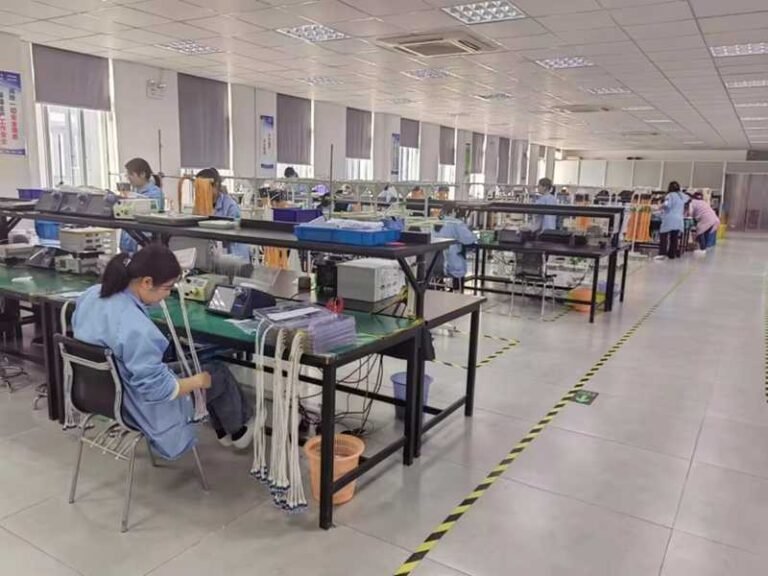
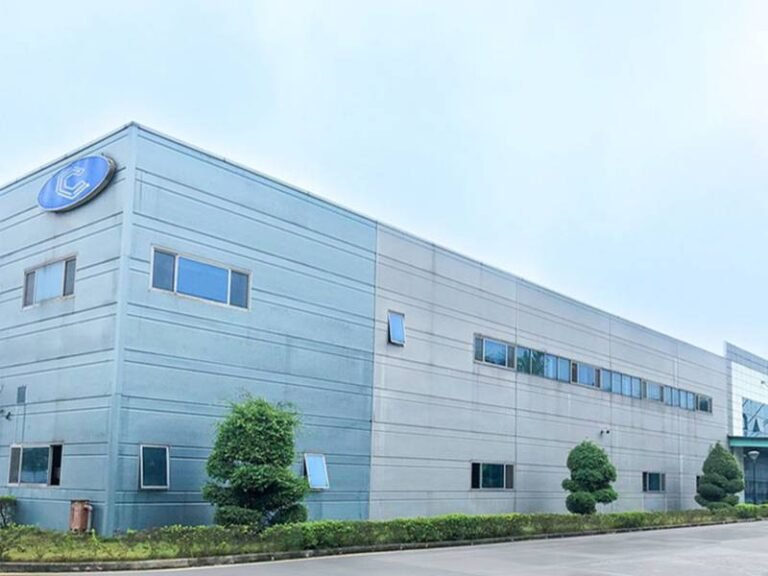
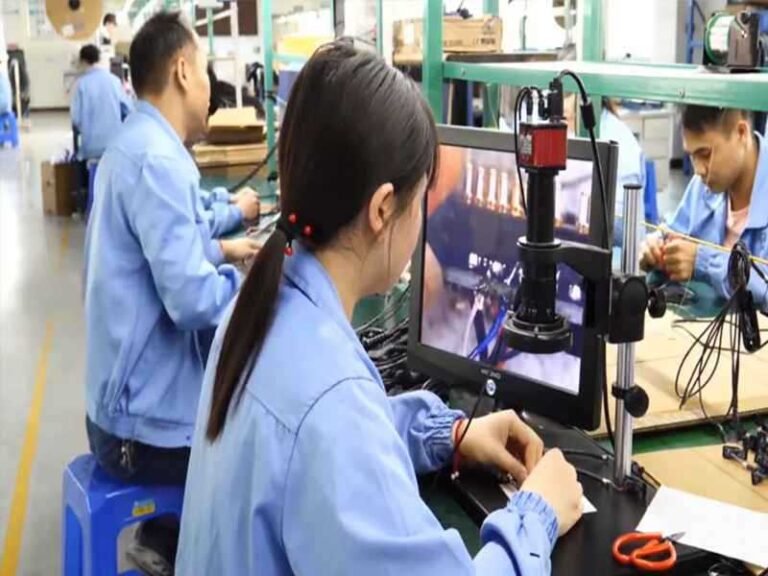
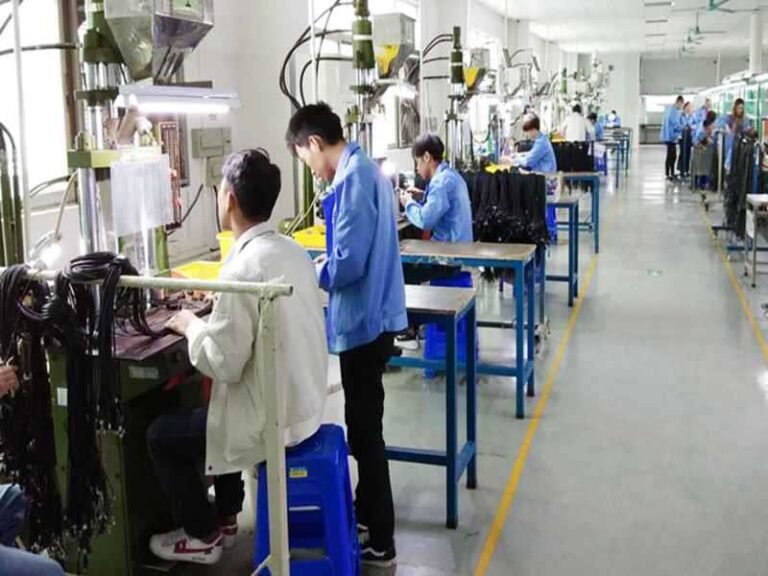
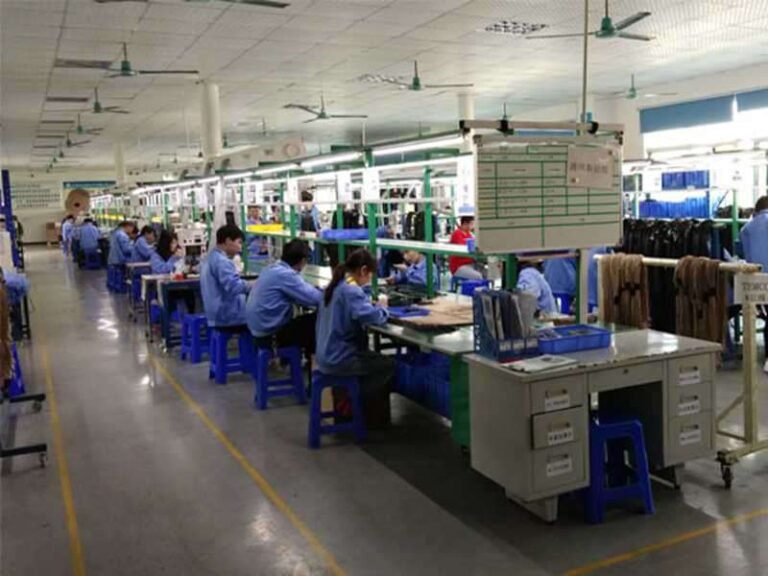
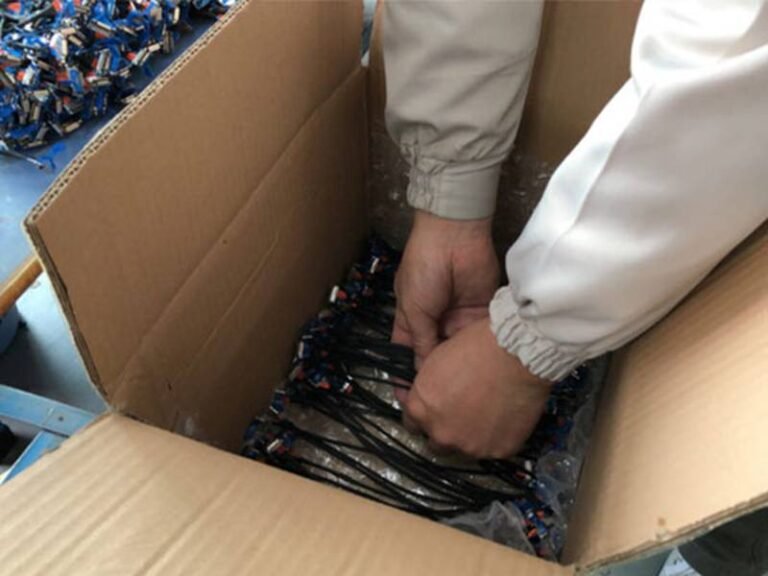
Railway equipment systems often operate under vibration, outdoor exposure, compact routing conditions and long operational cycles where cable stability directly affects equipment reliability. SINO-CONN supports custom railway cable assembly development covering rolling stock electronics, signaling systems, communication equipment and outdoor railway infrastructure through engineering review, prototype validation and OEM manufacturing workflows.
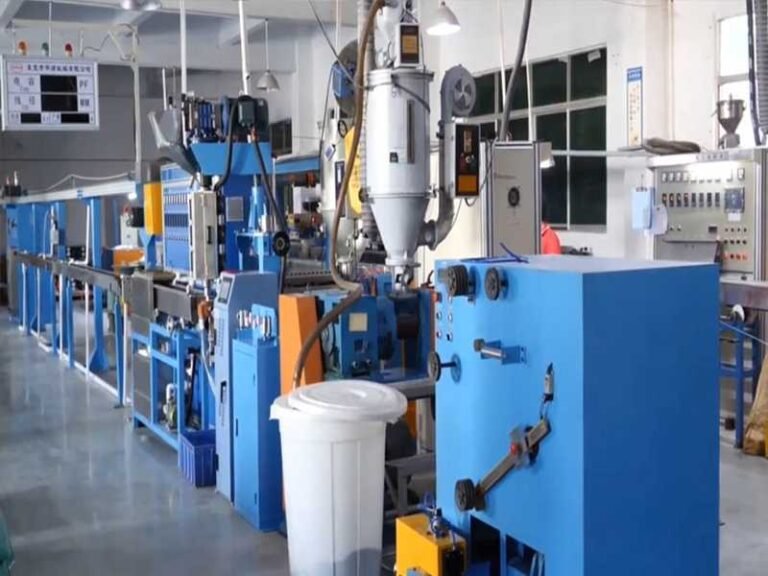
Railway Projects Frequently Begin From Partial Technical Information
Many railway development projects start from wiring diagrams, cabinet layouts, connector references or existing harness samples before final drawings become available. Engineering discussions often involve routing pathways, waterproof structures, vibration conditions and maintenance access according to actual equipment environments. SINO-CONN regularly supports early-stage railway projects requiring technical review and structure proposals before production specifications become fully standardized.
Railway Systems Often Require Multiple Connector And Cable Ecosystems
Rolling stock systems, signaling equipment and railway communication platforms frequently combine waterproof connectors, shielded signal systems and industrial cable structures within the same project. SINO-CONN supports integration involving TE, Molex, Harting, Amphenol and industrial M-series interfaces according to railway installation environments, routing conditions and OEM project requirements.
Internal Engineering And Manufacturing Coordination Helps Reduce Transfer Problems
Railway cable assembly projects often involve multiple revision stages before final production approval. Routing changes, connector adjustments and installation optimization may continue throughout prototype validation. SINO-CONN supports coordinated workflows connecting engineering review, drawing confirmation, sample production and manufacturing preparation, helping reduce communication gaps between development and production stages.
Flexible Production Support Helps Railway OEM Projects Scale Efficiently
Railway programs often begin from small validation quantities before moving into long-term deployment stages. Early projects may require only several assemblies for cabinet testing or onboard equipment validation before larger purchasing schedules become established. SINO-CONN supports prototype production starting from 1 piece while also supporting repeat OEM manufacturing for railway communication systems, signaling equipment and rolling stock electronics.
Railway Equipment Cable Assemblies Frequently Face Environmental, Mechanical And Integration Challenges Beyond Conventional Industrial Applications
Railway cable assemblies often operate under continuous vibration, outdoor exposure, compact installation environments and dense electrical systems where long-term operational stability becomes important for rolling stock, signaling infrastructure and railway communication equipment. Many railway projects encounter installation delays or reliability problems not because the cable assembly cannot be manufactured, but because routing conditions, waterproof structures, shield organization and environmental requirements were not fully reviewed during early engineering stages.
SINO-CONN regularly supports railway OEM manufacturers and transportation system integrators requiring technical review, routing optimization and custom harness development according to real railway equipment environments.

Continuous Railway Vibration Frequently Influences Connector Stability And Routing Structures
Rolling stock electronics, onboard communication systems and railway control equipment often operate under long-term vibration generated by rail movement, braking cycles and continuous operation. Connector areas, branch locations and unsupported routing sections may gradually experience mechanical stress during extended service periods. Railway OEM manufacturers frequently require organized strain-relief structures, secure connector positioning and stable routing layouts according to train equipment architecture and installation conditions.
Outdoor Railway Equipment Frequently Requires Resistance Against Moisture, UV And Industrial Contaminants
Trackside monitoring systems, outdoor signaling equipment and railway communication cabinets often operate under rain, humidity, UV exposure, dust and oil contamination. Standard industrial cable structures may gradually degrade when exposed to outdoor railway environments for extended periods. Railway projects frequently require waterproof connector systems, UV-resistant jacket materials and overmolded sealing structures according to actual installation conditions and long-term maintenance expectations.
EMC Interference Frequently Affects Railway Communication And Control Systems
Railway systems often integrate signaling electronics, communication networks, power distribution equipment and monitoring devices within concentrated electrical environments. Improper shield organization or grounding layouts may create signal instability affecting communication reliability and control system performance. Railway harness projects frequently involve discussions around shield continuity, cable separation and structured routing layouts according to cabinet architecture and signal pathway requirements.
Compact Railway Installation Environments Frequently Increase Routing Complexity
Modern railway systems increasingly integrate more electronics inside limited cabinet and enclosure space. Passenger information systems, surveillance equipment and onboard processors often require compact cable routing pathways capable of supporting organized installation and future maintenance access. Railway engineering teams frequently provide cabinet layouts, equipment photos and routing references because physical installation conditions often influence harness architecture more than electrical schematics alone.
Waterproof Railway Connector Integration Frequently Adds Structural Engineering Challenges
Railway cable assemblies supporting outdoor systems frequently require waterproof connectors, overmolding structures and sealed cable exits capable of maintaining environmental protection under vibration and movement conditions. Waterproof integration may influence cable flexibility, routing direction and connector dimensions inside compact railway equipment environments. Projects involving outdoor railway infrastructure often require several structure revisions before installation conditions become stable enough for production release.
Long-Term Railway OEM Programs Frequently Prioritize Stable Supply And Engineering Responsiveness
Railway infrastructure and rolling stock programs often continue over many years after initial deployment. OEM manufacturers and railway system integrators frequently evaluate suppliers according to engineering communication, revision support, manufacturing consistency and long-term production stability rather than only initial sample pricing. SINO-CONN supports railway cable assembly workflows involving prototype development, drawing-controlled manufacturing and repeat OEM production according to long-cycle transportation equipment requirements.
Custom Railway Cable Assemblies Frequently Require Different Structures According To Rolling Stock, Rail Infrastructure And Railway Control System Environments
Railway equipment systems often operate across rolling stock electronics, signaling infrastructure, onboard communication platforms and outdoor railway environments where routing stability, waterproof protection, shield organization and installation efficiency all influence harness architecture. Different railway applications frequently require different connector ecosystems, cable materials and routing structures according to vibration conditions, cabinet layouts and environmental exposure.
SINO-CONN supports custom railway cable assembly development covering rolling stock systems, signaling equipment, waterproof infrastructure harnesses, shielded communication assemblies and high-density railway control wiring according to OEM project requirements and installation environments.
| Railway Cable Assembly Type | Typical Railway Application | Main Engineering Focus |
|---|---|---|
| Rolling Stock Wire Harness | Train Electronics | Vibration Stability |
| Railway Control Cabinet Harness | Rail Control Systems | Organized Routing |
| Railway Signaling Cable Assembly | Signaling Equipment | Shielded Transmission |
| Waterproof Outdoor Railway Harness | Rail Infrastructure | Environmental Protection |
| High Flex Railway Cable Assembly | Dynamic Rail Systems | Continuous Movement |
| Multi-Branch Railway Harness | Integrated Equipment | Space Optimization |

Rolling Stock Wire Harness Assemblies
Rolling stock electronics frequently require organized harness routing capable of supporting continuous vibration and compact onboard installation conditions. Train communication systems, surveillance equipment, passenger displays and onboard processors often operate within limited cabinet space where routing stability becomes important for long-term maintenance and equipment reliability.
- Shielded Onboard Signal Routing
- Compact Train Cabinet Layouts
- Vibration-Resistant Structures
- Multi-Connector Integration
- Flexible Routing Pathways
- OEM Train Equipment Support

Railway Control Cabinet Harness Assemblies
Railway control cabinets often integrate communication modules, relay systems, industrial processors and monitoring electronics within dense electrical environments. Harness organization frequently affects installation efficiency, maintenance accessibility and future equipment servicing inside railway control systems.
SINO-CONN supports structured railway cabinet harness production involving numbered routing layouts, shielded pathways and custom branch organization according to cabinet architecture and railway engineering requirements.
- Organized Cable Management
- Shielded Signal Separation
- Numbered Wiring Layouts
- Multi-Branch Harness Structures
- Compact Cabinet Integration
- Custom Terminal Interfaces

Railway Signaling Cable Assemblies
Railway signaling systems frequently require stable shielded cable structures capable of supporting communication reliability and organized signal transmission across control environments. Signaling equipment often operates near power systems and communication modules where EMI organization becomes important during cable routing design.
Projects commonly begin from wiring diagrams, cabinet references or existing harness samples before final production drawings become available.
- Shielded Signal Structures
- Grounded Routing Systems
- Stable Signal Transmission
- Communication Interface Integration
- Railway Cabinet Compatibility
- Long-Term Routing Stability

Waterproof Outdoor Railway Harness Assemblies
Trackside communication systems, railway monitoring devices and outdoor surveillance equipment often require waterproof cable structures capable of operating under rain, humidity, UV exposure and industrial environmental conditions. Outdoor railway systems frequently require IP-rated connectors and environmental sealing structures according to installation environments.
SINO-CONN supports custom waterproof railway cable assembly development involving overmolded structures, UV-resistant jackets and sealed routing architectures for railway infrastructure applications.
- Waterproof Connector Systems
- IP-Rated Cable Structures
- UV-Resistant Jacket Materials
- Outdoor Rail Equipment Support
- Overmolded Cable Exits
- Environmental Sealing Protection

High Flex Railway Cable Assemblies
Certain railway systems involve repeated movement, vibration or dynamic routing conditions during long operational cycles. High-flex railway harnesses frequently support moving equipment sections, articulated train structures and onboard cable pathways requiring stable routing under continuous mechanical stress.
Engineering discussions often include bend radius planning, cable fixation and movement pathway organization according to actual railway operating conditions.
- Continuous Flex Routing
- Dynamic Bend Structures
- Strain-Relief Protection
- Flexible Shielded Layouts
- Compact Motion Pathways
- Vibration-Resistant Integration

Multi-Branch Railway Harness Systems
Modern railway equipment increasingly integrates communication electronics, monitoring systems, power modules and control interfaces within compact installation environments. Multi-branch railway harnesses frequently help simplify installation, reduce routing congestion and improve cable organization across integrated railway systems.
SINO-CONN supports custom multi-branch railway harness development involving 20–512+ signal pathways, multiple connector ecosystems and organized routing architectures according to OEM railway equipment layouts.
- Complex Multi-Branch Routing
- Integrated Equipment Harnessing
- High-Density Signal Structures
- Multiple Connector Ecosystems
- Organized Cable Grouping
- OEM Railway System Integration
Railway Connector Selection Frequently Influences Waterproof Stability, EMC Performance, Maintenance Accessibility And Long-Term Operational Reliability
Railway equipment environments often require connector systems capable of operating under vibration, outdoor exposure, compact installation conditions and long operational cycles where connector architecture directly affects cable routing stability and equipment maintenance efficiency. Railway OEM manufacturers and transportation system integrators frequently evaluate connector ecosystems according to environmental protection capability, sourcing continuity, installation flexibility and compatibility with existing railway infrastructure systems.
SINO-CONN supports custom railway cable assembly integration involving industrial circular connectors, waterproof interfaces, shielded signal systems and compact railway routing architectures according to rolling stock, signaling and railway infrastructure application requirements.

| Railway Connector Ecosystem | Typical Railway Application | Main Engineering Focus |
|---|---|---|
| M12 Connector Systems | Railway Sensors & Monitoring | Waterproof Stability |
| Circular Industrial Connectors | Rolling Stock Electronics | Vibration Resistance |
| Harting Modular Interfaces | Railway Control Cabinets | Structured Integration |
| TE / Amphenol Connector Systems | Communication Equipment | Long-Term Reliability |
M12 Connector Systems Frequently Support Railway Sensors, Monitoring Devices And Outdoor Communication Equipment
M12 connector ecosystems commonly appear in railway monitoring systems, industrial communication equipment, trackside sensors and outdoor railway electronics requiring compact waterproof interfaces capable of operating under vibration and environmental exposure conditions. Railway projects involving M12 systems often focus on connector orientation, sealing structures, panel mounting conditions and routing accessibility according to field installation environments.
SINO-CONN supports custom railway cable assemblies involving M12 waterproof connector integration, shielded signal routing and compact outdoor cable architectures for railway infrastructure and monitoring applications. Engineering discussions frequently include IP protection requirements, overmold structures and cable exit organization according to actual installation conditions and maintenance accessibility requirements.
Circular Industrial Connectors Frequently Support Rolling Stock Electronics And Railway Power Systems
Rolling stock systems and onboard railway electronics often require industrial circular connectors capable of maintaining stable mechanical retention under continuous train vibration and operational movement conditions. Railway communication modules, onboard processors, surveillance systems and power distribution equipment frequently operate within compact train environments where connector size, cable exits and strain-relief organization directly influence routing efficiency.
SINO-CONN supports railway harness integration involving circular industrial connectors, shielded cable structures and organized onboard routing systems according to train cabinet layouts and rolling stock installation environments. Projects commonly involve discussions around vibration resistance, connector fixation and flexible routing pathways before final harness structures become approved.
Harting Modular Connector Systems Frequently Support Railway Control Cabinet Integration
Railway control cabinets and signaling equipment frequently integrate Harting-style modular connector systems supporting communication modules, relay systems, monitoring electronics and industrial control architectures. Connector organization inside these environments often influences installation efficiency, maintenance accessibility and future equipment servicing across railway infrastructure systems.
Projects involving railway control cabinets frequently require structured harness layouts, numbered routing organization and shield continuity planning according to cabinet architecture and electrical separation requirements. SINO-CONN supports modular railway connector integration involving multi-branch harness systems, compact cabinet routing and shielded communication structures according to OEM railway equipment requirements.
TE And Amphenol Connector Ecosystems Frequently Support Long-Term Railway OEM Programs
Railway OEM manufacturers and transportation system integrators frequently use TE and Amphenol connector ecosystems within onboard communication equipment, signaling infrastructure and industrial rail electronics where sourcing continuity and long-term operational stability remain important throughout extended project lifecycles.
SINO-CONN supports custom railway cable assembly development involving TE, Amphenol and compatible connector integration according to project budgets, lead time requirements and deployment schedules. Many railway projects require balancing original connector sourcing, environmental protection structures and routing flexibility according to actual railway operating conditions and long-term production planning.
Flame Retardant & LSZH Material Guide
Railway Cable Assemblies Frequently Require Flame-Retardant And LSZH Material Systems For Passenger Safety, Enclosed Equipment Environments And Long-Term Infrastructure Reliability
Railway equipment systems often operate inside enclosed train compartments, signaling cabinets, onboard electronics and transportation infrastructure where material performance directly influences operational safety and long-term equipment stability. Compared with conventional industrial applications, railway cable assemblies frequently require flame-retardant structures, low-smoke material systems and environmentally controlled cable architectures capable of supporting railway operating environments involving vibration, compact routing and continuous-duty conditions.

Railway OEM manufacturers and transportation system integrators often evaluate cable assemblies according to jacket materials, shield compatibility, routing flexibility and environmental protection performance during supplier qualification stages.
SINO-CONN supports custom railway cable assembly development involving LSZH structures, flame-retardant cable systems, waterproof environmental jackets and shielded railway harness architectures according to rolling stock, signaling and railway infrastructure requirements.
| Railway Material Requirement | Typical Railway Application | Main Engineering Focus |
|---|---|---|
| LSZH Cable Structures | Passenger Rail Systems | Low Smoke Performance |
| Flame-Retardant Jacket Systems | Enclosed Railway Equipment | Fire Protection |
| UV & Oil Resistant Materials | Outdoor Rail Infrastructure | Environmental Durability |
| Flexible Shielded Cable Structures | Railway Communication Systems | Routing Stability |
LSZH Material Structures Frequently Support Passenger Rail And Enclosed Railway Equipment Systems
Passenger transportation systems, onboard train electronics and enclosed railway cabinets frequently require LSZH cable structures designed to reduce smoke generation and support safer operating environments inside confined transportation spaces. Railway projects involving passenger information systems, onboard communication modules and control electronics often require balancing low-smoke material systems with routing flexibility and shield compatibility according to equipment architecture.
SINO-CONN supports railway harness development involving LSZH jacket structures, compact cable routing and multi-connector integration according to railway installation conditions and OEM transportation equipment requirements. Engineering discussions frequently include material flexibility, cable diameter and routing organization because compact train environments often create strict space limitations during equipment integration.
Flame-Retardant Cable Structures Frequently Influence Railway Harness Routing And Installation Design
Railway signaling systems, communication cabinets and onboard electronic environments frequently require flame-retardant cable architectures capable of supporting transportation equipment operating under continuous-duty conditions. Flame-retardant jacket materials may influence cable flexibility, routing pathways and shield structure organization depending on cabinet layouts and equipment density.
Projects involving railway control systems commonly include discussions around cable grouping, routing accessibility and structured installation planning according to maintenance requirements and equipment operating environments. SINO-CONN supports custom railway cable assembly production involving flame-retardant structures, shielded routing systems and organized harness architectures for railway OEM and infrastructure applications.
Outdoor Railway Infrastructure Frequently Requires Combined Environmental Material Protection
Trackside communication systems, railway surveillance equipment and outdoor monitoring infrastructure often operate under rain, UV exposure, humidity, oil contamination and seasonal temperature fluctuation for extended periods. Standard indoor cable materials may gradually degrade under long-term outdoor railway conditions where environmental protection becomes important for operational reliability.
SINO-CONN supports railway cable assembly development involving UV-resistant jacket materials, waterproof structures, oil-resistant cable systems and overmolded environmental protection architectures according to outdoor railway installation environments. Railway projects frequently require balancing environmental durability with routing flexibility and installation practicality during early engineering review stages.
Railway Material Selection Frequently Influences Long-Term OEM Maintenance And Supply Stability
Railway equipment programs often remain active for many years after deployment, making material consistency and stable sourcing important during long-term OEM production planning. Cable materials affecting flexibility, environmental resistance and routing behavior may directly influence future maintenance accessibility and replacement cycles across railway systems.
Railway OEM manufacturers frequently evaluate suppliers according to structured material documentation, repeat manufacturing consistency and environmental compliance support during supplier qualification processes. SINO-CONN supports railway cable assembly programs involving organized material selection discussions, repeat production coordination and long-term manufacturing support according to transportation equipment project requirements.
EMI & EMC Protection Center
Railway Communication, Signaling And Control Systems Frequently Require Stable EMC Protection Across Dense Electrical Environments
Railway equipment systems often integrate signaling electronics, onboard communication modules, surveillance platforms, control processors and power distribution equipment operating within concentrated electrical environments where stable signal transmission becomes important for long-term operational reliability. Compared with conventional industrial applications, railway systems frequently involve higher electrical density, longer routing pathways and more complex grounding conditions that may increase the risk of signal interference if shield organization and cable routing structures are not properly planned during development stages.

Railway OEM manufacturers and transportation system integrators frequently evaluate suppliers according to their ability to support shielded routing architectures, organized grounding layouts and stable cable integration according to actual railway equipment environments.
SINO-CONN supports custom railway cable assembly development involving shielded harness structures, grounded cable systems, compact signal routing and EMC-focused railway cable architectures according to rolling stock, signaling and communication equipment requirements.
| EMC Protection Area | Typical Railway Application | Main Engineering Focus |
|---|---|---|
| Shielded Signal Routing | Railway Communication Systems | Signal Stability |
| Grounding Structures | Railway Control Cabinets | Noise Reduction |
| Multi-Layer Shield Systems | Rolling Stock Electronics | EMC Protection |
| Long-Distance Cable Routing | Railway Infrastructure | Stable Transmission |
Shielded Railway Signal Routing Frequently Influences Communication Stability
Railway communication systems, signaling electronics and onboard processors often operate within environments containing switching equipment, power systems and industrial control electronics where signal interference may gradually affect communication reliability and equipment stability. Shield organization, cable separation and routing pathways frequently become important during railway equipment development stages.
SINO-CONN supports shielded railway cable assembly structures involving braided shielding, foil shielding and custom routing layouts according to communication system architecture and equipment installation environments. Projects frequently involve discussions around signal grouping, shield continuity and compact routing conditions before final harness structures become approved for production.
Railway Control Cabinets Frequently Require Organized Grounding And Cable Separation Structures
Railway control cabinets often integrate relay systems, industrial processors, communication modules and monitoring electronics operating within dense electrical environments where grounding organization may directly influence signal stability and future maintenance accessibility. Improper routing separation between communication systems and power circuits may increase electrical noise risk during long-term operation.
Projects involving railway cabinet integration frequently require discussions around grounding structures, cable grouping, shield termination and organized harness layouts according to cabinet architecture and equipment servicing requirements. SINO-CONN supports custom railway cabinet harness development involving shielded routing systems and structured cable organization according to OEM railway control equipment requirements.
Rolling Stock Electronics Frequently Operate Within High-Density EMC Environments
Modern train systems increasingly integrate passenger information systems, onboard communication equipment, surveillance electronics and monitoring devices within limited installation space where cable routing density continues increasing across rolling stock environments. Harness structures supporting these systems frequently require balanced routing layouts capable of maintaining both installation efficiency and stable EMC organization under continuous vibration conditions.
SINO-CONN supports rolling stock cable assembly development involving compact shielded structures, flexible routing pathways and vibration-resistant connector integration according to train equipment layouts and onboard installation conditions. Railway projects commonly involve multiple routing revisions before EMC structures become stable enough for long-term OEM production.
Long-Distance Railway Infrastructure Routing Frequently Requires Stable Shielded Transmission Structures
Railway infrastructure systems often connect signaling equipment, monitoring devices, communication cabinets and outdoor electronics across extended routing environments where shield continuity and stable cable architecture become important for maintaining signal quality over long operational distances. Outdoor railway installations may additionally require waterproof structures and environmental protection integrated together with shielded routing systems.
Projects involving railway infrastructure frequently require balancing waterproof protection, routing flexibility and organized shield architecture according to field installation conditions and maintenance accessibility. SINO-CONN supports railway cable assembly production involving long-distance shielded routing systems, waterproof connector integration and repeat OEM manufacturing support according to transportation infrastructure project requirements.
Waterproof & Outdoor Protection Guide
Railway Infrastructure Equipment Frequently Requires Waterproof Cable Assemblies Designed For Long-Term Outdoor Exposure, Environmental Stability And Reliable Field Installation
Railway infrastructure systems often operate continuously under rain, humidity, UV exposure, dust, vibration and industrial contamination where cable assemblies must maintain stable sealing performance and organized routing structures over extended operational cycles. Compared with conventional indoor industrial environments, outdoor railway applications frequently require stronger environmental protection capability because signaling systems, communication cabinets and trackside monitoring equipment may remain exposed to changing weather conditions for many years after installation.

Railway OEM manufacturers and infrastructure contractors frequently evaluate cable assembly suppliers according to waterproof integration capability, environmental material selection, routing practicality and long-term outdoor durability rather than connector IP rating alone.
SINO-CONN supports custom railway waterproof cable assembly development involving IP-rated connector systems, overmolded structures, UV-resistant materials and outdoor routing architectures according to railway infrastructure installation environments and transportation equipment requirements.
| Waterproof Protection Area | Typical Railway Application | Main Engineering Focus |
|---|---|---|
| IP-Rated Connector Systems | Outdoor Railway Equipment | Moisture Protection |
| Overmolded Cable Structures | Railway Infrastructure | Environmental Sealing |
| UV & Oil Resistant Materials | Trackside Installations | Outdoor Durability |
| Waterproof Routing Architecture | Railway Communication Systems | Installation Stability |
IP-Rated Connector Systems Frequently Support Outdoor Railway Infrastructure And Monitoring Equipment
Trackside communication systems, railway surveillance devices, signaling electronics and monitoring equipment frequently operate under continuous exposure to rain, humidity and changing environmental conditions where stable waterproof connector integration becomes important for long-term operational reliability. Connector sealing structures, cable exits and panel integration methods may directly influence moisture protection performance inside outdoor railway environments.
SINO-CONN supports railway waterproof cable assembly integration involving industrial circular connectors, M12 waterproof systems and custom environmental sealing structures according to field installation conditions and railway equipment architecture. Projects frequently involve discussions around routing accessibility, maintenance conditions and compact installation space before final waterproof structures become approved.
Overmolded Cable Structures Frequently Improve Railway Environmental Protection Stability
Railway infrastructure systems often require overmolded cable structures capable of supporting both waterproof sealing and stable strain-relief performance under vibration and outdoor operating conditions. Overmolding architecture may influence cable flexibility, routing direction and connector protection depending on installation environments and equipment layout requirements.
Projects involving outdoor railway communication systems, signaling equipment and rail monitoring infrastructure frequently require custom overmold designs according to enclosure dimensions, cable pathways and environmental exposure conditions. SINO-CONN supports custom overmolded railway harness production involving waterproof cable exits, compact routing structures and organized environmental sealing solutions according to OEM railway equipment applications.
UV, Oil And Corrosion Resistant Material Structures Frequently Influence Long-Term Outdoor Railway Reliability
Outdoor railway cable assemblies may remain exposed to sunlight, humidity, industrial contamination and oil environments over extended operational periods where jacket material stability directly affects future maintenance cycles and replacement frequency. Standard indoor cable materials may gradually degrade under railway infrastructure conditions involving long-term environmental exposure.
SINO-CONN supports railway cable assembly development involving UV-resistant jackets, oil-resistant structures and environmentally protected cable architectures according to outdoor railway operating environments. Railway OEM manufacturers frequently evaluate material stability and routing durability during supplier qualification stages for signaling infrastructure and communication system projects.
Waterproof Railway Routing Frequently Requires Balancing Environmental Protection And Installation Practicality
Railway equipment environments frequently contain limited installation space where waterproof connectors, overmolded structures and sealed routing pathways must still support organized cable management and future maintenance accessibility. Waterproof structures that are too rigid or oversized may increase installation complexity inside compact railway cabinets and outdoor communication enclosures.
Projects involving railway communication systems, surveillance platforms and signaling infrastructure frequently require routing optimization discussions before final harness structures become stable enough for OEM production release. SINO-CONN supports railway waterproof cable assembly workflows involving compact routing layouts, shielded environmental structures and prototype validation according to actual railway installation environments.
High Flex & Vibration Resistance Center
Railway Equipment Cable Assemblies Frequently Require Stable Routing Structures Capable Of Supporting Continuous Vibration, Dynamic Movement And Long-Term Mechanical Stress
Rolling stock systems, onboard electronics, articulated train equipment and railway communication platforms often operate under constant vibration and repeated movement conditions where cable routing stability directly affects long-term operational reliability. Compared with static industrial environments, railway equipment frequently exposes cable assemblies to continuous mechanical stress generated by train motion, braking cycles, equipment movement and long operational periods.

Railway OEM manufacturers and transportation system integrators frequently evaluate cable assembly suppliers according to routing stability, strain-relief design, connector retention capability and flexible harness architecture rather than only electrical performance specifications.
SINO-CONN supports custom railway high-flex cable assembly development involving vibration-resistant routing structures, flexible shielded cable systems and organized strain-relief integration according to rolling stock, onboard electronics and railway infrastructure application requirements.
Rolling Stock Electronics Frequently Operate Under Continuous Mechanical Vibration Conditions
Train communication systems, passenger information platforms, surveillance electronics and onboard processors often operate inside rolling stock environments exposed to continuous vibration during acceleration, braking and long operational cycles. Connector fixation, branch organization and routing support structures frequently become important for maintaining long-term harness stability inside train equipment compartments.
SINO-CONN supports rolling stock cable assembly development involving vibration-resistant routing layouts, shielded cable structures and compact onboard harness integration according to train cabinet environments and OEM installation conditions. Railway projects commonly involve routing optimization discussions before production release to reduce mechanical stress around connector areas and moving cable sections.
Dynamic Bend Routing Frequently Influences Long-Term Railway Cable Reliability
Certain railway systems involve repeated cable movement generated by articulated train sections, movable access systems and onboard equipment requiring continuous routing flexibility during operation. Improper bend radius planning or unsupported cable pathways may gradually influence routing stability and connector performance over extended service periods.
Projects involving dynamic railway environments frequently require discussions around cable flexibility, branch positioning and movement pathway organization according to actual installation conditions. SINO-CONN supports custom railway cable structures involving flexible routing architectures and organized movement-compatible harness layouts for rolling stock and transportation equipment applications.
Strain-Relief Structures Frequently Help Protect Connector Stability In Railway Equipment
Connector transition areas often become high-stress locations inside railway cable assemblies operating under vibration and repeated movement conditions. Without organized strain-relief support, cable tension and mechanical movement may gradually influence connector stability during long-term operation.
Railway OEM manufacturers frequently evaluate strain-relief structures, cable fixation methods and connector support organization according to train equipment architecture and maintenance accessibility requirements. SINO-CONN supports railway harness development involving overmolded strain-relief systems, organized cable exits and reinforced routing structures according to railway communication systems, onboard electronics and signaling equipment environments.
Flexible Shielded Railway Cable Structures Frequently Require Balanced Mechanical And EMC Performance
Railway communication systems and signaling equipment frequently require both stable EMC protection and routing flexibility inside compact installation environments where excessive cable rigidity may increase installation difficulty and movement stress during operation. Shield architecture, cable diameter and routing pathways often require balanced engineering planning according to actual railway operating conditions.
SINO-CONN supports custom railway shielded cable assembly development involving flexible routing systems, compact harness layouts and vibration-resistant connector integration according to rolling stock electronics, communication platforms and railway infrastructure applications. Projects frequently involve multiple routing revisions before harness structures become optimized for long-term OEM production.
Railway Application Engineering Center
Railway Equipment Cable Assemblies Frequently Require Different Engineering Structures According To Installation Environment, Equipment Function And Operational Conditions
Railway systems rarely use one identical cable architecture across all applications. Rolling stock electronics, railway signaling systems, onboard communication platforms, passenger information equipment and outdoor railway infrastructure often operate under completely different vibration conditions, routing limitations, environmental exposure and EMC requirements. Cable assemblies supporting these systems frequently require customized connector integration, shield organization, waterproof structures and routing layouts according to actual installation environments rather than standard industrial harness configurations.
SINO-CONN supports custom railway cable assembly development covering rolling stock systems, signaling infrastructure, communication electronics, outdoor monitoring equipment and railway control platforms through engineering review, prototype validation and OEM manufacturing workflows.

Rolling Stock Electronics Frequently Require Stable Routing Inside Compact Train Equipment Environments
Modern train systems often integrate passenger displays, onboard communication modules, surveillance equipment and industrial processors inside limited cabinet space where routing organization directly influences maintenance accessibility and long-term operational stability. Cable assemblies supporting rolling stock systems frequently require vibration-resistant layouts, shielded routing pathways and compact connector integration according to onboard installation environments.
SINO-CONN supports rolling stock cable assembly development involving flexible routing structures, organized harness layouts and multi-connector integration according to train cabinet architecture and OEM railway equipment requirements. Projects commonly begin from cabinet photos, connector references and onboard routing sketches before final production drawings become standardized.
Railway Signaling Systems Frequently Require Structured Shielded Harness Architectures
Railway signaling equipment often combines communication systems, switching electronics, relay modules and industrial control devices operating within dense electrical environments where signal stability becomes important for long-term operational reliability. Harness structures supporting these systems frequently require organized shield continuity, cable grouping and grounded routing layouts according to railway cabinet architecture.
Projects involving signaling infrastructure commonly require discussions around EMI organization, connector positioning and routing separation before production structures become finalized. SINO-CONN supports railway signaling harness development involving shielded signal systems, multi-branch routing architectures and structured cabinet integration according to transportation control equipment requirements.
Passenger Information Systems Frequently Require Compact And Organized Cable Integration
Passenger information systems, onboard display platforms and train communication interfaces often operate inside confined train interiors where cable routing space remains extremely limited. Harness structures supporting these systems frequently require compact branch organization, flexible routing pathways and lightweight shielded cable architectures capable of supporting both installation efficiency and future maintenance accessibility.
SINO-CONN supports railway passenger information cable assembly projects involving compact routing structures, multi-interface connector integration and organized onboard harness systems according to rolling stock interior layouts and train equipment installation environments. Railway projects frequently involve several routing revisions before final structures become optimized for OEM production.
Railway Surveillance And Monitoring Equipment Frequently Require Waterproof Environmental Structures
Trackside surveillance systems, railway monitoring platforms and outdoor communication equipment often operate continuously under rain, humidity, UV exposure and industrial environmental conditions where waterproof protection directly influences long-term equipment reliability. Cable assemblies supporting these applications frequently require IP-rated connectors, overmolded cable exits and environmentally protected routing structures according to installation conditions.
SINO-CONN supports waterproof railway cable assembly development involving UV-resistant materials, environmental sealing systems and outdoor routing architectures according to railway infrastructure project requirements. Engineering discussions commonly include connector sealing methods, enclosure integration and maintenance accessibility before final waterproof structures become approved.
Rail Communication Platforms Frequently Require Stable Shielded Signal Transmission
Railway communication systems often connect distributed equipment including monitoring devices, signaling electronics, onboard processors and infrastructure cabinets across large railway environments where shield continuity and routing organization become important for stable signal transmission. Long-distance routing conditions may increase the importance of EMC-focused cable structures and grounded communication layouts.
SINO-CONN supports railway communication cable assembly development involving shielded routing systems, flexible communication harnesses and multi-connector integration according to railway infrastructure architecture and signal transmission requirements. Projects frequently involve discussions around cable separation, routing pathways and environmental protection during early engineering stages.
Trackside Infrastructure Equipment Frequently Requires Combined Waterproof, Flexible And Durable Cable Architectures
Trackside railway systems often operate under vibration, moisture, temperature fluctuation and outdoor contamination where cable assemblies must support environmental durability together with installation practicality and routing flexibility. Railway infrastructure projects frequently require balancing waterproof protection, mechanical stability and maintenance accessibility inside compact outdoor equipment environments.
SINO-CONN supports railway infrastructure harness production involving waterproof connector systems, flexible cable routing structures and shielded environmental cable architectures according to signaling systems, communication platforms and rail monitoring equipment applications. Railway OEM manufacturers often evaluate routing stability and long-term material durability during supplier qualification and infrastructure deployment stages.
Railway Equipment Cable Assembly Projects Frequently Require Coordinated Engineering, Prototype Validation And OEM Production Workflows Before Final Deployment
Railway equipment systems often involve rolling stock electronics, signaling infrastructure, communication platforms and outdoor railway devices operating under complex installation conditions where cable assemblies must be optimized according to routing environments, vibration exposure, waterproof requirements and long-term operational expectations. Compared with standard industrial harness production, railway projects frequently require multiple technical review stages before final structures become stable enough for repeat OEM manufacturing.

Railway OEM manufacturers and transportation system integrators commonly evaluate suppliers according to engineering responsiveness, drawing coordination, prototype flexibility and production stability throughout long development cycles.
SINO-CONN supports custom railway cable assembly workflows connecting engineering review, CAD confirmation, prototype production and long-term manufacturing coordination according to railway equipment project requirements.
| Development Stage | Typical Customer Input | Main Workflow Objective |
|---|---|---|
| Initial Technical Review | Drawings / Photos / Samples | Feasibility Evaluation |
| Requirement Definition | Routing / Environment / Signals | Technical Baseline |
| Connector Evaluation | Part Numbers / Interfaces | Connector Confirmation |
| Structure Proposal | Equipment Layouts | Harness Architecture |
| CAD Drawing Confirmation | PDF / CAD Files | Production Accuracy |
| Prototype Manufacturing | Validation Quantities | Installation Verification |
| Installation Optimization | Field Feedback | Structure Refinement |
| OEM Production Transfer | Approved Samples | Long-Term Manufacturing |
Initial Railway Technical Review Frequently Begins Before Final Drawings Become Available
Many railway development projects begin while train layouts, signaling systems and installation pathways are still evolving. Engineering teams often provide wiring diagrams, cabinet photos, connector labels or existing harness samples before complete production documentation becomes standardized.
SINO-CONN regularly supports early-stage railway engineering discussions involving waterproof structures, shielded routing layouts and connector integration according to actual railway equipment environments. Projects frequently require evaluating routing feasibility, installation accessibility and environmental protection conditions during initial technical review stages.
Requirement Definition Frequently Determines Future Railway Harness Architecture
Railway cable assemblies often require balancing vibration resistance, waterproof protection, shield organization and routing flexibility according to train equipment conditions and infrastructure environments. Early requirement clarification frequently influences cable materials, connector ecosystems and routing structures during later prototype stages.
Projects involving rolling stock electronics, communication platforms and railway signaling systems commonly include discussions around EMC requirements, installation space, environmental exposure and maintenance accessibility before final harness architecture becomes approved.
Connector Evaluation Frequently Influences Waterproof Integration And Installation Accessibility
Railway connector systems may directly affect environmental sealing, routing flexibility and maintenance efficiency inside compact train cabinets and outdoor railway infrastructure equipment. Projects frequently require comparing waterproof connectors, circular industrial interfaces and shielded communication systems according to installation conditions and long-term deployment requirements.
SINO-CONN supports railway connector integration involving TE, Harting, Amphenol, M-series and compatible connector ecosystems according to OEM railway project requirements, routing conditions and procurement timelines.
Structure Proposal Frequently Converts Railway Equipment Conditions Into Practical Cable Architectures
After technical requirements become clearer, railway projects often move into structure planning stages involving branch organization, cable exits, shield routing and installation pathway optimization according to actual equipment layouts. Compact train environments and outdoor railway cabinets frequently require several routing revisions before structures become stable enough for prototype production.
SINO-CONN supports custom railway harness architecture development involving waterproof cable exits, multi-branch routing layouts and organized signal separation according to railway equipment installation environments.
CAD Drawing Confirmation Frequently Helps Reduce Installation And Production Errors
Railway cable assemblies frequently involve custom connector layouts, multi-branch routing structures and specialized installation requirements where drawing accuracy directly influences production consistency and field installation efficiency. Projects commonly require CAD confirmation involving cable lengths, branch positions, wiring definitions and connector orientation before manufacturing begins.
For suitable railway projects involving complete technical information, SINO-CONN can support rapid CAD review and drawing coordination workflows helping engineering teams accelerate project validation schedules and reduce revision risk during production stages.
Prototype Manufacturing Frequently Supports Railway Equipment Validation Before Batch Production
Railway OEM manufacturers and system integrators often require prototype assemblies for cabinet testing, train installation validation and field routing evaluation before moving into repeat manufacturing stages. Prototype quantities frequently help engineering teams verify waterproof structures, routing flexibility and connector accessibility within real railway operating environments.
SINO-CONN supports railway prototype manufacturing beginning from 1 piece according to development schedules and validation requirements involving signaling systems, rolling stock electronics and outdoor rail infrastructure equipment.
Installation Feedback Frequently Leads To Final Harness Structure Optimization
Many routing improvements and installation adjustments only become visible after railway prototypes are physically installed inside train systems, signaling cabinets or outdoor infrastructure equipment. Cable exits, connector orientation and branch organization may require refinement according to actual installation conditions during field testing stages.
Projects involving railway communication systems, passenger information platforms and monitoring infrastructure frequently include optimization discussions before final OEM production release becomes approved.
OEM Production Transfer Frequently Requires Stable Documentation And Manufacturing Coordination
Once railway cable assemblies become validated, projects often transition into repeat production stages involving revision-controlled drawings, organized inspection workflows and long-term manufacturing coordination. Railway infrastructure programs frequently continue for many years, making production stability and engineering consistency important throughout deployment cycles.
SINO-CONN supports railway OEM cable assembly production involving 20–512+ signal pathways, cable lengths from 30mm to 10m+ and structured manufacturing workflows according to rolling stock, signaling and railway infrastructure project requirements.
Railway OEM Manufacturers Frequently Evaluate Suppliers According To Engineering Responsiveness, Installation Optimization Capability And Long-Term Production Stability
Railway cable assembly projects often involve rolling stock vibration environments, compact cabinet routing conditions, waterproof infrastructure requirements and shielded communication systems where standard industrial harness solutions may not fully support long-term operational reliability. Many railway OEM manufacturers and transportation system integrators therefore prioritize suppliers capable of supporting engineering collaboration, prototype optimization and repeat manufacturing stability throughout the entire project lifecycle.
The following railway customer examples reflect different transportation equipment environments where SINO-CONN supported custom cable assembly development according to actual installation conditions, routing challenges and long-term deployment requirements.

Germany — Railway Signaling Control Cabinet Harness Project
A railway signaling system integrator in Germany required custom shielded cable assemblies for railway control cabinets supporting urban rail communication and switching systems. The project involved dense cabinet layouts combining relay systems, industrial processors and signal routing electronics where EMC organization and installation efficiency directly influenced long-term operational stability.
The customer’s previous supplier experienced routing inconsistency and shield management problems during installation, creating additional field assembly time and cable congestion inside compact signaling cabinets.
Project Challenges
- Dense Railway Cabinet Routing
- Signal Interference Risk
- Inconsistent Branch Positioning
- Difficult Field Installation
- Shield Continuity Problems
- Long Installation Adjustment Time
SINO-CONN Solution
- Shielded Multi-Branch Harness Design
- Numbered Cable Routing Layouts
- Compact Connector Integration
- Grounded Shield Organization
- CAD-Based Routing Optimization
- Organized Cabinet Harness Structures
Core Project Data
- 120+ Signal Paths
- Harting + Industrial Interfaces
- 12-Day Prototype Lead Time
- Prototype + OEM Batch Production
- ~25% Faster Installation Efficiency
- Multi-Layer Shield Routing Structure
Final Result
After prototype validation, the customer expanded the project into repeat production for multiple railway signaling cabinet systems. Installation consistency improved significantly and field assembly time was reduced due to standardized routing organization and improved harness accessibility inside compact railway control environments.
United States — Rolling Stock Communication Equipment Harness Project
A rolling stock electronics manufacturer in the United States required custom cable assemblies supporting onboard communication systems and passenger information platforms installed inside train equipment compartments exposed to continuous vibration and movement conditions.
The customer experienced connector stress and routing instability during onboard vibration testing because previous harness structures lacked sufficient strain-relief support and flexible routing organization.
Project Challenges
- Continuous Train Vibration
- Connector Movement During Testing
- Tight Onboard Routing Space
- Cable Stress Around Connectors
- Shielded Signal Requirements
- Frequent Routing Revisions
SINO-CONN Solution
- Flexible Shielded Cable Structures
- Reinforced Strain-Relief Systems
- Compact Routing Architecture
- Multi-Revision Prototype Optimization
- Vibration-Oriented Connector Layouts
- Organized Train Cabinet Routing
Core Project Data
- 0.5m–4.2m Cable Length Range
- TE + Circular Connector Systems
- 3 Prototype Validation Rounds
- 2,000+ Production Assemblies
- Rolling Stock Vibration Environment
- Improved Train Assembly Efficiency
Final Result
Following onboard validation approval, the project entered ongoing OEM production for train communication systems. The optimized harness structure improved routing stability, reduced connector stress and helped simplify train assembly installation during production deployment stages.
United Kingdom — Outdoor Railway Surveillance System Cable Project
A railway infrastructure contractor in the United Kingdom required waterproof cable assemblies supporting outdoor surveillance systems installed across railway platforms and trackside monitoring areas exposed to rain, UV exposure and industrial environmental conditions.
The original project challenge involved balancing waterproof protection with flexible routing inside compact outdoor communication enclosures while maintaining long-term environmental durability.
Project Challenges
- Outdoor Moisture Exposure
- UV & Environmental Aging Risk
- Compact Waterproof Routing Space
- Flexible Installation Requirements
- Outdoor Connector Protection
- Long-Term Infrastructure Deployment
SINO-CONN Solution
- IP-Rated Waterproof Connector Systems
- Overmolded Cable Exits
- UV-Resistant Jacket Structures
- Outdoor Routing Optimization
- Environmental Sealing Design
- Compact Waterproof Harness Layouts
Core Project Data
- IP67 Waterproof Protection Structure
- Outdoor Railway Infrastructure Deployment
- UV-Resistant LSZH Jacket Materials
- Waterproof Circular Connector Interfaces
- Multi-Phase Railway Rollout Program
- Repeat OEM Batch Manufacturing
Final Result
After field validation approval, the customer continued repeat orders supporting additional railway surveillance deployment stages. The updated waterproof harness structure improved installation organization and reduced environmental sealing concerns during outdoor railway infrastructure installation.
Railway Equipment Cable Assemblies Frequently Require Stable Inspection Standards Across Prototype Validation, OEM Production And Long-Term Infrastructure Deployment
Railway equipment systems often operate under continuous vibration, outdoor environmental exposure, dense electrical conditions and long operational cycles where cable assembly consistency directly influences communication stability, signaling reliability and equipment maintenance efficiency. Compared with conventional industrial harness applications, railway projects frequently require stronger process control, organized inspection workflows and repeat manufacturing stability across extended deployment periods.
Railway OEM manufacturers and transportation system integrators commonly evaluate suppliers according to production consistency, inspection traceability, routing accuracy and structured manufacturing management rather than only sample appearance or electrical testing capability.
SINO-CONN supports railway cable assembly production through coordinated inspection workflows involving process verification, routing inspection, continuity testing and pre-shipment review according to rolling stock, signaling and railway infrastructure application requirements.


Connector And Routing Inspection Frequently Influences Long-Term Railway Equipment Stability
Railway cable assemblies often operate under vibration, movement and compact installation conditions where connector orientation, branch positioning and routing organization directly affect long-term operational reliability. Improper cable exits, unsupported routing pathways or unstable connector fixation may gradually increase maintenance difficulty during extended railway deployment cycles.
SINO-CONN supports structured railway harness inspection involving connector positioning verification, routing consistency review, branch organization confirmation and strain-relief inspection according to approved engineering drawings and installation layouts. Projects involving rolling stock electronics, onboard communication systems and signaling cabinets frequently require stable routing accuracy before production release and shipment approval stages.
Electrical Verification Testing Frequently Supports Railway Signal And Communication Reliability
Railway communication systems, signal equipment and control electronics frequently involve multi-branch harness structures, shielded routing systems and complex wiring definitions where electrical verification directly influences operational stability and installation accuracy. Incorrect pinout organization or signal pathway inconsistency may create significant troubleshooting challenges during railway equipment integration.
SINO-CONN supports electrical verification workflows involving continuity testing, pinout confirmation and wiring validation according to customer-approved railway drawings and production specifications. Projects involving communication systems, signaling infrastructure and train electronics frequently require organized verification procedures before prototype approval and repeat OEM manufacturing stages.
Waterproof And Shielded Railway Structures Frequently Require Additional Inspection Control
Outdoor railway infrastructure systems often require waterproof connector integration, overmolded cable exits and shielded routing architectures capable of supporting harsh environmental operating conditions over long deployment periods. Moisture protection stability and shield continuity frequently become important inspection areas during railway cable assembly production workflows.
SINO-CONN supports railway cable inspection involving waterproof structure verification, overmold positioning review, shield continuity confirmation and environmental routing inspection according to railway infrastructure project requirements. Projects involving outdoor surveillance systems, trackside monitoring equipment and railway communication platforms frequently require stable environmental protection consistency across repeated production batches.
Multi-Stage Inspection Workflows Frequently Support Long-Term OEM Railway Production Stability
Railway infrastructure programs often continue for many years after initial deployment, making production consistency and organized inspection management increasingly important during long-term manufacturing support. Many railway OEM manufacturers prioritize suppliers capable of maintaining structured inspection workflows across prototype validation, batch manufacturing and future production revisions.
SINO-CONN supports railway cable assembly manufacturing involving process inspection, completed harness verification and pre-shipment review workflows according to OEM project requirements and transportation equipment standards. Railway projects involving signaling systems, rolling stock electronics and outdoor communication infrastructure frequently benefit from organized quality coordination and stable repeat manufacturing management during extended deployment cycles.
Railway OEM Manufacturers Frequently Evaluate Cable Assembly Suppliers According To Manufacturing Systems, Material Compliance Capability And Long-Term Production Reliability
Railway equipment systems often operate across rolling stock electronics, signaling infrastructure, communication networks and outdoor railway environments where cable assemblies must support vibration resistance, environmental durability, organized manufacturing control and stable long-term supply capability. Compared with conventional industrial applications, railway OEM projects frequently require suppliers capable of supporting qualification documentation, controlled production workflows, material traceability and compliance coordination throughout prototype validation and repeat manufacturing stages.
Railway system integrators and transportation equipment manufacturers commonly evaluate cable assembly suppliers according to manufacturing systems, environmental compliance capability, assembly standards and engineering coordination rather than only sample pricing or basic production capacity.
SINO-CONN supports railway cable assembly manufacturing involving organized qualification systems, environmental compliance support, IPC-oriented production workflows and structured OEM manufacturing coordination according to transportation equipment project requirements.
| Qualification Area | Available Support | Railway Project Value |
|---|---|---|
| Quality Management | ISO 9001 | Controlled Manufacturing |
| Environmental Management | ISO 14001 | Sustainable Production |
| Medical-Level Manufacturing System | ISO 13485 | High-Reliability Workflow |
| Cable Assembly Standard | IPC-620 | Structured Harness Production |
| Material Compliance | RoHS / REACH / PFAS | Global Procurement Support |
| Material Source Management | UL Components | North American OEM Confidence |
| Export Documentation | COC / COO | International Railway Projects |
| Material Safety Support | LSZH / Flame Retardant | Railway Environment Protection |
Quality Management And Structured Manufacturing Systems Frequently Support Railway OEM Qualification Processes
Railway OEM manufacturers and transportation system integrators often require suppliers capable of maintaining stable manufacturing workflows, revision-controlled production management and organized inspection coordination across long-term infrastructure deployment programs. Production consistency and engineering traceability frequently become important during supplier qualification and OEM approval stages.
SINO-CONN supports railway cable assembly manufacturing through structured quality management systems and organized engineering coordination according to signaling systems, rolling stock electronics and railway communication equipment requirements.
- ISO 9001 Quality Management System
- ISO 14001 Environmental Management System
- ISO 13485 Manufacturing Management Structure
- IPC-620 Oriented Assembly Workflow
- Structured Drawing Revision Control
- Controlled Production Documentation
- Organized Inspection Coordination
- Repeat OEM Manufacturing Support
Railway projects involving complex shielded harnesses, waterproof cable assemblies and multi-branch routing systems frequently benefit from controlled manufacturing workflows capable of supporting long-term production stability and repeat deployment consistency.
Environmental Compliance And Material Qualification Frequently Influence Railway Procurement Decisions
Railway cable assemblies often require environmental compliance support according to international transportation equipment standards, railway procurement systems and long-cycle infrastructure deployment requirements. Material composition, restricted substance management and environmental documentation frequently become part of supplier qualification procedures during railway OEM project evaluation.
SINO-CONN supports railway cable assembly projects involving structured material compliance coordination and environmental documentation according to global railway equipment procurement requirements.
- RoHS Compliance Support
- REACH Material Documentation
- PFAS-Related Material Coordination
- LSZH Cable Structure Support
- Flame-Retardant Material Systems
- Halogen-Free Cable Structures
- Environmental Material Traceability
- Material Batch Management Support
Railway OEM manufacturers frequently review cable material consistency together with environmental durability and long-term sourcing stability during transportation infrastructure qualification processes.
UL Components, Material Traceability And Export Documentation Frequently Support International Railway Infrastructure Programs
North American railway OEM manufacturers and industrial transportation customers frequently prioritize suppliers capable of supporting UL-recognized material systems, structured component sourcing and organized export documentation throughout long-term deployment programs. Material traceability and component consistency frequently become important for future maintenance management and replacement control within railway infrastructure systems.
SINO-CONN supports railway cable assembly projects involving UL-recognized wire and connector sourcing coordination according to customer project requirements and procurement specifications.
- UL-Recognized Wire Material Support
- UL Connector Component Coordination
- Material Source Traceability
- BOM Version Management
- Component Batch Tracking
- COC Documentation Support
- COO Export Documentation
- International Shipment Coordination
Projects involving railway signaling systems, rolling stock electronics and outdoor infrastructure frequently benefit from stable supply-chain coordination and organized qualification documentation during repeat OEM production stages.




Railway Equipment Projects Frequently Require Stable International Delivery Coordination, Organized Packaging Systems And Long-Term Supply Chain Reliability
Railway equipment programs often involve rolling stock manufacturers, signaling system integrators, transportation infrastructure contractors and communication equipment suppliers operating across different countries and long deployment cycles where shipment stability and supply continuity directly influence project schedules. Compared with standard industrial purchasing, railway infrastructure projects frequently require stronger logistics coordination, organized packaging management and stable component sourcing throughout prototype validation, phased deployment and repeat OEM production stages.

Railway OEM manufacturers commonly evaluate cable assembly suppliers according to delivery reliability, export coordination capability, packaging consistency and long-term supply-chain stability rather than only manufacturing capability.
SINO-CONN supports global railway cable assembly projects involving international shipment coordination, structured packaging systems and stable supply-chain support according to transportation equipment deployment requirements.
| Logistics Support Area | Typical Railway Requirement | Main Support Capability |
|---|---|---|
| International Shipment Coordination | Global Railway Deployment | Flexible Logistics Support |
| Packaging & Labeling Systems | Railway Installation Projects | Organized Delivery Management |
| Long-Term Supply Stability | Railway OEM Programs | Stable Supply Chain Coordination |
International Railway Projects Frequently Require Flexible Global Delivery Coordination
Railway infrastructure programs often involve overseas engineering teams, rolling stock manufacturers and transportation system integrators operating across North America, Europe, the Middle East and Southeast Asia where delivery schedules and customs coordination directly influence deployment progress. Prototype assemblies, replacement harnesses and OEM production batches frequently require different logistics arrangements according to project urgency and installation schedules.
SINO-CONN supports railway cable assembly shipment coordination involving express delivery, air freight and sea freight according to customer project requirements and deployment timelines.
- DHL / FedEx / UPS Shipment Support
- Air Freight Coordination
- Sea Freight Shipment Support
- Prototype & Batch Delivery Scheduling
- International Export Coordination
- Flexible Delivery Arrangement Support
- Global Railway Project Shipping Experience
- Organized Export Carton Management
Railway projects involving signaling infrastructure and rolling stock systems frequently require stable logistics communication during prototype validation and deployment stages.
Organized Packaging And Labeling Systems Frequently Improve Railway Installation Efficiency
Railway cable assemblies often involve complex routing systems, multi-branch harness architectures and installation-specific wiring structures where organized packaging and labeling directly influence field installation efficiency and maintenance accessibility. Poor packaging organization may create installation confusion during large-scale railway deployment projects.
SINO-CONN supports railway cable assembly packaging coordination involving organized labeling systems, cable identification management and protective shipment packaging according to customer installation requirements.
- Cable Label & Identification Support
- Custom Packaging Coordination
- Waterproof Protective Packaging
- Anti-Static Packaging Support
- Organized Carton Labeling
- Pallet Packaging Coordination
- Connector Protection Structures
- Installation-Oriented Packing Organization
Projects involving railway communication systems, control cabinets and infrastructure equipment frequently benefit from structured packaging systems helping engineering teams improve onsite installation efficiency.
Long-Term Railway OEM Programs Frequently Require Stable Supply Chain And Component Coordination
Railway infrastructure and transportation equipment programs often continue for many years after initial deployment, making supply continuity and component stability important during repeat production stages. Railway OEM manufacturers frequently prioritize suppliers capable of maintaining organized BOM management, connector sourcing coordination and stable material supply throughout long deployment cycles.
SINO-CONN supports railway cable assembly projects involving long-term supply coordination, material management and stable component sourcing according to OEM railway equipment requirements.
- Long-Term OEM Supply Support
- Connector Sourcing Coordination
- BOM Version Management
- Material Batch Tracking Support
- Safety Stock Coordination
- Repeat Production Stability
- Alternative Component Coordination
- Structured Supply Chain Management
Projects involving rolling stock electronics, signaling systems and railway communication infrastructure frequently require stable supply-chain coordination to reduce deployment delays and long-term maintenance risks during infrastructure expansion programs.
Frequently Asked Questions About Custom Railway Equipment Cable Assemblies
Railway OEM manufacturers, transportation system integrators and railway infrastructure contractors often require detailed technical clarification before moving into prototype development or long-term production stages. The following questions reflect common concerns related to railway cable assembly customization, environmental protection, production capability, supply-chain coordination and international project support.
1. Can Railway Cable Assemblies Be Customized According To Train Layouts Or Signaling Cabinet Structures?
Yes. Many railway projects begin from cabinet layouts, train equipment drawings, routing sketches or existing harness samples before final production drawings become standardized. SINO-CONN supports custom railway cable assembly development involving connector positioning, branch routing, shield organization, waterproof structures and cable length optimization according to actual railway installation environments and transportation equipment requirements.
2. What Connector Systems Are Commonly Supported For Railway Equipment Applications?
Railway cable assemblies frequently involve M12 waterproof connectors, Harting modular interfaces, TE connectivity systems, Amphenol connectors and industrial circular connector ecosystems according to rolling stock, signaling and communication equipment environments. SINO-CONN supports both original and compatible connector integration depending on project lead time, sourcing requirements and OEM procurement conditions.
3. Are Waterproof Railway Cable Assemblies Available For Outdoor Infrastructure Projects?
Yes. Railway infrastructure projects often require waterproof cable assemblies supporting outdoor signaling systems, surveillance equipment, trackside monitoring devices and communication cabinets operating under rain, humidity and UV exposure conditions. SINO-CONN supports IP-rated connector integration, overmolded cable structures and UV-resistant material systems according to outdoor railway operating environments.
4. Can Shielded Railway Cable Assemblies Be Developed For EMC-Sensitive Applications?
Yes. Railway communication systems, signaling equipment and onboard electronics frequently require shielded cable architectures supporting stable signal transmission inside dense electrical environments. SINO-CONN supports shielded railway harness development involving foil shielding, braided shielding, grounded routing structures and organized cable separation according to EMC-focused railway application requirements.
5. Are LSZH And Flame-Retardant Material Structures Supported For Railway Equipment Systems?
Yes. Railway cable assemblies frequently require LSZH and flame-retardant material systems for passenger transportation equipment, enclosed control cabinets and infrastructure electronics. SINO-CONN supports low-smoke halogen-free cable structures, flame-retardant jacket systems and environmentally compliant railway harness architectures according to transportation equipment project requirements.
6. What Is The Typical Prototype Lead Time For Railway Cable Assembly Projects?
Prototype lead time depends on project complexity, material availability and connector sourcing conditions. Standard railway prototype projects are commonly completed within approximately two weeks, while certain urgent development projects may support faster engineering coordination and accelerated sample production according to project conditions and technical documentation readiness.
7. Can Existing Railway Harness Samples Be Reverse Engineered Or Optimized?
Yes. Many railway OEM manufacturers and infrastructure contractors provide existing harness samples, field-installed assemblies or routing references during early engineering stages. SINO-CONN supports technical review, harness optimization and custom cable redevelopment according to existing railway equipment structures and installation requirements.
8. Is Small-Quantity Prototype Manufacturing Available Before OEM Production?
Yes. Railway development programs often begin from engineering verification quantities before long-term deployment schedules become finalized. SINO-CONN supports prototype manufacturing starting from 1 piece according to signaling systems, rolling stock electronics, communication equipment and railway infrastructure validation requirements.
9. Can NDA Agreements Be Signed Before Drawings Or Technical Files Are Shared?
Yes. Railway equipment projects frequently involve confidential engineering information, installation layouts and transportation system architecture requiring structured information protection before technical discussions begin. SINO-CONN supports NDA coordination before reviewing customer drawings, routing layouts, BOM structures or project-related technical documentation.
10. Can Long-Term Railway OEM Supply And International Delivery Support Be Provided?
Many service robot programs begin from small engineering samples before progressing into validation activities, pilot production, and recurring manufacturing. SINO-CONN supports connected workflow from prototype development through OEM production helping maintain continuity as hardware architecture and manufacturing requirements continue evolving.
Yes. Railway infrastructure and rolling stock programs often continue for many years after initial deployment, requiring stable manufacturing coordination, organized packaging systems and international logistics support. SINO-CONN supports repeat OEM production, export coordination and global railway project delivery according to long-term transportation equipment deployment requirements.

Custom Railway Equipment Cable Assembly Support For Rolling Stock, Signaling And Rail Infrastructure Systems
Engineering-focused railway cable assembly development with flexible prototype support, structured OEM manufacturing coordination and global railway project delivery capability.
Railway equipment systems frequently require more than standard cable manufacturing capability. Rolling stock electronics, signaling infrastructure, communication platforms and outdoor railway equipment often involve compact routing environments, waterproof protection requirements, vibration-resistant structures and long-term deployment planning where stable engineering coordination becomes important throughout the project lifecycle.
SINO-CONN supports custom railway cable assembly projects through technical review, connector integration support, shielded routing optimization, waterproof harness development and organized OEM production workflows according to actual transportation equipment installation environments. Engineering discussions can begin from drawings, samples, connector references or existing railway harness structures.
- Prototype Starting From 1 Piece
- Support 20–512+ Signal Paths
- Cable Length From 30mm To 10m+
- Waterproof & Shielded Structures
- LSZH & Flame-Retardant Materials
- Original Or Compatible Connector Options
- CAD / PDF Drawing Support
- Global Railway Project Delivery