Skip to content
Custom High Flex Cable Assembly Manufacturer
Dynamic Motion Cable Solutions For Robotics, Drag Chain And Continuous Flex Applications
Continuous movement systems often require more than standard cable assemblies. Robotics platforms, AGV systems, industrial automation equipment and moving applications frequently operate under repeated bending, torsion and compact routing conditions. Founded in Shenzhen in 2007, SINO-CONN supports custom high flex cable projects through engineering development, prototype workshops and integrated manufacturing, helping customers move from concept validation to OEM production with faster response and flexible customization support.
- Prototype Starting From 1 Piece
- Cable Length From 30mm To 10m+
- Support 20–512+ Signal Paths
- CAD Support In As Fast As 30 Minutes
- Urgent Samples In 2–3 Days
- Prototype To OEM Manufacturing Workflow
About SINO-CONN
Engineering And Manufacturing Support Built Around Dynamic Motion Cable Projects
High flex cable projects rarely begin with complete documentation. Robotics systems, AGV platforms and industrial automation equipment often continue evolving during development, creating changes in movement paths, routing structures and cable requirements. SINO-CONN supports custom high flex cable assemblies through integrated engineering, prototyping and manufacturing resources designed around real-world motion applications and long-term production support.
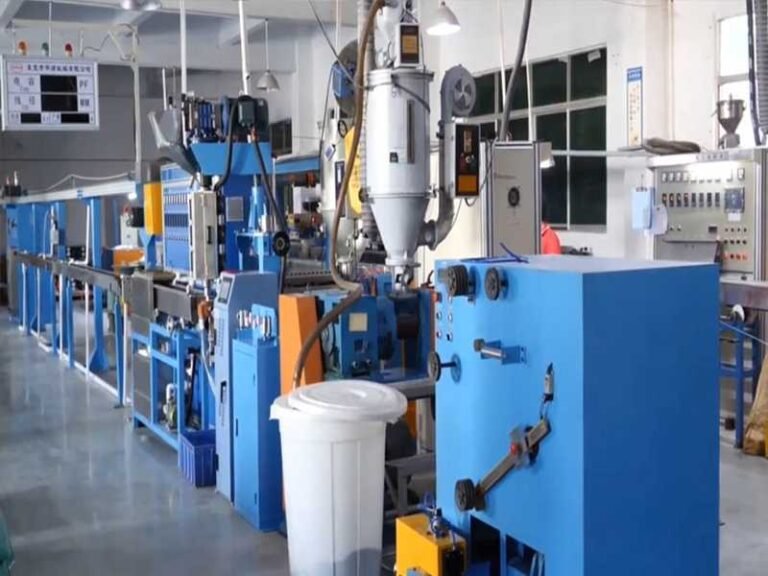
Engineering Teams Supporting Dynamic Motion Development
Many movement cable projects begin from cable samples, installation photos, connector numbers or motion descriptions rather than finalized drawings. SINO-CONN engineering teams regularly support projects involving robotic systems, drag chain equipment, AGV platforms and multi-axis applications where movement behavior influences cable architecture. Technical discussions frequently include bend radius, routing paths, torsion requirements and installation conditions before production begins. Selected projects can support CAD drawing development in as fast as 30 minutes after receiving available information.
Flexible Supply Chain Supporting Complex Cable Structures
Dynamic motion cable projects frequently require more than standard components. Long-term cooperation with wire manufacturers, connector factories, molding suppliers and shielding material partners provides broader sourcing flexibility across custom applications. SINO-CONN supports connector ecosystems including JST, HRS, Molex, TE, JAE, I-PEX, Honda, LEMO, KEL, Amphenol and Samtec according to project requirements. Different wire structures, shielding systems and materials can be integrated according to movement conditions and installation environments.
Prototype To OEM Manufacturing Supporting Project Growth
Many engineering projects begin from sample quantities before transitioning toward production programs. SINO-CONN supports prototype quantities beginning from 1 piece while maintaining structured workflows from CAD confirmation to sample preparation and production planning. Urgent sample programs may support development schedules within 2–3 days depending on material availability. As projects mature, workflows continue toward OEM manufacturing while maintaining consistency across prototype and repeat production stages.
Manufacturing Infrastructure Supporting Diverse Motion Applications
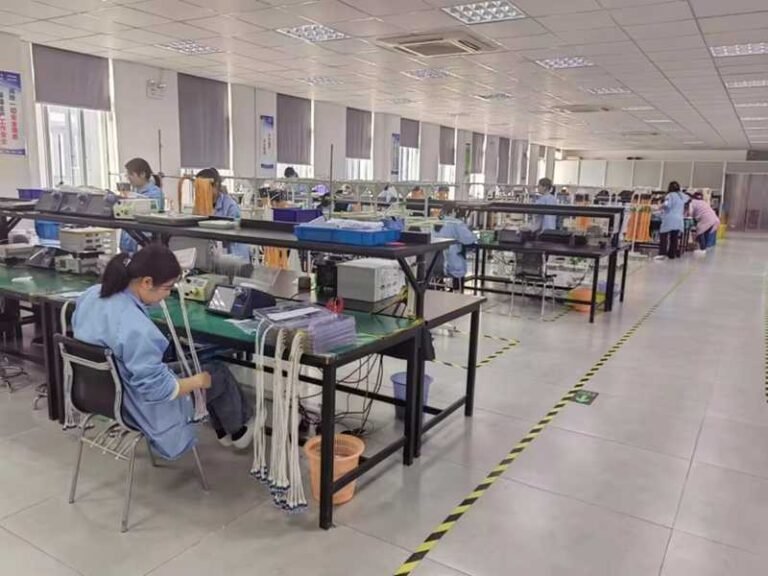
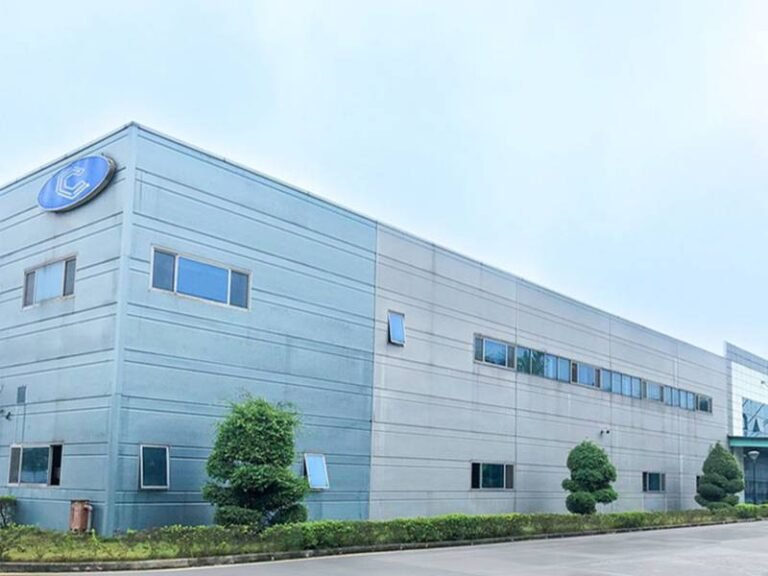
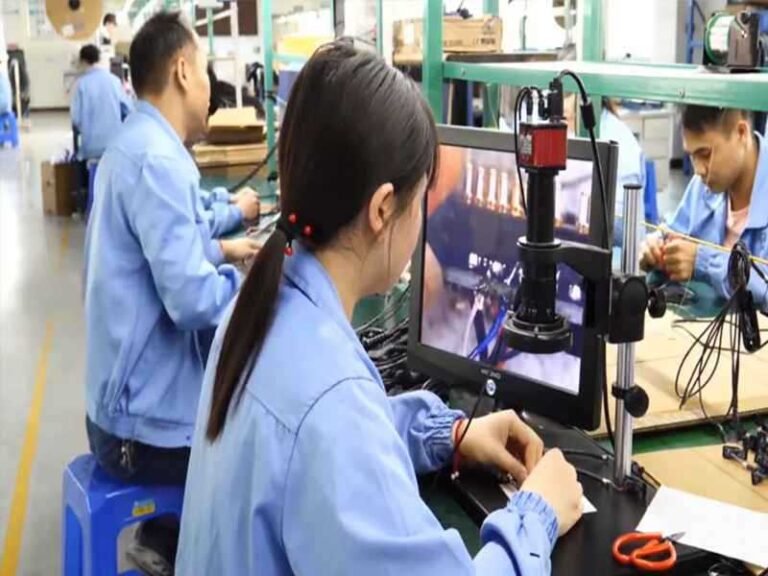
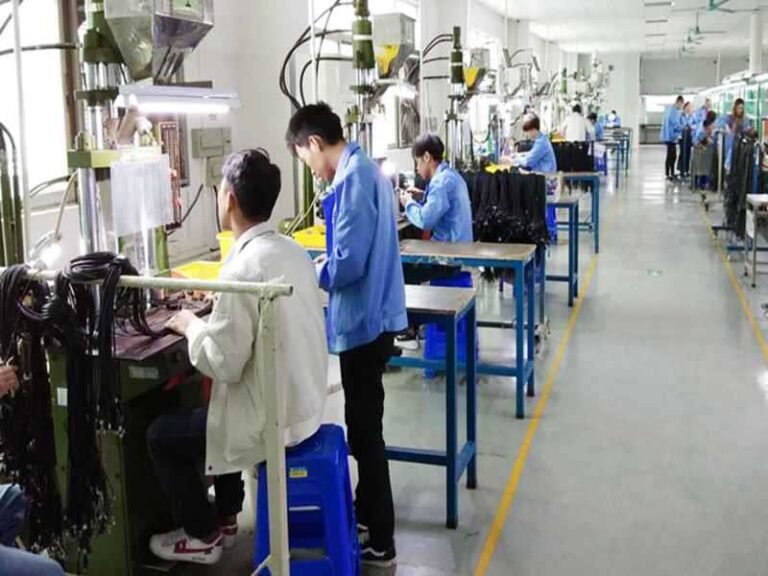
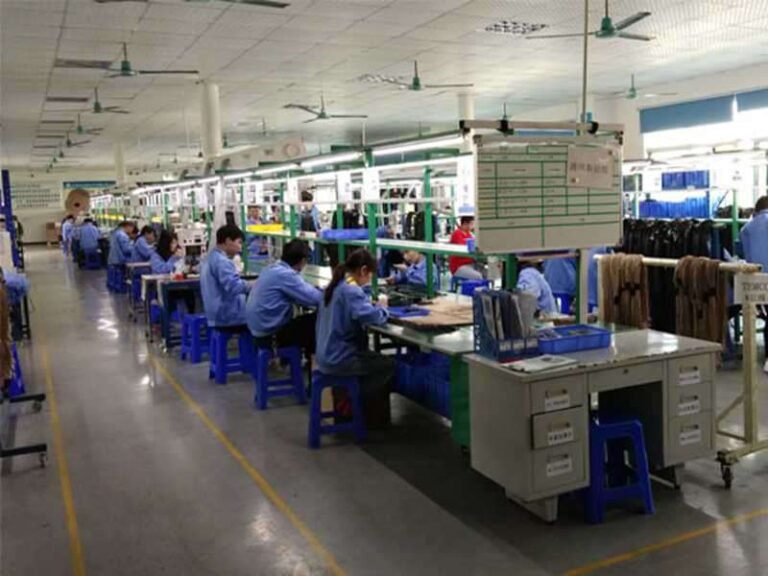
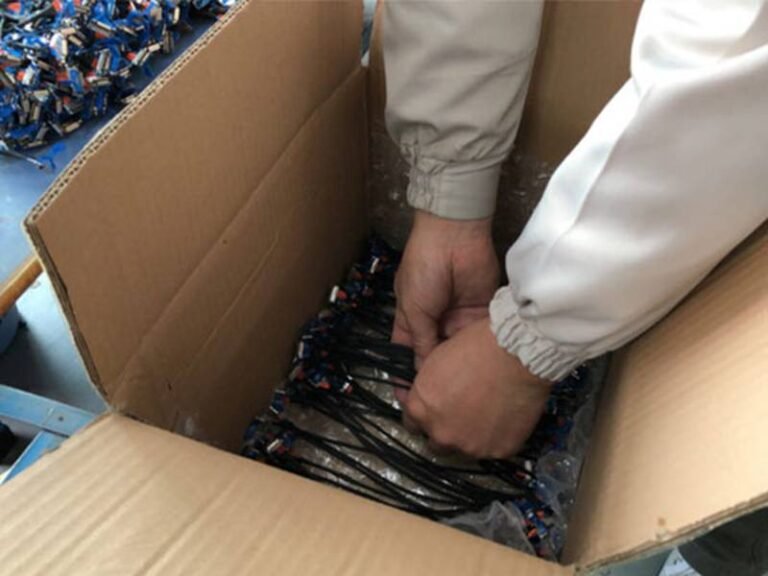
Located in Shenzhen, SINO-CONN operates engineering teams, sample workshops and multiple cable assembly production lines supporting projects across industrial automation, robotics, medical equipment, UAV systems and communication devices. Manufacturing capability includes cable lengths from 30mm to 10m+, 20–512+ signal paths and fine coax structures down to 50AWG. Supported projects frequently combine power, signal and communication structures inside one cable architecture for compact motion environments.
Dynamic Motion Applications Frequently Create Engineering Problems Beyond Standard Cable Design
High flex cable assemblies often perform differently after equipment enters real operating environments. A cable may pass continuity testing and fit correctly during assembly, yet gradually develop reliability problems once exposed to repeated movement, acceleration, vibration and compact routing conditions. Robotics systems, AGV platforms and automation equipment frequently introduce stresses that remain invisible during early prototype stages.
Many projects discussed with SINO-CONN begin after customers encounter movement-related failures during validation or after existing suppliers cannot meet changing mechanical requirements. Engineering discussions frequently start from movement descriptions, installation photos and existing cable samples before root causes become clear.

| Common Challenge | Typical Impact |
|---|---|
| Repeated Motion Fatigue | Reduced Service Life |
| Torsion And Multi-Axis Stress | Mechanical Failure |
| Harsh Operating Conditions | Material Degradation |
| Routing Space Limitations | Installation Difficulties |
Repeated Motion Fatigue Often Appears Long After Initial Validation
Repeated movement environments can gradually create mechanical stress inside cable structures. Conductors, shielding layers and transition areas may experience cumulative fatigue over thousands or millions of movement cycles. Initial prototypes often function correctly while long-term operation later reveals intermittent signals, unstable communication or unexpected downtime.
Applications involving industrial robots, packaging equipment and automated systems frequently operate across multiple production shifts each day. SINO-CONN regularly supports discussions involving movement cycles, operating frequency and cable routing conditions before prototype development begins, helping engineering teams review dynamic requirements earlier in project stages.
Torsion And Multi-Axis Stress Frequently Create Hidden Reliability Risks
Many robotic systems combine several movement directions simultaneously rather than simple bending. Robot joints, rotating modules and articulated mechanisms may expose cable assemblies to twisting, bending and vibration at the same time. Standard cable structures designed only for repeated flexing may gradually experience stress concentration under multi-axis movement conditions.
Projects involving robotic arms and mobile systems often begin with movement videos or installation sketches because real operating conditions frequently explain more than drawings alone. Engineering discussions commonly include torsion angle, movement path and mechanical behavior before structure selection begins.
Harsh Operating Conditions Can Influence Material Performance Over Time
Movement systems frequently operate near motors, oils, lubricants, dust and changing temperatures. Some environments introduce vibration and chemical exposure while others require movement inside confined industrial equipment. Material performance may gradually change after long-term exposure even when installation conditions initially appear acceptable.
SINO-CONN supports cable structures using different jacket materials, shielding architectures and connector combinations according to operating environments. Material discussions frequently become part of engineering review before sample production starts.
Routing Space Limitations Frequently Increase Development Complexity
Compact equipment rarely leaves ideal cable routing space. AGV systems, collaborative robots and industrial devices often require cables to move through narrow pathways, hinges and crowded internal structures where movement freedom becomes limited.
Many projects begin from existing installation photos because physical space constraints frequently influence cable architecture more than electrical requirements alone. SINO-CONN regularly supports routing discussions during prototype stages, where small changes in cable exit direction, branch location or structure organization can improve installation flexibility and future maintenance accessibility.
Custom High Flex Cable Assemblies Designed Around Real Motion Environments
High flex cable projects rarely follow one standard structure. Different movement patterns create different engineering requirements involving bend radius, torsion behavior, routing limitations, shielding architecture and environmental exposure. A robotic arm cable may require multi-axis flexibility, while a drag chain system may prioritize abrasion resistance and long travel stability.
SINO-CONN supports custom cable assemblies developed around actual operating conditions rather than fixed catalog structures. Projects often begin from movement descriptions, existing samples, CAD drawings or installation photos and continue through prototype validation toward OEM production.
| Product Type | Typical Applications | Engineering Focus |
|---|---|---|
| Drag Chain Cable Assemblies | Industrial Automation | Continuous Guided Motion |
| Robotic Arm Cable Assemblies | Multi-Axis Robotics | Dynamic Flexibility |
| Torsion Cable Assemblies | Rotational Systems | Twist Resistance |
| High Flex Coiled Assemblies | Medical / Handheld Equipment | Retractable Motion |
| Hybrid Power + Signal Assemblies | AGV / Mobile Systems | Multi-Function Integration |
| Motion Harness Systems | Industrial Equipment | Compact Routing |

Drag Chain Cable Assemblies
Drag chain systems often involve repeated linear movement where cable assemblies travel continuously inside cable carriers. Long travel distances, acceleration and friction conditions may gradually influence cable performance over time. SINO-CONN supports drag chain cable assemblies designed around movement conditions and routing environments frequently used in industrial automation systems, CNC equipment and packaging machinery.
Project Characteristics
- Support continuous movement applications
- Cable length from 30mm to 10m+
- Abrasion-resistant structure options
- Flexible routing architecture
- Single or hybrid signal integration
- Prototype support from 1 piece

Robotic Arm Cable Assemblies
Multi-axis robotic systems frequently expose cable assemblies to changing movement directions involving bending, vibration and repeated motion. Cable structures often require flexibility and routing stability across articulated environments. SINO-CONN supports robotic cable projects involving collaborative robots, industrial robot arms and automated handling systems.
Project Characteristics
- Multi-axis movement applications
- Flexible structure design support
- Compact routing optimization
- Signal and power integration
- Original or compatible connectors available
- CAD review support in as fast as 30 minutes

Torsion Cable Assemblies
Rotating systems frequently create movement conditions different from traditional bending environments. Twisting movement may gradually influence conductor arrangement, shielding organization and mechanical stress distribution over time. SINO-CONN supports torsion cable structures for applications involving rotating modules, articulated systems and robotic joints.
Project Characteristics
- Support rotational movement environments
- Designed around torsion behavior
- Multi-direction movement compatibility
- Flexible shielding architecture
- Structure optimization support
- Prototype validation before production

High Flex Coiled Cable Assemblies
Retractable cable systems frequently require movement flexibility together with controlled extension behavior. Applications involving medical devices, testing systems and handheld equipment often require cable structures balancing flexibility and organization. SINO-CONN supports coiled cable assemblies according to movement requirements and installation conditions.
Project Characteristics
- Extendable movement support
- Custom cable and coil length
- Compact installation structures
- Signal or hybrid cable options
- Multiple jacket material support
- Engineering customization available

Hybrid Power And Signal Assemblies
Modern automation systems increasingly combine sensors, communication modules and power systems into one compact architecture. Integrating multiple functions into one cable assembly may simplify installation and reduce routing complexity. SINO-CONN supports hybrid structures combining power, signal and communication requirements inside one assembly.
Project Characteristics
- Power and signal integration
- Reduced cable routing complexity
- Support 20–512+ signal paths
- Mixed cable architecture capability
- Compact movement environments
- OEM production support available

Motion Harness Systems For AGV And Automation Equipment
AGV platforms and mobile automation systems often involve batteries, communication modules, sensors and compact movement environments. Internal space restrictions frequently require customized routing and cable organization. SINO-CONN supports motion harness systems developed according to installation conditions and movement requirements.
Project Characteristics
- AGV and AMR platform support
- Compact routing architecture
- Flexible branch organization
- Communication and sensor integration
- Prototype to OEM workflow
- Engineering and manufacturing support
Different Operating Environments Frequently Require Different High Flex Cable Structures
Many high flex cable projects initially begin with connector models, wire specifications or cable lengths. In real applications, operating environments often become the factor that determines long-term reliability. Two cable assemblies built using similar structures may behave very differently once installed inside robotic systems, AGV platforms or industrial automation equipment.
Movement patterns, installation space, vibration exposure and operating behavior frequently influence cable architecture earlier than material selection. SINO-CONN regularly reviews operating environments during project discussions because movement conditions often reveal structural requirements before drawings become finalized. Many projects begin from equipment photos, movement videos or existing samples rather than complete documentation.

| Motion Environment | Typical Equipment | Common Requirements |
|---|---|---|
| Robotics Systems | Industrial Robots | Multi-Axis Flexibility |
| Drag Chain Systems | Automation Equipment | Continuous Guided Motion |
| AGV / AMR Platforms | Mobile Robotics | Vibration + Compact Routing |
| Industrial Automation Equipment | Smart Manufacturing Systems | Repeat Motion Stability |
Robotics Systems Frequently Combine Multiple Dynamic Movement Conditions
Industrial robots and collaborative robotic platforms often create environments where cable assemblies experience bending, torsion and changing routing directions simultaneously. Unlike static installations, robotic movement paths frequently change continuously throughout operation. Cable structures operating near articulated joints may experience localized movement stress that gradually accumulates over time.
SINO-CONN regularly supports robotics projects involving automated handling equipment, collaborative robots and multi-axis platforms where movement videos and installation sketches frequently become more valuable than electrical specifications alone. Engineering discussions often include movement behavior before sample development begins because routing conditions inside robotic systems frequently influence cable architecture decisions.
Drag Chain Systems Frequently Prioritize Long-Term Motion Consistency
Drag chain environments involve controlled movement paths where cable assemblies repeatedly travel inside cable carriers throughout operation. Automation equipment, CNC systems and packaging machinery frequently create movement conditions involving continuous operation and repeated cycles. Cable routing behavior often becomes important because repeated guided motion may gradually influence long-term movement consistency.
Projects involving drag chain applications frequently begin with movement distance, installation sketches and routing photos because physical operating environments often explain requirements more clearly than standard specifications. SINO-CONN supports custom cable assemblies for continuous motion applications ranging from prototype development through OEM production stages.
AGV And AMR Platforms Frequently Create Compact And Mobile Installation Conditions
Mobile robotic platforms frequently combine movement with vibration, battery systems, communication modules and compact internal layouts. Unlike fixed equipment environments, movement behavior inside AGV and AMR systems may continue changing throughout operation. Cable assemblies often integrate power, signal and communication structures while operating within restricted installation space.
SINO-CONN frequently supports cable development projects involving mobile automation systems where mixed architecture structures help simplify internal routing complexity. Engineering discussions commonly involve movement conditions and installation constraints before cable layouts become finalized.
Industrial Automation Equipment Frequently Requires Stable Performance During Continuous Operation
Automation systems frequently operate across extended production schedules involving repeated movement and continuous operating cycles. Pick-and-place systems, testing equipment and intelligent manufacturing platforms often expose cable assemblies to dynamic environments where movement reliability becomes increasingly important over time.
Many industrial automation projects evolve gradually from prototype quantities toward production requirements. SINO-CONN supports workflows beginning from 1-piece samples through repeat manufacturing stages, allowing engineering teams to validate movement environments before scaling toward larger OEM production programs.
High Flex Cable Service Life Guide
Service Life In High Flex Cable Applications Depends On Real Operating Conditions Rather Than Material Specifications Alone
In dynamic applications, service life rarely depends on wire material or jacket type alone. Two cable assemblies built using nearly identical structures may perform very differently after installation. Operating schedules, movement behavior, maintenance conditions and installation environments frequently influence lifecycle expectations more than initial specifications.
Robotics systems, drag chain applications, AGV platforms and industrial automation equipment often operate continuously for thousands or millions of cycles throughout equipment life. SINO-CONN regularly supports engineering discussions where lifecycle planning becomes part of project development before prototype validation begins. Early discussions involving operating expectations frequently help reduce later revisions and support more stable production planning.

| Operating Environment | Typical Service Life Expectation | Common Operating Characteristics |
|---|---|---|
| Light Motion Systems | 100K+ Cycles | Intermittent Operation |
| Industrial Automation | 1M+ Cycles | Continuous Production |
| AGV / AMR Platforms | 3M+ Cycles | Mobile + Vibration Exposure |
| Drag Chain Applications | 5M+ Cycles | Guided Repetitive Motion |
| Multi-Axis Robotics | 10M+ Cycles | Combined Dynamic Stress |
Similar Cable Structures Frequently Show Different Service Life After Installation
Many projects initially assume that cable lifespan can be predicted directly from material specifications. Actual operating environments often create different outcomes. Two cable assemblies built with similar structures may operate under different schedules, movement frequencies and environmental conditions after deployment. Equipment operating continuously across multiple production shifts frequently creates different stress conditions than systems running intermittently.
SINO-CONN regularly reviews operating conditions during project discussions because movement behavior often explains lifecycle expectations more effectively than specifications alone. High flex applications involving robotics and automation equipment frequently begin with discussions around equipment usage rather than cable parameters only.
Prototype Validation Frequently Differs From Real Production Conditions
Prototype systems often operate under controlled testing environments involving shorter operating periods and limited movement exposure. Once products enter production, cable assemblies may experience continuous movement, larger workloads and longer operating schedules. Conditions during production stages frequently reveal operating variables not visible during initial validation.
Many motion cable projects begin from small validation quantities before scaling toward repeat manufacturing. SINO-CONN supports prototype quantities beginning from 1 piece, allowing engineering teams to evaluate operating conditions before moving toward production programs. Early validation frequently improves confidence before larger manufacturing commitments begin.
Service-Life Planning Frequently Starts During Equipment Development Stages
Industrial equipment manufacturers often define maintenance schedules and expected operating periods before products enter the market. Robotics systems, automated production equipment and mobile platforms frequently require lifecycle planning during development because future maintenance activities may affect long-term operating costs.
Lifecycle expectations occasionally influence cable architecture decisions before prototype development begins. Discussions involving installation accessibility, replacement expectations and operating schedules frequently become part of larger engineering planning activities.
Long-Term Maintenance Strategy Frequently Influences Future Equipment Reliability
Cable assemblies frequently become part of larger maintenance strategies throughout equipment life. Routing accessibility, replacement planning and service efficiency may influence future operating continuity after systems enter production. Industrial equipment manufacturers often consider replacement accessibility early because maintenance conditions may affect long-term production stability.
SINO-CONN supports workflows extending from prototype development toward OEM manufacturing stages where engineering discussions continue beyond initial production. Long-term project support frequently includes lifecycle considerations alongside manufacturing planning and production continuity requirements.
High Flex Cable Routing Design Guide
Cable Routing Design Frequently Influences Long-Term Reliability More Than Cable Structure Alone
High flex cable assemblies are often designed around movement capability, material selection and connector compatibility. In actual operating environments, routing behavior frequently becomes one of the most important factors affecting long-term reliability. A well-designed cable structure may still experience premature wear if installed through constrained pathways, repeated movement zones or changing mechanical positions.
Robotic systems, AGV platforms, drag chain environments and industrial automation equipment frequently introduce routing conditions where cable movement continuously changes throughout operation. SINO-CONN regularly supports projects beginning from installation photos, equipment layouts and movement videos because routing behavior often reveals design requirements not visible through cable specifications alone.

| Routing Environment | Common Installation Conditions | Engineering Focus |
|---|---|---|
| Compact Equipment | Limited Internal Space | Routing Flexibility |
| Dynamic Movement Systems | Repeated Motion | Stable Movement Paths |
| Articulated Structures | Joint Movement | Stress Distribution |
| Industrial Equipment | Long Operating Cycles | Long-Term Reliability |
Compact Equipment Frequently Creates Routing Restrictions Beyond Initial Design Expectations
Modern industrial devices increasingly integrate sensors, batteries, communication modules and control systems into smaller spaces. Collaborative robots, AGV platforms and precision equipment often contain limited routing pathways where cable movement freedom becomes restricted. Internal layouts occasionally evolve during development stages, creating additional routing complexity after prototype structures have already been established.
SINO-CONN frequently reviews equipment photos and installation references because mechanical constraints often influence cable architecture more than electrical specifications alone. Small adjustments involving cable exits, branch positions and routing direction may improve assembly flexibility and future service accessibility.
Dynamic Movement Systems Frequently Require Stable Routing Paths During Operation
Movement environments involving robotics, automation systems and sliding mechanisms continuously change cable geometry throughout operation. Cable assemblies may move through repeated cycles involving bending, vibration and changing travel directions. Stable movement paths often help reduce localized stress accumulation and improve movement consistency over long operating periods.
Many high flex projects begin with movement descriptions and operating videos rather than complete engineering drawings because actual motion behavior frequently reveals routing concerns during early project stages. Routing discussions often become part of prototype development before structures become finalized.
Articulated Structures Frequently Create Localized Stress Concentration Areas
Robotic joints, hinge systems and moving mechanical assemblies frequently expose cables to repeated movement around specific locations. Unlike fixed installations where stress distributes across broader areas, articulated environments often create concentrated movement zones where routing paths significantly influence operating behavior.
Applications involving robotic arms, moving display systems and automated handling equipment frequently review movement paths around joints before sample production begins. SINO-CONN supports projects where movement sketches and installation references help optimize routing structures before OEM production stages.
Long-Term Reliability Frequently Depends On Routing Conditions Established During Early Development
Cable routing performance often becomes visible only after systems enter functional operation. Early prototypes may pass electrical validation while later revealing routing concerns involving interference areas, limited movement space or changing cable positions during actual use. Installation environments occasionally influence operating behavior more than expected.
SINO-CONN supports prototype workflows beginning from quantities as low as 1 piece, allowing movement conditions and routing performance to be evaluated during validation stages before transitioning toward larger manufacturing programs. Early routing discussions frequently reduce revisions and support more stable long-term operating performance.
High Flex Application Engineering Center
Different Industries Frequently Create Completely Different High Flex Cable Requirements
High flex cable assemblies are rarely defined by wire gauge, connector type or cable length alone. Actual operating environments frequently determine cable architecture much earlier than electrical specifications. Motion behavior, routing limitations, vibration exposure and installation space often create requirements that vary significantly from one application to another.
A robotic system may prioritize multi-axis movement performance, while an AGV platform often focuses on compact routing and vibration stability. Semiconductor equipment may require lightweight flexible structures, while industrial automation systems frequently prioritize continuous operation reliability. SINO-CONN regularly supports projects beginning from equipment photos, movement videos and installation layouts because application environments often reveal engineering requirements more clearly than drawings alone.

| Application Environment | Typical Equipment | Primary Engineering Focus |
|---|---|---|
| Robotics Systems | Industrial Robots | Multi-Axis Dynamic Movement |
| AGV / AMR Platforms | Mobile Robotics | Vibration + Compact Routing |
| Industrial Automation | Smart Factory Equipment | Continuous Motion Stability |
| Precision Motion Systems | Medical Equipment | Lightweight Structures |
| Semiconductor Equipment | Wafer Systems | Compact Signal Architecture |
| Testing And Inspection Equipment | Automated Platforms | Repeat Motion Consistency |
Robotics Systems Frequently Create Multi-Axis Dynamic Movement Environments
Industrial robots and collaborative robotic systems frequently expose cable assemblies to changing movement paths involving bending, torsion and localized stress conditions simultaneously. Compared with traditional movement environments, robotic platforms continuously change movement behavior according to operating sequences and equipment tasks.
SINO-CONN regularly supports robotic projects involving automated handling equipment, welding systems and collaborative robotics where routing behavior around articulated structures becomes part of early engineering discussions. Cable architectures frequently prioritize movement consistency and routing flexibility across long operating cycles.
Typical Application Examples
- Industrial robotic arms
- Collaborative robots
- Pick-and-place equipment
- Welding robotic systems
- Material handling robots
- Smart factory robotic platforms
AGV And AMR Platforms Frequently Operate Under Compact Dynamic Conditions
Mobile robotic systems often combine movement, vibration, communication devices and battery systems within highly restricted spaces. Cable assemblies inside AGV and AMR platforms frequently integrate power, communication and signal structures while operating under constantly changing movement conditions.
Projects involving warehouse automation and logistics equipment frequently require compact cable organization to simplify installation complexity. SINO-CONN supports mixed architecture cable structures designed according to mobile platform layouts and equipment movement requirements.
Typical Application Examples
- AGV platforms
- AMR systems
- Warehouse automation equipment
- Autonomous transport systems
- Logistics robotics
- Mobile inspection platforms
Industrial Automation Equipment Frequently Prioritize Continuous Production Stability
Industrial automation systems frequently operate across long production schedules involving repeated movement cycles and continuous equipment operation. Packaging machinery, intelligent assembly systems and inspection platforms often require cable assemblies capable of maintaining movement consistency throughout extended operating periods.
Many automation projects gradually evolve from engineering validation stages toward larger OEM production programs. SINO-CONN supports workflows beginning from 1-piece prototypes through repeat manufacturing, helping engineering teams validate cable structures before production expansion.
Typical Application Examples
- Packaging systems
- CNC equipment
- Automated assembly equipment
- Inspection systems
- Intelligent production platforms
- Testing equipment
Precision Motion Systems Frequently Require Lightweight And Flexible Architecture
Medical systems, imaging equipment and precision movement platforms frequently require cable assemblies operating within tightly controlled movement environments. Limited installation space and movement precision often create additional structural requirements compared with traditional industrial applications.
SINO-CONN supports compact cable architectures including fine coax capabilities down to 50AWG for applications requiring lightweight structures and highly flexible movement behavior.
Typical Application Examples
- Medical equipment
- Imaging systems
- Precision positioning platforms
- Vision inspection systems
- Laboratory automation devices
- Precision robotic systems
Semiconductor Equipment Frequently Require Compact Routing And Signal Stability
Semiconductor manufacturing equipment often integrates sensors, motion platforms and control systems within highly compact environments. Cable assemblies operating inside wafer systems and precision manufacturing platforms frequently prioritize signal stability together with routing flexibility.
Engineering discussions for semiconductor projects often involve installation limitations and signal integration requirements because cable architecture frequently affects future equipment layout flexibility.
Typical Application Examples
- Wafer handling systems
- Semiconductor process equipment
- Chip inspection systems
- Precision positioning stages
- Automated cleanroom systems
- Electronic manufacturing equipment
Testing And Inspection Equipment Frequently Operate Through Repetitive Controlled Motion
Testing and inspection platforms often operate using repeatable movement sequences where cable assemblies continuously move through predictable pathways. Compared with robotic environments, these systems frequently prioritize repeat movement consistency and long-term operating stability.
SINO-CONN supports custom cable assemblies for automated inspection systems where movement reliability becomes increasingly important during prolonged operating schedules and production environments.
Typical Application Examples
- Automated testing platforms
- Inspection robotics
- Vision inspection equipment
- Reliability testing systems
- Sensor calibration equipment
- Industrial quality systems
High Flex Cable For Drag Chain Applications
Drag Chain Applications Frequently Require Cable Structures Designed Around Continuous Motion Conditions
Drag chain environments create one of the most demanding operating conditions for high flex cable assemblies. Unlike static installations, cables inside drag chains repeatedly move through controlled pathways while continuously experiencing bending, acceleration, vibration and long operating cycles. Even when electrical performance appears stable during early testing, long-term operation frequently introduces movement behavior that gradually affects reliability.
Industrial automation systems, CNC equipment, packaging machinery and robotic transfer systems often rely on drag chain environments where cable routing and structure organization become important engineering considerations. SINO-CONN regularly supports projects beginning from equipment photos, chain dimensions and movement descriptions because drag chain operating environments frequently influence cable architecture before drawings become finalized.

| Drag Chain Environment | Typical Equipment | Engineering Focus |
|---|---|---|
| Short Travel Motion | Assembly Equipment | Repeated Flex Stability |
| Long Travel Motion | CNC Systems | Movement Consistency |
| Compact Cable Carriers | Automation Equipment | Space Optimization |
| Continuous Industrial Operation | Smart Manufacturing Systems | Long-Term Reliability |
Short Travel Motion Systems Frequently Create High Repetition Operating Conditions
Some drag chain systems operate through relatively short travel distances but repeatedly cycle throughout daily operation. Assembly systems, pick-and-place platforms and automated transfer equipment frequently create operating environments where movement frequency becomes more significant than travel distance itself. Small movement ranges repeated over long periods may gradually create localized stress conditions.
Projects involving short-travel automation systems frequently review movement cycles and operating schedules during early discussions. SINO-CONN regularly supports high flex cable development where equipment movement patterns influence architecture decisions before prototype validation begins.
Long Travel Motion Systems Frequently Prioritize Stable Cable Behavior Across Extended Movement Paths
CNC systems, gantry platforms and industrial transfer equipment often require cable assemblies to travel longer distances inside cable carriers. As movement paths become larger, routing behavior and cable organization may increasingly influence operating stability. Long travel environments frequently require movement consistency throughout extended operating cycles.
SINO-CONN supports custom cable assemblies ranging from 30mm to 10m+ according to equipment requirements. Engineering discussions frequently begin from chain dimensions and movement conditions because travel environments often reveal routing requirements earlier than electrical specifications.
Compact Cable Carrier Environments Frequently Create Installation Constraints
Modern industrial equipment increasingly integrates sensors, communication modules and control systems into compact structures where cable routing space becomes limited. Drag chain carriers with restricted dimensions frequently require cable organization capable of balancing flexibility and installation efficiency.
Projects involving compact automation systems often begin from installation sketches and equipment photos because routing limitations frequently become visible only after hardware integration begins. Small structural adjustments involving branch locations, cable exits and routing direction frequently improve future service accessibility.
Continuous Industrial Operation Frequently Prioritizes Long-Term Reliability Planning
Production equipment operating across multiple shifts frequently exposes cable assemblies to movement conditions extending through thousands or millions of cycles. Repeated movement environments may gradually reveal wear behavior and routing characteristics not visible during early validation stages.
SINO-CONN supports prototype quantities beginning from 1 piece through OEM manufacturing workflows, allowing engineering teams to evaluate movement behavior before transitioning toward larger production programs. Early validation frequently helps reduce repeated revisions and improve long-term operating consistency.
High Flex Cable Material Selection Guide
Material Selection Frequently Determines Whether High Flex Cable Assemblies Succeed In Real Operating Environments
High flex cable performance is rarely determined by movement behavior alone. Material selection frequently becomes one of the most important variables affecting flexibility, abrasion resistance, environmental stability and long-term operating consistency. A cable performing well inside a laboratory environment may behave very differently after exposure to oils, vibration, low temperatures or continuous industrial movement.
Robotics systems, drag chain applications, AGV platforms and industrial automation equipment often create operating environments requiring different material priorities. SINO-CONN regularly supports projects beginning from application discussions because operating environments frequently influence jacket structure, shielding design and material selection before cable drawings become finalized.

| Operating Condition | Material Focus | Common Design Objective |
|---|---|---|
| Oil Exposure | Oil Resistance | Material Stability |
| Chemical Environment | Chemical Protection | Long-Term Durability |
| Low Temperature | Cold Flexibility | Movement Consistency |
| Outdoor Equipment | UV Resistance | Weather Stability |
| Abrasion Conditions | Surface Durability | Wear Resistance |
| Safety Requirements | Flame Protection | Regulatory Compliance |
Oil Resistance Materials Frequently Support Industrial Equipment Environments
Industrial automation systems, machine tools and manufacturing platforms frequently operate near lubricants, hydraulic fluids and oils. Long-term exposure occasionally changes material behavior and gradually affects cable surface conditions over extended operating periods.
Engineering Focus
- Exposure to industrial oils
- Hydraulic system environments
- Manufacturing equipment operation
- Flexible jacket behavior
- Long-term material consistency
- Continuous operation support
Typical Applications
- CNC equipment
- Factory automation systems
- Industrial robotic platforms
- Packaging equipment
- Mechanical production systems
- Processing machinery
SINO-CONN regularly supports projects involving industrial environments where movement conditions and material exposure become part of early engineering discussions.
Chemical Resistance Materials Frequently Support Harsh Operating Conditions
Some operating environments expose cable assemblies to cleaning agents, industrial chemicals and production-related substances that gradually affect material performance. Different chemical environments frequently create different material priorities according to application conditions.
Engineering Focus
- Chemical exposure conditions
- Cleaning process environments
- Long-term material durability
- Surface stability requirements
- Industrial production systems
- Environmental compatibility
Typical Applications
- Chemical processing equipment
- Laboratory systems
- Medical automation equipment
- Manufacturing environments
- Inspection systems
- Industrial process equipment
Material discussions often become part of engineering review because operating environments frequently influence cable architecture earlier than expected.
Low Temperature Materials Frequently Influence Dynamic Movement Behavior
Movement systems operating in colder environments frequently create challenges involving flexibility and routing consistency. Materials functioning normally at room temperature occasionally behave differently under lower operating temperatures.
Engineering Focus
- Cold operating environments
- Dynamic movement consistency
- Material flexibility behavior
- Routing performance stability
- Outdoor conditions
- Mobile equipment environments
Typical Applications
- Cold storage automation
- Outdoor AGV systems
- Logistics platforms
- Environmental testing systems
- Mobile robotics
- Transport equipment
SINO-CONN supports application discussions involving operating conditions where movement and temperature environments influence material selection.
Outdoor And UV Resistance Materials Frequently Support External Equipment Applications
Equipment operating outdoors often encounters sunlight exposure, weather conditions and environmental changes throughout operating life. Long-term UV exposure occasionally influences cable surface conditions and material stability.
Engineering Focus
- Outdoor operating environments
- UV exposure conditions
- Weather stability
- Environmental protection requirements
- Long-term operation support
- Surface durability expectations
Typical Applications
- Outdoor robotics systems
- Smart agriculture equipment
- Inspection platforms
- Communication equipment
- Autonomous outdoor systems
- Mobile monitoring devices
Many projects involving external equipment begin from operating environment discussions because installation conditions frequently affect material architecture decisions.
Abrasion Resistance Materials Frequently Support Continuous Motion Applications
Repeated cable movement inside drag chains, robotic systems and guided pathways occasionally creates contact between cable surfaces and surrounding mechanical structures. Abrasion conditions frequently become long-term variables affecting movement reliability.
Engineering Focus
- Continuous movement environments
- Surface wear conditions
- Guided motion systems
- Mechanical interaction areas
- Movement durability requirements
- Long-term operation behavior
Typical Applications
- Drag chain systems
- Robotics platforms
- Automated transfer equipment
- Smart factory systems
- Industrial handling equipment
- Dynamic automation systems
SINO-CONN frequently supports high flex projects where routing behavior and abrasion conditions become part of prototype discussions before production stages begin.
Flame Resistance Materials Frequently Support Safety And Compliance Requirements
Certain industrial and equipment environments frequently require cable materials supporting fire-related safety objectives and industry compliance requirements. Material discussions occasionally involve operating environments together with project certification requirements.
Engineering Focus
- Safety-related environments
- Flame performance objectives
- Compliance discussions
- Long-term operating reliability
- Industrial project requirements
- Equipment integration support
Typical Applications
- Industrial equipment systems
- Medical devices
- Transportation equipment
- Smart manufacturing systems
- Testing platforms
- Communication equipment
SINO-CONN supports projects involving various compliance and certification requirements where material selection frequently becomes part of early engineering and manufacturing discussions.
Most High Flex Cable Failures Begin Long Before Electrical Problems Become Visible
Many cable failures do not originate from immediate material defects or connector issues. High flex cable assemblies often continue operating normally during early installation and validation stages while mechanical stress gradually accumulates over time. Dynamic movement, compact routing conditions and environmental exposure may slowly influence cable behavior until intermittent failures eventually appear.
Robotics systems, drag chain environments, AGV platforms and industrial automation equipment frequently expose cable assemblies to movement conditions extending through millions of cycles. SINO-CONN regularly supports projects where engineering teams investigate movement-related reliability concerns after existing solutions fail to meet long-term operating expectations. Failure analysis frequently becomes valuable because root causes often originate from installation environments rather than electrical specifications alone.

| Failure Type | Typical Symptoms | Common Contributing Factors |
|---|---|---|
| Conductor Fatigue | Intermittent Signal Loss | Repeated Dynamic Movement |
| Jacket Damage | Surface Cracking / Wear | Abrasion + Environmental Exposure |
| Connector Area Stress | Unstable Performance | Transition Concentration |
| Routing Related Failures | Premature Reliability Issues | Installation Conditions |
Conductor Fatigue Frequently Develops After Long-Term Repeated Movement
Internal conductor structures inside high flex cable assemblies repeatedly experience movement cycles throughout operation. Over time, repeated bending and changing movement conditions may gradually create localized stress accumulation inside conductors. Electrical continuity often remains stable during early operation while intermittent signal behavior appears later during extended use.
Common Symptoms
- Random communication interruptions
- Temporary signal instability
- Intermittent electrical behavior
- Movement-dependent operation changes
- Unexpected equipment downtime
- Increased troubleshooting frequency
Typical Operating Environments
- Robotic systems
- Continuous motion automation equipment
- AGV platforms
- Drag chain applications
- Precision motion systems
- Automated transfer equipment
SINO-CONN frequently reviews movement behavior and installation conditions because operating environments often reveal fatigue risks before cable architecture becomes finalized.
Jacket Damage Frequently Begins As Gradual Surface Wear Rather Than Immediate Failure
Cable jackets operating inside moving systems frequently experience friction, environmental exposure and repeated interaction with surrounding structures. Surface wear often develops slowly before visible damage appears. Over long operating periods, abrasion, oils, temperature changes and movement conditions may gradually influence cable surface integrity.
Common Symptoms
- Surface wear marks
- Material cracking
- Localized deformation
- Outer layer deterioration
- Reduced flexibility
- Visible movement damage
Typical Operating Environments
- Drag chain systems
- Industrial machinery
- Outdoor mobile equipment
- Automated production platforms
- Material handling systems
- Continuous motion environments
SINO-CONN supports material discussions involving movement environments where routing behavior and operating exposure become part of early engineering review.
Connector Transition Areas Frequently Become Localized Stress Concentration Zones
Mechanical loading frequently accumulates around connector exits and transition structures where cable flexibility changes suddenly. Compared with free cable sections, transition areas often experience concentrated movement conditions because mechanical force becomes distributed unevenly during operation.
Common Symptoms
- Intermittent connector performance
- Movement-sensitive failures
- Signal interruption near exits
- Mechanical stress marks
- Localized reliability concerns
- Reduced movement consistency
Typical Operating Environments
- Robotic joints
- Compact automation systems
- Repeated movement equipment
- Multi-axis platforms
- Testing systems
- Dynamic machinery installations
Many projects begin from installation photos because routing behavior near transition areas frequently reveals operating concerns before sample development starts.
Routing Conditions Frequently Influence Long-Term Reliability More Than Expected
Cable routing environments occasionally create movement behavior different from original design assumptions. Tight pathways, changing bend positions and compact installation areas may gradually increase localized stress throughout operation. Systems often pass validation testing while routing behavior later creates unexpected reliability concerns during real production environments.
Common Symptoms
- Premature operating failure
- Repeated maintenance activity
- Movement-related instability
- Localized wear patterns
- Unexpected reliability variation
- Reduced service intervals
Typical Operating Environments
- Compact robotic systems
- Industrial automation equipment
- AGV platforms
- Smart manufacturing systems
- Mobile robotics equipment
- Dynamic installation environments
SINO-CONN supports prototype quantities beginning from 1 piece, allowing engineering teams to review routing behavior and operating environments before transitioning toward larger OEM manufacturing programs.
Custom High Flex Cable Development Frequently Requires Multiple Engineering Stages Before Production Stability Is Achieved
High flex cable projects rarely move directly from inquiry to production. Robotics systems, AGV platforms, industrial automation equipment and dynamic movement applications frequently continue evolving during development stages. Routing paths, movement behavior, connector selections and installation conditions may change several times before requirements become fully stabilized.
Many engineering teams begin with incomplete information including cable samples, connector models, installation photos or movement videos rather than finalized documentation. SINO-CONN supports integrated development workflows combining engineering review, CAD design, prototype validation and OEM manufacturing support, helping customers reduce repeated revisions and accelerate project progress from concept to production.

| Development Stage | Typical Customer Input | SINO-CONN Support |
|---|---|---|
| Initial Inquiry | Photos / Models / Drawings | Technical Evaluation |
| Requirement Analysis | Motion Information | Engineering Review |
| Connector Verification | Part Numbers | Compatibility Analysis |
| CAD Development | Technical Requirements | Drawing Creation |
| Structure Optimization | Application Conditions | Design Refinement |
| Prototype Manufacturing | Approved Drawings | Sample Production |
| Validation Testing | Installation Feedback | Revision Support |
| OEM Production | Final Approval | Mass Manufacturing |
Initial Inquiry Frequently Begins From Existing Samples Rather Than Final Documentation
Many high flex projects start from cable photos, connector numbers, hand sketches or previously used assemblies rather than complete engineering drawings. Engineering teams frequently understand application goals but continue refining movement requirements and routing conditions throughout development.
SINO-CONN regularly supports projects beginning from incomplete information where early discussions gradually identify movement environments, connector requirements and installation considerations. Initial technical review frequently helps accelerate later development stages and reduce uncertainty.
Requirement Analysis Frequently Defines Dynamic Operating Conditions
Dynamic applications often require understanding movement behavior before cable architecture becomes finalized. Repeated movement, vibration exposure, routing limitations and operating schedules frequently become key variables influencing future design decisions.
Engineering discussions frequently involve robotic systems, AGV platforms and industrial automation environments where operating behavior often reveals requirements not visible through electrical specifications alone.
Connector Verification Frequently Becomes A Critical Early Engineering Step
High flex cable projects often involve original connectors, compatible alternatives and customized configurations depending on supply requirements and production schedules. Connector compatibility discussions frequently influence lead time, sourcing flexibility and future manufacturing planning.
SINO-CONN supports ecosystems including JST, Molex, HRS, TE, JAE, Honda, LEMO, I-PEX, Samtec and Amphenol according to project requirements. Engineering teams frequently evaluate original and replacement options depending on project priorities.
CAD Development Frequently Converts Requirements Into Manufacturable Structures
Once application conditions become clearer, engineering teams frequently begin translating movement requirements into production-ready structures. Cable exits, branch positions, routing directions and installation environments often become part of drawing development.
SINO-CONN supports CAD-to-PDF workflows where selected projects may receive engineering drawing support in as fast as 30 minutes depending on project complexity and available technical information.
Structure Optimization Frequently Continues Before Sample Preparation Begins
Initial design structures occasionally require adjustments after movement conditions and equipment layouts become clearer. Routing paths, cable exits and branch organization sometimes change during discussions before prototypes enter production.
Many projects involving robotic systems and dynamic environments continue evolving throughout early engineering stages. Small structural modifications often improve installation flexibility and movement consistency.
Prototype Manufacturing Frequently Supports Early Application Validation
Initial samples frequently become the first stage where operating conditions interact with actual cable structures. Dynamic movement systems occasionally reveal routing limitations and installation behavior only after physical validation begins.
SINO-CONN supports prototype quantities beginning from 1 piece while urgent projects may support sample preparation within 2–3 days depending on project requirements and material availability.
Validation Testing Frequently Reveals Additional Optimization Opportunities
Physical testing stages occasionally identify movement conditions and installation behavior not fully visible during engineering discussions. Validation often reveals routing adjustments and application details requiring additional optimization before production planning continues.
Engineering teams frequently provide movement videos, installation photos and testing feedback during this stage because operating behavior often influences final structure decisions.
OEM Production Frequently Prioritizes Consistency And Supply Stability
After sample approval, production planning frequently focuses on repeatability, quality control and long-term supply continuity. Dynamic cable projects often require manufacturing processes capable of maintaining consistency across repeated production cycles.
SINO-CONN supports multiple cable assembly production lines together with integrated supplier resources and three-stage inspection procedures including process inspection, finished-product inspection and pre-shipment verification.
High Flex Cable Projects Frequently Succeed When Movement Conditions Are Reviewed Early During Development
High flex cable assemblies often become part of larger systems where movement behavior, routing conditions and installation environments continue evolving throughout project development. Robotics platforms, AGV systems and automation equipment frequently require engineering support extending beyond cable manufacturing alone. Many projects supported by SINO-CONN begin from movement videos, equipment photos and prototype discussions before progressing toward production stages.
The following projects represent examples of how engineering review, flexible manufacturing and motion-focused development support helped customers reduce development risk and improve long-term operating consistency.

Germany | Industrial Robotics Manufacturer | Multi-Axis Robotic Arm Cable System
Application Scenario
Industrial robotic arms used in automated assembly systems for automotive component manufacturing.
Project Challenge
The customer experienced repeated cable failures near robotic joint sections after approximately 6–8 months of operation. Existing cable assemblies operated under continuous multi-axis movement involving bending, localized torsion and changing routing directions. Frequent maintenance interruptions were affecting production schedules.
SINO-CONN Solution
Engineering discussions began from robotic movement videos and installation layouts rather than connector specifications alone. SINO-CONN reviewed movement behavior and optimized cable architecture around routing pathways and dynamic operating conditions. Prototype quantities were developed and validated before transitioning toward production.
Project Results
- Cable replacement frequency reduced by approximately 60%
- Estimated operating lifecycle improved from 3M cycles to 10M+ cycles
- Annual maintenance downtime reduced by 35%
- Prototype development completed within 7 days
Customer Feedback
“Movement behavior was reviewed much earlier than expected. Discussions focused on application conditions rather than simply producing a cable according to drawings.”
United States | Warehouse Automation Company | AGV Mobile Platform Harness Project
Application Scenario
Autonomous mobile robots used inside large warehouse logistics and smart fulfillment systems.
Project Challenge
Limited installation space inside AGV platforms created routing complexity involving battery systems, sensors and communication modules. Existing assemblies required multiple cable structures, increasing installation difficulty and future maintenance requirements.
SINO-CONN Solution
Engineering teams reviewed equipment layouts and internal installation photos before prototype preparation. Power, signal and communication structures were integrated into a custom high flex architecture designed around compact routing conditions and dynamic operating environments.
Project Results
- Internal cable quantity reduced by 40%
- Installation time improved by approximately 30%
- Prototype support completed from 1-piece validation quantities
- OEM manufacturing scaled toward repeat production requirements
Customer Feedback
“Engineering discussions helped simplify system layouts significantly. Mixed architecture solutions reduced installation complexity more than expected.”
South Korea | Semiconductor Equipment Manufacturer | Precision Motion Cable Project
Application Scenario
Precision positioning and inspection equipment used inside semiconductor manufacturing systems.
Project Challenge
Equipment movement structures required lightweight cable assemblies capable of operating within highly compact environments while maintaining routing flexibility and signal consistency. Standard cable structures created movement resistance affecting positioning performance.
SINO-CONN Solution
Engineering discussions focused on installation behavior, movement paths and lightweight architecture requirements. Fine cable structures and compact routing approaches were reviewed during prototype development stages before sample validation.
Project Results
- Cable OD reduced by approximately 28%
- Equipment movement resistance improved by 25%
- Prototype preparation supported within 3 days
- Production consistency maintained through repeat manufacturing stages
Customer Feedback
“Support extended beyond manufacturing. Discussions around movement environments helped improve integration performance during development.”
High Flex Cable Quality Control Requires Process Stability Across Dynamic Motion Applications
Quality control for high flex cable assemblies extends beyond standard continuity testing. Robotics systems, AGV platforms, drag chain applications and industrial automation equipment frequently expose cable assemblies to repeated movement, vibration and long operating cycles where small manufacturing variations may gradually become larger reliability concerns during operation.
For high flex projects, consistency often begins before production starts and continues throughout manufacturing, validation and shipment stages. SINO-CONN applies multi-stage inspection procedures supporting projects from prototype quantities beginning at 1 piece through OEM manufacturing programs. Quality workflows combine incoming material review, process monitoring, functional validation and shipment verification to help support stable product performance across dynamic environments.
| Quality Stage | Inspection Scope | Primary Objective |
|---|---|---|
| Incoming Material Verification | Wire, Connectors, Components | Supply Consistency |
| Process Quality Inspection | Assembly Operations | Production Stability |
| Electrical And Functional Validation | Finished Cable Performance | Reliability Verification |
| Final Audit And Shipment Inspection | Complete Product Review | Delivery Confidence |


Incoming Material Verification Frequently Influences Long-Term Reliability Before Production Begins
Many high flex reliability issues begin long before cable assembly starts. Conductor consistency, connector dimensions, shielding structures and material quality frequently influence movement behavior throughout product life. Small deviations in material properties may gradually affect flexibility, routing consistency and long-term operating stability under repeated movement environments.
SINO-CONN maintains long-term cooperation with cable manufacturers, connector suppliers and material partners supporting ecosystems including Molex, JST, TE, HRS, JAE, Honda, I-PEX, Samtec, LEMO and Amphenol according to project requirements. Incoming components frequently undergo specification confirmation, appearance review and dimensional verification before entering production workflows. Engineering teams frequently review original and compatible component options according to supply requirements and production objectives.
Process Quality Inspection Frequently Helps Maintain Consistency Throughout Manufacturing
High flex cable assemblies frequently involve multiple manufacturing procedures including cutting, stripping, crimping, soldering, shielding preparation, overmolding and structure assembly. Compared with static cable products, dynamic applications often require greater attention to cable organization and transition consistency because movement environments may amplify small process differences after deployment.
SINO-CONN applies ongoing process inspection procedures throughout manufacturing stages where assembly conditions receive continuous review before products move toward completion. Production personnel, engineering teams and quality inspectors frequently monitor workflow consistency because routing structures and movement environments occasionally require project-specific verification during manufacturing stages.
Electrical And Functional Validation Frequently Extends Beyond Basic Continuity Testing
Finished cable assemblies frequently require more than simple electrical verification. Dynamic applications often involve connector orientation, signal stability, routing structure and movement behavior where operating conditions influence performance requirements. Products passing continuity inspection alone may still require additional project-level verification according to application environments.
SINO-CONN supports electrical testing workflows where cable assemblies frequently undergo continuity verification, pin-definition confirmation and functional inspection according to approved project documentation. Dynamic applications involving automation systems and high flex movement environments frequently receive additional validation discussions during engineering stages.
Final Audit And Shipment Inspection Frequently Become The Last Opportunity Before Delivery
Completed products frequently undergo appearance review, structure verification and shipment confirmation before entering packaging stages. Dynamic cable applications often require attention to connector positioning, labeling consistency and approved drawing requirements because small assembly differences may affect installation behavior during final deployment.
SINO-CONN applies finished-product inspection together with pre-shipment verification as part of a three-stage inspection process including process inspection, completed-product inspection and shipment review. Products frequently undergo 100% inspection procedures before delivery, helping support both engineering prototypes and long-term OEM manufacturing programs
Certifications And Compliance Frequently Become Part Of Supplier Approval Before Production Begins
High flex cable assemblies used in robotics, industrial automation, medical equipment, AGV systems, UAV platforms and communication devices often require more than movement performance and electrical reliability. For many OEM projects, supplier qualification begins long before production orders are released. Engineering teams, quality departments and procurement managers frequently review manufacturing systems, assembly standards, environmental declarations and trade documentation before prototype approval progresses toward repeat manufacturing.
SINO-CONN supports custom high flex cable projects through engineering development, prototype support and OEM manufacturing workflows while maintaining quality systems and compliance documentation commonly requested during global supplier evaluation stages. Documentation support frequently becomes part of project discussions because approval timelines occasionally influence project progress as much as manufacturing capability itself.
| Certification Category | Standards / Documents | Typical Project Purpose |
|---|---|---|
| Quality Systems | ISO 9001 / ISO 14001 | Manufacturing Stability |
| Medical & Specialized Programs | ISO 13485 / ISO 10993 | Medical Project Qualification |
| Assembly Standards | IPC-620 | Cable Assembly Workmanship |
| Environmental Compliance | RoHS / REACH / PFAS | Material Safety Review |
| Product Documentation | UL / QBFA | Product Qualification Support |
| International Trade Documents | COC / COO | Global Shipment Requirements |
Quality Systems And Manufacturing Standards Frequently Support Long-Term Supplier Qualification
Large OEM customers and engineering teams frequently evaluate suppliers according to manufacturing consistency and process control capability before approving production programs. Dynamic cable projects involving robotics systems, AGV platforms and industrial automation environments often require manufacturing systems capable of supporting prototypes, engineering revisions and repeat production stability.
SINO-CONN supports manufacturing workflows aligned with ISO 9001, ISO 14001 and IPC-620 assembly standards while integrating process inspection and product verification procedures throughout development stages. Engineering teams frequently review supplier capability not only according to cable specifications, but also according to quality systems supporting long-term manufacturing continuity. These requirements often become especially important when projects evolve from small engineering quantities toward repeat OEM production programs.
Medical And Specialized Applications Frequently Require Additional Documentation Support
Medical systems, imaging equipment, diagnostic platforms and specialized electronic devices frequently introduce additional supplier requirements involving quality management systems and material evaluation processes. Compared with conventional industrial applications, these environments often require documentation extending beyond standard product specifications.
SINO-CONN supports ISO 13485 quality system requirements together with ISO 10993-related support for projects involving medical and specialized applications where applicable. Product discussions frequently involve movement behavior, compact routing requirements and material considerations alongside qualification requirements. For engineering teams working on regulated industries, early documentation support frequently helps accelerate supplier approval procedures.
Environmental Compliance And Trade Documentation Frequently Support International OEM Programs
Global customers increasingly review material declarations and trade documentation before products move into procurement and production stages. Cable assemblies frequently integrate connectors, wire structures, shielding materials and molded components that may require environmental and shipment-related documentation according to destination markets.
SINO-CONN supports RoHS, REACH and PFAS compliance discussions together with project-related documentation including UL support, QBFA, COC and COO requirements according to customer needs. International OEM programs, distributors and automation manufacturers frequently include documentation review during early supplier selection stages because compliance requirements may directly influence project timelines and import procedures.



Fast Prototype Delivery And Stable Global Logistics Support For Custom High Flex Cable Projects
For custom high flex cable projects, manufacturing capability alone is rarely enough. Engineering teams often require urgent prototype samples, OEM manufacturers prioritize production continuity, and purchasing departments frequently focus on shipment stability and delivery predictability.
Robotics systems, industrial automation platforms, AGV equipment and dynamic motion applications frequently operate under aggressive project schedules. Delays during prototype validation or repeat manufacturing may affect larger development milestones. SINO-CONN supports structured delivery workflows designed to help customers move efficiently from engineering samples toward stable production supply.

| Order Type | Typical Lead Time | Delivery Support |
|---|---|---|
| Standard Prototype Orders | Around 2 Weeks | Engineering Sample Support |
| Urgent Prototype Requests | 2–3 Days | Priority Scheduling |
| Standard Production Orders | 3–4 Weeks | Stable Manufacturing Planning |
| Urgent Production Projects | Within 2 Weeks | Fast-Track Production |
| Large OEM Programs | Scheduled Delivery | Batch Supply Coordination |
Fast Sample Delivery Frequently Supports Engineering Validation Timelines
Engineering teams often require prototypes before equipment structures become fully finalized. High flex cable projects involving robotics, automation equipment and mobile platforms frequently evolve during development stages where sample responsiveness directly influences project speed.
SINO-CONN supports prototype quantities beginning from 1 piece with standard sample lead times around two weeks. For urgent projects requiring accelerated schedules, prototype support may be arranged within 2–3 days depending on material availability and project complexity. CAD-to-PDF support may also be available in as fast as 30 minutes during technical evaluation stages.
Flexible Global Shipping Methods Frequently Support Different Project Priorities
Different projects frequently require different shipment strategies according to urgency, destination and cost considerations. Engineering samples often prioritize speed while repeat production programs may focus on delivery planning and transportation efficiency.
SINO-CONN supports international logistics methods including:
- DHL express shipment
- FedEx international delivery
- UPS global transportation
- TNT services
- Air freight solutions
- Sea freight coordination
Shipping arrangements may be adjusted according to prototype schedules, OEM production requirements and customer delivery priorities.
Structured Delivery Workflows Frequently Improve Visibility During International Projects
Large international projects often require more than shipment arrangements alone. Customers frequently request documentation, packaging standards and order tracking visibility throughout project execution.
SINO-CONN supports project delivery workflows including:
- Order progress updates
- Packaging confirmation
- COC documentation support
- COO documentation support
- Shipping tracking coordination
- Export document preparation
Structured communication workflows frequently help engineering teams and purchasing departments maintain visibility from sample preparation through final delivery stages.
Common Questions About Custom High Flex Cable Assemblies, Engineering Support And Production Capability
High flex cable projects often involve dynamic applications where routing conditions, movement behavior and operating environments continue evolving during development. Engineering teams may focus on cable performance and technical feasibility, while procurement departments often prioritize lead times, MOQ requirements, documentation and supply continuity.
The following questions reflect topics frequently discussed with robotics manufacturers, industrial automation companies, AGV developers and OEM customers working with custom high flex cable projects. Many of these discussions begin before complete drawings become available.
1. Can Custom High Flex Cable Assemblies Be Developed Without Complete Drawings?
Many projects begin with connector models, hand sketches, equipment photos or existing cable samples rather than complete engineering documentation. Dynamic applications frequently evolve during development stages where cable requirements continue changing.
SINO-CONN regularly supports projects beginning from partial information including movement videos and installation references. Engineering discussions frequently help define structure requirements before formal drawings become finalized.
2. What Information Helps Accelerate Quotation And Engineering Review?
Technical reviews frequently become faster when project discussions include cable length, connector information, signal definitions, movement conditions and application descriptions. Routing references and installation photos may also provide valuable context.
Customers commonly share:
- Connector model numbers
- Cable length requirements
- Pin definitions
- Equipment photos
- Existing samples
- Movement videos
- Drawings or sketches
Some projects may receive CAD-to-PDF engineering support in as fast as 30 minutes depending on complexity.
3. Is There A Minimum Order Quantity Requirement?
Engineering projects frequently begin from prototype validation stages before production quantities become established. Development programs involving robotics systems and automation equipment often require small quantities during early testing stages.
SINO-CONN supports NO MOQ requirements, with projects beginning from 1-piece prototypes through repeat OEM manufacturing programs according to customer needs.
4. Can Original Connectors And Compatible Alternatives Both Be Supported?
Projects frequently involve discussions around original connector sourcing, compatible alternatives and lead-time flexibility. Some customers prioritize brand-specific components while others focus on faster availability and project budgets.
SINO-CONN supports connector ecosystems including Molex, JST, HRS, JAE, TE, Honda, I-PEX, LEMO, Samtec and Amphenol, together with original and alternative solutions according to project requirements.
5. How Long Does Prototype Development Usually Require?
Project timelines frequently depend on connector availability, cable complexity and material requirements. Engineering samples and urgent development schedules occasionally require accelerated preparation support.
Typical schedules include:
- Standard prototypes: around 2 weeks
- Urgent prototypes: 2–3 days
- Standard production: 3–4 weeks
- Urgent production: within 2 weeks
Actual timing may vary according to project requirements.
6. Can Cable Structures Be Modified During Development Stages?
Dynamic applications frequently evolve throughout prototype stages where routing behavior, branch structures and connector positions continue changing.
SINO-CONN regularly supports revisions involving:
- Cable length adjustments
- Pin definition changes
- Connector replacement
- Branch redesign
- Material updates
- Routing optimization
Engineering review frequently continues during prototype development.
7. Can NDA Agreements Be Supported Before Project Discussions Begin?
Many projects involve confidential product structures, internal designs and unreleased equipment programs where information security becomes important before technical discussions continue.
SINO-CONN supports NDA agreements according to customer requirements. Engineering documents, samples and project information frequently remain within controlled communication workflows.
8. Can High Flex Cable Assemblies Support Continuous Motion Applications?
High flex cable projects frequently involve drag chains, robotic systems, AGV platforms and automation equipment operating under repeated movement environments.
SINO-CONN supports custom structures for dynamic applications involving cable lengths from 30mm to 10m+ and configurations supporting 20–512+ signal paths according to project requirements.
9. How Is Product Quality Verified Before Shipment?
Dynamic cable applications frequently require quality processes extending beyond basic continuity testing because movement environments may amplify small production variations.
SINO-CONN applies:
- Process inspection
- Finished-product inspection
- Pre-shipment verification
- 100% product inspection procedures
Quality workflows support both prototype and OEM manufacturing programs.
10. Can International Delivery And Export Documentation Be Supported?
Many service robot programs begin from small engineering samples before progressing into validation activities, pilot production, and recurring manufacturing. SINO-CONN supports connected workflow from prototype development through OEM production helping maintain continuity as hardware architecture and manufacturing requirements continue evolving.
Global projects frequently require shipment coordination together with supporting documentation during procurement and customs workflows.
SINO-CONN supports international logistics and documentation including:
- DHL / FedEx / UPS shipment coordination
- Air and sea freight arrangements
- COC support
- COO support
- Project-related documentation requirements
International customers frequently integrate these workflows into long-term production planning.

Build A High Flex Cable Assembly Around Real Motion Conditions
Custom engineering support for robotics, AGV systems, drag chain applications and industrial automation projects moving from prototype validation to OEM production.
High flex cable projects often begin with connector models, movement videos, installation photos or existing samples rather than complete drawings. SINO-CONN supports engineering review, CAD confirmation, prototype development and repeat manufacturing for dynamic applications requiring bending, torsion, compact routing or long service life.
Information That Helps Accelerate Project Review
- Connector Part Numbers
- Cable Length Requirements
- Pin Definition Or Wiring Sequence
- Application Environment
- Motion Conditions
- CAD / PDF / Sketches
- Existing Cable Photos Or Samples
- Special Requirements