Skip to content
Custom EDP Cable Assembly Manufacturer
Micro Coax, High-Speed Display And Custom eDP Interconnect Solutions
SINO-CONN supports custom eDP cable assembly development for industrial displays, medical monitors, embedded systems, panel PCs and notebook platforms. Engineering support can begin from panel models, connector part numbers, drawings or existing samples. From micro coax structures and custom pin mapping to prototype validation and OEM production, projects move through a workflow designed around real display development requirements.
- Fine Coax Support Down To 50AWG
- Prototype Starting From 1 Piece
- CAD Support In As Fast As 30 Minutes
- 30Pin / 40Pin eDP Customization
- I-PEX / JAE / HRS Connector Integration
- Prototype To OEM Production Workflow
About SINO-CONN
Engineering Support Built Around Display Development And High-Speed Cable Integration
Custom eDP cable projects rarely begin with complete production files. Many display development programs start from LCD panel models, connector references, existing cable assemblies or mechanical routing challenges discovered during testing. SINO-CONN supports these early-stage discussions through engineering review, CAD development and prototype coordination. Located in Shenzhen, the company combines engineering resources, sample capability and manufacturing support into one workflow, helping display projects move from concept evaluation toward production with fewer communication gaps.
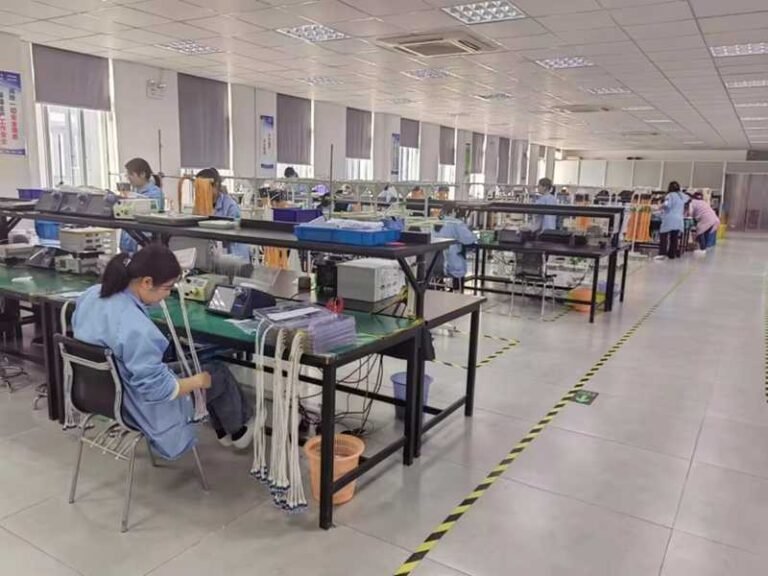
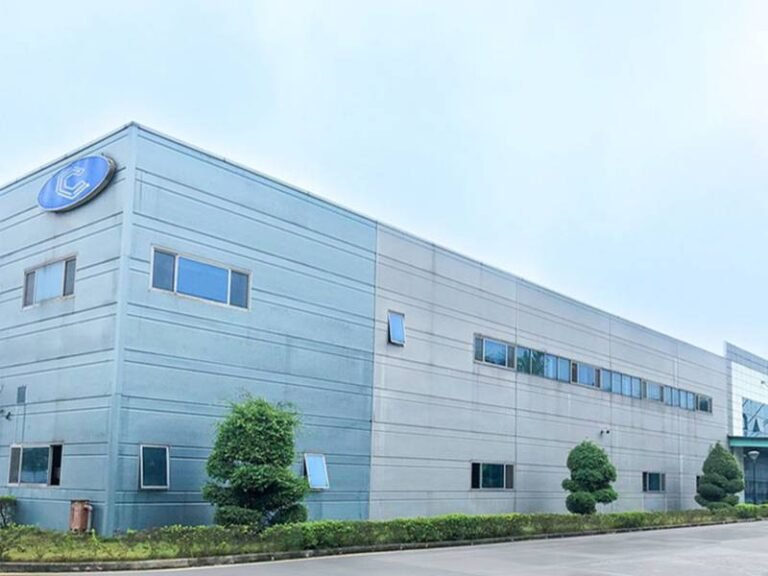
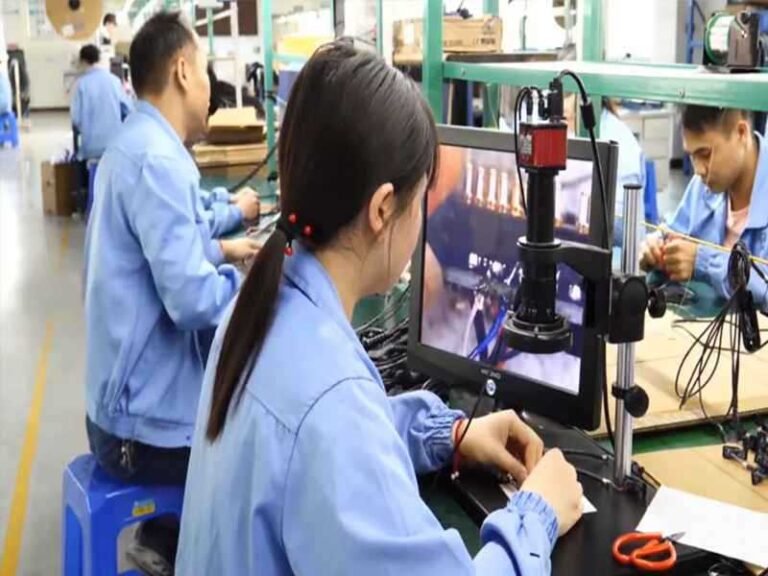
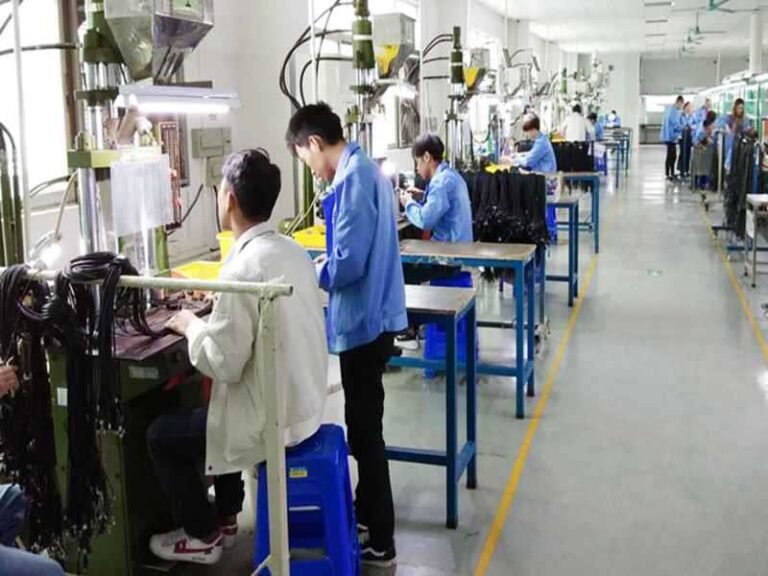
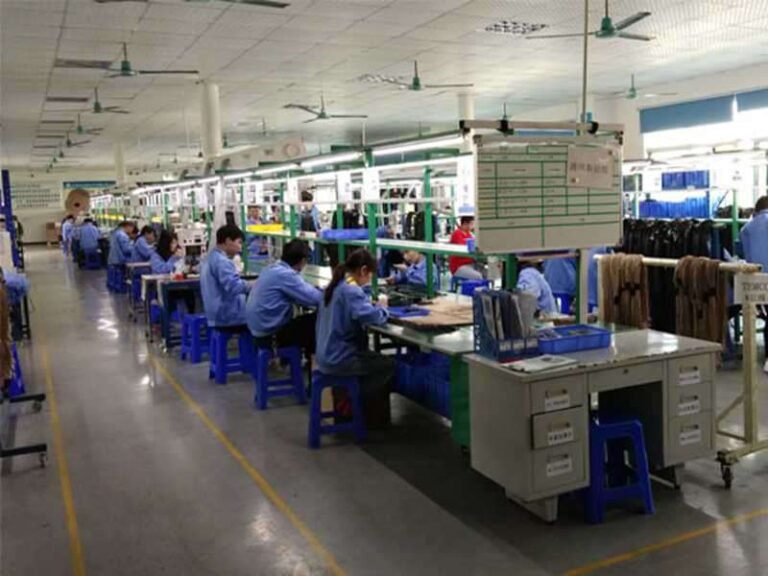
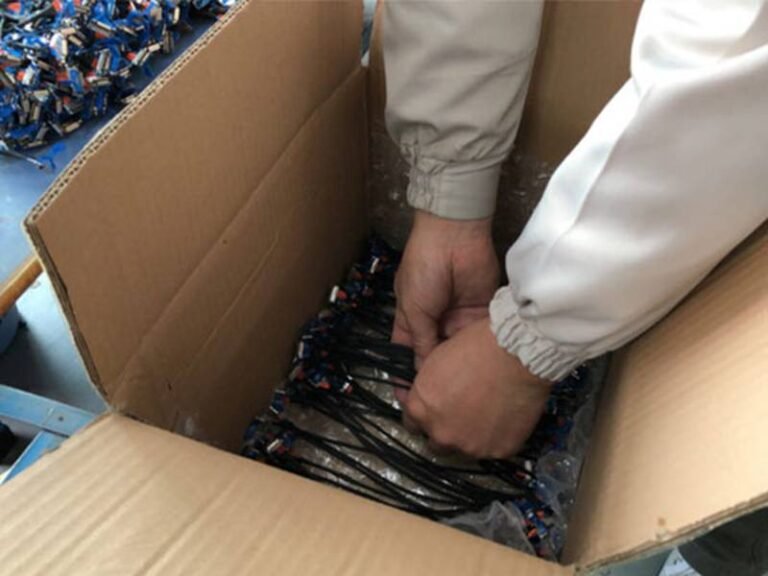
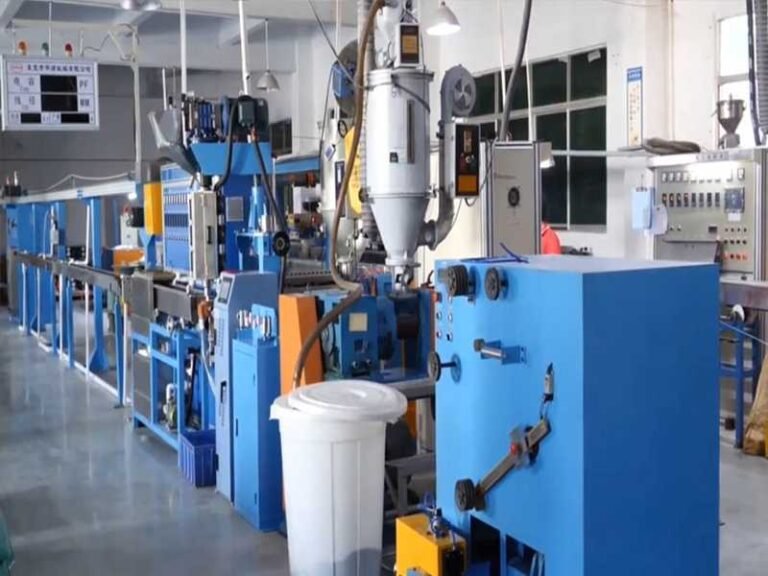
Engineering Teams Supporting Real Display Development Workflows
Display systems often evolve through multiple validation stages before cable structures become finalized. Connector direction, pin definitions, shielding structures and routing paths may change several times during development. SINO-CONN maintains dedicated engineering, R&D and sample teams supporting custom cable projects through technical discussions, drawing review and rapid revisions. Selected projects can begin CAD discussions within as fast as 30 minutes after receiving panel information, connector numbers or available technical files.
Micro Coax And Fine Pitch Manufacturing Capability
Modern eDP cable assemblies continue moving toward smaller structures and higher signal density. SINO-CONN integrates different cable platforms including signal wire, electronic wire, coaxial structures and fine coax technologies into custom display cable manufacturing. Fine conductors can support structures down to 50AWG, while overall cable assemblies can range from 30mm to 10m+ with 20–512+ signal paths depending on application requirements. These capabilities support industrial displays, medical devices, embedded systems and other compact electronic platforms.
Flexible Connector Ecosystems Supporting Display Projects
Display cable projects often depend on connector compatibility as much as cable architecture. Different panel platforms may use I-PEX, JAE, HRS, KEL, Honda, Molex, TE, Samtec and other fine-pitch connector systems. Some customers require original branded components while others prioritize lead-time flexibility and sourcing efficiency. SINO-CONN works with long-term connector and material partners across Shenzhen supply networks, allowing projects to support both original and approved alternative sourcing strategies according to development requirements.
From Prototype Quantities To Repeat OEM Manufacturing
Display engineering programs frequently begin with small sample quantities before expanding into pilot builds and larger production plans. SINO-CONN supports projects beginning from 1 piece and continuing through repeat manufacturing workflows. Engineering discussions, sample development, drawing confirmation and production planning follow the same process structure throughout different project stages. This approach helps support R&D engineers validating early concepts as well as OEM teams preparing for long-term production requirements.
Common Engineering Challenges During Custom eDP Cable Development And Display Integration
Custom eDP cable projects usually involve more than selecting connectors and confirming cable length. Display performance, signal transmission behavior, panel architecture and internal mechanical layout can all affect final cable design. Many development issues appear only after prototype assembly or display validation begins, making early engineering review increasingly important.
SINO-CONN regularly supports display cable projects beginning from panel references, existing assemblies, connector numbers and technical discussions. Across industrial displays, medical systems, embedded devices and panel PC programs, several engineering challenges continue appearing throughout development cycles.

| Common Challenge | Typical Project Impact |
|---|---|
| Signal Integrity | Flicker / Unstable Display |
| EMI Problems | Image Noise / Communication Issues |
| Space Constraints | Difficult Installation |
| Connector Compatibility | Prototype Delays |
| Pin Mapping Revisions | Multiple Engineering Changes |
| Supplier Limitations | Slow Development Progress |
Signal Integrity Problems Usually Appear During Validation Instead Of Design Stages
eDP systems rely on high-speed differential signal transmission where cable architecture directly influences display performance. Cable length, routing path, shielding structure and micro coax selection may all affect signal behavior. A cable assembly can appear mechanically correct while still causing image flicker, unstable output or intermittent screen behavior during testing.
SINO-CONN engineering discussions frequently include cable structure review, routing considerations and signal-related factors before prototypes move into validation. For display systems using compact routing and fine-pitch connectors, early review can help reduce repeated revisions later in development.
EMI And Display Noise Become More Visible Inside Compact Electronic Systems
Industrial displays, embedded platforms and medical systems increasingly combine processors, wireless modules, power circuits and display systems within limited internal space. Electrical noise generated from surrounding components may influence image stability and communication behavior if shielding structures are not carefully considered.
Projects often involve discussions around foil shielding, braided shielding, grounding paths and connector shield continuity. SINO-CONN supports custom shielding structures according to installation environment and application requirements, particularly for systems operating in electrically dense environments.
Internal Routing Space Continues Shrinking Across Display Products
Modern display products continue moving toward thinner structures and more compact internal architecture. Cable routing paths frequently pass through narrow mechanical spaces where cable thickness, exit direction and bend radius directly affect installation.
Many display projects begin after standard cable structures create assembly difficulties. SINO-CONN supports custom cable length, connector orientation and routing adjustments according to installation conditions and mechanical layout requirements.
Connector Compatibility Problems Can Delay Prototype Programs
Display engineering teams often begin with connector references such as I-PEX, JAE, HRS or existing assembly photos. Small differences involving pitch, mating height or locking structures can create compatibility problems during sample validation.
SINO-CONN regularly reviews connector part numbers, technical references and samples before manufacturing begins. Engineering discussions frequently start from connector ecosystems because correct matching early in development can help avoid avoidable prototype delays.
Pin Mapping Revisions Frequently Continue Through Development Cycles
Display systems rarely keep the same signal definitions throughout development. Changes involving AUX channels, HPD signals, lane assignments, power structures or grounding arrangements may occur after hardware updates and panel adjustments.
SINO-CONN prepares drawings before manufacturing and supports technical discussions throughout validation stages. This process helps engineering teams confirm signal definitions and reduce misunderstandings before production begins.
Limited Supplier Flexibility Often Slows Product Development
Display cable projects often require rapid revisions, urgent prototypes and low-volume engineering quantities. Some suppliers focus primarily on stable production programs and may struggle to support development-stage flexibility.
Many SINO-CONN projects begin after engineering teams encounter limitations with existing suppliers. Support starting from 1 piece, urgent sample coordination and rapid drawing review workflows help maintain progress during active development programs.
Custom eDP Cable Solutions Supporting Different Display Platforms And Signal Architectures
Display systems rarely use one universal cable structure. Connector ecosystems, panel architecture, signal requirements and installation environments often vary between industrial displays, medical equipment, embedded systems and notebook platforms. A cable assembly designed for one display platform may not fit another system even when the connector appears similar.
SINO-CONN supports custom eDP cable development through engineering review, connector integration and prototype workflows designed around actual display requirements. Development discussions may begin from LCD panel models, existing cable assemblies, connector part numbers or routing challenges discovered during validation.
| Product Category | Typical Applications | Common Customization |
|---|---|---|
| 30Pin eDP Cable | Notebook / Embedded Display | Length / Pinout / Direction |
| 40Pin eDP Cable | Industrial Display / Medical | Shield / Routing / Connector |
| Micro Coax eDP | Compact Electronics | Fine Coax / EMI |
| LVDS To eDP Cable | Display Migration Projects | Pin Mapping |
| High Flex eDP Cable | Folding / Dynamic Structures | Material / Bend Radius |
| Hybrid Display Cable | Integrated Systems | Signal + Power Combination |

30Pin eDP Cable Assemblies
30Pin eDP cable assemblies frequently appear in notebook systems, compact LCD platforms and embedded display products where installation space remains limited and cable routing flexibility becomes important.
Typical support includes:
- Custom Cable Length
- Custom Pin Mapping
- Connector Direction Adjustment
- Fine Pitch Connector Integration
- Shield Structure Options
- Original Or Compatible Connector Selection
- Single Or Branch Cable Structures
- Prototype To Production Support
SINO-CONN often supports projects beginning from panel models or existing display assemblies where routing optimization becomes part of development discussions.

40Pin eDP Cable Assemblies
40Pin structures commonly support display systems requiring more signal resources, additional functions or higher-resolution architectures. Routing paths and signal density often become more complex compared with compact display platforms.
Typical support includes:
- Custom Cable Architecture
- EMI Shield Structures
- Connector Orientation Modification
- Cable Exit Direction Changes
- Display-Specific Pin Definitions
- Mechanical Fit Adjustments
- Prototype Samples
- OEM Production Support
Many industrial display and medical display projects involve 40Pin structures where internal layout and signal stability require additional engineering review.

Micro Coax eDP Cable Assemblies
Micro coax structures continue becoming increasingly common in display applications where high-speed transmission, compact routing and shielding performance are important considerations.
Typical support includes:
- Fine Conductors Down To 50AWG
- Compact Cable Structures
- Controlled Signal Routing
- Single And Double Shielding
- Fine Pitch Connector Support
- Flexible Structure Configurations
- Tight Installation Space Applications
- High-Speed Signal Architecture Support
SINO-CONN supports fine coax integration across custom display assemblies where routing and structure limitations influence cable design.

LVDS To eDP Cable Assemblies
Many display systems originally developed around LVDS architecture continue transitioning toward eDP platforms. These projects often require more than cable replacement because connector structures and signal definitions may also change.
Typical support includes:
- LVDS To eDP Conversion Discussions
- Connector Replacement Support
- Signal Definition Review
- Pin Mapping Verification
- Existing Cable Evaluation
- Panel Model Reference Review
- Drawing Support
- Prototype Development
Migration projects frequently begin from existing hardware or legacy assemblies before engineering requirements become fully defined.

High Flex eDP Cable Assemblies
Certain display systems involve repeated movement, folding structures or limited bend space. Cable flexibility and material selection often become increasingly important in these applications.
Typical support includes:
- High Flex Material Options
- Bend Radius Discussions
- Dynamic Routing Structures
- Strain Relief Configurations
- Compact Installation Design
- Routing Optimization Support
- Mechanical Integration Review
- Prototype Validation Support
Display systems involving movement frequently require engineering discussions around both electrical and mechanical considerations.

Hybrid Display Cable Assemblies
Modern display systems increasingly integrate multiple functions into a single cable assembly. Signal transmission, power delivery and control structures may require consolidation within compact internal environments.
Typical support includes:
- Signal + Power Integration
- Display + Sensor Structures
- Auxiliary Function Integration
- Branch Harness Configurations
- Custom Wire Definitions
- Connector Combination Support
- Compact Routing Design
- Production Drawing Confirmation
SINO-CONN frequently supports hybrid structures combining multiple functions where cable simplification can improve assembly efficiency and installation organization.
Understanding Signal Structures Behind High-Speed eDP Display Systems
Many display projects begin from cable photos, connector numbers or LCD panel models. During actual system development, the signal architecture behind an eDP cable often affects performance more than the physical cable itself. Signal routing, communication channels, grounding structures and shielding methods work together to determine display behavior during validation and production.
Custom eDP cable assemblies for industrial displays, embedded systems and medical equipment frequently require engineering review around signal architecture before mechanical structures become finalized. SINO-CONN regularly supports projects involving signal discussions before production drawings become available.

| Signal Element | Function | Typical Engineering Focus |
|---|---|---|
| Main Link | Image Data Transmission | Signal Stability |
| AUX Channel | Device Communication | Configuration Reliability |
| HPD | Display Detection | Startup Stability |
| EDID | Display Recognition | Compatibility |
| Ground Structure | Signal Return Path | EMI Control |
| Shield Architecture | Signal Protection | Noise Reduction |
Main Link Structures Carry High-Speed Display Data Between Devices And Panels
Main Link channels transfer image information between the motherboard and display panel through high-speed differential transmission. Cable routing consistency, conductor structures and connector quality frequently influence transmission behavior. As resolution and refresh requirements increase, signal sensitivity also becomes more noticeable. SINO-CONN frequently supports compact micro coax cable structures for systems requiring controlled signal paths and space-efficient integration.
AUX Channels Support Communication Beyond Image Transmission
AUX channels support display configuration, device communication and link negotiation between display systems and LCD modules. Signal definitions involving AUX architecture frequently appear during custom cable discussions because small assignment changes may affect system behavior later in development. Engineering discussions often include signal confirmation before prototype production begins.
HPD Signals Help Hardware Systems Detect Display Readiness
Hot Plug Detect structures help systems identify display availability and startup conditions. Incorrect wiring or unstable signal behavior can create intermittent recognition issues during validation activities. During connector replacement projects and custom pin mapping programs, HPD review frequently becomes part of engineering verification discussions.
EDID Information Supports Resolution Recognition And System Compatibility
EDID structures communicate panel information including timing and supported display parameters. During panel replacement and display upgrade projects, compatibility discussions frequently involve EDID considerations. Existing cable samples and panel references often become useful starting points before engineering architecture becomes finalized.
Ground Architecture Influences Overall Signal Performance
Ground structures affect more than electrical completion. Return path behavior influences EMI performance, signal consistency and system stability. Compact systems operating near processors and power modules often require additional grounding discussions during cable development stages.
Shield Structures Help Reduce EMI Inside Compact Devices
Medical systems, embedded platforms and industrial electronics increasingly integrate dense electronic environments where EMI considerations become more important. Shielding architecture involving foil, braided structures and connector continuity frequently influences cable performance. SINO-CONN supports custom shielding approaches according to installation conditions and application requirements.
Display Resolution And Bandwidth Design Guide
How Resolution, Refresh Rate And Display Performance Influence eDP Cable Architecture
Display cable selection involves more than matching connector types. Resolution targets, refresh rates and bandwidth requirements frequently determine signal structure decisions before cable architecture becomes finalized. As display products continue moving toward higher resolutions and faster interfaces, engineering teams increasingly evaluate signal requirements before prototype manufacturing begins.
Many display revisions originate from panel upgrades or performance changes introduced later in development. SINO-CONN regularly supports projects where display specifications evolve throughout validation stages and require architecture adjustments.

| Display Requirement | Typical Architecture Complexity |
|---|---|
| HD / Small Embedded Display | Lower |
| Full HD Systems | Moderate |
| 2K Industrial Displays | Medium–High |
| 4K Display Systems | High |
| High Refresh Displays | Higher |
| Multi-Display Platforms | Complex |
Display Resolution Directly Influences Data Transmission Requirements
As display resolution increases, larger amounts of image information must move through cable systems. Projects involving medical imaging, industrial visualization and advanced embedded displays frequently require additional attention around cable structure and transmission architecture.
Higher display capability often introduces more sensitive engineering conditions during system validation.
Refresh Rate Requirements Frequently Affect Signal Planning
Display systems supporting higher refresh rates may require increased transmission capability compared with conventional systems. Applications involving dynamic interfaces, visualization equipment and responsive display environments often include discussions around refresh requirements during development.
Changes involving refresh architecture can affect future cable design decisions.
Larger Display Systems Frequently Require More Complex Routing Structures
As panel dimensions increase, routing environments often become more difficult. Internal cable paths may become longer and mechanical installation constraints more noticeable. Compact routing discussions frequently become part of larger architecture planning.
SINO-CONN supports cable lengths ranging from 30mm to 10m+ according to project requirements.
High Performance Systems Frequently Increase EMI Considerations
Larger bandwidth requirements and compact electronic environments frequently increase sensitivity to signal interference. Shield architecture discussions involving foil structures and grounding continuity often appear during development of high-performance display products.
Engineering review frequently includes routing and shielding discussions before prototypes begin.
Display Upgrades Frequently Create Unexpected Architecture Changes
Many projects begin from existing display systems before hardware upgrades introduce new panel requirements. Resolution improvements and revised display platforms frequently require cable architecture reevaluation later in development.
Existing cable samples often become useful engineering references during these transition projects.
Early Performance Discussions Can Reduce Prototype Revision Cycles
Many prototype delays originate from architecture assumptions made before system requirements become stable. Early discussions involving panel specifications and routing requirements frequently help reduce engineering changes later.
SINO-CONN often supports projects beginning from panel model numbers and existing assemblies before complete technical documentation becomes available.
eDP Mechanical Integration Center
Mechanical Integration Considerations Behind Reliable eDP Cable Installation
Many display failures do not originate from signal definitions or connector compatibility. Problems often appear after prototype assembly when cable routing enters actual hardware environments. Hinges, narrow spaces, enclosure limitations and repeated movement frequently create installation challenges that may not appear in schematic files.
Display systems used in industrial equipment, embedded devices, medical systems and compact electronics increasingly require cable structures designed around physical installation conditions. SINO-CONN regularly supports custom cable discussions involving routing paths, bend conditions and internal mechanical limitations before prototypes move into production.

| Mechanical Factor | Typical Engineering Focus |
|---|---|
| Cable Exit Direction | Installation Accessibility |
| Bend Radius | Cable Protection |
| Hinge Area Routing | Movement Reliability |
| Cable Thickness | Space Optimization |
| Connector Position | Assembly Efficiency |
| Dynamic Movement | Long-Term Stability |
Cable Exit Direction Frequently Determines Installation Success
Connector matching alone does not guarantee proper assembly behavior. Display systems often require cables to route upward, downward, left-side or reverse directions depending on motherboard layout and enclosure design. Small changes involving cable exit orientation can dramatically influence assembly flexibility and installation efficiency.
SINO-CONN supports customized cable orientation structures according to mechanical requirements and routing environments discussed during project evaluation.
Bend Radius Can Affect Long-Term Cable Reliability
Display cable assemblies frequently pass through narrow routing channels where excessive bending may create stress concentration during operation. Compact systems with limited installation space often require engineering discussions around minimum bend radius and cable flexibility.
Projects involving embedded displays and dynamic applications frequently evaluate bend conditions before sample manufacturing begins.
Hinge Areas Frequently Create Routing Challenges In Compact Products
Notebook displays, folding systems and rotating platforms often require cable structures passing through hinge environments. Repeated movement and restricted mechanical space can create long-term reliability concerns if routing architecture is not optimized.
SINO-CONN frequently supports routing discussions involving compact spaces and movement-sensitive environments before prototype development begins.
Cable Thickness Directly Influences Space Utilization
As display systems become thinner, internal routing environments become increasingly constrained. Cable thickness frequently affects assembly paths, airflow management and hardware organization.
Micro coax structures and compact cable architecture often help reduce occupied routing space inside tightly integrated systems.
Connector Position Influences Internal Assembly Efficiency
Connector placement may affect accessibility during assembly and future serviceability. Systems involving stacked structures and compact electronic environments often require additional consideration around connector orientation and cable organization.
Small position changes can significantly improve assembly workflow.
Dynamic Applications Frequently Require Additional Structural Review
Some display systems involve repeated movement during operation. Rotating screens, movable displays and articulated equipment frequently require discussions involving flexibility and long-term cable behavior.
Engineering discussions often include installation conditions and movement patterns before manufacturing begins.
Connector Ecosystems Behind Custom eDP Cable Assemblies And Display Integration Projects
Many custom eDP cable projects do not begin with complete engineering drawings. Display teams frequently start from connector numbers, LCD panel references, existing assemblies or photos taken during prototype teardown. In many situations, the connector becomes the first identifiable engineering reference before signal definitions and cable architecture are fully understood.
For display systems, connector selection affects more than mating compatibility. Pitch dimensions, insertion structure, connector height, locking methods and supply continuity can all influence cable routing and future manufacturing plans. SINO-CONN regularly supports projects involving original connector sourcing and compatible alternatives across different display development stages.

| Connector Platform | Typical Applications | Common Engineering Focus |
|---|---|---|
| I-PEX CABLINE | Notebook / Compact LCD | Fine Pitch Integration |
| JAE FI Series | Industrial Displays | Mechanical Stability |
| HRS DF Series | Embedded Systems | Compact Structures |
| KEL Connectors | Precision Display Applications | Space Optimization |
| Molex Display Connectors | Computing / Display Devices | Platform Compatibility |
| Compatible Alternatives | OEM Programs | Supply Flexibility |
I-PEX CABLINE Platforms Frequently Support Compact Display Architectures
I-PEX connector ecosystems continue appearing across notebook displays, compact LCD systems and embedded electronics where routing space remains extremely limited. Connector families such as CABLINE frequently support fine pitch display structures designed for high-density applications and compact installation environments.
Engineering discussions often involve connector part numbers, insertion direction and cable routing paths because small structural differences can influence prototype integration. SINO-CONN supports projects involving I-PEX connector ecosystems together with customized cable architecture, fine coax structures and connector orientation modifications according to actual installation requirements.
JAE Connector Families Continue Supporting Industrial Display Platforms
Industrial equipment and HMI systems frequently adopt JAE connector ecosystems because these platforms often require stable structures and long-term mechanical consistency. Display projects involving industrial environments may also involve additional routing constraints and cable durability considerations.
Many engineering discussions begin from JAE connector references instead of completed cable drawings. Existing assemblies, photos and display references frequently provide enough information for technical review before prototype manufacturing begins.
HRS Connector Structures Frequently Appear Across Embedded Electronics
Embedded display systems often require highly integrated connector structures where mechanical space becomes increasingly constrained. HRS connector platforms continue appearing in compact electronic systems requiring organized routing and reliable mating structures.
Projects involving embedded architectures frequently require discussions around connector orientation, cable exit direction and installation conditions. SINO-CONN supports engineering discussions around compact connector ecosystems where routing flexibility becomes increasingly important.
KEL Connector Platforms Support Precision And High-Density Display Applications
Certain display architectures require connector structures supporting fine pitch spacing and highly integrated installation environments. KEL connector platforms frequently appear in precision display applications where routing density and assembly organization become important factors.
Engineering teams frequently evaluate connector dimensions and mechanical structures before moving into cable architecture discussions. Small dimensional differences may influence installation conditions and future design revisions.
Molex Connector Systems Continue Supporting Computing And Display Ecosystems
Display systems involving computing platforms and integrated electronic architectures often involve Molex connector ecosystems. These projects may require compatibility discussions involving multiple hardware platforms and connector structures.
Projects occasionally require balancing sourcing flexibility with long-term supply planning. Engineering discussions may include connector continuity and future production considerations beyond immediate prototype requirements.
Compatible Connector Alternatives Can Improve Supply Flexibility And Lead-Time Stability
Large OEM projects and repeat manufacturing programs sometimes encounter connector sourcing challenges involving lead time, inventory availability or procurement planning. Approved alternative connector solutions can help improve sourcing flexibility while maintaining functional requirements.
SINO-CONN regularly supports projects involving original and compatible connector strategies according to customer requirements. Connector discussions often include performance expectations, supply conditions and engineering validation before production decisions move forward.
Micro Coax Structure Visualization
Understanding Micro Coax Structures Behind High-Speed eDP Cable Assemblies
Modern eDP cable assemblies continue moving toward smaller mechanical structures, higher signal density and more demanding routing environments. Traditional cable structures often struggle inside compact display systems where routing space, EMI performance and flexibility become equally important. Micro coax technology has become a common architecture in notebook displays, embedded systems, medical equipment and high-density display platforms because it combines compact size with controlled signal transmission behavior.
For many display projects, cable structure decisions directly influence signal stability and installation flexibility. SINO-CONN supports custom micro coax integration across eDP cable projects involving fine conductors down to 50AWG, compact display systems and routing environments requiring customized cable architecture.

| Micro Coax Capability | Support Range |
|---|---|
| Fine Conductors | Down To 50AWG |
| Cable Length | 30mm–10m+ |
| Signal Paths | 20–512+ |
| Shield Structures | Single / Double |
| Connector Ecosystems | I-PEX / JAE / HRS / KEL |
| Applications | Notebook / Medical / Embedded / Industrial |
Fine Conductor Structures Support Compact Display Architectures
Display products continue becoming thinner while internal routing environments become increasingly crowded. Micro coax structures using smaller conductors help reduce cable dimensions without sacrificing routing flexibility. Fine conductors down to 50AWG allow display systems to integrate more signal capability inside restricted installation areas where conventional cable structures become difficult to manage.
SINO-CONN supports micro coax cable development across compact display applications where cable thickness, installation path and connector density require additional engineering attention during development.
Controlled Signal Structures Support High-Speed Transmission Stability
Unlike ordinary wire structures, micro coax assemblies support controlled signal paths designed for high-speed environments. Differential signal transmission inside eDP systems becomes increasingly sensitive as display resolution and bandwidth requirements increase.
Cable architecture involving conductor consistency, insulation structures and shield behavior can influence signal quality during validation. For projects involving medical displays, industrial visualization systems and embedded platforms, signal architecture discussions frequently become part of early development reviews.
Compact Routing Becomes Easier Inside Limited Mechanical Space
Many display products require cable routing through narrow hinges, rotating structures, compact enclosures and complex installation environments. Routing space limitations frequently appear in notebook systems, panel PCs and embedded display platforms where cable movement and installation path become critical.
Micro coax structures support smaller routing profiles and improved flexibility compared with larger cable architectures. SINO-CONN often supports engineering discussions around cable exit direction, routing paths and mechanical constraints before prototypes begin.
Shield Structures Help Improve EMI Performance In Dense Electronic Systems
Display products increasingly integrate processors, wireless modules, power systems and communication components into compact environments. These surrounding electronics may generate electromagnetic interference capable of affecting signal behavior if shielding architecture is not carefully considered.
Micro coax cable structures frequently support foil shielding, braided shielding and controlled grounding approaches designed around installation environments. SINO-CONN supports single and double shielding structures according to project requirements and application conditions.
Dynamic Applications Frequently Require Flexibility Discussions
Some display systems involve repeated movement, folding structures or dynamic installation conditions where cables experience continuous stress. Applications including rotating displays, movable interfaces and hinged structures often require additional discussion around cable flexibility and mechanical durability.
Material selection and cable architecture frequently become part of engineering review processes because electrical performance alone does not always determine long-term product behavior.
Different Display Systems Frequently Require Different Micro Coax Architectures
Not every display platform uses the same cable structure even when connector types appear similar. Panel specifications, signal requirements, routing environments and installation conditions may all influence final cable architecture decisions.
SINO-CONN supports engineering discussions beginning from panel models, existing cable samples, connector references and routing requirements. Technical review often starts before drawings become finalized, helping display teams move toward prototype stages with greater design flexibility.
LVDS To eDP Migration Center
Engineering Considerations When Migrating Display Systems From LVDS To eDP Architecture
Many industrial displays, embedded systems, medical devices and panel platforms originally developed around LVDS interfaces continue transitioning toward eDP architecture. In earlier generations of display systems, LVDS provided stable signal transmission for moderate bandwidth environments. As display resolution, refresh requirements and internal integration demands increased, eDP gradually became a preferred architecture across many new display platforms.
Migration projects often involve more than replacing one cable with another. Connector ecosystems, signal definitions, cable routing, shielding structures and panel architecture may all require engineering review. SINO-CONN frequently supports projects beginning from legacy cable assemblies, existing hardware, LCD panel models and connector references where migration requirements continue evolving throughout development.

| Architecture Comparison | LVDS | eDP |
|---|---|---|
| Signal Structure | Multiple Parallel Signals | High-Speed Differential Lanes |
| Cable Complexity | More Wires | More Compact Structures |
| EMI Sensitivity | Higher | Improved Signal Architecture |
| Internal Space | Larger Routing Area | Smaller Routing Footprint |
| Resolution Scalability | Limited | Better Future Expansion |
| Display Ecosystem | Legacy Platforms | Modern Display Systems |
Display Resolution Upgrades Frequently Drive Interface Migration Projects
Display systems often begin migration discussions after resolution requirements increase beyond original platform capability. Industrial equipment, medical imaging devices and embedded products may require larger panels, improved image quality or future hardware expansion that existing LVDS structures struggle to support.
Many migration projects begin after engineering teams discover limitations during platform upgrades. SINO-CONN frequently receives requests involving panel replacement and cable redesign where display capability expansion becomes part of larger development programs.
Reduced Cable Complexity Supports Compact Product Development
Traditional LVDS systems often require larger signal structures and increased wire quantity compared with modern eDP architectures. As display products continue becoming thinner and more integrated, cable routing environments become increasingly constrained.
Migration toward eDP frequently helps reduce routing complexity and improve installation flexibility. Compact industrial displays, panel PCs and embedded electronics often benefit from smaller cable structures and more organized internal layouts.
Connector Ecosystems Usually Change During Migration Programs
LVDS and eDP systems frequently use different connector ecosystems and mechanical structures. During migration projects, existing connector platforms may no longer support revised architecture requirements or panel configurations.
Engineering discussions often include I-PEX, JAE, HRS and connector compatibility review before cable structures become finalized. SINO-CONN regularly supports technical discussions beginning from existing connectors, cable photos and legacy assemblies.
Signal Definitions And Pin Mapping Often Require Reengineering
Migration projects frequently involve more than changing connectors. Signal definitions involving power, grounding, AUX channels, lane architecture and HPD behavior may require complete review before prototype development begins.
Existing assemblies can provide useful reference information, although engineering verification frequently becomes necessary before manufacturing starts. SINO-CONN supports drawing confirmation and technical review workflows intended to reduce avoidable revision cycles during development.
Existing Cable Samples Frequently Provide Valuable Starting Points
Many display projects begin without complete engineering documentation. Legacy hardware, cable photos, panel labels and previous assemblies often become important references during migration planning.
Existing samples frequently reveal routing direction, connector structure and installation limitations that may not appear in drawings alone. Technical discussions often begin from available hardware information before complete production data becomes available.
Migration Projects Frequently Continue Through Multiple Validation Cycles
Display migration programs rarely become finalized after the first prototype stage. Connector positioning, cable length, routing paths and signal definitions frequently evolve throughout testing and integration activities.
SINO-CONN supports prototype quantities beginning from 1 piece and engineering workflows supporting rapid revisions. Depending on material availability and project complexity, urgent samples can sometimes support accelerated development schedules during active migration programs.
eDP Troubleshooting Center
Common Display Symptoms And Cable-Related Root Causes During eDP System Validation
During display development, many problems first appear as screen abnormalities rather than obvious cable failures. Teams often suspect panels, software or graphics hardware before discovering that routing conditions, cable architecture or signal definitions contribute to system behavior. Troubleshooting frequently begins after prototypes enter validation stages where mechanical and electrical interactions become visible.
SINO-CONN regularly supports projects where engineering teams provide photos, panel information, cable samples and observed symptoms during troubleshooting discussions. Understanding symptom patterns early can help reduce repeated prototype revisions and speed validation activities.

| Display Symptom | Possible Cable-Related Cause |
|---|---|
| Screen Flicker | Signal Transmission Instability |
| Black Screen | Pin Definition Error |
| Intermittent Connection | Connector Structure Issue |
| Image Noise | EMI Environment |
| Startup Recognition Failure | HPD Communication Problem |
| Incorrect Resolution Detection | EDID Reading Issue |
Display Flickering During Validation Can Indicate Transmission Instability
Some systems display normal images during startup but later show intermittent flicker during operation. These symptoms frequently appear after hardware integration rather than during isolated bench testing. Display behavior may vary depending on cable routing paths, installation environments and surrounding electronics.
Projects involving compact systems and high-density electronics frequently require broader troubleshooting discussions beyond panel replacement alone. Existing samples and routing information often help identify potential causes earlier during engineering review.
Black Screen Problems Frequently Appear After Hardware Assembly
Certain systems successfully power the panel while no image appears after assembly. Display behavior may initially suggest hardware incompatibility even though signal assignments or cable definitions contribute to the problem.
During custom display development, engineering verification often includes review of signal definitions and existing hardware information before revised structures move into production stages.
Intermittent Connection Problems May Become Visible Only During System Operation
Some display systems function correctly during initial testing but later show unexpected connection interruptions during movement, vibration or extended operation. These symptoms frequently appear after installation environments become more complex.
SINO-CONN often receives troubleshooting discussions involving installed hardware where operational behavior provides more information than isolated electrical measurements.
Unexpected Image Noise Frequently Appears In Dense Electronic Environments
Industrial systems, embedded platforms and medical equipment increasingly combine processors, communication modules and power structures inside compact spaces. Electrical interactions between nearby systems occasionally become visible through image behavior during validation.
Troubleshooting discussions often review installation conditions and surrounding environments because image behavior may involve larger system interactions rather than individual components alone.
Startup Recognition Problems Sometimes Indicate Communication Behavior Issues
Certain systems occasionally fail to recognize display modules consistently during startup procedures. Recognition behavior may vary between repeated power cycles and validation conditions.
Projects involving panel replacement and architecture modifications frequently require review of communication-related structures during troubleshooting stages.
Incorrect Resolution Detection Can Affect Display Configuration Behavior
Some systems successfully display images but unexpectedly identify incorrect resolution settings or display parameters during operation. These symptoms frequently appear during migration projects and hardware updates involving revised display platforms.
Existing panel information and cable references often become useful during troubleshooting discussions before engineering revisions begin.
Engineering Workflow Designed Around Real Display Development, Validation And Production Programs
Custom eDP cable projects rarely begin with complete manufacturing packages. Display engineering teams may provide panel model numbers, connector references, cable photos, routing sketches or existing assemblies before final technical documentation becomes available. During actual development programs, cable structures often continue evolving throughout validation and integration stages.
SINO-CONN supports engineering-driven workflows designed around display development requirements rather than fixed catalog products. From initial technical discussions to repeat OEM manufacturing, each stage follows a structured process intended to improve communication efficiency and reduce avoidable revisions.

| Workflow Stage | Primary Focus |
|---|---|
| Requirement Review | Technical Understanding |
| Connector Evaluation | Compatibility Verification |
| Signal Architecture Review | Pin Mapping Analysis |
| CAD Development | Drawing Preparation |
| Prototype Manufacturing | Sample Creation |
| Mechanical Validation | Installation Review |
| Electrical Validation | Functional Verification |
| Production And Repeat Orders | Manufacturing Continuity |
Requirement Review Begins With Available Project Information
Display projects often start with incomplete information. Some engineering teams provide panel model numbers, connector part numbers or cable photographs, while others begin from routing problems discovered during integration. Early technical discussions focus on understanding signal requirements, installation constraints and project objectives before structures become finalized.
SINO-CONN frequently supports projects beginning from available hardware references rather than finished documentation. Existing cable samples, LCD labels and technical notes often provide enough information to begin engineering evaluation and project discussions.
Connector Evaluation Supports Mechanical And Platform Compatibility
Connector ecosystems frequently influence cable architecture before electrical discussions begin. Fine-pitch dimensions, mating structures, connector height and installation direction may affect routing flexibility and future sourcing options.
Engineering reviews often involve I-PEX, JAE, HRS, Molex and similar connector platforms commonly used across display systems. SINO-CONN supports original and approved compatible connector strategies according to application requirements, sourcing conditions and production planning.
Signal Architecture Review Supports Pin Mapping Accuracy
Signal structure evaluation frequently becomes one of the most important stages during eDP cable development. AUX channels, HPD signals, lane structures, grounding definitions and power assignments may continue changing during validation activities.
SINO-CONN supports technical review discussions involving signal definitions and routing architecture before manufacturing begins. Early review often helps reduce misunderstandings that may otherwise appear during prototype validation.
CAD Development Creates Visual Confirmation Before Production
Engineering drawings provide a common technical reference before manufacturing starts. Connector orientation, cable dimensions, routing direction and signal definitions can all be reviewed visually before sample production begins.
For selected projects, SINO-CONN can begin CAD support within as fast as 30 minutes after receiving available technical information. Drawing confirmation workflows help engineering teams review cable architecture before material processing begins.
Prototype Manufacturing Supports Initial System Validation
Prototype stages often focus on confirming mechanical fit, routing behavior and installation conditions before larger production activities begin. Display systems frequently require several iterations during development before structures stabilize.
SINO-CONN supports prototype quantities beginning from 1 piece, allowing engineering teams to validate concepts before committing to larger manufacturing volumes. Depending on material conditions and project complexity, urgent sample support may also be available.
Mechanical Validation Reviews Installation And Routing Conditions
A cable may perform electrically while still creating installation challenges inside compact display products. Routing path restrictions, connector accessibility and bend radius limitations frequently become visible only after hardware assembly begins.
Engineering teams often review installation behavior during prototype integration stages. Mechanical validation activities help identify routing issues before products enter larger production phases.
Electrical Validation Supports Functional Performance Review
Electrical verification frequently includes continuity testing, signal confirmation and functional evaluation during system integration. Display behavior may reveal signal-related observations involving routing structures, connector stability or shielding performance.
Projects involving industrial displays, embedded platforms and medical systems often continue through multiple validation stages before final production approval becomes stable.
Production Planning Supports Repeat Manufacturing Programs
Once structures become finalized, manufacturing activities move toward larger quantities and repeat order planning. Production continuity often requires process consistency, documentation support and stable material coordination.
SINO-CONN supports transitions from prototype validation toward repeat manufacturing workflows using structured engineering confirmation and inspection procedures designed around long-term project support.
Custom eDP Cable Manufacturing Capabilities Supporting Display Development Programs And Complex Integration Requirements
Display cable projects rarely follow one standard structure. Two display systems using similar LCD panels may still require different connector orientations, routing paths, shielding methods or pin definitions. Engineering teams often need a supplier capable of adjusting structures according to actual installation environments instead of relying only on catalog configurations.
SINO-CONN supports custom eDP cable development across prototype programs and OEM production projects through integrated engineering resources, connector ecosystems and manufacturing capability. Discussions frequently begin from panel references, connector part numbers, existing assemblies and routing requirements before final cable architecture becomes fully defined.

Cable Length And Routing Structures Can Be Customized Around Mechanical Constraints
Display systems frequently involve installation environments where standard cable dimensions cannot support actual routing conditions. Cable paths may pass through hinges, compact enclosures, rotating structures or restricted internal layouts. Small dimensional differences often influence installation efficiency and future assembly processes.
SINO-CONN supports cable lengths ranging from 30mm to 10m+ according to project requirements. Engineering discussions frequently include cable exit direction, bend considerations and routing paths before prototypes move into validation stages.
Pin Definitions And Signal Mapping Can Match Platform Architecture
Different display systems frequently require unique signal structures even when connector platforms appear similar. AUX channels, HPD signals, grounding architecture and lane assignments may vary according to motherboard design and panel configuration.
Custom pin definitions often continue evolving during validation activities. SINO-CONN supports drawing preparation and signal definition review before production begins, helping engineering teams confirm cable architecture before manufacturing starts.
Connector Ecosystems Can Support Original Brands And Approved Alternatives
Display cable projects frequently involve I-PEX, JAE, HRS, KEL, Molex, Honda, TE, Samtec and other connector systems. Procurement priorities may differ depending on project stage, cost targets and lead-time requirements.
Some engineering programs require original branded components while others prioritize sourcing flexibility and inventory stability. SINO-CONN supports both approaches through long-term supply chain coordination and engineering review processes.
Shielding Structures Can Be Adjusted According To Application Environment
Industrial equipment, embedded electronics and medical systems frequently operate near processors, wireless modules and power systems capable of generating electromagnetic interference. Shield structure decisions may influence signal behavior and installation performance.
Projects may involve foil shielding, braided shielding, drain wires or multiple-layer structures according to operating conditions. SINO-CONN supports single-shield and double-shield configurations based on application requirements and routing environments.
Prototype Support Can Begin From Single Quantity Development Projects
Display development programs often begin with engineering validation quantities before production volumes become clear. High MOQ requirements may slow development schedules and create unnecessary inventory during early stages.
SINO-CONN supports projects beginning from 1 piece quantities, allowing engineering teams to validate structures before entering larger production phases. Depending on project conditions and material availability, urgent sample programs can sometimes begin within 2–3 days.
Prototype Programs And OEM Production Can Follow The Same Workflow Structure
Some suppliers support samples effectively but struggle once projects move into repeat manufacturing stages. Transitioning from engineering prototypes toward OEM production often requires process continuity, documentation support and manufacturing consistency.
SINO-CONN integrates engineering discussions, sample manufacturing, drawing confirmation and production planning into one workflow. This structure supports display projects moving from early validation stages toward long-term production requirements.
Custom eDP Cable Projects Supporting Display Teams From Prototype Validation To Production
Custom eDP cable projects often begin with a real engineering problem rather than a standard part number. Some display teams need better EMI performance, some need compact routing, and others need faster prototype support before product validation can continue. The following anonymized cases are written in a real project format and can be updated with customer names or exact order data when available.

U.S. Medical Display Company Needed More Stable EMI Performance
Application
Medical imaging display system used inside diagnostic equipment.
Pain Point
- Existing eDP cable caused intermittent display flicker during validation
- EMI sensitivity increased near processor and power modules
- Internal space was limited inside the display enclosure
- Previous supplier could not respond quickly to cable structure revisions
SINO-CONN Solution
- Reviewed the customer’s panel model, connector information and existing sample
- Adjusted shield structure around the micro coax assembly
- Optimized grounding and connector orientation for easier internal routing
- Prepared confirmation drawings before sample production
Result
- Display output became more stable during validation testing
- Cable routing became easier inside the enclosure
- Engineering revision cycles were reduced before pilot build
- Project moved from prototype stage into pilot manufacturing
Project Data
- Prototype Quantity: 15 Sets
- Cable Type: Shielded Micro Coax eDP Cable
- Connector Type: Fine-Pitch Display Connector
- Application Stage: Prototype To Pilot Build
German Industrial HMI Manufacturer Needed Compact 30Pin eDP Routing
Application
Industrial HMI display module for factory automation equipment.
Pain Point
- Standard 30Pin eDP cable was too bulky for the internal routing path
- Connector exit direction interfered with mechanical assembly
- Cable bend area created installation difficulty
- Customer needed several revisions before final structure approval
SINO-CONN Solution
- Reviewed the mechanical layout and cable exit direction
- Customized cable length, connector orientation and routing structure
- Used a compact micro coax structure to reduce occupied space
- Provided CAD confirmation before prototype manufacturing
Result
- Cable fitment improved inside the HMI enclosure
- Internal routing space was reduced by approximately 30%
- Assembly became cleaner during prototype installation
- Customer continued with repeat orders after validation
Project Data
- Prototype Quantity: 20 Sets
- Cable Type: 30Pin Custom eDP Cable
- Routing Space Reduction: Approx. 30%
- Project Status: Repeat Orders
Japanese Embedded Display OEM Needed Faster Prototype Support
Application
Embedded display platform for compact electronic equipment.
Pain Point
- Existing supplier sample lead time affected the development schedule
- Connector sourcing was uncertain during early validation
- Customer needed custom pin mapping before sample approval
- Engineering team required low-volume samples before production planning
SINO-CONN Solution
- Reviewed connector part numbers and panel references
- Prepared CAD-to-PDF drawings for customer approval
- Discussed original and compatible connector sourcing options
- Coordinated urgent sample preparation based on available materials
Result
- Prototype validation continued without major schedule delay
- Customer confirmed the cable structure before larger planning
- Sourcing flexibility improved for the next project stage
- Sample project created a pathway for future production discussion
Project Data
- Starting Quantity: 1 Piece Supported
- CAD Support: As Fast As 30 Minutes
- Urgent Sample Support: 2–3 Days, Material Dependent
- Inspection: 100% Before Shipment
Quality Systems Supporting Stable eDP Cable Production Across Prototype And OEM Programs
Display cable assemblies involve more than connector crimping and wire processing. High-speed eDP structures frequently require tighter control around cable architecture, connector positioning, signal consistency and assembly accuracy. Small variations in shielding structures, pin definitions or cable routing can create installation problems or affect validation performance later in development.
For custom display cable projects, manufacturing consistency often becomes increasingly important when programs move from prototype validation into repeat production. SINO-CONN integrates engineering review, process control and inspection workflows designed to support both development-stage samples and long-term OEM manufacturing programs.


Incoming Material Control Supports Stable Production Foundations
Display cable quality begins before assembly starts. Connector consistency, cable specifications, shielding materials and component quality can all influence manufacturing results. Fine-pitch connector systems and micro coax structures used in eDP assemblies often require additional attention because small dimensional differences may create installation issues later.
SINO-CONN works with long-term material and component partners supporting wire, connector, molding and shielding ecosystems. Incoming material inspection includes component verification before production activities begin. For display cable projects involving I-PEX, JAE, HRS and other connector platforms, material confirmation helps reduce variation before manufacturing progresses into assembly stages.
Process Inspection Supports Assembly Accuracy During Production
Custom eDP cable assemblies frequently involve multiple manufacturing activities including wire preparation, stripping, crimping, soldering, shielding integration and connector assembly. During display cable production, structural consistency often matters as much as electrical performance because compact installations may become sensitive to dimensional changes.
Rather than relying only on final inspection, SINO-CONN integrates inspection activities throughout production processes. Process inspection may include connector orientation review, assembly structure verification and visual confirmation before products move into later manufacturing stages. This approach helps identify potential issues earlier while supporting production consistency across repeat manufacturing programs.
Three-Stage Inspection And Electrical Verification Support Product Consistency
Display cable assemblies frequently continue through multiple prototype revisions before entering stable production. Electrical verification becomes important because signal continuity, wiring definitions and assembly consistency directly affect validation activities. Different projects may involve continuity testing, open-circuit checks and structure verification according to engineering requirements.
SINO-CONN follows a three-stage inspection workflow including process inspection, finished product inspection and pre-shipment inspection. Combined with 100% inspection procedures, this process supports projects requiring repeat manufacturing consistency and structured quality control throughout production and delivery stages.
Certifications And Compliance Support For Global Display Programs, Regulated Industries And OEM Qualification Requirements
Display cable projects frequently involve more than cable performance and connector compatibility. Medical systems, industrial displays, embedded platforms and international OEM programs often require suppliers to pass qualification procedures involving manufacturing standards, environmental compliance and documentation capability. During supplier onboarding, engineering and procurement teams commonly evaluate whether a manufacturer can support both technical requirements and long-term compliance expectations.
SINO-CONN supports certification systems and documentation frequently requested across prototype programs, production projects and international supplier qualification workflows. These certifications and supporting files help simplify engineering review, procurement approval and repeat manufacturing programs.
| Certification Category | Available Support |
|---|---|
| Quality Management | ISO 9001 |
| Environmental Management | ISO 14001 |
| Medical Manufacturing | ISO 13485 |
| Product Safety | UL |
| Assembly Standard | IPC-620 |
| Environmental Compliance | RoHS / REACH / PFAS |
| Biological Evaluation | ISO10993 |
| Trade Documentation | COC / COO |
| Additional Qualification | QBFA |
Quality Systems Supporting Prototype Programs And Long-Term OEM Manufacturing
Display cable assemblies frequently begin with engineering validation quantities and later transition into repeat manufacturing programs. As projects move toward larger volumes, supplier consistency becomes increasingly important. Qualification teams often review manufacturing systems, inspection procedures and process control methods before approving long-term production relationships.
SINO-CONN supports quality management systems including ISO 9001, IPC-620 and structured manufacturing workflows supporting engineering prototypes and OEM production. These systems help support process consistency across custom eDP cable projects involving micro coax structures, compact display architectures and high-density connector ecosystems.
Compliance Documentation Supporting Medical, Industrial And International Markets
Display systems entering industrial automation, medical equipment and international markets frequently require environmental and material-related documentation. Requirements often involve cable materials, shielding components, connector structures and regulatory declarations before projects move into purchasing or production approval stages.
SINO-CONN supports documentation including RoHS, REACH, PFAS, UL and ISO13485-related systems according to project requirements. Engineering and sourcing teams frequently request these files during qualification activities where compliance requirements become part of larger project approval procedures.
Technical Documentation Supporting Engineering Review And Supplier Approval Processes
Technical discussions often continue beyond prototypes and cable samples. Engineering teams may request specifications, material information, connector documentation and manufacturing records before project approval begins. Procurement teams may also require trade documentation and qualification files as part of supplier onboarding procedures.
SINO-CONN supports documentation workflows involving COC, COO, technical files and project-related records helping display development programs move through review stages more efficiently. Supporting documentation can reduce delays and improve communication throughout engineering and purchasing activities.





Global Delivery And Logistics Support Designed Around Display Development Schedules And Production Milestones
Display projects often move according to engineering timelines rather than purchasing timelines. Prototype validation, panel integration, electrical testing and production preparation frequently depend on cable availability at specific stages. Delays involving samples, connector sourcing or shipment visibility can affect larger development activities and create schedule pressure across engineering teams.
SINO-CONN supports delivery workflows designed around display development programs, prototype requirements and OEM production planning. From single-piece engineering samples to repeat production shipments, logistics coordination remains integrated with engineering and manufacturing processes.

Prototype Delivery Support Matching Active Development Schedules
Display engineering projects often move through short validation windows where cable samples directly affect electrical testing, mechanical integration and system verification activities. Waiting several weeks for revisions or engineering samples can delay broader development schedules and create additional prototype cycles.
SINO-CONN supports prototype workflows designed around development-stage requirements. Depending on connector availability and cable structure complexity, urgent projects can sometimes begin within 2–3 days. Sample quantities can start from 1 piece, allowing engineering teams to validate routing structures and signal definitions before moving into larger manufacturing stages.
International Logistics Supporting Distributed Engineering And Manufacturing Teams
Display development programs frequently involve multiple teams operating across different regions. Engineering groups may work in the United States while assembly facilities, sourcing teams and manufacturing partners operate elsewhere. Logistics visibility becomes increasingly important when multiple project participants depend on synchronized schedules.
SINO-CONN supports international shipment methods including DHL, UPS, FedEx, air freight, sea freight and customer-designated logistics channels. Projects involving engineering samples, pilot production and repeat manufacturing can use different shipping strategies according to urgency, quantity and project planning requirements.
Packaging Methods Supporting Fine Pitch Connectors And Sensitive Cable Structures
Custom eDP cable assemblies frequently involve compact connectors, micro coax structures and fine-pitch display interfaces that require additional handling protection during transportation. Improper packaging may create connector damage, deformation or handling issues before products even reach validation environments.
SINO-CONN supports packaging methods based on product structure and shipment requirements. Connector protection, individual labeling, anti-static handling and project-specific packaging methods can be discussed according to customer requirements. These packaging workflows help maintain assembly condition throughout transportation and improve receiving efficiency after delivery.
Frequently Asked Questions About Custom eDP Cable Assemblies, Engineering Support And Manufacturing Programs
Display cable projects frequently involve technical discussions beyond connector selection and cable length. Engineering teams often focus on signal architecture, routing limitations and validation support, while sourcing teams may prioritize lead time, documentation and production continuity. The following questions regularly appear during custom eDP cable discussions and supplier evaluation activities.
1. Can Projects Begin From Existing Samples, Photos Or LCD Panel Models?
Many display projects begin without complete engineering files. Existing cable assemblies, LCD panel labels, connector numbers or photos frequently provide enough information to begin technical review discussions. During early development stages, engineering teams often work with available hardware while requirements continue evolving.
SINO-CONN regularly supports projects beginning from panel references, existing assemblies and connector information before final production drawings become available. Technical discussions can begin from available information and continue throughout validation activities.
2. Can Cable Length, Pin Mapping And Connector Direction Be Customized?
Display systems frequently require structures different from standard catalog assemblies. Cable length, connector orientation, AUX definitions, HPD assignments and routing direction often change during mechanical integration and system validation.
SINO-CONN supports customized cable architecture including cable lengths from 30mm to 10m+, custom pin definitions and routing adjustments according to display requirements and installation environments.
3. Can Original Connectors And Approved Alternatives Both Be Supported?
Connector sourcing strategies often vary depending on project stage and production requirements. Some display programs require original I-PEX, JAE, HRS or Molex connectors while others prioritize lead-time flexibility and supply continuity.
SINO-CONN supports both original connector ecosystems and approved alternatives after engineering evaluation. This approach can help support prototype timing, sourcing flexibility and long-term production planning.
4. Is There A Minimum Order Quantity Requirement?
Engineering validation projects frequently begin with low-volume sample quantities before production requirements become clear. Large minimum order requirements can create unnecessary inventory and slow early-stage development activities.
SINO-CONN supports projects beginning from 1 piece quantities, allowing engineering teams to verify routing, connector fit and signal definitions before larger production planning begins.
5. How Fast Can Prototype Samples Be Prepared?
Prototype schedules often influence larger engineering programs because validation activities depend on sample availability. Lead time can vary according to connector sourcing, cable complexity and material conditions.
Urgent projects may sometimes support sample preparation within 2–3 days depending on material availability, while standard sample programs typically require around two weeks.
6. Can NDA Agreements Be Signed Before Project Discussions Begin?
Display projects frequently involve confidential information including panel models, hardware architecture, prototype designs and customer-specific technical data. Engineering teams often require confidentiality protection before drawings and specifications are shared.
SINO-CONN supports NDA agreements before project information exchange. Technical files, CAD drawings and engineering information can follow customer confidentiality requirements during project cooperation.
7. Can Engineering Drawings And CAD Support Be Provided?
Many display projects begin before complete documentation exists. Engineering teams frequently require drawing support to confirm cable structure, connector orientation and signal architecture before manufacturing begins.
SINO-CONN supports CAD-to-PDF workflows and drawing confirmation processes. Selected projects may begin engineering review within as fast as 30 minutes after receiving available technical information.
8. Can Fine Coax Structures Down To 50AWG Be Supported?
Compact display products increasingly require smaller routing structures and controlled signal environments. Fine coax architecture frequently supports high-density systems where conventional cable structures become difficult to manage.
SINO-CONN supports micro coax integration and fine conductor capability down to 50AWG for applications involving compact display systems, embedded electronics and high-density cable environments.
9. Can Products Be Delivered To Different Countries And Manufacturing Sites?
Display development programs frequently involve distributed engineering teams and international production locations. Samples may ship to engineering centers while production quantities move toward assembly facilities in other regions.
SINO-CONN supports global logistics including express delivery, air shipment and customer-designated transportation workflows supporting projects across the United States, Germany, Japan and other international markets.
10. How Are Custom eDP Cable Assemblies Inspected Before Shipment?
Many service robot programs begin from small engineering samples before progressing into validation activities, pilot production, and recurring manufacturing. SINO-CONN supports connected workflow from prototype development through OEM production helping maintain continuity as hardware architecture and manufacturing requirements continue evolving.
High-speed display cable assemblies frequently require tighter inspection workflows because small variations may influence installation behavior and validation performance. Production consistency becomes increasingly important during repeat manufacturing programs.
SINO-CONN follows three-stage inspection procedures involving process inspection, finished product verification and pre-shipment review. Combined with 100% inspection workflows, these procedures support product consistency before delivery.

Start Your Custom eDP Cable Project With Engineering Support That Understands Display Systems
From Panel Models And Connector References To Prototype Validation And OEM Production
Display projects rarely begin with perfect documentation. Some programs start with LCD panel model numbers, connector part references or existing cable assemblies, while others begin after routing issues, signal instability or compatibility problems appear during validation. Whether the requirement involves micro coax structures, custom pin mapping, LVDS-to-eDP migration, compact routing or urgent sample development, SINO-CONN supports engineering discussions that move projects from concept evaluation toward production planning with fewer revision cycles and clearer technical communication.
Information Helpful For Faster Project Evaluation
- LCD Panel Model Number
- Connector Part Numbers
- Existing Cable Photos Or Samples
- Cable Length Requirements
- Pin Mapping Information
- Mechanical Space Or Routing Conditions
- CAD Drawings / PDF Files
- Estimated Quantity Demand
- Prototype Or Production Stage
- Special Requirements (EMI / Shielding / Flexibility)