Skip to content
Custom Humanoid Robot Cable Assembly Manufacturer
Engineered For Dynamic Motion, Miniature Structures, And Complex Internal Robotic Architectures
Humanoid robots require cable systems that fit compact structures, support multi-axis movement, and integrate cameras, AI modules, sensors, communication systems, and embedded electronics within limited installation space. SINO-CONN supports custom humanoid cable assemblies from early prototypes through recurring production, including miniature structures, multi-branch architectures, and complex routing environments.
- MOQ Starts From 1 Piece
- Support 20–512+ Signal Paths
- Miniature Capability Down To 50AWG
- OD 0.01mm Fine Wire Processing
- Engineering Response As Fast As 30 Minutes
- Prototype To OEM Production Support
About SINO-CONN
Engineering Partner For Humanoid Robot Cable Development
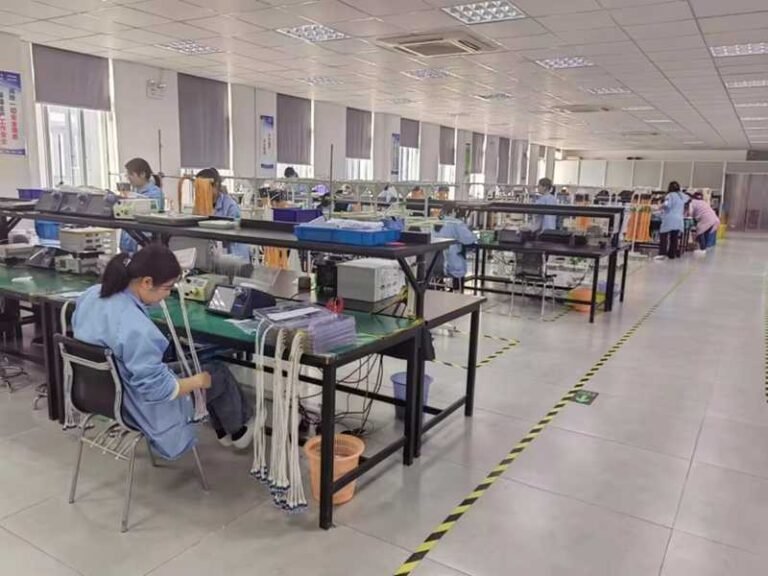
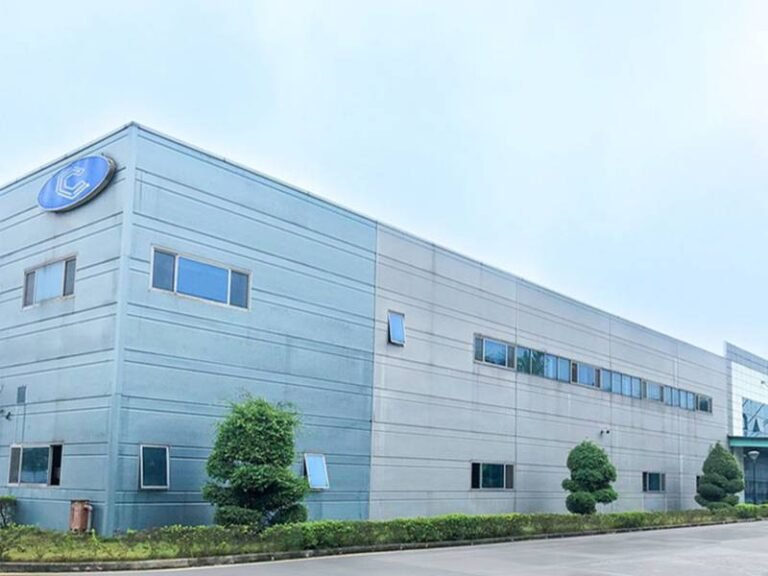
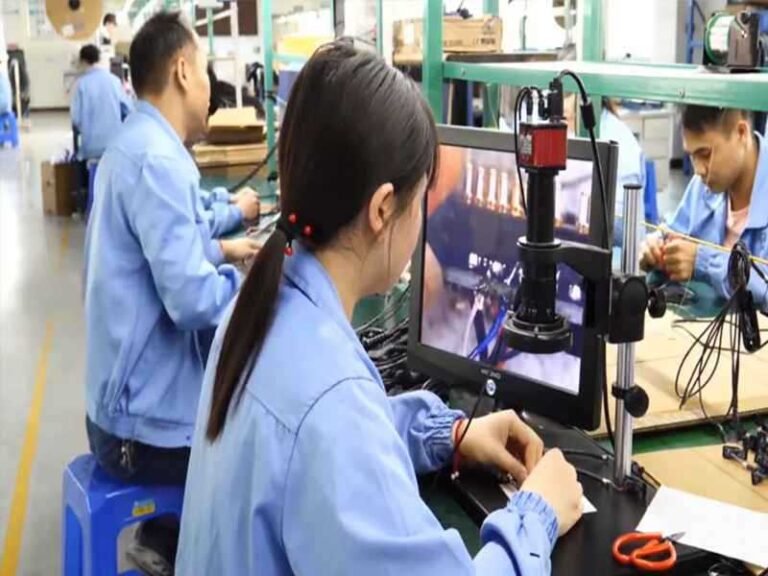
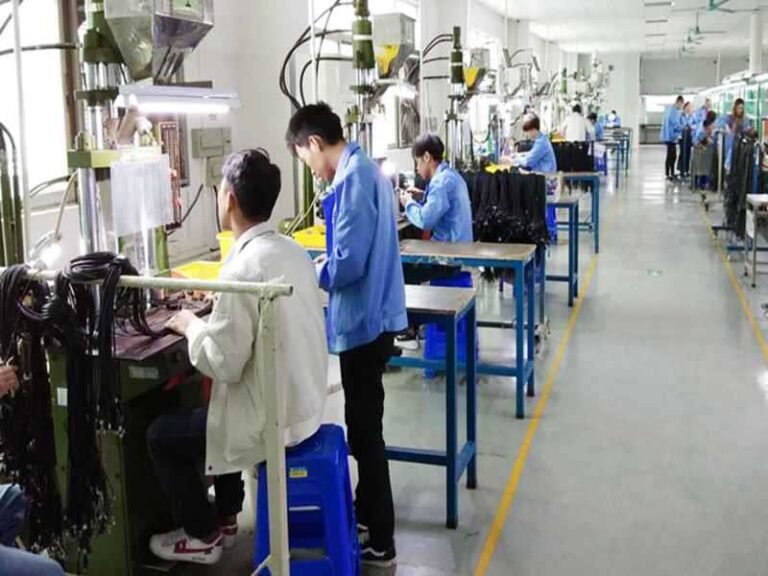
Humanoid robot projects frequently move through rapid hardware iterations where mechanical structures, AI systems, sensors, cameras, embedded electronics, and motion modules continue evolving before production architecture becomes stable. Cable assemblies for these systems often require more than standard manufacturing capability because routing space, connector structures, signal density, and movement geometry frequently change during development cycles. SINO-CONN supports humanoid robotics projects through engineering collaboration, miniature manufacturing capability, supply chain integration, and prototype-to-production workflow designed around fast-moving development programs.
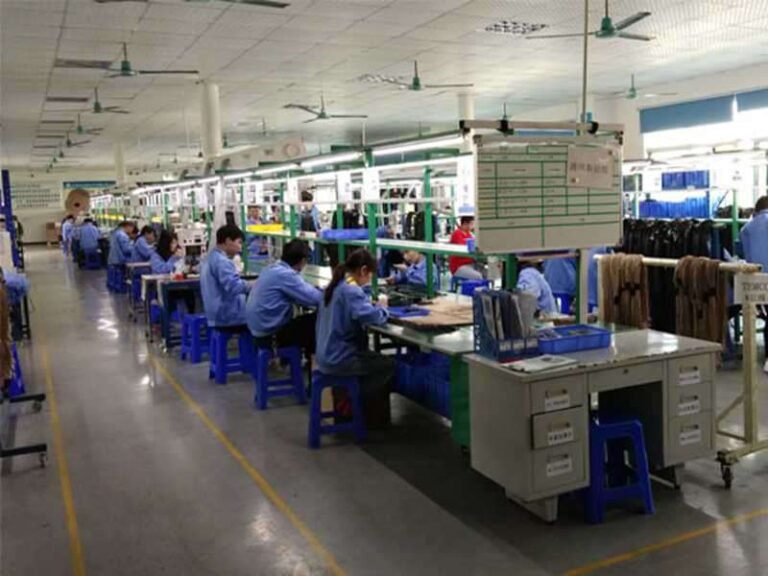
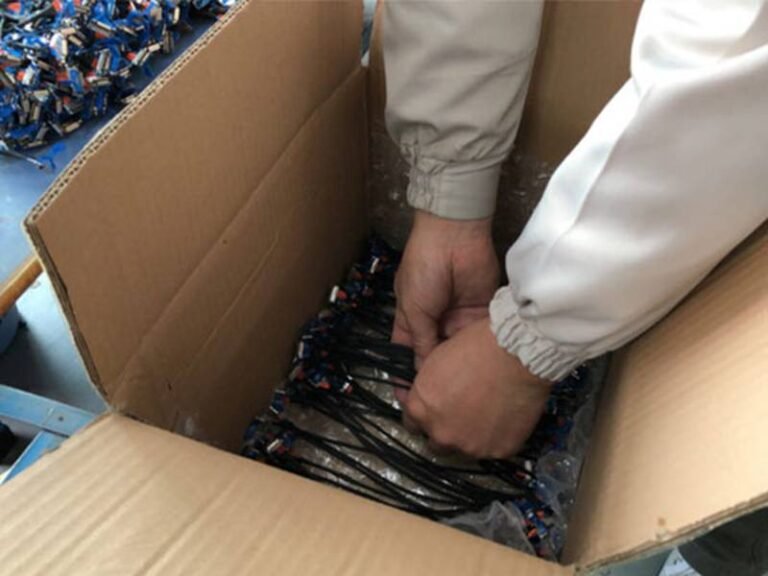
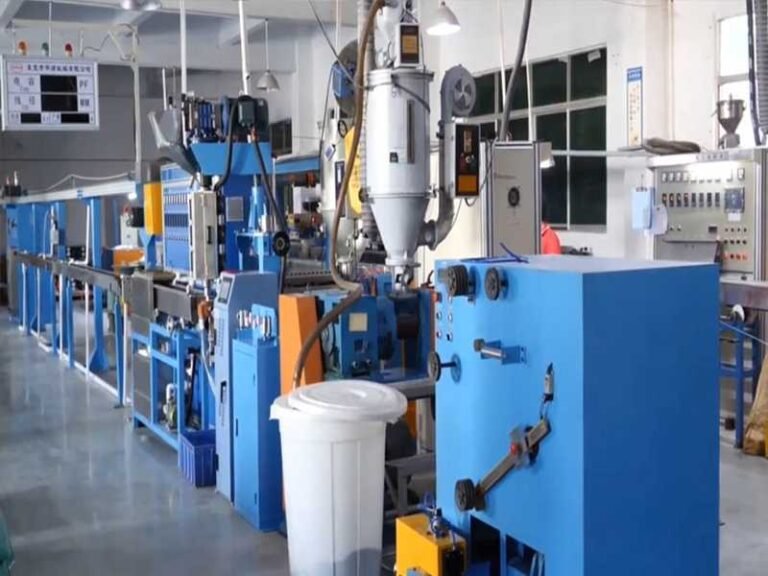
Engineering Collaboration For Evolving Humanoid Architectures
Humanoid robot projects rarely begin with complete manufacturing packages. Development teams frequently provide CAD structures, connector references, installation photos, mechanical layouts, hand sketches, or prototype assemblies before architecture becomes finalized. During development, shoulder routing, wrist structures, signal definitions, and internal cable pathways often change several times before validation is completed. SINO-CONN supports engineering discussions beginning from early project information and can provide drawing preparation from CAD to PDF, with engineering response and drawing support available in as fast as 30 minutes for urgent projects.
Miniature Cable Capability For Compact Internal Spaces
Humanoid robots integrate cameras, AI processors, embedded controllers, servo systems, communication modules, and distributed sensors within highly compact internal environments. Cable architecture frequently competes with motors, movement mechanisms, and structural components for available space. SINO-CONN supports miniature manufacturing capability including 50AWG miniature coax processing and OD 0.01mm fine wire structures for projects requiring highly compact routing solutions. Cable assemblies can support lengths from 30 mm to over 10 meters and electrical architectures ranging from 20 to more than 512 signal paths according to project requirements.
Integrated Connector And Supply Chain Ecosystem
Humanoid robots frequently combine multiple connector ecosystems within one machine. Head systems, hand structures, vision platforms, embedded electronics, and distributed sensors often require different connector formats across one robot architecture. SINO-CONN works with long-term supply partners across cable manufacturers, connector suppliers, overmold facilities, shielding material factories, and component ecosystems supporting JST, HRS, I-PEX, LEMO, Molex, TE, Samtec, JAE, Amphenol, waterproof interfaces, and specialized miniature systems. This integrated sourcing structure supports faster material coordination during development stages.
One Workflow From Prototype Samples To OEM Production
Humanoid robotics projects frequently begin with engineering samples before moving into pilot manufacturing and recurring production programs. Early development may involve one-piece prototypes and rapid validation activities, while later stages require stable manufacturing workflow and recurring delivery support. SINO-CONN supports prototype quantities from one piece with no MOQ requirement and maintains coordinated workflow across sample workshops, engineering teams, production lines, and inspection systems. Standard samples commonly require around two weeks, while urgent projects may support accelerated schedules according to structure complexity and material availability.
Humanoid Robot Wiring Challenges
Humanoid robots create a much more demanding wiring environment than conventional industrial robots because electrical systems are distributed throughout highly dynamic body structures rather than fixed mechanical platforms. Internal cable assemblies often pass through shoulders, elbows, wrists, fingers, torso systems, hip structures, and embedded computing environments where space remains extremely limited. As robot capability increases, more sensors, cameras, AI processors, communication systems, and motion modules continue being added into already compact spaces. During early project discussions, SINO-CONN frequently finds that cable architecture becomes one of the hidden constraints affecting movement performance, installation workflow, and long-term reliability.

Shoulder Joint Structures Frequently Become High-Density Routing Areas
Humanoid shoulder systems often integrate servo motors, movement mechanisms, communication interfaces, torque systems, and embedded sensors within one compact structure. Unlike traditional robotic joints, shoulder movement commonly combines multiple motion directions simultaneously, creating highly dynamic routing environments. Internal cable pathways frequently compete with mechanical structures for available installation space, making routing geometry increasingly important. During development projects, SINO-CONN often supports shoulder architecture reviews where branch positions, cable exits, and connector locations require multiple adjustments before stable installation conditions are achieved.
Arm, Elbow, And Wrist Systems Continuously Operate Under Dynamic Motion
Humanoid arms perform frequent movement cycles involving bending, twisting, rotation, and directional changes during operation. Internal cable assemblies often travel through narrow movement channels where electrical structures remain exposed to changing geometry throughout repeated activities. Unlike static cable environments, robotic arm systems require architecture planning that considers installation pathways together with movement behavior. During prototype stages, SINO-CONN frequently sees routing structures revised after physical movement testing reveals unexpected space limitations or installation interference.
Hand And Finger Structures Continue Driving Miniaturization Requirements
Modern humanoid hands increasingly contain tactile sensors, precision movement systems, embedded electronics, and communication devices within extremely compact environments. Internal routing spaces frequently measure only a few millimeters while signal requirements continue expanding. Standard cable dimensions often become difficult to integrate into these structures. SINO-CONN supports miniature manufacturing capability including 50AWG micro coax and OD 0.01mm fine wire processing for projects involving compact robotic mechanisms where installation space becomes a major engineering challenge.
Mixed Electrical Systems Create Increasing Wiring Complexity
Humanoid robots often combine machine vision platforms, AI processors, servo systems, distributed sensors, communication modules, embedded controllers, and power systems within one architecture. As system functionality increases, signal pathways frequently become more concentrated throughout shared routing environments. Projects involving 20–512+ signal paths frequently require more organized cable architecture because electrical systems continue expanding across different body zones. During development activities, electrical organization often becomes equally important as mechanical design.
Rapid Hardware Changes Frequently Continue Throughout Development
Humanoid robotics programs commonly evolve much faster than traditional manufacturing projects. Connector structures, CAD layouts, signal definitions, routing pathways, and body architecture often change throughout engineering activities as testing results become available. Early prototypes frequently reveal installation conditions that cannot be identified through CAD systems alone. SINO-CONN regularly supports projects beginning from installation photos, mechanical concepts, sketches, or early-stage structures where engineering refinement continues throughout development cycles.
Future Maintenance Strategy Is Often Considered Too Late
Early humanoid development frequently focuses on movement capability, compact architecture, and functional performance, while maintenance accessibility receives less attention. Once torso structures, arm assemblies, and embedded systems become integrated, replacing internal cable assemblies or accessing connectors may require significant disassembly effort. Connector orientation, branch organization, and installation sequence frequently affect future service workflow. SINO-CONN often discusses accessibility and replacement strategy during engineering stages because wiring architecture influences not only assembly efficiency but also long-term product lifecycle performance.
Why Humanoid Robotics Companies Choose SINO-CONN
Humanoid robot development often moves faster than conventional industrial cable projects. Internal architecture evolves continuously, installation spaces remain limited, and prototype schedules frequently operate under compressed timelines. Cable suppliers supporting humanoid systems are often expected to provide engineering participation, miniature manufacturing capability, rapid responsiveness, and stable production support rather than only assembly services. SINO-CONN supports projects from early-stage validation through recurring OEM production with workflow designed around evolving robotic systems.

Engineering Collaboration Designed Around Fast Iteration
Humanoid robot projects rarely begin with complete documentation packages. Development teams frequently provide connector references, CAD screenshots, installation photos, prototype structures, or early mechanical layouts before electrical architecture becomes stable. During development cycles, branch positions, routing structures, and signal definitions often change repeatedly. SINO-CONN supports engineering communication from early-stage concepts and can provide CAD-to-PDF drawing support with response times as fast as 30 minutes for urgent projects, helping reduce delays during validation activities.
Miniature Manufacturing Capability For Compact Internal Structures
Humanoid robots increasingly integrate AI modules, cameras, communication systems, embedded electronics, and motion platforms into highly compact body structures. Internal routing space often competes directly with motors, movement mechanisms, and mechanical assemblies. SINO-CONN supports miniature cable capability including 50AWG micro coax and OD 0.01mm fine wire processing for projects involving compact robotic environments. Cable structures can support applications ranging from finger assemblies to full-body routing architectures with 20–512+ signal paths.
Flexible Supply Chain Supports Complex Connector Architectures
Humanoid robots often integrate different connector ecosystems throughout head structures, arm systems, torso assemblies, vision modules, and sensor platforms. Material requirements may continue changing during development while cost targets and lead-time requirements evolve simultaneously. SINO-CONN maintains long-term cooperation with cable manufacturers, connector suppliers, shielding material factories, and overmold partners supporting JST, HRS, I-PEX, Molex, TE, Samtec, LEMO, JAE, and Amphenol ecosystems for flexible project coordination.
One Workflow From Prototype To OEM Production
Most humanoid robot programs begin with engineering quantities before moving into pilot builds and recurring manufacturing schedules. Early stages frequently require one-piece prototypes, rapid validation, and ongoing design modifications, while later stages require manufacturing stability and recurring delivery capability. SINO-CONN supports no MOQ requirements beginning from one piece and maintains coordinated workflow across engineering teams, sample workshops, production lines, and inspection systems supporting long-term project continuity.
Humanoid Robot Cable Assembly Types
Humanoid robots integrate significantly more electrical systems than traditional automation equipment. Cameras, AI processors, communication platforms, embedded sensors, servo systems, batteries, and movement modules frequently operate simultaneously throughout compact body structures. Different installation environments often require different cable assembly architectures because routing space, movement behavior, and signal density vary by body location. SINO-CONN supports custom humanoid cable assemblies ranging from miniature internal structures to complex multi-branch systems supporting 20–512+ signal pathways and cable lengths from 30 mm to 10 meters+.
| Cable Assembly Type | Main Purpose | Typical Installation Area |
|---|---|---|
| Multi-Branch Harness | Signal distribution | Torso |
| Dynamic Motion Cable | Joint movement | Shoulder & arm |
| Miniature Cable Assembly | Compact routing | Head & fingers |
| Coaxial Assembly | High-speed transmission | Cameras |
| Mixed Signal Harness | Signal + power integration | Central systems |
| Shielded Cable Assembly | EMI control | AI platforms |

Multi-Branch Harness Systems Support Distributed Architectures
Humanoid robots frequently distribute electrical systems across the head, shoulders, torso, arms, and lower-body structures. Multi-branch cable systems help organize signal pathways while reducing installation complexity inside compact environments.
Key Characteristics
- Multiple routing branches
- Centralized electrical organization
- Distributed body architecture
- Flexible cable layouts
- Compact routing support
Typical Applications
- Torso wiring systems
- Distributed electronics
- Embedded controller platforms
- Multi-zone robot structures

Dynamic Motion Cable Assemblies Support Moving Structures
Joint systems continuously perform movement activities including rotation, bending, and multi-axis motion. Dynamic cable structures frequently support changing movement pathways while maintaining routing consistency.
Key Characteristics
- Multi-axis movement routing
- Joint cable organization
- Compact arm structures
- Shielded signal integration
- Flexible branch layouts
Typical Applications
- Industrial robotic arms
- Collaborative robots
- Automated assembly systems
- Dynamic shoulder systems

Miniature Cable Assemblies Support Compact Internal Environments
Finger systems, head modules, AI platforms, and embedded electronics frequently operate inside highly compact installation environments. Miniature cable assemblies improve routing flexibility while supporting high-density system integration.
Key Characteristics
- Ultra-compact structures
- High-density signal routing
- Small connector ecosystems
- Precision architecture support
- Space optimization capability
Typical Applications
- Robotic fingers
- AI head modules
- Embedded electronics
- Sensor systems

Coaxial Cable Assemblies Support High-Speed Signal Systems
Machine vision systems, cameras, communication modules, and embedded processors increasingly require compact high-speed transmission structures. SINO-CONN supports miniature coax processing capability down to 50AWG for demanding robotic applications.
Key Characteristics
- Compact signal structures
- Miniature coax architecture
- Shielded transmission capability
- High-density integration
- Flexible routing capability
Typical Applications
- Vision systems
- Camera platforms
- AI processing modules
- Embedded communication systems

Mixed Signal Harnesses Support Integrated Electrical Platforms
Humanoid robots frequently combine signal systems, power pathways, communication structures, and sensor systems within one architecture. Mixed cable assemblies help simplify internal organization.
Key Characteristics
- Signal and power integration
- Multi-system architecture
- Organized routing pathways
- Reduced installation complexity
- Flexible system design
Typical Applications
- Central control systems
- Embedded platforms
- AI processing environments
- Distributed body electronics

Shielded Cable Assemblies Support Complex Electronic Environments
As electronic density increases inside humanoid robots, signal organization and electromagnetic management become increasingly important. Shielded cable structures frequently support stable electrical environments.
Key Characteristics
- Shielded signal architecture
- Compact EMI management
- Dense electronic support
- Integrated cable protection
- High-density environments
Typical Applications
- AI modules
- Communication systems
- Sensor platforms
- Embedded computing environments
Humanoid Internal Wiring Architecture
Humanoid robots contain significantly more complex electrical structures than traditional automation equipment because wiring systems coexist with movement mechanisms, embedded electronics, AI platforms, cameras, sensors, and compact mechanical assemblies. Internal cable architecture functions like a nervous system connecting every body region while supporting movement, maintenance, and future upgrades. Early routing strategy frequently influences assembly efficiency, prototype stability, and long-term serviceability. SINO-CONN commonly supports projects beginning from CAD structures, installation photos, and prototype concepts where internal architecture continues evolving throughout development.

| Body Zone | Main Electrical Systems | Architecture Focus |
|---|---|---|
| Head | Vision & AI | Compact signal integration |
| Neck | Motion transition | Rotational routing |
| Shoulder | Motion distribution | Multi-axis cable pathways |
| Torso | Core electronics | Multi-branch architecture |
| Hip | Upper-lower connection | Flexible routing |
| Hand | Precision systems | Miniature wiring |
Head System Architecture
Head structures frequently integrate machine vision systems, cameras, microphones, embedded AI processors, communication modules, and facial interaction electronics within highly compact environments. Available routing space often becomes limited because cameras, processors, and thermal structures compete for installation volume simultaneously. Cable systems inside head structures frequently require compact routing geometry and miniature connectors supporting dense electronic integration.
Typical Characteristics
- High-density electronic integration
- Compact routing environments
- Embedded vision platforms
- Camera signal architecture
- Miniature connector ecosystems
Common Systems
- Machine vision systems
- AI processing modules
- Embedded cameras
- Communication electronics
Neck Transition Architecture
Neck systems frequently operate as transition zones connecting upper body structures with head electronics while supporting continuous movement. Unlike fixed routing environments, neck pathways often combine rotation and directional movement simultaneously. Cable pathways passing through neck structures frequently require careful organization because movement and signal density coexist in limited spaces.
Typical Characteristics
- Rotational movement structures
- Transition routing pathways
- Multi-direction movement
- Compact routing channels
- Dynamic installation environments
Common Systems
- Camera pathways
- Communication systems
- Head-to-body electrical routing
- Sensor integration structures
Shoulder Distribution Architecture
Shoulders often become major electrical distribution zones because multiple systems branch from torso structures toward arms and movement platforms. Internal cable assemblies frequently travel through rotating environments while sharing space with servo systems and mechanical structures. SINO-CONN commonly supports shoulder routing reviews where cable exits and branch positions continue evolving throughout validation activities.
Typical Characteristics
- Multi-axis routing environments
- High-density branch systems
- Motion pathway coexistence
- Distributed electrical architecture
- Compact installation conditions
Common Systems
- Arm systems
- Servo platforms
- Distributed control modules
- Motion electronics
Torso Core Architecture
The torso frequently becomes the central electrical platform within humanoid robots because AI modules, battery systems, controllers, communication electronics, and distributed processing hardware often concentrate inside this structure. Routing architecture frequently becomes more complex as additional functionality is introduced. Multi-branch harnesses often support organized electrical distribution across upper and lower body structures.
Typical Characteristics
- Multi-branch harness architecture
- Distributed power organization
- Embedded control integration
- Central routing structures
- Mixed signal systems
Common Systems
- AI processors
- Battery systems
- Communication platforms
- Main control modules
Hip And Lower Body Architecture
Hip structures frequently connect upper-body electronics with lower-body movement systems. Routing pathways often pass through dynamic environments supporting walking mechanisms and movement platforms. Mechanical movement and limited installation space frequently influence cable architecture in these systems.
Typical Characteristics
- Dynamic lower-body movement
- Flexible routing structures
- Upper-lower body transitions
- Movement pathway integration
- Distributed branch organization
Common Systems
- Walking systems
- Motion platforms
- Embedded sensors
- Lower-body controllers
Hand And Precision Wiring Architecture
Hands frequently represent the smallest and most demanding installation environment inside humanoid robots. Tactile sensors, precision motors, miniature electronics, and communication systems increasingly require compact routing capability. SINO-CONN supports miniature processing capability including 50AWG micro coax and OD 0.01mm fine wire structures supporting robotic systems where routing space may measure only a few millimeters.
Typical Characteristics
- Ultra-compact routing geometry
- High-density signal integration
- Miniature connector structures
- Precision movement systems
- Embedded sensor architecture
Common Systems
- Finger sensors
- Tactile electronics
- Precision actuators
- Compact movement modules
Dynamic Motion Cable Strategy
Unlike fixed automation systems, humanoid robots continuously perform walking, lifting, grasping, turning, bending, and multi-axis movements throughout operation. Internal cable assemblies frequently operate inside moving joints where routing geometry changes repeatedly during motion cycles. Cable strategy therefore becomes more than wire selection alone. Joint pathways, movement behavior, installation structure, branch organization, and future service accessibility often directly influence long-term performance. During engineering discussions, SINO-CONN frequently supports routing reviews where cable architecture evolves together with robotic movement structures and prototype validation activities.

| Motion Area | Primary Movement Type | Cable Strategy Focus |
|---|---|---|
| Shoulder | Multi-axis rotation | Flexible routing paths |
| Elbow | Repeated bending | Controlled movement geometry |
| Wrist | Rotation + direction changes | Compact cable organization |
| Waist | Twisting movement | Dynamic pathway planning |
| Fingers | Precision motion | Miniature cable systems |
| Hip & Leg | Walking movement | Stable routing transitions |
Multi-Axis Shoulder Motion Requires Flexible Routing Structures
Humanoid shoulder systems frequently support forward movement, side rotation, lifting, and combined motion activities simultaneously. Internal cable assemblies often pass around servo systems, movement modules, and compact structures where routing space becomes limited. Poor routing geometry may create interference during movement activities or complicate future maintenance access. SINO-CONN commonly reviews shoulder cable exits, branch locations, and pathway organization during prototype stages where internal movement architecture remains under development.
Dynamic Characteristics
- Multi-direction movement environments
- Internal servo coexistence
- High-density installation spaces
- Branch distribution requirements
- Continuous geometry changes
Typical Systems
- Shoulder movement systems
- Arm distribution wiring
- Upper body electrical transitions
Elbow Structures Frequently Experience Repetitive Bending Cycles
Elbow areas repeatedly perform opening and closing movements throughout operation. Internal wiring pathways continuously change position as robotic arms move through different operating conditions. Compact installation channels and movement mechanisms often limit routing options while requiring stable cable organization. During validation stages, SINO-CONN frequently supports engineering adjustments after physical movement testing identifies unexpected routing limitations.
Dynamic Characteristics
- Continuous bending environments
- Narrow movement channels
- Frequent directional changes
- Compact installation pathways
- Internal movement structures
Typical Systems
- Arm movement platforms
- Robotic elbow systems
- Dynamic routing environments
Wrist Systems Combine Rotation With Directional Movement
Wrist assemblies often create more complex routing conditions because multiple movement directions may operate simultaneously. Internal cable systems frequently travel through compact rotational structures supporting precision movement. Space limitations often become more visible as embedded sensors and communication systems continue increasing inside smaller environments.
Dynamic Characteristics
- Rotational movement pathways
- Precision routing structures
- Compact installation geometry
- Embedded electronic coexistence
- High-density movement systems
Typical Systems
- Wrist movement systems
- Precision motion platforms
- Communication structures
Waist Movement Frequently Creates Dynamic Transition Zones
Humanoid waist systems often support body rotation while simultaneously connecting upper-body electronics and lower-body movement platforms. Routing structures frequently travel through narrow transition areas where movement conditions and electrical systems coexist. Internal architecture frequently becomes more complicated as AI modules, batteries, and distributed electronics continue expanding inside torso structures.
Dynamic Characteristics
- Twisting movement structures
- Multi-zone routing pathways
- Upper-lower body transitions
- Mixed electrical systems
- Compact installation environments
Typical Systems
- Torso wiring systems
- Battery pathways
- Communication platforms
Finger Motion Systems Push Miniature Routing Requirements
Finger systems increasingly integrate tactile sensors, compact motors, and embedded electronics inside extremely small spaces. Cable structures operating within these environments often require miniature routing capability because standard architectures become difficult to install. SINO-CONN supports miniature manufacturing capability including 50AWG micro coax and OD 0.01mm fine wire processing for projects requiring ultra-compact structures.
Dynamic Characteristics
- Ultra-small movement structures
- Precision routing environments
- Compact connector systems
- Dense signal integration
- Embedded sensor pathways
Typical Systems
- Finger electronics
- Tactile sensors
- Miniature movement modules
Service Loops And Transition Areas Influence Long-Term Stability
Dynamic movement systems frequently contain transition areas where cable assemblies exit moving structures and enter fixed sections. Branch exits, connector transitions, and routing turns often become important architecture areas during development reviews. Movement strategy frequently considers installation accessibility and future maintenance workflow together with cable routing organization.
Dynamic Characteristics
- Transition pathway management
- Connector access planning
- Branch organization strategy
- Service accessibility considerations
- Long-term routing flexibility
Typical Systems
- Joint transitions
- Modular structures
- Service routing pathways
Miniature Cable Technologies
Humanoid robots continue integrating more functionality into smaller internal spaces. Cameras, embedded AI processors, communication systems, tactile sensors, compact actuators, and distributed electronics increasingly coexist within highly constrained body structures. As installation environments become smaller, cable architecture often becomes one of the primary engineering limitations affecting routing flexibility and internal organization. Miniature cable technologies therefore play a critical role throughout humanoid robot development. SINO-CONN supports projects involving ultra-fine wire processing, miniature coax integration, compact connector ecosystems, and high-density signal architectures designed for evolving robotic systems.

| Technology | Capability | Typical Applications |
|---|---|---|
| Miniature Coax | Down to 50AWG | Cameras & AI modules |
| Fine Enamel Wire | OD 0.01mm | Fingers & precision systems |
| Micro Connectors | Compact integration | Head & embedded systems |
| High Signal Density | 20–512+ paths | Multi-system architectures |
| Miniature Branch Design | Compact routing | Torso & arm structures |
| Mixed Cable Integration | Signal + power | Distributed body systems |
50AWG Miniature Coax Supports High-Density Electronic Structures
Machine vision systems, compact cameras, embedded processors, and communication modules frequently require smaller cable structures as internal installation space continues shrinking. Standard cable dimensions may create routing limitations in robotic head systems and compact body structures. SINO-CONN supports miniature coax processing down to 50AWG for projects requiring highly integrated signal transmission within limited installation environments.
Technology Features
- Ultra-small cable dimensions
- Compact signal routing capability
- Reduced internal space occupation
- Flexible integration environments
- High-density architecture support
Common Applications
- Head systems
- Vision modules
- AI processing platforms
- Embedded electronics
High-Density Signal Architecture Supports Complex Body Systems
Modern humanoid robots increasingly operate through multiple electronic systems simultaneously. Cameras, distributed sensors, communication electronics, control platforms, AI processors, and power systems frequently coexist across compact body structures. Signal architecture often becomes more concentrated as robotic functionality increases. SINO-CONN supports custom assemblies ranging from 20 to 512+ signal paths according to project requirements.
Technology Features
- Multi-system integration capability
- Complex routing architectures
- Distributed signal organization
- Mixed electrical environments
- Compact branch structures
Common Applications
- Torso platforms
- AI systems
- Robotic controllers
- Distributed architectures
Miniature Branch Structures Support Internal Routing Efficiency
Internal body architecture frequently requires electrical pathways branching toward head systems, shoulders, hands, sensors, and movement platforms simultaneously. Compact branch design often improves routing organization while supporting installation efficiency inside limited spaces. During development activities, SINO-CONN commonly reviews branch geometry according to CAD layouts and body structure requirements.
Technology Features
- Compact routing structures
- Distributed pathway organization
- Reduced installation complexity
- Flexible branch architecture
- Internal routing optimization
Common Applications
- Torso systems
- Shoulder structures
- Distributed electronics
Mixed Cable Integration Supports Multi-System Environments
Humanoid robots rarely rely on a single cable type. One system may combine miniature coax, signal wire, shielded structures, communication cables, power conductors, and embedded interfaces simultaneously. Integrating multiple cable structures into organized assemblies frequently simplifies installation workflow and improves internal routing consistency. SINO-CONN supports integrated cable assemblies combining different conductor technologies according to project requirements.
Technology Features
- Multiple cable structures in one assembly
- Integrated routing capability
- Flexible architecture design
- Mixed electrical systems support
- Simplified installation workflow
Common Applications
- Complete humanoid systems
- Torso architecture
- Multi-zone electrical platforms
Humanoid Connector Ecosystem
Humanoid robots rarely rely on a single connector platform because different body regions often require different electrical architectures, installation methods, and mechanical constraints. Head systems may prioritize miniature high-density interfaces, while torso structures require multi-signal distribution and arm systems often operate within dynamic movement environments. Connector selection therefore frequently affects installation efficiency, routing flexibility, maintenance accessibility, and future scalability. During humanoid development projects, SINO-CONN regularly supports connector integration discussions where mechanical limitations, electrical requirements, and supply considerations evolve simultaneously throughout engineering activities.

| Connector Type | Typical Application | Common Installation Area |
|---|---|---|
| I-PEX | High-density miniature systems | Cameras & head modules |
| HRS | Compact board connections | AI & embedded systems |
| JST | General signal systems | Distributed sensors |
| LEMO | Precision interfaces | High-end robotic modules |
| Samtec | High-speed systems | Embedded computing |
| Waterproof Connectors | External environments | Service robotics |
Miniature Connector Systems Support Compact Head Architecture
Head structures inside humanoid robots frequently integrate cameras, AI processors, microphones, communication electronics, and embedded vision systems within highly restricted spaces. Connector dimensions often directly influence internal routing organization because available installation areas remain extremely limited. Miniature systems such as I-PEX and compact board interfaces frequently support higher integration density while reducing occupied space. During development activities, SINO-CONN commonly supports projects where head structures continue evolving and connector dimensions require multiple revisions before final architecture stabilizes.
Embedded Computing Platforms Frequently Require High-Density Interfaces
Humanoid robots increasingly depend on AI modules, processors, communication boards, and embedded control systems operating throughout compact internal environments. High-density interfaces often become important because increasing functionality continuously reduces available routing space. Connector architecture inside these systems frequently requires balancing signal organization with installation accessibility. SINO-CONN supports projects involving HRS, Samtec, JAE, and specialized connector ecosystems supporting embedded robotic electronics and evolving computing platforms.
Multi-Connector Architectures Frequently Exist Within One Robot
Unlike traditional automation systems where one connector ecosystem may dominate, humanoid robots often integrate several connector families simultaneously. Head systems, torso platforms, arm structures, battery systems, sensors, and communication modules may all require different connector strategies. Mixed architectures frequently become increasingly common as robotic functionality expands. SINO-CONN works with connector ecosystems including JST, HRS, I-PEX, LEMO, TE, Molex, Samtec, JAE, Amphenol, and waterproof interfaces supporting projects requiring complex material integration.
Connector Accessibility Influences Future Service Workflow
Connector placement often affects more than electrical functionality. Some internal structures become difficult to access after mechanical assembly is completed, especially within shoulder systems, torso structures, and compact movement environments. Connector orientation, insertion pathways, and installation sequence frequently influence future service efficiency. During engineering reviews, SINO-CONN frequently discusses connector positioning together with routing pathways because maintenance accessibility often becomes important after products enter field operation.
Original And Compatible Connector Strategies Support Different Programs
Development projects and recurring OEM programs frequently operate under different sourcing requirements. Some customers prioritize original connector systems for long-term platform consistency, while others require compatible alternatives supporting shorter lead times or greater sourcing flexibility. SINO-CONN regularly supports both original and equivalent connector strategies according to project requirements, development schedules, and material availability.
Supply Chain Stability Supports Fast Development Cycles
Humanoid robot development often progresses rapidly while architecture changes continue throughout engineering stages. Connector availability may influence prototype schedules and production planning. SINO-CONN maintains long-term cooperation with connector manufacturers, cable suppliers, overmold facilities, and component ecosystems helping support material coordination across evolving robotic projects. Stable sourcing capability frequently becomes increasingly important as development activities transition from engineering samples toward pilot manufacturing and recurring production.
Humanoid Connector Ecosystem
Humanoid robots rarely rely on a single connector platform because different body regions often require different electrical architectures, installation methods, and mechanical constraints. Head systems may prioritize miniature high-density interfaces, while torso structures require multi-signal distribution and arm systems often operate within dynamic movement environments. Connector selection therefore frequently affects installation efficiency, routing flexibility, maintenance accessibility, and future scalability. During humanoid development projects, SINO-CONN regularly supports connector integration discussions where mechanical limitations, electrical requirements, and supply considerations evolve simultaneously throughout engineering activities.

| Connector Type | Typical Application | Common Installation Area |
|---|---|---|
| I-PEX | High-density miniature systems | Cameras & head modules |
| HRS | Compact board connections | AI & embedded systems |
| JST | General signal systems | Distributed sensors |
| LEMO | Precision interfaces | High-end robotic modules |
| Samtec | High-speed systems | Embedded computing |
| Waterproof Connectors | External environments | Service robotics |
Miniature Connector Systems Support Compact Head Architecture
Head structures inside humanoid robots frequently integrate cameras, AI processors, microphones, communication electronics, and embedded vision systems within highly restricted spaces. Connector dimensions often directly influence internal routing organization because available installation areas remain extremely limited. Miniature systems such as I-PEX and compact board interfaces frequently support higher integration density while reducing occupied space. During development activities, SINO-CONN commonly supports projects where head structures continue evolving and connector dimensions require multiple revisions before final architecture stabilizes.
Embedded Computing Platforms Frequently Require High-Density Interfaces
Humanoid robots increasingly depend on AI modules, processors, communication boards, and embedded control systems operating throughout compact internal environments. High-density interfaces often become important because increasing functionality continuously reduces available routing space. Connector architecture inside these systems frequently requires balancing signal organization with installation accessibility. SINO-CONN supports projects involving HRS, Samtec, JAE, and specialized connector ecosystems supporting embedded robotic electronics and evolving computing platforms.
Multi-Connector Architectures Frequently Exist Within One Robot
Unlike traditional automation systems where one connector ecosystem may dominate, humanoid robots often integrate several connector families simultaneously. Head systems, torso platforms, arm structures, battery systems, sensors, and communication modules may all require different connector strategies. Mixed architectures frequently become increasingly common as robotic functionality expands. SINO-CONN works with connector ecosystems including JST, HRS, I-PEX, LEMO, TE, Molex, Samtec, JAE, Amphenol, and waterproof interfaces supporting projects requiring complex material integration.
Connector Accessibility Influences Future Service Workflow
Connector placement often affects more than electrical functionality. Some internal structures become difficult to access after mechanical assembly is completed, especially within shoulder systems, torso structures, and compact movement environments. Connector orientation, insertion pathways, and installation sequence frequently influence future service efficiency. During engineering reviews, SINO-CONN frequently discusses connector positioning together with routing pathways because maintenance accessibility often becomes important after products enter field operation.
Original And Compatible Connector Strategies Support Different Programs
Development projects and recurring OEM programs frequently operate under different sourcing requirements. Some customers prioritize original connector systems for long-term platform consistency, while others require compatible alternatives supporting shorter lead times or greater sourcing flexibility. SINO-CONN regularly supports both original and equivalent connector strategies according to project requirements, development schedules, and material availability.
Supply Chain Stability Supports Fast Development Cycles
Humanoid robot development often progresses rapidly while architecture changes continue throughout engineering stages. Connector availability may influence prototype schedules and production planning. SINO-CONN maintains long-term cooperation with connector manufacturers, cable suppliers, overmold facilities, and component ecosystems helping support material coordination across evolving robotic projects. Stable sourcing capability frequently becomes increasingly important as development activities transition from engineering samples toward pilot manufacturing and recurring production.
Humanoid Robot Cable Assembly Manufacturing Process
Humanoid robot cable assemblies often require significantly more engineering coordination than conventional cable products because routing environments continue changing throughout development activities. Internal wiring systems frequently operate inside compact body structures containing AI platforms, cameras, movement systems, embedded electronics, sensors, and multi-axis mechanisms. Manufacturing workflow therefore extends beyond cable assembly and often includes engineering review, routing analysis, miniature processing capability, and repeated validation activities. SINO-CONN supports coordinated workflow from prototype concepts through recurring OEM production with dedicated engineering teams, sample workshops, assembly lines, and integrated manufacturing resources.

Requirement Evaluation Begins Before Manufacturing Activities
Humanoid projects frequently begin before complete production documentation becomes available. Engineering teams often provide installation photos, CAD screenshots, connector references, sketches, or prototype structures rather than finalized manufacturing files. Early project discussions commonly evaluate installation conditions, movement environments, routing pathways, connector structures, and signal architecture before production planning begins. SINO-CONN frequently supports technical reviews during early development stages because identifying installation limitations before production may reduce later redesign activities.
CAD And Drawing Workflow Supports Production Consistency
Electrical architecture inside humanoid systems frequently changes throughout development activities. Connector positions, branch structures, signal definitions, and routing geometry may require multiple revisions before validation completes. Organized documentation therefore becomes increasingly important before manufacturing activities begin. SINO-CONN supports CAD-to-PDF workflow and drawing confirmation processes, with urgent projects sometimes receiving engineering response and drawing preparation within as fast as 30 minutes depending on project conditions.
Material Coordination Supports Complex Humanoid Architectures
Humanoid robot systems frequently integrate miniature conductors, shielding materials, overmold structures, connector ecosystems, communication cables, signal wires, and customized electrical components within one assembly. Material preparation often becomes more complicated as architecture complexity increases. SINO-CONN maintains long-term cooperation with cable manufacturers, connector suppliers, shielding factories, and overmold partners supporting JST, I-PEX, HRS, Molex, TE, Samtec, LEMO, JAE, Amphenol, and customized connector environments.
Wire Processing Requires Precision And Flexibility
Cable preparation frequently includes cutting, stripping, conductor processing, terminal preparation, and miniature structure handling according to project requirements. Humanoid robots often require cable systems operating within highly compact environments where routing geometry becomes important. SINO-CONN supports processing capability from miniature structures through larger multi-branch systems with cable lengths from 30 mm to more than 10 meters and electrical architectures supporting 20–512+ signal pathways.
Harness Assembly Supports Multi-Branch Robotic Structures
Humanoid systems frequently distribute electrical architecture throughout head systems, shoulders, torso platforms, arm structures, and lower-body movement systems. Harness assembly often requires branch organization according to actual installation conditions and body structures. Multi-zone routing systems commonly become more complex as AI modules, communication systems, cameras, and embedded electronics continue expanding throughout robotic architecture.
Miniature Manufacturing Capability Supports Compact Internal Environments
Hand structures, finger systems, camera platforms, and embedded electronics increasingly require ultra-compact cable systems supporting highly integrated environments. SINO-CONN supports miniature manufacturing capability including 50AWG miniature coax processing and OD 0.01mm fine wire structures supporting robotic applications where installation space becomes increasingly restricted. Compact cable architecture frequently improves routing flexibility within dense robotic environments.
Inspection And Validation Continue Throughout Production Workflow
Humanoid cable assemblies frequently support multiple systems simultaneously including sensors, movement modules, communication electronics, and AI platforms. Inspection activities often occur throughout production rather than only after manufacturing completion. SINO-CONN supports process inspection, completed assembly inspection, and shipment review workflow helping maintain production consistency throughout engineering samples and recurring manufacturing activities.
Packaging And Delivery Support Prototype Through OEM Programs
Different development stages frequently require different delivery approaches. Engineering samples often prioritize speed while recurring OEM production frequently requires coordinated packaging and shipment workflow. SINO-CONN supports prototype quantities beginning from one piece and recurring production activities with standard sample schedules commonly around two weeks and accelerated timelines possible according to project requirements and material conditions.
Quality Control & Functional Testing
Humanoid robot cable assemblies frequently operate inside shoulder joints, wrist systems, torso structures, AI modules, embedded electronics, finger mechanisms, and continuously moving environments where installation space remains extremely limited. Small inconsistencies involving connector positions, signal definitions, branch geometry, or cable structures may affect assembly workflow, communication systems, and movement performance. Quality verification therefore frequently extends throughout manufacturing activities rather than being performed only after assembly completion. SINO-CONN supports structured quality workflow combining material inspection, process verification, and functional validation activities across prototype samples and recurring production programs.
| Quality Stage | Main Verification Scope |
|---|---|
| Incoming Inspection | Wire, connectors, terminals |
| Process Inspection | Cutting, stripping, assembly |
| Electrical Testing | Continuity & pin verification |
| Structure Inspection | Branches & routing geometry |
| Final Inspection | Appearance verification |
| Pre-Shipment Inspection | Packaging & documentation |


Incoming Material And Process Inspection Support Manufacturing Stability
Humanoid projects frequently combine miniature coax structures, compact connectors, shielding systems, fine conductors, terminals, sleeves, and customized materials within one assembly. Small dimensional differences may create installation challenges inside compact robotic environments. SINO-CONN performs inspection activities beginning before production starts, reviewing cable materials, connector systems, terminals, and project-specific structures according to manufacturing requirements. During production activities, additional verification commonly follows cutting, stripping, crimping, soldering, and assembly procedures helping maintain consistency across complex robotic cable structures and evolving project requirements.
Functional Testing Supports Complex Humanoid Electrical Architectures
Humanoid robots frequently integrate AI processors, distributed sensors, machine vision platforms, embedded communication systems, motion modules, and power systems operating simultaneously throughout one architecture. Cable assemblies supporting these systems often require organized verification activities before shipment. SINO-CONN supports continuity verification, open-short testing, connector definition review, pin assignment validation, and project-specific electrical inspection according to approved drawings and engineering requirements. Projects involving complex systems with 20–512+ signal paths frequently benefit from structured electrical testing workflow before entering prototype validation or recurring production stages.
Three-Stage Inspection Workflow Supports Prototype Through OEM Production
Engineering samples and recurring manufacturing frequently operate under different quality requirements, but repeatability remains important throughout every stage. SINO-CONN supports a three-stage inspection workflow involving process inspection, completed product inspection, and shipment inspection activities helping maintain manufacturing consistency across one-piece engineering samples, pilot quantities, and recurring OEM programs. Combined with 100% inspection strategy and dedicated quality workflow, this structure supports projects where routing precision, miniature architecture, and long-term manufacturing stability remain important throughout development and production activities.
Certifications & Compliance
Humanoid robot cable assemblies increasingly move beyond laboratory development into pilot production, commercial deployment, service robotics, intelligent manufacturing, and large-scale robotic platforms. Supplier qualification therefore frequently involves more than cable manufacturing capability alone. Engineering teams and procurement departments often evaluate quality systems, environmental compliance, process standards, documentation support, and manufacturing consistency before supplier approval activities begin. SINO-CONN supports internationally recognized certification systems and compliance workflow helping support engineering projects from prototype validation through recurring OEM production.
| Certification | Application Scope |
|---|---|
| ISO 9001 | Quality management systems |
| ISO 14001 | Environmental management |
| ISO 13485 | Medical manufacturing systems |
| ISO 10993 | Material evaluation support |
| IPC-620 | Cable workmanship standards |
| UL | Material and component support |
| RoHS | Restricted substances compliance |
| REACH | Material declaration compliance |
| PFAS | Environmental requirement support |
| COC / COO | Export documentation |
Certified Manufacturing Systems Support Stable Production Workflow
As humanoid robot projects evolve from engineering samples into recurring production, process consistency frequently becomes increasingly important. Prototype projects may tolerate structural adjustments, while larger production programs often require standardized manufacturing workflow and controlled quality procedures. SINO-CONN supports manufacturing activities under quality systems including ISO 9001, ISO 14001, ISO 13485, and IPC-620 process standards helping maintain structured workflow across engineering review, production activities, inspection systems, and recurring manufacturing support.
Documentation Support Simplifies Supplier Qualification Activities
Engineering teams and procurement departments frequently request certificates, material declarations, process documents, inspection records, and technical files during supplier onboarding procedures. Large robotics companies and OEM projects commonly require structured documentation before supplier approval can proceed. SINO-CONN supports documentation preparation including RoHS, REACH, PFAS declarations, COC, COO, inspection reports, and project-related certification materials helping support customer qualification processes and internal compliance requirements.
Global Compliance Supports International Robotics Programs
Humanoid robotics development increasingly involves companies across North America, Europe, Japan, South Korea, and emerging technology markets where qualification requirements may vary according to application environments and destination regions. Environmental regulations and documentation expectations continue evolving alongside product requirements. SINO-CONN supports compliance workflow for international projects requiring environmental declarations, material verification, and export documentation helping support development programs from engineering prototypes through recurring global supply activities.





Global Logistics & Delivery Support
Humanoid robot projects frequently operate under compressed development schedules involving engineering milestones, investor demonstrations, prototype validation activities, hardware revisions, and pilot manufacturing plans. Delivery timing therefore often affects more than transportation alone. A delayed cable assembly may interrupt mechanical testing, software integration, or complete system validation activities. Development teams frequently require suppliers capable of supporting changing schedules, urgent sample requests, and recurring production planning simultaneously. SINO-CONN supports international delivery workflow designed around prototype flexibility and long-term production continuity.

Fast Prototype Delivery Supports Aggressive Development Schedules
Humanoid robotics programs frequently move faster than traditional manufacturing projects because hardware structures continue evolving during development stages. Engineering teams often require rapid samples for movement validation, connector verification, and installation testing activities. Standard sample schedules commonly require around two weeks depending on project complexity and material conditions, while urgent projects may support accelerated workflow with sample delivery possible within several days. SINO-CONN supports one-piece prototype quantities with no MOQ requirements, helping development teams validate cable architecture early before larger manufacturing activities begin.
Global Shipping Capability Supports International Robotics Programs
Humanoid robotics development increasingly involves teams across North America, Europe, Japan, South Korea, and emerging technology regions where project collaboration frequently spans multiple countries. Different stages of development often require different transportation methods depending on quantity, urgency, and project planning. SINO-CONN supports international shipment coordination through DHL, UPS, FedEx, air freight, sea freight, and customer-designated logistics systems according to actual project requirements. Export support including commercial documentation and shipment coordination helps simplify global delivery workflow.
Organized Packaging Workflow Supports Stable Delivery Quality
Humanoid robot cable assemblies frequently contain miniature connectors, multi-branch routing structures, compact architectures, and customized components requiring careful packaging preparation. Prototype projects and recurring OEM programs often require different labeling structures and shipment organization methods according to project conditions. SINO-CONN supports packaging workflow including product identification, quantity management, documentation verification, COC/COO preparation, and shipment inspection procedures helping maintain delivery consistency throughout prototype samples, pilot production, and recurring supply programs.
Prototype To Production Transition
Humanoid robot cable development rarely moves directly from concept into stable production. Internal structures, movement systems, AI modules, vision platforms, embedded electronics, and routing environments frequently continue evolving throughout engineering stages. Early projects often begin with incomplete information, while later phases require manufacturing stability, repeatability, and recurring supply capability. Transitioning from prototype quantities toward pilot builds and recurring production therefore requires more than increased output capacity. SINO-CONN supports coordinated workflow across engineering review, sample development, validation activities, manufacturing preparation, and recurring OEM production.

Early Development Frequently Begins Before Complete Documentation Exists
Humanoid robot projects commonly start with installation photos, mechanical concepts, connector references, CAD screenshots, or prototype structures instead of finalized production packages. Internal body architecture may still be under development while electrical pathways continue changing simultaneously. During these stages, routing feasibility often becomes more important than manufacturing volume. SINO-CONN frequently supports projects beginning from limited information where engineering discussions help transform early concepts into manufacturable cable structures.
Prototype Samples Frequently Reveal Hidden Installation Conditions
CAD systems and digital models frequently identify structure dimensions but physical prototypes often reveal unexpected installation challenges. Movement pathways, shoulder structures, compact routing channels, and connector accessibility sometimes behave differently after assembly activities begin. Cable exits and branch geometry may require adjustment after validation activities identify space conflicts or installation restrictions. SINO-CONN regularly supports engineering revisions during sample activities helping optimize architecture before pilot manufacturing begins.
Engineering Revisions Continue Throughout Validation Activities
Unlike mature industrial products, humanoid robot systems frequently evolve throughout prototype and testing stages. Signal definitions, branch structures, connector systems, and internal routing layouts often change as movement platforms and embedded electronics continue developing. Multiple revision cycles frequently become part of standard workflow rather than exceptions. SINO-CONN commonly supports ongoing engineering communication and drawing updates helping projects remain aligned throughout evolving development schedules.
Pilot Builds Help Verify Manufacturing Readiness
Before recurring production begins, many humanoid robotics companies move through pilot quantities supporting process validation and installation review. Pilot activities frequently evaluate assembly workflow, routing consistency, material coordination, and manufacturing repeatability before larger production schedules begin. Small batch quantities often provide important information regarding future manufacturing efficiency and product stability.
Production Standardization Supports Long-Term Stability
As projects transition toward recurring manufacturing, stable production workflow becomes increasingly important. Documentation, branch dimensions, signal definitions, labeling systems, and inspection procedures frequently require standardization helping maintain manufacturing consistency. SINO-CONN supports CAD confirmation, process documentation, and coordinated production workflow helping reduce variation across recurring projects.
One Workflow Supports Prototype Through OEM Manufacturing
Humanoid robotics companies frequently prefer reducing supplier transitions during development activities because engineering continuity often improves project efficiency. SINO-CONN supports one-piece samples, pilot builds, and recurring OEM production under one coordinated workflow combining engineering teams, sample workshops, manufacturing lines, and inspection systems. Standard sample schedules commonly require approximately two weeks while urgent projects may support accelerated timelines according to structure complexity and material availability.
Humanoid Application Scenarios
Humanoid robots are rapidly expanding beyond laboratory demonstrations into practical commercial environments where mobility, interaction capability, autonomous decision-making, and human-like movement become increasingly valuable. Different application scenarios frequently create very different electrical requirements because movement complexity, sensor density, AI capability, communication architecture, and operating environments vary substantially. Cable systems supporting these platforms often require customized routing strategies based on actual installation structures and usage conditions. SINO-CONN supports custom humanoid cable assemblies across multiple robotic sectors with capabilities ranging from miniature signal systems to complex multi-branch architectures supporting evolving product platforms.

Industrial Humanoid Robots For Manufacturing Environments
Industrial humanoid robots increasingly support repetitive assembly work, machine tending, inspection activities, warehouse assistance, and intelligent manufacturing tasks. These systems frequently integrate multiple servo platforms, AI processors, machine vision modules, and distributed control systems throughout highly active movement environments. Internal cable assemblies often operate across shoulders, arms, wrists, and waist structures while supporting repeated motion activities. SINO-CONN commonly supports projects requiring multi-branch harness systems and complex signal architectures supporting industrial robotic environments where durability and routing organization become important factors.

Logistics And Warehouse Humanoid Platforms
Warehouse and logistics robots increasingly perform transportation, inventory movement, object handling, and navigation activities across large environments. These systems frequently combine battery platforms, communication systems, positioning modules, sensors, and embedded computing architectures throughout body structures. Routing pathways often connect upper-body electronics with lower-body movement platforms where cable organization directly influences installation efficiency. SINO-CONN supports cable assemblies involving mixed signal systems and distributed architectures supporting evolving logistics platforms.

Service Humanoid Robots For Public Interaction
Service humanoid robots increasingly operate in hotels, retail environments, airports, restaurants, hospitals, and customer-facing spaces requiring interaction capability together with movement functionality. Internal electrical systems frequently combine facial recognition modules, display systems, microphones, communication platforms, and embedded electronics within compact body environments. These systems often require organized internal routing because multiple functions coexist inside limited spaces. SINO-CONN frequently supports projects involving miniature cable assemblies and compact connector ecosystems supporting dense service robot architectures.

Medical Humanoid Robotics And Healthcare Systems
Medical humanoid systems frequently integrate precision movement structures, embedded electronics, sensors, communication systems, and compact internal architectures supporting healthcare environments. Compared with conventional robotic systems, medical environments frequently create additional requirements regarding precision, consistency, and system organization. SINO-CONN supports projects under manufacturing systems including ISO 13485 workflow while providing customized cable solutions supporting compact robotic environments and evolving medical applications.

Research And Development Humanoid Platforms
Research institutions, laboratories, universities, and early-stage robotics companies frequently prioritize flexibility because hardware architecture and software systems often continue evolving throughout development cycles. Internal cable pathways, connector systems, and routing structures frequently change during testing activities. SINO-CONN regularly supports one-piece prototype projects and engineering discussions beginning from installation photos, CAD screenshots, sketches, and evolving concepts where architecture refinement continues throughout development.

Security And Inspection Humanoid Robots
Security and inspection robots increasingly integrate cameras, environmental sensors, communication systems, AI platforms, and remote monitoring capability supporting industrial facilities, public infrastructure, and autonomous inspection activities. Electrical systems frequently distribute across multiple body zones while operating within dynamic environments. Internal wiring architecture often becomes increasingly complex as functionality expands. SINO-CONN supports cable assemblies involving distributed sensor systems, machine vision structures, and compact routing environments supporting next-generation inspection platforms.
Customer Case Studies
Humanoid robot development projects frequently move through multiple hardware revisions before reaching stable production stages. Internal routing structures, connector systems, compact installation spaces, and dynamic movement environments often continue changing throughout validation cycles. Many robotics companies initially contact SINO-CONN after encountering routing conflicts, prototype delays, limited miniature capability, or suppliers unable to support rapid engineering updates. The following project examples demonstrate how SINO-CONN supported humanoid robot development programs through engineering collaboration, miniature cable capability, and prototype-to-production workflow.

United States — Upper-Body Humanoid Motion Cable Project
Application Scenario:
A mature humanoid robotics company developing upper-body movement systems required custom cable assemblies supporting shoulder joints, robotic arms, embedded controllers, distributed sensors, and communication modules operating across dynamic motion environments.
Pain Points:
- Shoulder routing occupied excessive installation space
- Mechanical movement interference appeared during testing
- Connector access became difficult after assembly
- Existing suppliers lacked routing optimization support
SINO-CONN Solution:
- Reviewed CAD structures and installation photos
- Redesigned branch geometry and cable exit locations
- Introduced compact routing architecture
- Supported engineering revisions during validation
Project Data:
- 14+ engineering revisions completed
- 60+ prototype assemblies delivered
- Approximately 30% routing space reduction
- Prototype samples completed within 8 days
- More than 180 signal paths integrated
Result:
- Improved shoulder movement performance
- Reduced assembly adjustment activities
- Successfully entered pilot validation stage
Germany — AI Vision & Humanoid Head System Project
Application Scenario:
A robotics company developing AI vision systems required miniature cable assemblies supporting cameras, embedded processors, communication systems, microphones, and head-mounted electronics integrated into compact robotic structures.
Pain Points:
- Extremely limited head installation space
- Camera systems required organized signal routing
- Standard cable dimensions occupied excessive volume
- Hardware revisions frequently changed architecture
SINO-CONN Solution:
- Introduced 50AWG miniature coax structures
- Optimized compact connector systems
- Added shielded signal architecture
- Supported repeated engineering updates
Project Data:
- 5 engineering revision cycles completed
- Approximately 35% internal space optimization
- Prototype lead time shortened to 7 days
- Annual production planning exceeded 10,000 assemblies
- Miniature coax integrated into camera systems
Result:
- Improved camera integration efficiency
- Reduced internal routing pressure
- Entered recurring production planning stage
Japan — Service Humanoid Robot Platform Program
Application Scenario:
A service humanoid robot developer required custom cable assemblies supporting torso electronics, embedded sensors, communication modules, arm systems, and distributed controllers used in customer interaction environments.
Pain Points:
- Connector structures changed frequently
- Internal routing pathways continuously evolved
- Sample modifications delayed hardware schedules
- Existing suppliers struggled supporting rapid revisions
SINO-CONN Solution:
- Supported online engineering discussions
- Provided CAD-to-PDF drawing updates
- Coordinated connector sourcing activities
- Optimized multi-branch cable architecture
Project Data:
- 18+ engineering updates supported
- More than 500 pilot assemblies produced
- 7 connector ecosystems integrated
- Urgent sample delivery completed within 6 days
- Transitioned toward pilot manufacturing
Result:
- Reduced engineering delays
- Stabilized cable architecture workflow
- Improved transition toward production
Frequently Asked Questions
Humanoid robot cable projects frequently begin before final architecture becomes stable. Internal routing structures, miniature components, connector ecosystems, movement systems, and signal requirements often continue evolving throughout development stages. Engineering teams, sourcing departments, robotics startups, and OEM manufacturers frequently ask similar technical and manufacturing questions during supplier evaluation and project discussions. The following topics summarize common questions SINO-CONN receives during humanoid robot cable development programs.
1. Can projects start without complete drawings?
Humanoid robot projects frequently begin before complete documentation becomes available. Development teams often provide CAD screenshots, installation photos, sketches, connector references, or early prototype structures rather than finalized manufacturing packages. SINO-CONN regularly supports engineering discussions beginning from incomplete project information where routing pathways and architecture continue evolving during development.
2. Can customized cable structures be supported?
Cable architecture inside humanoid robots frequently varies according to movement systems, routing environments, body structures, and electronic platforms. SINO-CONN supports customization involving cable length, branch structure, connector combinations, pin definitions, signal pathways, shielding structures, overmolding, and routing configurations according to project requirements.
3. Can original and compatible connector solutions both be supported?
Different robotics projects frequently prioritize different sourcing strategies. Some development programs require original connectors while others prioritize flexibility and lead time. SINO-CONN supports connector ecosystems including JST, HRS, I-PEX, LEMO, Molex, TE, Samtec, JAE, and Amphenol while supporting both original and compatible alternatives according to project requirements.
4. Can projects begin from prototype quantities?
Humanoid robot projects frequently begin with engineering validation and small sample quantities before pilot manufacturing starts. SINO-CONN supports one-piece prototype quantities without MOQ requirements, helping engineering teams validate routing structures and electrical architecture before larger production schedules begin.
5. How quickly can drawings and quotations be prepared?
Project schedules frequently require fast engineering communication during validation activities. Depending on project complexity and available information, SINO-CONN can support engineering review, CAD-to-PDF preparation, and quotation response in as fast as approximately 30 minutes for urgent projects.
6. What is the typical sample and production lead time?
Standard sample projects commonly require approximately two weeks depending on structure complexity and material availability. Recurring production programs frequently require around three to four weeks, while urgent projects may support accelerated schedules according to actual project conditions.
7. Can engineering revisions continue after samples begin?
Humanoid robot architecture frequently changes during development activities. Connector structures, branch positions, routing pathways, and signal definitions often continue evolving after prototype activities begin. SINO-CONN regularly supports engineering updates and revision activities throughout development workflow.
8. Can confidential robotics projects operate under NDA agreements?
Many humanoid development programs involve proprietary structures, AI platforms, movement systems, and confidential hardware architecture. SINO-CONN supports NDA agreements before detailed engineering discussions begin and regularly participates in projects requiring confidentiality protection.
9. What quality workflow supports recurring production?
Humanoid cable assemblies often support movement systems, communication electronics, embedded platforms, and high-density signal architecture simultaneously. SINO-CONN supports structured workflow involving process inspection, completed product inspection, and shipment inspection with 100% inspection strategy throughout production activities.
10. Can projects be delivered globally?
Humanoid robot development frequently involves teams across North America, Europe, Japan, South Korea, and emerging technology regions. SINO-CONN supports international delivery coordination including DHL, UPS, FedEx, air freight, sea freight, and export documentation supporting prototype and recurring production programs.

Start Your Custom Humanoid Robot Cable Project
From Prototype Concepts To Production-Ready Cable Systems
Humanoid robot projects often begin with CAD screenshots, installation photos, connector references, or early hardware concepts rather than complete drawings. SINO-CONN supports custom cable assemblies for dynamic motion systems, miniature structures, and complex robotic architectures from prototype development through recurring production.
Information To Share
- CAD files, drawings, or photos
- Connector model numbers
- Cable length requirements
- Pinout or signal information
- Sample quantity requirements
- Target lead time
- NDA request if needed
SINO-CONN advantages
- MOQ starts from 1 piece
- 50AWG miniature cable capability
- 20–512+ signal architectures
- Fast engineering response
- Sample support as fast as 2–3 days
- Prototype to OEM production support