Skip to content
Custom Drone ESC Cable Assembly Manufacturer
Lightweight ESC Signal, Power & Motor Cable Assemblies for UAV Systems
SINO-CONN manufactures custom drone ESC cable assemblies for FPV drones, industrial UAVs, agricultural drones, mapping platforms, and OEM drone systems. Based in Shenzhen since 2007, SINO-CONN supports ESC signal harnesses, FC-to-ESC cables, motor phase wires, lightweight routing, shielded structures, fast prototype builds, and recurring production for UAV manufacturers.
- Custom drone ESC cable assemblies
- FC-to-ESC harness manufacturing
- ESC signal and motor wire support
- Lightweight silicone wire routing
- Shielded ESC cable structures
- Prototype support from 1 piece
About SINO-CONN
A Shenzhen Manufacturer Focused on Custom Drone ESC Cable Assemblies
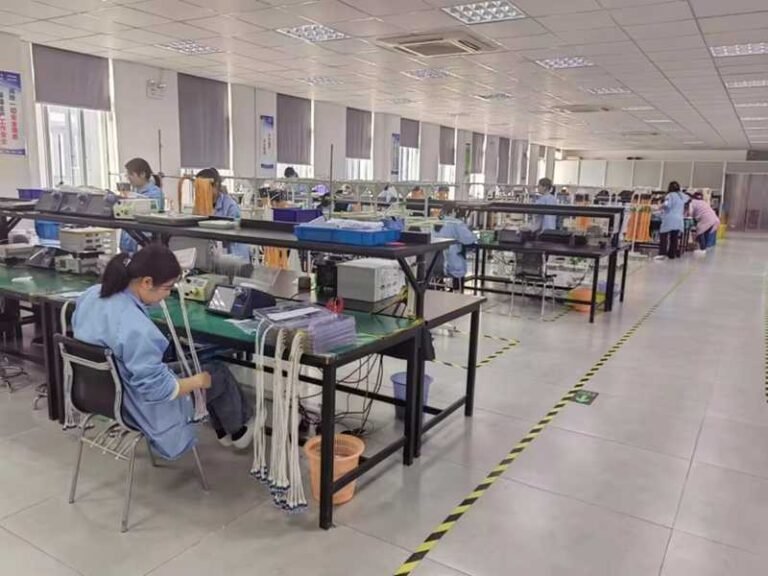
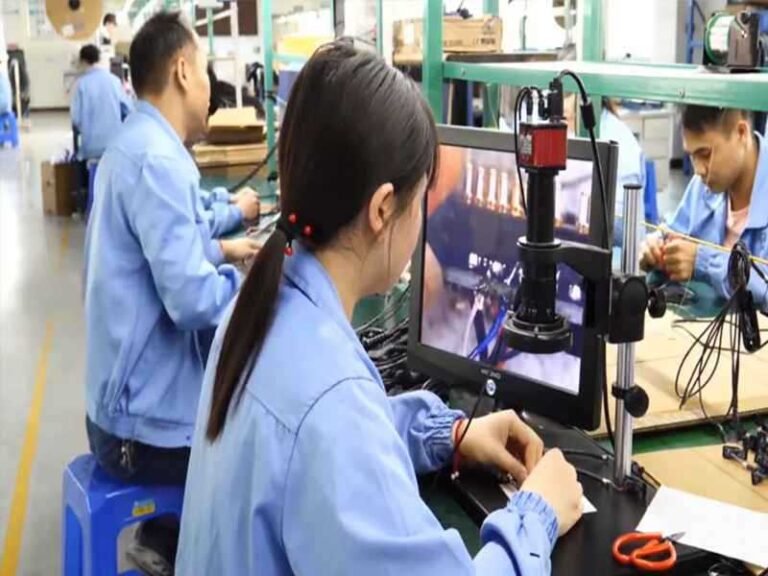
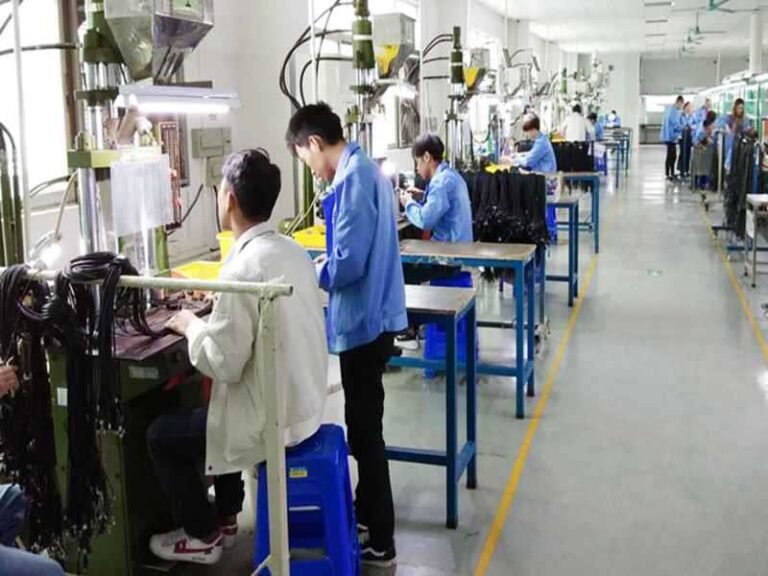
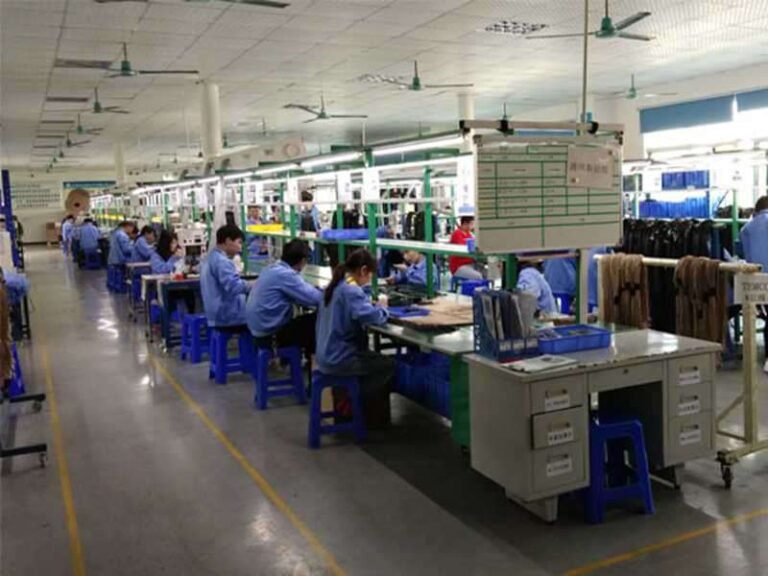
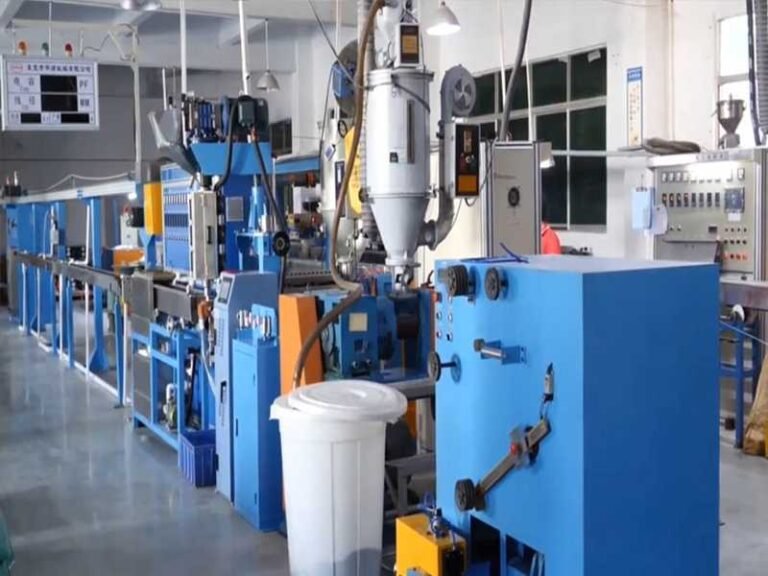
SINO-CONN is a Shenzhen-based custom wire harness and cable assembly manufacturer established in 2007. For custom drone ESC cable assembly projects, SINO-CONN supports engineering review, connector sourcing, sample production, cable assembly manufacturing, drawing confirmation, and OEM production for UAV systems requiring compact routing, stable ESC signal transmission, lightweight wiring, and reliable assembly consistency.

Engineering Support for Drone ESC Wiring Projects
Many drone ESC cable assembly projects begin before the full UAV wiring layout is finalized. Engineering teams may provide ESC connector models, flight controller pin definitions, motor wire length requirements, routing sketches, or existing harness samples. During prototype testing, ESC position, motor placement, FC layout, and internal wiring paths may still change.
SINO-CONN supports custom drone ESC cable assembly review involving pinout confirmation, connector matching, wire type selection, signal cable structure, motor phase cable routing, shielding requirements, and manufacturability before production begins.
Shenzhen Supply Chain for ESC Cable Components
Custom drone ESC cable assemblies often require flexible sourcing for silicone wire, signal wire, micro connectors, terminals, heat shrink, shielding materials, insulation materials, and compact UAV wiring components. Located in Shenzhen, SINO-CONN works closely with wire manufacturers, connector suppliers, terminal factories, overmolding partners, and shielding material suppliers.
This supply chain helps support both fast prototype coordination and recurring OEM production for ESC cable projects involving JST, Molex, Hirose, JAE, KEL, I-PEX, Samtec, TE, Amphenol, and other connector ecosystems used in drone electronics.
Prototype and OEM Manufacturing Capability
Some custom drone ESC cable assembly projects only require several engineering samples for flight testing, while others move into recurring production for FPV drones, industrial inspection UAVs, agricultural drones, or mapping platforms. SINO-CONN supports prototype builds from 1 piece, urgent sample coordination, small-batch production, and OEM scheduling.
Cable assemblies can be customized from 30 mm to 10 meters+ depending on ESC location, motor position, flight controller layout, arm length, and internal routing structure.
Practical Experience With ESC Cable Integration
Drone ESC cable assemblies must balance signal stability, vibration resistance, cable flexibility, connector reliability, and lightweight structure inside compact UAV frames. In some FPV projects, softer silicone wire improved routing around the flight controller. In some industrial UAV systems, shielded signal routing helped reduce interference near ESC power lines.
SINO-CONN supports practical manufacturing coordination for custom drone ESC cable assemblies based on real UAV installation behavior, not only theoretical wiring diagrams.
Common Problems in Custom Drone ESC Cable Assemblies
Custom drone ESC cable assemblies work inside compact UAV platforms where ESC modules, flight controllers, motor phase wires, antennas, signal cables, and power lines are installed close together. Many ESC wiring problems do not appear during simple bench testing, but become visible during motor acceleration, vibration, flight load, payload operation, or repeated prototype revisions.

ESC Signal Interference Near Power and Motor Lines
Drone ESC signal cables are often routed close to high-current battery wires, motor phase cables, ESC boards, RF modules, and antennas. In some UAV projects, the aircraft worked normally during static testing but later showed unstable throttle response, signal noise, or inconsistent motor behavior during aggressive acceleration.
The problem is often not the ESC itself, but signal wire routing, insufficient shielding, poor grounding, or crowded cable layout. SINO-CONN supports custom drone ESC cable assemblies with shielded structures, separated routing design, and connector layout review for UAV systems requiring stable signal transmission.
Limited Routing Space Around ESC and Flight Controller
Modern FPV drones and industrial UAVs continue becoming more compact while adding more onboard electronics. ESC cables may need to pass through narrow frames, around flight controllers, near payload brackets, or along motor arms. A cable that looks acceptable in a drawing may become difficult to install during real assembly.
SINO-CONN supports lightweight ESC cable structures, flexible silicone wire routing, compact connector exits, custom wire length, and routing-oriented harness layouts to help reduce installation pressure inside UAV frames.
Vibration Fatigue Near Solder Joints and Connectors
Drone ESC cable assemblies face constant vibration from motors and propellers. Over time, weak solder joints, stiff wire transitions, or poorly supported connector exits may create fatigue near ESC boards, motor leads, or flight controller connectors.
In some projects, the failure point was not the conductor itself, but the transition area between wire and connector. SINO-CONN supports reinforced transition structures, flexible routing geometry, heat shrink protection, and strain relief design for drone ESC cable assemblies exposed to repeated vibration.
Lightweight Design Versus Signal Reliability
FPV and compact UAV projects often push for lighter ESC wiring, but reducing wire size or removing shielding too aggressively may create reliability problems. Lightweight design still needs to consider signal quality, routing stability, solder strength, connector fit, and flex behavior during operation.
SINO-CONN helps customers balance lightweight wiring with practical UAV reliability by reviewing wire type, cable OD, connector structure, routing path, shielding requirements, and assembly method according to the real ESC system layout.
Frequent Prototype Revisions During ESC Integration
ESC wiring is often revised many times during UAV development. Flight controller pinout may change, ESC board position may move, motor wire length may be adjusted, and connector direction may need redesign after actual assembly testing.
SINO-CONN supports fast prototype revision for custom drone ESC cable assemblies, including connector replacement, wire length adjustment, pinout update, shielding changes, routing modification, and sample rebuild support during active UAV development stages.
Why UAV Manufacturers Choose SINO-CONN for Custom Drone ESC Cable Assemblies
Custom drone ESC cable assembly projects require suppliers who understand UAV wiring behavior, not only cable assembly production. ESC cables must support compact routing, stable signal transmission, vibration resistance, lightweight structure, connector compatibility, and repeated engineering revisions. SINO-CONN supports UAV engineering teams, FPV brands, industrial drone manufacturers, and OEM factories from prototype validation to recurring production.

Fast Engineering Response for ESC Cable Development
Many drone ESC cable projects move quickly during R&D. Engineers may need to adjust ESC signal wires, motor phase cable lengths, connector orientation, or FC-to-ESC pin definitions after testing. Delayed supplier feedback can slow down the full UAV development schedule.
SINO-CONN supports engineering communication through drawings, samples, connector models, pin definitions, product photos, and video meetings. For simpler ESC harness projects, drawing review and quotation feedback may be provided quickly after key technical details are confirmed.
Flexible Customization for Non-Standard ESC Harnesses
Drone ESC cable assemblies are rarely one-size-fits-all. FPV platforms may need ultra-flexible short harnesses, while industrial UAVs may require shielded ESC signal cables, reinforced motor leads, longer routing through larger airframes, or customized branch structures.
SINO-CONN supports custom ESC signal cables, FC-to-ESC harnesses, motor phase wire assemblies, shielded ESC cables, lightweight silicone wire harnesses, branch structures, and customized connector combinations based on actual UAV layout and operating conditions.
Prototype Support Without MOQ Pressure
Many UAV ESC cable projects start with small sample quantities before moving into production. Engineering teams may need only 1–20 pieces for flight testing, wiring validation, connector confirmation, or EMI adjustment.
SINO-CONN supports prototype builds from 1 piece, small-batch engineering samples, urgent sample coordination, and pilot production for customers who need flexible development support before committing to larger OEM production quantities.
Connector and Wire Sourcing Flexibility
ESC cable assemblies may require different connector ecosystems depending on flight controller design, ESC board layout, motor system, UAV size, and available installation space. Some projects require original connectors, while others need faster compatible alternatives during prototype stages.
SINO-CONN coordinates sourcing for JST, Molex, Hirose, JAE, KEL, I-PEX, Samtec, TE, silicone wires, signal wires, shielding materials, terminals, heat shrink, and related UAV wiring components through Shenzhen’s electronics supply chain.
Manufacturing Support for Recurring UAV Production
Once ESC cable design is approved, recurring production requires stable assembly structure, consistent connector orientation, repeatable soldering, accurate cable length control, and stable routing geometry. Small differences in ESC wiring may create installation delays during final UAV assembly.
SINO-CONN supports custom drone ESC cable assemblies with drawing confirmation, production preparation, process control, and recurring manufacturing coordination for FPV drone brands, industrial UAV manufacturers, and OEM drone factories.
Custom Drone ESC Cable Assemblies for Different UAV Systems
Drone ESC cable assemblies vary significantly depending on UAV structure, motor layout, flight controller design, payload system, and operating environment. FPV drones prioritize lightweight routing and compact installation, while industrial UAV platforms often require reinforced wiring structures, stable signal transmission, and recurring OEM production consistency. SINO-CONN supports different ESC cable assembly structures for drone manufacturers, UAV engineering teams, and flight control integration projects.

ESC Signal Cable Assembly
ESC signal cable assemblies are commonly used between the flight controller and ESC system where stable signal transmission and flexible routing are important inside compact UAV frames. In many FPV and racing drone projects, cable stiffness and routing pressure can affect installation around the FC stack and ESC board.
SINO-CONN supports ESC signal cable assemblies involving lightweight silicone wire, micro connector integration, flexible routing structures, compact pin definitions, and customized cable lengths for FPV drones, industrial UAVs, and prototype drone platforms.

Flight Controller to ESC Harness
Flight controller to ESC harnesses often involve multiple signal paths inside limited routing space where connector positioning and wire organization directly affect assembly efficiency during UAV integration. Some industrial UAV systems require organized routing between the FC stack, ESC module, telemetry systems, and onboard payload electronics.
SINO-CONN supports FC-to-ESC harness manufacturing involving JST GH, SH, DF13, Hirose, Molex, and customized micro connector systems for compact drone electronics and recurring UAV production programs.

ESC Power Cable Assembly
ESC power cable assemblies carry current between the battery system, power distribution board, and ESC modules. High-current UAV systems often require reinforced transitions, flexible silicone wire, and stable solder structures capable of operating under vibration and repeated battery cycling conditions.
SINO-CONN supports ESC power cable assemblies involving silicone wire structures, high-strand copper conductors, XT30, XT60, XT90, AS150 connectors, and customized routing geometry for FPV drones, agricultural UAVs, and industrial aerial platforms.

Motor Phase Cable Assembly
Motor phase cable assemblies operate between the ESC and brushless motor system where cable flexibility, routing stability, and vibration resistance become important during continuous UAV operation. In compact drone frames, motor phase routing may need to pass through narrow arms or tight installation channels.
SINO-CONN supports motor phase cable assemblies involving lightweight silicone wire, high-flex routing structures, compact solder transitions, and customized cable lengths designed around UAV motor layout and ESC positioning requirements.

Shielded ESC Cable Assembly
Some drone ESC systems operate near RF modules, GPS systems, antennas, video transmission systems, or sensitive onboard electronics where electromagnetic interference may affect signal stability. Shielded ESC cable assemblies are often used in industrial UAVs, mapping drones, and inspection systems requiring cleaner signal transmission.
SINO-CONN supports shielded ESC cable assemblies involving braided shielding, aluminum foil shielding, drain wire structures, compact shield termination, and customized signal routing for UAV electronics integration projects.

FPV Drone ESC Wiring Harness
FPV drone ESC wiring harnesses usually prioritize low weight, flexible routing, compact installation, and fast maintenance accessibility. Many FPV platforms continue revising ESC position, FC stack layout, and motor wire geometry throughout active tuning and racing development stages.
SINO-CONN supports FPV ESC wiring harnesses involving ultra-flexible silicone wire, lightweight routing structures, compact connectors, short harness layouts, and prototype manufacturing for FPV drone developers and racing drone brands.
Engineering Capabilities for Custom Drone ESC Cable Assemblies
Drone ESC cable assemblies require highly organized wiring structures because ESC systems combine compact routing, high-current power transmission, sensitive signal control, vibration-heavy operation, and limited installation space inside UAV frames. Different drone platforms require different harness structures depending on ESC layout, motor configuration, FC stack design, payload electronics, and operating environment.
SINO-CONN supports custom engineering development for drone ESC cable assemblies used in FPV drones, industrial UAVs, agricultural drone systems, mapping platforms, inspection drones, and recurring OEM aerial electronics production.

Lightweight ESC Signal Harness Design
Compact UAV systems often require lightweight ESC signal harnesses capable of fitting around FC stacks, ESC modules, antennas, and onboard electronics without creating routing pressure inside the frame. Excessively rigid wiring may complicate installation and maintenance during repeated UAV assembly cycles.
SINO-CONN supports lightweight ESC signal harness engineering involving flexible routing geometry and compact signal organization for FPV and industrial drone electronics systems.
Engineering Capabilities
- Ultra-flexible silicone signal wire
- Lightweight low-OD harness structures
- Compact FC-to-ESC signal routing
- Flexible connector transition design
- Reduced routing pressure near FC stack
- Ultra-short signal harness layouts
These structures are commonly used in FPV racing drones, compact aerial systems, and lightweight UAV electronics platforms.
Shielded ESC Signal Cable Engineering
Industrial UAV systems integrating telemetry modules, GPS units, RF systems, HD video transmission equipment, and onboard processors may require shielded ESC cable structures to help reduce interference between power routing and signal transmission systems.
SINO-CONN supports shielded ESC cable engineering involving organized signal routing and compact EMI-controlled cable structures for industrial drone electronics systems.
Engineering Capabilities
- Foil shielding structures
- Braided shield integration
- Drain wire grounding support
- Shield termination optimization
- Signal and power routing separation
- Compact EMI-controlled harness geometry
These assemblies are commonly used in mapping drones, inspection UAVs, RF-sensitive drone systems, and industrial aerial electronics platforms.
FC-to-ESC Harness Integration
Flight controller to ESC harnesses require precise connector positioning and organized cable routing because flight controllers, ESC boards, telemetry modules, and power systems are often installed inside narrow UAV electronics compartments.
SINO-CONN supports FC-to-ESC harness integration for drone electronics systems requiring stable connector alignment and compact internal harness structures.
Engineering Capabilities
- JST GH / SH / DF13 integration
- Multi-signal cable organization
- Compact connector positioning
- Customized pin definition support
- Lightweight branch harness layouts
- Routing-oriented harness geometry
These harness systems are commonly used in FPV drone electronics, industrial UAV platforms, and recurring OEM drone assembly projects.
Motor Phase Cable Routing Engineering
Motor phase cable assemblies operate under continuous vibration, repeated throttle movement, and high-current flight conditions. Incorrect cable routing or unstable transitions may gradually increase stress near ESC outputs or motor solder areas during UAV operation.
SINO-CONN supports motor phase cable engineering involving flexible routing structures and reinforced transitions for industrial UAV systems and heavy-duty aerial platforms.
Engineering Capabilities
- High-strand silicone wire structures
- Flexible motor arm routing layouts
- Reinforced cable transition support
- Customized motor wire lengths
- Compact solder transition preparation
- Vibration-oriented routing geometry
These cable assemblies are commonly used in agricultural drones, industrial UAVs, heavy-lift drone systems, and long-duration aerial platforms.
High-Current ESC Power Cable Engineering
Heavy-load UAV systems require stable power cable structures capable of supporting repeated battery cycling, high-current operation, and compact routing inside crowded drone frames. Some agricultural and industrial UAVs also require reinforced power transitions near ESC and battery systems.
SINO-CONN supports high-current ESC power cable engineering involving flexible silicone wire structures and compact power routing systems for industrial aerial platforms.
Engineering Capabilities
- XT30 / XT60 / XT90 integration
- AS150 anti-spark connector support
- High-current silicone power wire
- Reinforced power transition structures
- Flexible battery-to-ESC routing
- Compact high-current harness layouts
These structures are commonly used in agricultural UAVs, industrial drones, logistics aerial systems, and OEM drone power integration projects.
Rapid Prototype & Engineering Revision Support
Drone ESC cable assembly projects frequently change during prototype validation because FC layout, ESC location, connector direction, shielding structure, and motor routing may continue evolving after flight testing begins.
SINO-CONN supports rapid engineering revision coordination for UAV developers requiring fast prototype updates and flexible ESC harness modification during active project development stages.
Engineering Capabilities
- Fast drawing revision support
- Connector replacement coordination
- Wire length modification
- Pinout revision support
- Shielding structure adjustment
- Prototype rebuild coordination
Some drone development programs require multiple harness revisions within short testing cycles before final OEM production release.
Wire & Connector Ecosystem for Custom Drone ESC Cable Assemblies
Drone ESC cable assemblies depend heavily on wire flexibility, connector stability, routing geometry, shielding structure, and long-term vibration resistance. Different UAV systems require different wire and connector combinations depending on ESC architecture, motor configuration, FC stack layout, payload electronics, and operating environment.
SINO-CONN supports custom drone ESC cable assemblies using a wide range of silicone wires, shielded signal cables, micro connector systems, high-current power connectors, and compact routing structures commonly used in FPV drones, industrial UAVs, mapping platforms, and heavy-lift aerial systems.

Flexible Silicone Wire Systems
Flexible silicone wire is widely used in drone ESC cable assemblies because compact UAV systems often require routing around ESC modules, FC stacks, antennas, batteries, and onboard electronics inside narrow installation spaces. Wire flexibility directly affects installation efficiency and routing stability during repeated assembly cycles.
SINO-CONN supports flexible silicone wire integration for ESC signal harnesses, motor phase cables, and UAV power routing systems requiring lightweight and high-flex cable structures.
Wire Support Includes
- Ultra-flexible silicone signal wire
- High-strand silicone power wire
- Lightweight low-OD cable structures
- High-temperature wire materials
- Compact routing cable geometry
- Multi-color signal wire organization
These wire structures are commonly used in FPV drones, racing UAVs, industrial aerial systems, and compact drone electronics platforms.
Shielded ESC Signal Cable Structures
Industrial UAV electronics systems integrating GPS modules, telemetry equipment, RF communication systems, HD video transmission devices, and onboard processors may require shielded ESC signal cable structures to help reduce interference near high-current power routing.
SINO-CONN supports shielded ESC cable assemblies involving compact shielding integration and organized signal routing for industrial drone electronics systems.
Shielding Support Includes
- Foil shielded signal cables
- Braided shielding structures
- Drain wire grounding support
- Compact shield termination layouts
- Separated signal routing systems
- EMI-controlled cable geometry
These cable assemblies are commonly used in inspection drones, mapping UAVs, RF-sensitive aerial systems, and industrial drone electronics platforms.
Micro Connector Ecosystem for Drone Electronics
Modern drone ESC systems frequently use compact connector structures because flight controllers, ESC modules, telemetry boards, antennas, and onboard electronics are installed inside increasingly limited internal spaces. Connector dimensions and routing direction directly affect final UAV assembly behavior.
SINO-CONN supports micro connector integration for custom drone ESC cable assemblies requiring compact electronics routing and stable connector positioning.
Connector Support Includes
- JST GH / SH / DF13 systems
- Hirose compact connectors
- Molex micro connector integration
- I-PEX miniature connector support
- KEL compact signal connectors
- JAE micro electronics connectors
These connector systems are commonly used in FPV drone electronics, industrial UAVs, compact FC systems, and lightweight aerial platforms.
High-Current ESC Power Connector Systems
Agricultural drones, industrial UAVs, and heavy-lift aerial systems often require high-current ESC power cable assemblies capable of supporting repeated battery cycling and stable power transmission during extended flight operation.
SINO-CONN supports high-current connector integration for UAV ESC power systems requiring reinforced routing structures and compact power cable layouts.
Power Connector Support Includes
- XT30 connector integration
- XT60 high-current systems
- XT90 power cable assemblies
- AS150 anti-spark connectors
- Customized battery connector layouts
- Flexible high-current routing systems
These structures are commonly used in agricultural UAVs, logistics drones, industrial aerial systems, and high-load drone power platforms.
Customized Cable Structure Integration
Different drone ESC systems require different harness geometries depending on ESC position, motor routing, FC layout, payload configuration, and maintenance accessibility. Small routing changes may significantly improve installation behavior during recurring UAV assembly.
SINO-CONN supports customized cable structure integration for drone ESC cable assemblies requiring optimized harness geometry and compact routing layouts.
Structure Support Includes
- Branch harness integration
- Ultra-short signal harnesses
- Multi-channel ESC routing systems
- Lightweight branch cable layouts
- Compact routing geometry optimization
- Customized harness direction structures
These cable assemblies are commonly used in FPV drones, industrial UAV systems, aerial camera platforms, and OEM drone integration projects.
Original & Compatible Connector Sourcing
Different UAV development stages may require different connector sourcing strategies. Prototype development often prioritizes flexible lead time and rapid engineering support, while recurring OEM production may require original connector systems and stable long-term sourcing coordination.
SINO-CONN supports both original and compatible connector sourcing for custom drone ESC cable assembly projects requiring flexible supply chain coordination.
Sourcing Support Includes
- Original branded connector sourcing
- Compatible connector alternatives
- Fast prototype connector coordination
- OEM recurring supply support
- Connector model verification
- Multi-supplier sourcing flexibility
These sourcing solutions help support UAV engineering teams, drone OEM factories, FPV developers, and industrial aerial system manufacturers during both prototype and recurring production stages.
Drone ESC Cable Assemblies for Different UAV Applications
Drone ESC cable assemblies vary significantly depending on flight environment, power architecture, motor configuration, payload system, and UAV operating conditions. ESC signal routing that works for a lightweight FPV drone may not perform well inside industrial UAV platforms carrying cameras, telemetry systems, GPS modules, RTK equipment, or long-endurance battery systems. SINO-CONN supports custom drone ESC cable assemblies for different UAV applications requiring compact routing, stable signal transmission, lightweight structures, and recurring manufacturing support.

FPV Racing Drone ESC Systems
FPV racing drones require extremely lightweight ESC cable assemblies because routing space inside the frame is highly limited. ESC signal wires, motor phase cables, flight controller harnesses, and battery routing often compete for installation space inside compact carbon fiber structures.
Many FPV projects require ultra-flexible silicone wire, compact connector exits, lightweight routing geometry, and short harness structures to improve installation efficiency and reduce routing pressure around the FC stack. SINO-CONN supports ESC cable assemblies for FPV drone developers and racing drone brands requiring flexible prototype support and recurring small-batch production.

Industrial UAV ESC Wiring
Industrial UAV systems often operate longer flight durations under heavier payload conditions while integrating multiple onboard electronic systems. ESC cable assemblies inside these platforms may require more organized routing, reinforced transitions, shielded signal structures, and stable assembly geometry across recurring production batches.
SINO-CONN supports industrial drone ESC cable assemblies involving shielded signal harnesses, motor phase routing, compact FC integration, and customized wiring layouts for inspection drones, security UAVs, and industrial aerial systems.

Agricultural Drone ESC Harnesses
Agricultural UAVs commonly operate under high-current load conditions during repetitive outdoor flight cycles. ESC cable assemblies inside spraying drones may experience vibration, dust exposure, repeated battery replacement, and long operational periods during field deployment.
SINO-CONN supports agricultural drone ESC cable assemblies involving reinforced silicone wire structures, flexible high-current routing, XT connector integration, and stable motor cable layouts for recurring OEM agricultural UAV production.

Mapping Drone Signal Routing
Mapping drones frequently integrate cameras, RTK modules, GPS systems, telemetry equipment, onboard processors, and stabilized payloads inside compact airframes. ESC signal routing in these systems often requires controlled cable organization to reduce interference around sensitive electronic equipment.
SINO-CONN supports shielded ESC signal cable assemblies, compact routing layouts, lightweight harness integration, and flexible cable structures for aerial mapping systems and industrial survey UAVs.

Inspection Drone ESC Systems
Inspection drones used for infrastructure monitoring, energy systems, or industrial facility inspection often require stable ESC cable assemblies capable of operating under repeated outdoor deployment conditions. Some inspection UAV platforms integrate thermal imaging systems, communication modules, and onboard sensors close to ESC wiring structures.
SINO-CONN supports ESC cable assemblies involving flexible routing, shielded signal structures, reinforced transitions, and recurring OEM manufacturing for inspection drone platforms and industrial UAV integration projects.

Heavy-Lift UAV ESC Cable Assemblies
Heavy-lift UAV platforms commonly operate with larger motors, higher-current ESC systems, and extended power routing structures. ESC cable assemblies for these systems require stable solder structures, organized routing, vibration resistance, and reinforced cable transitions capable of supporting repeated operational cycles.
SINO-CONN supports heavy-lift drone ESC cable assemblies involving high-strand silicone wire, large-current routing structures, motor phase integration, and customized harness layouts for industrial aerial platforms and specialized UAV systems.
Manufacturing Process for Custom Drone ESC Cable Assemblies
Drone ESC cable assemblies require controlled manufacturing coordination because UAV electronics systems combine compact installation space, lightweight routing structures, micro connectors, high-current power transmission, and vibration-heavy operating conditions inside densely integrated drone platforms. Different ESC cable structures require different production methods depending on signal layout, connector system, motor configuration, cable flexibility, and final UAV assembly requirements.
SINO-CONN supports manufacturing coordination for custom drone ESC cable assemblies used in FPV drones, industrial UAVs, agricultural aerial systems, mapping platforms, inspection drones, and recurring OEM UAV production programs.

Silicone Wire Processing
ESC cable manufacturing begins with silicone wire preparation based on confirmed harness drawings, connector structures, routing direction, and UAV installation geometry. Different drone platforms require different wire flexibility, OD structure, strand configuration, and routing behavior depending on ESC position and motor layout.
SINO-CONN processes silicone wire for ESC signal harnesses, motor phase cables, and power routing systems involving wire cutting, stripping, length preparation, flexible routing coordination, and lightweight harness organization for compact UAV electronics systems.
Micro Connector Assembly
Modern drone ESC systems frequently use compact connector ecosystems because FC stacks, ESC modules, telemetry boards, and onboard electronics operate inside increasingly limited installation areas. Connector positioning and pin definition accuracy directly affect recurring UAV assembly efficiency.
SINO-CONN supports micro connector assembly involving JST GH, SH, DF13, Hirose, Molex, KEL, I-PEX, JAE, and other compact drone electronics connector systems requiring organized terminal positioning and stable harness integration.
ESC Signal Harness Integration
ESC signal harnesses require organized cable integration because signal routing often operates near motor phase wires, battery systems, RF modules, telemetry equipment, and onboard processors inside crowded UAV electronics environments.
SINO-CONN supports ESC signal harness integration involving lightweight cable organization, compact routing geometry, flexible signal layouts, shielded harness preparation, and routing-oriented connector transitions for FPV and industrial drone electronics systems.
Motor Phase Cable Preparation
Motor phase cable assemblies operate under continuous throttle movement, repeated vibration, and high-current load during UAV flight operation. Cable flexibility and transition stability directly affect installation behavior and long-term routing durability near ESC outputs and motor systems.
SINO-CONN supports motor phase cable preparation involving high-strand silicone wire structures, reinforced transition layouts, compact solder preparation, customized cable lengths, and routing-oriented cable geometry for industrial UAVs and heavy-duty aerial systems.
Shielded UAV Cable Manufacturing
Industrial UAV platforms integrating RF systems, GPS modules, HD video transmission equipment, telemetry devices, and onboard processors may require shielded cable structures to help improve signal organization inside dense electronics environments.
SINO-CONN supports shielded UAV cable manufacturing involving foil shielding integration, braided shield structures, drain wire preparation, compact shield termination layouts, and controlled routing geometry for industrial drone electronics systems.
Finished Cable Assembly Testing
Finished drone ESC cable assemblies are verified according to confirmed production drawings and harness specifications before shipment preparation begins. Different ESC harness structures require different inspection coordination depending on connector type, signal layout, routing geometry, and cable complexity.
SINO-CONN supports finished cable assembly verification involving connector confirmation, pin definition comparison, routing inspection, harness structure review, cable appearance verification, and production consistency checking for recurring UAV manufacturing programs.
Certifications & Compliance for Drone ESC Cable Assemblies
Custom drone ESC cable assemblies used in industrial UAV systems, OEM drone production, aerial electronics integration, and export manufacturing programs often require controlled manufacturing procedures, compliant material sourcing, and documented production standards. Different UAV manufacturers may require different compliance structures depending on operating environment, export region, and project requirements.
Manufacturing Standards for ESC Cable Assemblies
Drone ESC cable assemblies require controlled assembly procedures because signal harnesses, motor phase wires, micro connectors, and shielded routing structures all require stable manufacturing coordination during recurring production.
SINO-CONN supports custom drone ESC cable assembly manufacturing aligned with ISO 9001, ISO 14001, IPC-620, and QBFA standards for UAV systems requiring controlled production workflow and recurring manufacturing consistency.
IPC-620 Workmanship Standards
ESC cable assemblies frequently involve micro connectors, lightweight signal cables, compact solder structures, and shielded routing systems where assembly workmanship directly affects long-term UAV reliability.
SINO-CONN supports ESC cable assembly manufacturing following IPC-620 workmanship standards involving connector integration, cable assembly structure, solder appearance, terminal positioning, and recurring assembly consistency for drone electronics systems.
RoHS, REACH & PFAS Material Compliance
Many UAV manufacturers and drone electronics companies require environmental material compliance for exported ESC cable assemblies used in industrial UAV systems and recurring OEM production.
SINO-CONN supports drone ESC cable assemblies involving RoHS, REACH, PFAS, halogen-free, and environmentally compliant material coordination according to project requirements and destination market standards.
UL-Recognized Material Coordination
Certain ESC cable projects require UL-recognized wire materials or certified connector systems depending on customer specifications and industrial application requirements.
SINO-CONN supports ESC cable assembly manufacturing involving UL-recognized wire coordination, connector sourcing support, insulation material verification, and related production documentation preparation for industrial UAV customers.
Aerospace & Industrial Manufacturing Experience
Drone ESC cable assemblies often require suppliers familiar with high-reliability assembly environments because industrial UAV systems operate under more demanding conditions than standard consumer electronics.
Established in Shenzhen in 2007, SINO-CONN supports manufacturing environments aligned with industrial electronics, UAV systems, medical electronics, and aerospace-related cable assembly requirements involving controlled assembly workflow and recurring OEM production support.
Production Documentation Support
OEM drone manufacturers and UAV development teams frequently require drawings, connector specifications, material confirmation, or production documentation during prototype validation and recurring manufacturing stages.
SINO-CONN supports documentation coordination involving production drawings, material confirmation, connector records, COO, COC, and compliance-related manufacturing support documentation for custom drone ESC cable assemblies.





Quality Control for Custom Drone ESC Cable Assemblies
Drone ESC cable assemblies operate inside vibration-heavy UAV environments where compact routing, repeated throttle movement, motor vibration, and continuous signal transmission place constant stress on cable structures and connector transitions. Small inconsistencies in solder structure, pin definition, connector orientation, or routing geometry may later affect installation efficiency and long-term ESC system stability. SINO-CONN supports process-based quality control for custom drone ESC cable assemblies used in FPV drones, industrial UAVs, agricultural platforms, mapping systems, and recurring OEM drone production.


Incoming Material Verification for ESC Cable Production
Stable ESC cable assembly production begins with consistent wire materials, connector systems, terminals, shielding structures, and silicone cable specifications. Some UAV projects later experienced assembly variation because connector dimensions or wire flexibility differed between production batches.
SINO-CONN supports incoming material verification involving silicone wire structure confirmation, connector model checking, terminal inspection, shielding material review, and cable appearance confirmation before drone ESC cable assembly production begins.
Connector & Pinout Confirmation
Drone ESC cable assemblies frequently use compact connectors installed around flight controllers, ESC boards, telemetry modules, and onboard electronics. Incorrect pin definitions or connector orientation may create installation problems during UAV integration.
SINO-CONN supports connector verification involving pinout comparison, connector direction review, signal path confirmation, and drawing-based assembly checking before recurring production release.
Solder Structure & Transition Inspection
ESC signal cables and motor phase wires operate under repeated vibration conditions where weak solder joints or unstable cable transitions may gradually create fatigue during flight operation. In compact FPV drone layouts, routing pressure near solder points may increase stress during installation and maintenance.
SINO-CONN supports solder structure inspection involving transition appearance review, solder consistency confirmation, flexible routing verification, and reinforcement structure comparison according to approved production drawings.
ESC Signal Harness Consistency Verification
Drone ESC signal harnesses often require stable routing geometry because signal wires are commonly installed near ESC power lines, antennas, telemetry systems, and onboard electronics. Inconsistent routing or cable organization may later complicate UAV assembly or increase interference risk.
SINO-CONN supports ESC signal harness verification involving cable routing confirmation, connector positioning review, shield termination inspection, and harness geometry comparison before production completion.
Multi-Stage Inspection During Production
Recurring UAV production programs require stable assembly consistency across multiple manufacturing batches because small wiring differences may affect final drone assembly efficiency. Some industrial UAV systems also require recurring connector verification and assembly review during long-term production programs.
SINO-CONN supports multi-stage inspection involving process review, finished assembly checking, and pre-shipment verification for custom drone ESC cable assemblies used in recurring OEM UAV production.
100% Inspection Before Shipment
Drone ESC cable assemblies are inspected before shipment according to production drawings and confirmed project requirements. Depending on project structure, inspection may involve connector confirmation, routing comparison, signal path review, solder appearance checking, and assembly verification before export coordination begins.
SINO-CONN supports 100% inspection for custom drone ESC cable assemblies before shipment to help improve recurring production consistency for UAV manufacturers and drone electronics integration projects.
Global Logistics & Delivery for Drone ESC Cable Assemblies
Drone ESC cable assemblies are often connected to active UAV development schedules where prototype timing, connector sourcing, production coordination, and shipment planning directly affect project progress. Different drone manufacturers require different delivery structures depending on engineering stage, production quantity, and installation schedule. SINO-CONN supports global logistics coordination for custom drone ESC cable assemblies used in FPV drones, industrial UAVs, agricultural platforms, mapping systems, and recurring OEM production programs.

Prototype Shipment for UAV Development
Many ESC cable assembly projects require urgent sample coordination during active flight-testing stages where FC layout, ESC position, routing geometry, and motor configuration continue changing throughout development. Some engineering teams require rapid prototype shipment for wiring validation before the next UAV testing cycle begins.
Established in Shenzhen in 2007, SINO-CONN supports flexible prototype coordination for custom drone ESC cable assemblies involving engineering samples, urgent production scheduling, small-batch builds, and recurring prototype revisions for UAV development programs across North America, Europe, and Israel.
Recurring OEM Delivery Coordination
Recurring drone production programs often require stable delivery scheduling because connector sourcing, production preparation, and recurring manufacturing coordination directly affect OEM assembly timelines. Some industrial UAV projects also require recurring shipment planning across multiple production batches during long-term manufacturing programs.
SINO-CONN supports recurring OEM delivery coordination involving productio scheduling, connector sourcing support, export planning, shipment management, and recurring supply coordination for drone manufacturers and UAV system integration companies.
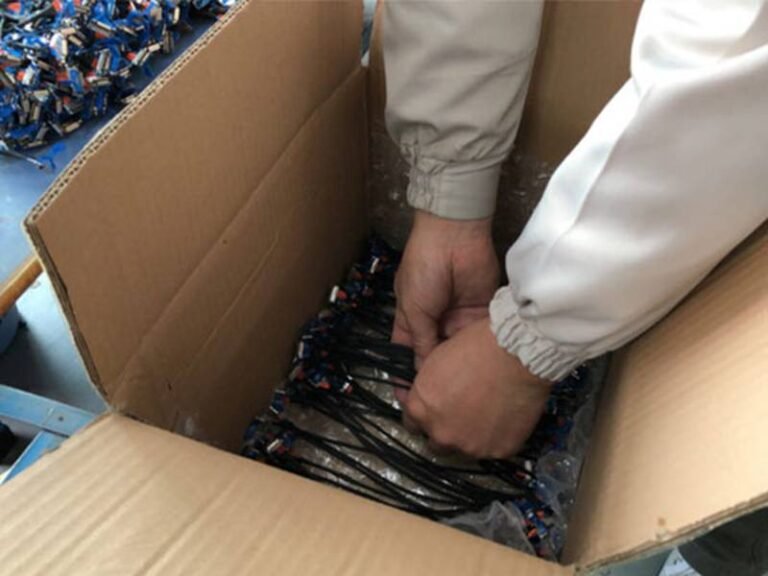
Protective Packaging for ESC Cable Assemblies
Drone ESC cable assemblies often contain flexible silicone wire, micro connectors, shielded signal structures, and lightweight harness geometry requiring organized packaging protection during transportation. Improper packaging may affect cable routing shape or connector positioning before final UAV installation begins.
SINO-CONN prepares custom drone ESC cable assemblies using organized packaging methods designed to reduce connector pressure, routing deformation, and transportation risk during prototype shipment and recurring OEM export coordination.
Customer Case Studies for Custom Drone ESC Cable Assemblies
Custom drone ESC cable assemblies are often developed around highly specific UAV operating environments where routing geometry, signal stability, connector structure, vibration resistance, and installation efficiency directly affect overall flight performance. Different UAV manufacturers face different engineering limitations depending on drone size, payload system, internal frame structure, motor configuration, and production scale. The following case studies reflect typical engineering and manufacturing support provided by SINO-CONN for FPV drones, industrial UAVs, and heavy-lift aerial systems.

United States — FPV Racing Drone ESC Harness Optimization
A United States FPV drone company developing high-speed racing platforms contacted SINO-CONN during a redesign of its internal ESC wiring structure. The project involved a compact carbon fiber frame where the flight controller stack, ESC board, VTX module, antenna routing, and battery system were installed within an extremely limited internal space.
Project Information
- Region: United States
- Application: FPV racing drone
- UAV Type: High-speed compact FPV platform
- Connector Type: JST GH micro connectors
- Cable Structure: Lightweight ESC signal harness
- Production Stage: Prototype + recurring production
Main Engineering Problems
The original ESC harness used relatively stiff signal wire that created routing pressure near the FC stack during installation. Repeated disassembly during tuning sessions gradually stressed the connector exits and solder transition areas. Motor phase wire routing also became crowded near the rear ESC module, increasing maintenance difficulty during ESC replacement.
The customer additionally wanted a lighter internal harness structure without sacrificing signal reliability during aggressive throttle movement and high-frequency motor acceleration.
SINO-CONN Solution
SINO-CONN reviewed the customer’s FC stack layout, ESC board dimensions, routing direction, connector orientation, and motor arm geometry before adjusting the harness structure. Softer high-strand silicone wire was selected to improve routing flexibility around the ESC module and flight controller.
The ESC signal harness geometry was shortened and reorganized to reduce unnecessary routing overlap inside the frame. Connector exit direction was modified to improve installation behavior during repeated maintenance cycles, while transition reinforcement structures were optimized to reduce vibration stress near solder joints.
Final Results
- Internal ESC harness routing space reduced by approximately 22%
- FPV assembly time improved during FC and ESC replacement
- Signal harness flexibility improved during repeated tuning cycles
- Vibration-related connector stress visibly reduced during testing
- Annual recurring production later exceeded 12,000 ESC harness assemblies
The customer later expanded cooperation with SINO-CONN into additional FPV drone wiring projects involving battery harnesses and lightweight signal cable assemblies.
Germany — Industrial UAV Shielded ESC Signal Cable Project
A Germany-based industrial UAV manufacturer contacted SINO-CONN during development of a long-endurance inspection drone integrating thermal imaging systems, RTK modules, telemetry equipment, onboard processors, and RF communication devices inside a compact aerial platform.
The drone operated in industrial inspection environments where stable ESC signal transmission and controlled internal cable routing were critical for long-duration flight reliability.
Project Information
- Region: Germany
- Application: Industrial inspection UAV
- UAV Type: Long-endurance aerial platform
- Connector Type: Shielded micro connector system
- Cable Structure: Shielded ESC signal harness
- Production Stage: OEM recurring production
Main Engineering Problems
During flight testing, intermittent signal instability appeared near the ESC signal system when the aircraft operated under heavier payload conditions. The customer discovered that internal ESC signal routing passed close to high-current power lines, RF systems, and telemetry modules inside the drone frame.
The original shield termination structure also lacked consistency between prototype batches, which complicated recurring UAV assembly and maintenance.
SINO-CONN Solution
SINO-CONN reviewed the internal UAV electronics layout and supported redesign of the ESC signal cable structure using compact shielded routing geometry. Braided shielding and optimized drain wire structures were introduced to improve routing organization around sensitive onboard electronics.
Connector positioning and signal harness routing paths were adjusted to better separate ESC signal structures from high-current power wiring inside the airframe. The harness layout was also reorganized to improve recurring assembly efficiency during OEM production.
Final Results
- ESC signal instability significantly reduced during full-load flight testing
- Internal harness organization improved across recurring UAV assembly batches
- Production consistency improved during OEM manufacturing
- Installation time during UAV integration reduced by approximately 18%
- Project later expanded into multiple industrial drone models
The customer continued recurring cooperation with SINO-CONN for additional UAV signal harnesses and shielded aerial electronics cable assemblies.
Israel — Heavy-Lift UAV ESC Motor Phase Cable Integration
An Israel-based UAV development company contacted SINO-CONN while developing a heavy-lift aerial platform designed for industrial payload transport and extended-duration flight operations. The aircraft used large motors, high-current ESC systems, and long motor arm structures operating under continuous vibration conditions.
The customer required reinforced ESC motor phase cable assemblies capable of maintaining routing stability during repeated operational cycles and high-load flight conditions.
Project Information
- Region: Israel
- Application: Heavy-lift industrial UAV
- UAV Type: Multi-motor aerial platform
- Connector Type: High-current ESC integration structure
- Cable Structure: Reinforced motor phase cable assembly
- Production Stage: Engineering validation + low-volume OEM production
Main Engineering Problems
The original motor phase cable structure experienced routing instability during vibration testing. Repeated movement near the ESC output area gradually increased stress on the cable transition structure, while large-current routing inside narrow arm sections complicated final UAV assembly.
Prototype revisions also moved slowly because cable geometry changes required repeated redesign and sample rebuilding during active development stages.
SINO-CONN Solution
SINO-CONN reviewed the motor layout, ESC installation structure, arm routing geometry, and current load requirements before redesigning the motor phase cable assembly. High-strand silicone wire was introduced to improve flexibility under vibration-heavy operating conditions.
Transition reinforcement structures were optimized near ESC output areas, while routing geometry was adjusted to improve installation behavior inside the UAV arm structure. Rapid engineering revision coordination also helped accelerate repeated prototype updates during flight validation.
Final Results
- Prototype revision cycle reduced from approximately 9 days to 4–5 days
- Motor phase routing stability improved during vibration testing
- UAV assembly efficiency improved during cable installation
- Cable stress near ESC transition areas visibly reduced
- Project later entered recurring low-volume industrial UAV production
The customer later continued working with SINO-CONN for additional high-current UAV harness projects involving ESC power cable assemblies and integrated aerial power distribution systems.
Frequently Asked Questions About Custom Drone ESC Cable Assemblies
Drone ESC cable assemblies often involve technical discussions related to signal stability, routing geometry, connector compatibility, lightweight structure, prototype scheduling, and recurring OEM manufacturing. Different UAV systems require different ESC wiring structures depending on drone size, flight controller layout, motor configuration, payload electronics, and operating environment. Below are common questions regularly discussed with SINO-CONN by UAV engineers, FPV drone developers, industrial drone manufacturers, and OEM procurement teams.
1. Can SINO-CONN manufacture custom drone ESC cable assemblies from drawings or samples?
Yes. Many drone ESC cable assembly projects begin with connector models, wiring sketches, existing harness samples, or flight controller pin definitions instead of finalized production drawings. SINO-CONN supports engineering review, drawing preparation, connector matching, and prototype manufacturing based on customer technical information and UAV installation requirements.
2. What connector systems are commonly used in drone ESC cable assemblies?
Drone ESC cable assemblies often use compact connector systems because installation space around ESC boards and flight controllers is highly limited. SINO-CONN commonly supports JST GH, SH, DF13, Hirose, JAE, KEL, Molex, I-PEX, Samtec, and customized connector structures used in FPV drones and industrial UAV electronics systems.
3. Can lightweight ESC cable assemblies still maintain stable signal transmission?
Yes, although lightweight optimization must remain balanced with signal stability, routing consistency, connector retention, and vibration resistance. Some FPV projects reduced cable weight aggressively but later experienced unstable signal behavior during high-throttle operation. SINO-CONN supports lightweight ESC cable structures designed around practical UAV operating conditions.
4. Does SINO-CONN support shielded ESC signal cable assemblies?
Yes. Industrial UAV systems integrating RF modules, GPS systems, telemetry equipment, cameras, and onboard processors often require shielded ESC signal cable structures. SINO-CONN supports foil shielding, braided shielding, drain wire integration, compact shield termination, and customized signal routing for UAV electronics systems requiring improved EMI control.
5. How fast can prototype ESC cable assemblies be manufactured?
Prototype timing depends on connector availability, harness complexity, routing structure, and engineering revision requirements. Some urgent UAV projects require rapid prototype support during active flight-testing stages. SINO-CONN supports prototype manufacturing, urgent sample coordination, and recurring engineering revision support for custom drone ESC cable assemblies.
6. Does SINO-CONN support small-batch ESC harness production?
Yes. Many UAV development programs require low-volume ESC cable assemblies during prototype validation before moving into recurring OEM production. SINO-CONN supports custom drone ESC cable assemblies from 1 piece together with pilot production, engineering samples, recurring prototype coordination, and long-term manufacturing support.
7. Can SINO-CONN support both original and compatible connector sourcing?
Yes. Some UAV manufacturers require original branded connectors for recurring OEM production, while prototype projects may prioritize flexible sourcing and shorter lead times. Located in Shenzhen, SINO-CONN supports both original connector coordination and compatible connector sourcing for drone ESC cable assembly projects.
8. Does SINO-CONN support NDA agreements for confidential UAV projects?
Yes. Some drone ESC cable assembly projects involve unreleased UAV systems, proprietary FC layouts, ESC structures, or restricted aerospace programs requiring protected technical communication. SINO-CONN supports NDA agreements, confidential drawing review, controlled engineering communication, and restricted prototype manufacturing coordination.
9. What industries commonly use drone ESC cable assemblies from SINO-CONN?
Custom drone ESC cable assemblies manufactured by SINO-CONN are commonly used in FPV drones, industrial inspection UAVs, agricultural drone systems, mapping platforms, heavy-lift aerial systems, robotics projects, and industrial electronics applications requiring compact signal routing and lightweight harness structures.
10. How does SINO-CONN help improve long-term ESC cable reliability?
Long-term ESC cable reliability depends on connector stability, flexible routing, solder structure consistency, vibration resistance, and practical installation geometry rather than only electrical specifications. SINO-CONN supports reinforced transition structures, lightweight silicone wire routing, shielded signal organization, and recurring production coordination based on real UAV operating environments.

Request Your Custom Drone ESC Cable Assembly
SINO-CONN supports custom drone ESC cable assemblies for FPV drones, industrial UAVs, agricultural systems, mapping platforms, and OEM drone integration projects requiring lightweight routing, stable signal transmission, and recurring manufacturing support.
Engineering Support for UAV ESC Wiring Projects
SINO-CONN supports ESC signal harnesses, FC-to-ESC cables, motor phase wire assemblies, shielded signal routing, lightweight silicone wire structures, and recurring OEM production for UAV manufacturers and drone electronics development teams.
Information Helpful for Project Review
- ESC connector model or photos
- Flight controller pin definition
- Cable length requirements
- Routing sketches or drawings
- Prototype or OEM quantity