Skip to content
Custom Medical Imaging Cable Assembly Factory
High-Speed Signal Cable Solutions for CT, MRI, and Ultrasound Systems
Medical imaging systems rely on stable, high-speed signal transmission to ensure image accuracy and system performance. Cable assemblies used in CT, MRI, ultrasound, and X-ray equipment must control signal loss, minimize EMI interference, and maintain impedance consistency across complex routing paths.
SINO-CONN manufactures custom medical imaging cable assemblies designed for high-frequency and high-density signal environments. Cable structures are developed by combining micro coaxial cables, multi-core signal wires, shielding layers, and precision connectors into a single integrated assembly.
Projects can start from drawings, connector part numbers, or sample cables. Engineering support helps define cable structure, pinout, shielding, and connector integration before production.
- Micro coaxial cable assemblies down to 50 AWG
- Cable length from 30 mm to 10+ meters
- 20 to 512+ signal paths for complex systems
- Shielding structures for EMI control
- Support for LEMO, I-PEX, HRS, Molex, TE, Amphenol, JAE
About SINO-CONN
Engineering-Driven Manufacturing for Custom Cable Assemblies
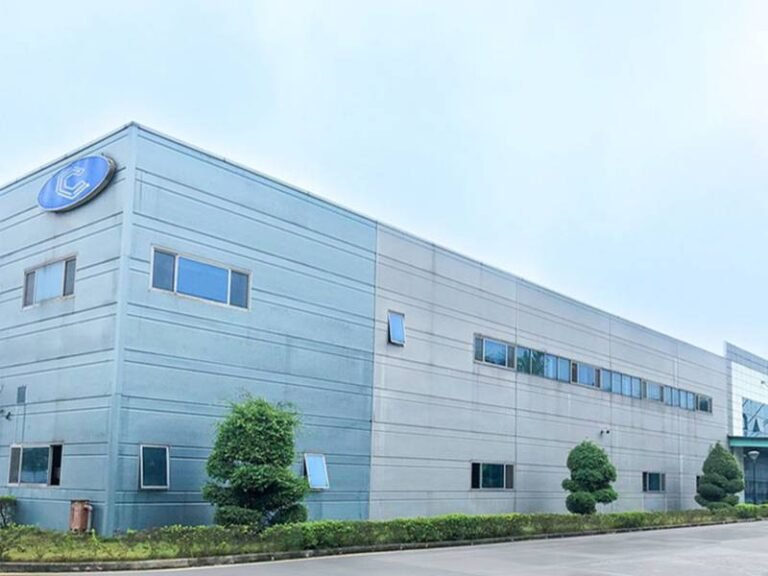
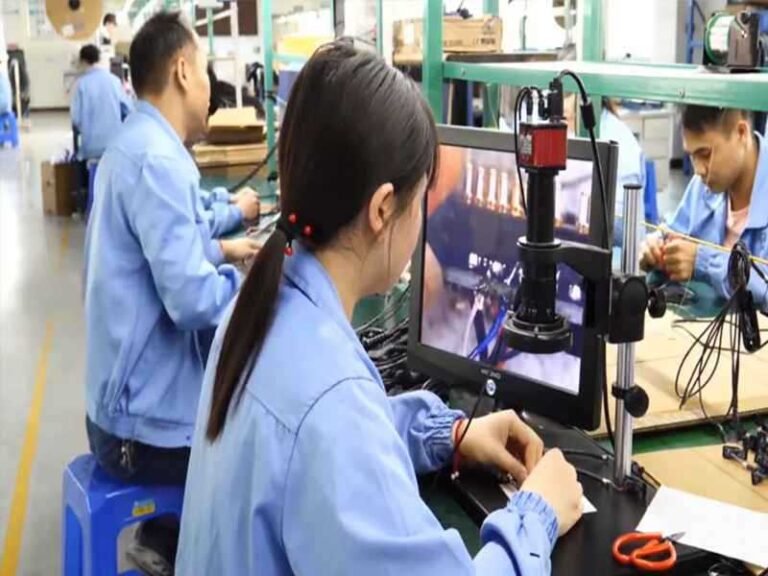
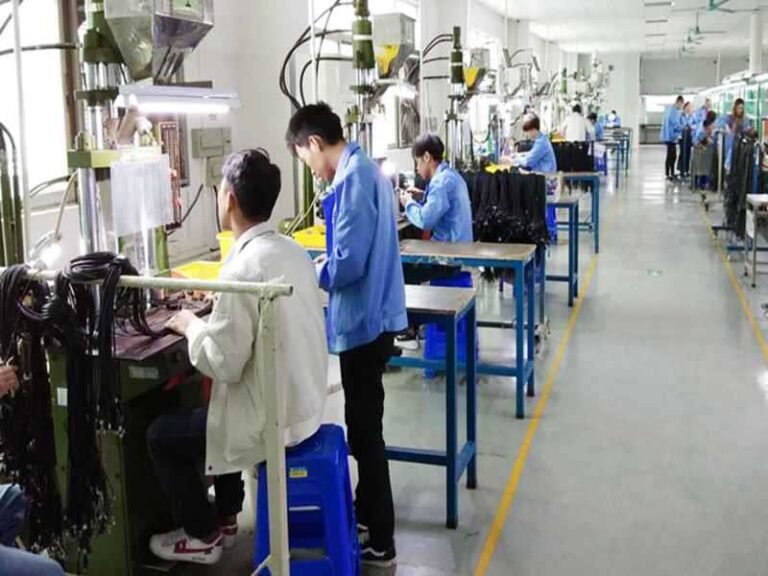
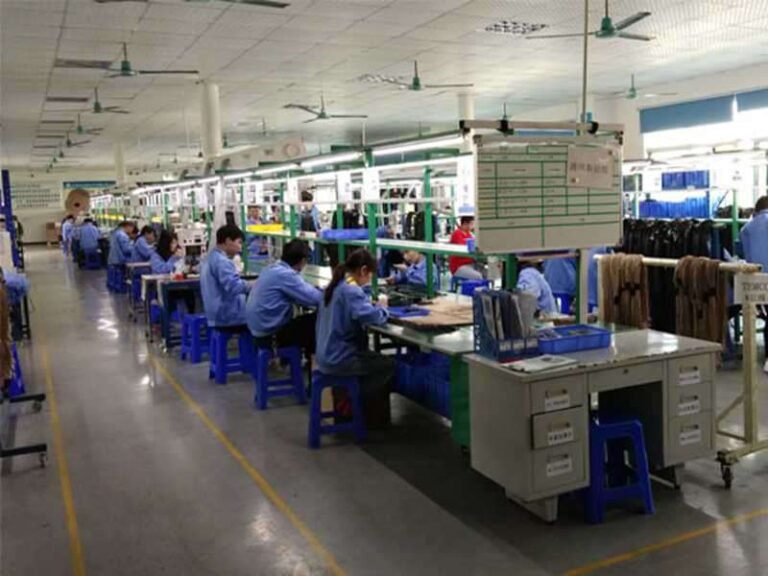
SINO-CONN is a Shenzhen-based manufacturer specializing in custom cable assemblies and wire harness solutions since 2007. The company integrates engineering design, sample prototyping, and production within one system, allowing projects to move efficiently from concept to batch manufacturing.
For medical imaging applications, cable assemblies are built by combining signal wires, coaxial cables, shielding structures, connectors, and molded components. This integration helps reduce complexity for customers who would otherwise need to coordinate multiple suppliers.
The company maintains long-term partnerships with cable manufacturers, connector suppliers, and material providers, allowing stable sourcing and flexible configuration for different project requirements.
Core capabilities include:
- Micro coaxial cable processing and integration
- Multi-signal cable assembly with high-density routing
- Custom pinout definition and connector matching
- Rapid drawing creation (CAD to PDF)
- Sample development and production scaling
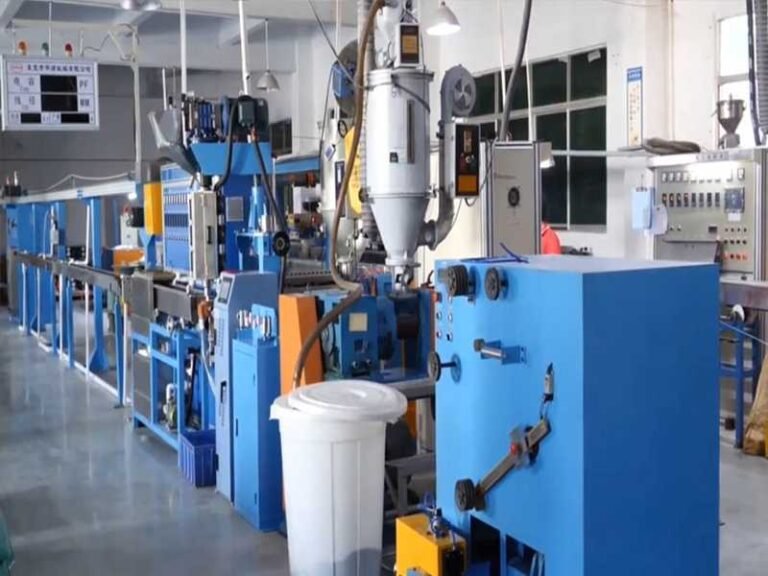
Challenges in Medical Imaging Cable Assemblies
Signal and Integration Issues in Imaging Systems

Signal Loss in High-Speed Data Transmission
Medical imaging systems rely on accurate signal transmission to maintain image quality, especially in CT detectors and high-speed data modules. When cable structure, conductor selection, or shielding is not properly matched, signal attenuation can occur during transmission. This often leads to unstable imaging output or reduced data accuracy. In several projects, customers approached SINO-CONN after encountering signal degradation in their existing cable assemblies, requiring redesign of cable structure and shielding layers to improve signal stability under real operating conditions.
EMI Interference in Multi-Module Systems
Imaging equipment integrates multiple electronic components within a compact environment, which increases the risk of electromagnetic interference. Inadequate shielding or grounding design can introduce noise into signal paths, affecting system performance. This issue becomes more critical in high-sensitivity imaging systems where signal clarity is essential. SINO-CONN has supported projects where shielding strategies were adjusted based on system layout, helping reduce interference and stabilize signal transmission across interconnected modules.
Impedance Mismatch in Coaxial Assemblies
Coaxial cable assemblies used in imaging systems require consistent impedance across cables, connectors, and interfaces. Mismatch in impedance can cause signal reflection and distortion, which directly affects data transmission accuracy. This is often seen when connectors and cables are sourced separately without coordinated design. Customers working with SINO-CONN typically require support in aligning cable structure with system impedance requirements, ensuring stable performance across high-frequency signal paths.
High-Density Signal Routing in Limited Space
Modern imaging devices are designed with compact structures while supporting a large number of signal paths. This creates challenges in cable routing, flexibility, and signal separation. Standard cable assemblies often cannot meet both space constraints and performance requirements. SINO-CONN has worked on projects involving micro coaxial integration and hybrid cable structures, allowing multiple signal lines to be routed within limited space while maintaining signal integrity.
Connector Compatibility and Supply Constraints
Precision connectors used in imaging systems often come with high cost and long lead times, especially when original brands are specified. At the same time, compatibility between connectors and cable structures must be carefully verified to avoid performance issues. Customers frequently require support in evaluating connector options and balancing availability with system requirements. SINO-CONN helps address this by offering both original and equivalent connector solutions, reducing sourcing risk without compromising functionality.
Slow Iteration in Development Cycles
Imaging system development often involves multiple design revisions, especially for cable assemblies that must match evolving system requirements. Delays in drawing preparation or sample production can slow down validation and testing. In many cases, customers seek faster response from suppliers to support development timelines. With in-house engineering and sample capabilities, SINO-CONN supports quicker drawing confirmation and prototype production, helping reduce iteration time and improve overall project efficiency.
Why Engineering Teams Choose SINO-CONN
Built for Signal-Critical Medical Imaging Projects

Engineering Support for Signal-Critical Design
Medical imaging cable assemblies require control over signal integrity, impedance, and shielding from the early design stage. SINO-CONN supports engineering teams by reviewing cable structure, connector compatibility, and signal routing before production begins. Drawings are typically prepared within a few days, allowing customers to validate design feasibility quickly and reduce development risks in high-frequency signal environments.
Capability for Micro Coax and High-Density Integration
Imaging systems often require high-density signal transmission within limited space, which cannot be achieved with standard cable structures. SINO-CONN supports micro coaxial cable integration down to fine wire levels and combines multiple signal paths into compact assemblies. This allows customers to maintain system performance while reducing cable size and improving internal routing efficiency.
Flexible Connector Strategy for Different Project Stages
Connector selection impacts both performance and supply stability. SINO-CONN supports a wide range of connector brands and provides both original and equivalent options depending on project requirements. This flexibility allows engineering teams to use original connectors during validation and adjust to alternative solutions during production, helping balance cost, availability, and lead time.
Fast Response for Prototyping and Iteration
Imaging cable assemblies often require multiple design iterations before final approval. SINO-CONN supports rapid drawing updates and sample production, with standard sample lead time around 2 weeks and faster options available for urgent projects. This helps engineering teams move through testing and validation stages more efficiently without long delays.
Production Continuity from Prototype to Batch
Maintaining consistency between prototype and production is critical for imaging systems. SINO-CONN supports projects from single-piece prototypes to batch production using the same design and process structure. This reduces the need for supplier changes and helps ensure that performance validated during development is maintained during production.
Integrated Supply Chain and Stable Execution
Custom cable assemblies require coordination across wires, connectors, shielding materials, and molding processes. SINO-CONN works with long-term supply chain partners to ensure stable material sourcing and production scheduling. This integrated approach reduces delays caused by material shortages and helps maintain consistent delivery performance across different projects.
Medical Imaging Cable Assembly Types
Cable Structures Designed for High-Speed and High-Density Signal Systems

Micro Coaxial Cable Assemblies for Compact Imaging Modules
Micro coaxial cable assemblies are widely used in medical imaging systems where high-density signal transmission must be achieved within limited space. These cables are commonly applied in CT detector modules and imaging probes, where stable signal transmission is critical. SINO-CONN supports micro coaxial processing down to 50 AWG and integrates multiple coax lines into a single compact assembly, allowing high signal density while maintaining controlled impedance and shielding performance.

RF and High-Frequency Cable Assemblies for Signal Transmission
RF cable assemblies are designed for applications requiring stable high-frequency signal transmission. These cables are used in imaging systems where signal clarity and low attenuation are essential. SINO-CONN develops RF cable assemblies with appropriate shielding structures and connector matching, helping reduce signal loss and interference in complex environments, while ensuring compatibility with system interfaces.

Multi-Core Signal Cable Assemblies for Complex Systems
Multi-core cable assemblies integrate multiple signal paths into one structure, simplifying internal wiring for imaging equipment. These assemblies can support 20 to 512 or more signal paths, depending on system requirements. SINO-CONN designs these cables with custom pinout definitions and optimized internal layout, helping maintain signal separation and stability while reducing routing complexity inside devices.

Hybrid Cable Assemblies for Integrated Functions
Hybrid cable assemblies combine coaxial cables, signal wires, and power lines into a unified structure. This approach reduces the number of cables required within imaging systems and simplifies internal connections. SINO-CONN develops hybrid assemblies based on system architecture, allowing different signal types to operate together without interference while improving overall integration efficiency.

High-Flex Cable Assemblies for Dynamic Applications
High-flex cable assemblies are used in imaging systems that require repeated movement, such as adjustable modules or handheld devices. These cables are designed with flexible conductors and optimized structures to withstand continuous bending. SINO-CONN adjusts cable materials and internal design to improve durability and maintain stable signal transmission under dynamic conditions.

Overmolded Cable Assemblies for Mechanical Protection
Overmolded cable assemblies provide additional protection at connection points and improve overall durability. These cables are commonly used in devices that require frequent handling or movement. SINO-CONN supports custom overmolding designs to match connector shapes and application needs, helping improve mechanical strength and reduce the risk of failure during operation.
Applications in Medical Imaging Systems
Cable Assemblies Designed for Real Imaging Equipment

CT Scanner Systems and Detector Modules
CT systems require cable assemblies to transmit high-speed data from detector modules to processing units with minimal signal loss. These assemblies often involve high-density signal routing within limited space, making cable structure and shielding design critical. SINO-CONN supports these applications by integrating micro coaxial cables and optimized shielding structures, allowing stable signal transmission while maintaining compact cable layouts within CT equipment.

MRI Systems in High Electromagnetic Environments
MRI equipment operates in strong electromagnetic fields, where cable assemblies must maintain signal stability without introducing interference. Poor shielding or grounding can affect system performance and imaging accuracy. SINO-CONN develops cable assemblies with appropriate shielding structures and grounding continuity, helping reduce interference and ensure reliable signal transmission in MRI environments.

Ultrasound Systems and Imaging Probes
Ultrasound systems require flexible and compact cable assemblies, especially in probes and handheld devices. These cables must support repeated movement while maintaining stable signal transmission. SINO-CONN designs cable assemblies using flexible materials and micro coaxial structures, allowing improved durability and performance in applications where both flexibility and signal quality are important.

X-Ray Imaging Equipment and Internal Connections
X-ray systems require cable assemblies that support stable signal transmission between internal components while fitting within equipment structures. These assemblies often integrate multiple signal paths and connectors. SINO-CONN supports these applications by designing multi-core and hybrid cable assemblies that match system layout and ensure consistent performance during operation.

Imaging Modules and Compact Signal Systems
Modern imaging devices use compact modules that require high-density signal integration. Cable assemblies must support multiple signal paths within very limited space while maintaining signal integrity. SINO-CONN develops micro coaxial and hybrid cable solutions to meet these requirements, helping enable compact device design without compromising performance.

Multi-Function Imaging Platforms and Integrated Systems
Advanced imaging platforms integrate multiple functions such as signal transmission, control, and power distribution within a single system. Cable assemblies must combine different cable types and connector interfaces into one structure. SINO-CONN supports these applications by designing hybrid cable assemblies that align with system architecture, helping reduce internal complexity and improve overall integration efficiency.
Engineering and Design Capability for Medical Imaging Cable Assemblies
Signal-Oriented Engineering from Concept to Production
Medical imaging cable assemblies require coordinated design across signal transmission, mechanical structure, and system integration. SINO-CONN supports projects from early concept or partial input, helping engineering teams convert design intent into manufacturable cable assemblies with stable performance.

Signal Integrity and Impedance Design
Signal integrity is a key factor in imaging systems, especially in high-frequency transmission.
- Impedance matching between cable, connector, and system interface
- Optimization of signal path to reduce reflection and attenuation
- Structure adjustment based on transmission requirements
SINO-CONN aligns cable design with system signal characteristics to maintain stable performance.
Shielding and EMI Control Engineering
Shielding structure must be defined based on real operating conditions rather than generic specifications.
- Selection of braided, foil, or hybrid shielding structures
- Grounding continuity integrated into cable design
- Noise reduction strategies for multi-module environments
This helps improve signal stability in complex imaging systems.
Cable Structure and Layout Optimization
Cable assemblies must fit within limited internal space while maintaining performance.
- Outer diameter control for compact integration
- Flexible routing design based on device layout
- Multi-layer cable structures for high-density signal paths
Design is adjusted according to both electrical and mechanical constraints.
Connector Integration and Pinout Definition
Connector selection and pinout mapping define how signals are transmitted across the system.
- Support for major connector brands and compatible options
- Custom pinout design based on system architecture
- Mechanical and electrical compatibility verification
Drawings are prepared and confirmed before production to ensure accuracy.
Rapid Drawing and Prototype Support
Fast iteration is important during imaging system development.
- CAD drawing preparation typically within a few days
- Faster turnaround available for urgent projects
- Prototype production with iteration support
This helps reduce development time and improve validation efficiency.
Engineering Integration with Manufacturing
Cable design must be aligned with production capability to ensure repeatability.
- Material selection based on availability and performance
- Coordination with supply chain for connectors and cables
- Standardized process definition for consistent output
SINO-CONN integrates engineering and manufacturing to maintain consistency from prototype to production.
Signal Performance for Medical Imaging Cable Assemblies
Designed for Stable High-Speed and High-Density Signal Transmission
Medical imaging systems depend on accurate signal transmission for image quality and system performance. Cable assemblies must maintain stable electrical characteristics under high frequency, dense routing, and complex environments. SINO-CONN develops cable structures based on signal requirements, combining conductor design, shielding, and connector integration to achieve consistent transmission performance.

Controlled Impedance Across Cable Assemblies
Maintaining consistent impedance is essential for high-speed signal transmission.
- Impedance matching between cable, connector, and system interface
- Reduced signal reflection and distortion
- Stable performance across multiple signal paths
SINO-CONN supports impedance-oriented design based on system requirements, helping improve signal accuracy.
Low Signal Loss in High-Frequency Transmission
Signal attenuation must be minimized to maintain imaging quality.
- Optimized conductor structure for signal transmission
- Selection of low-loss insulation materials
- Controlled cable routing to reduce transmission loss
Cable assemblies are designed to maintain signal strength across required distances.
EMI Reduction Through Shielding Design
Electromagnetic interference can affect signal clarity in imaging systems.
- Multi-layer shielding using braided and foil structures
- Grounding design integrated into cable assembly
- Reduction of noise from surrounding electronic components
SINO-CONN adjusts shielding based on actual application conditions to improve performance.
Stability in High-Density Signal Integration
Imaging systems often require many signal paths within a compact structure.
- Signal separation within multi-core and hybrid cables
- Optimized internal layout to reduce cross-talk
- Stable multi-channel signal transmission
This supports complex system architectures without compromising performance.
Consistent Performance Under Dynamic Conditions
Cable assemblies must maintain signal stability during movement and operation.
- Flexible conductor structures for repeated bending
- Stable connection at interface points
- Reduced signal variation during use
Design is adapted based on real operating conditions to maintain reliability.
Signal-Oriented Design and Validation Support
Signal performance is verified through engineering design and testing.
- Design adjustment based on signal requirements
- Prototype validation during development stage
- Iteration based on test results
SINO-CONN supports engineering teams in refining cable assemblies to meet system performance expectations.
Customization Options for Medical Imaging Cable Assemblies
Configuration Based on System Architecture and Signal Requirements
Medical imaging cable assemblies are defined by system requirements rather than fixed specifications. Each project may involve different signal types, routing conditions, connector interfaces, and environmental constraints. SINO-CONN supports customization across electrical, mechanical, and material dimensions, allowing cable assemblies to match system design without relying on standard products.

Cable Length and Routing Configuration
Cable length and routing are determined by system layout and installation conditions.
- Length range from 30 mm to 10+ meters
- Straight, multi-branch, or complex routed structures
- Custom exit direction and connector orientation
- Layout optimization to reduce internal stress and improve installation
Cable routing is adjusted to fit device structure while maintaining performance.
Signal Path and Pinout Definition
Pinout defines how signals are transmitted within the system.
- Custom pinout based on system architecture
- Integration of signal, control, and power lines
- Verification through drawing before production
- Support for high-density signal mapping
SINO-CONN prepares drawings for confirmation to ensure accuracy before manufacturing.
Connector Selection and Integration
Connector choice affects performance, availability, and cost.
- Support for LEMO, I-PEX, HRS, Molex, TE, Amphenol, JAE, Samtec
- Original and equivalent connector options
- Multi-connector integration within one cable assembly
- Compatibility verification with cable structure
Connector strategy can be adjusted based on project stage and supply conditions.
Shielding and Signal Structure Customization
Shielding design is matched with signal requirements and operating environment.
- Braided, foil, or hybrid shielding structures
- Grounding design integrated into cable assembly
- Signal separation within multi-core or hybrid cables
- Optimization based on EMI and signal stability needs
This helps maintain stable signal transmission in complex systems.
Material and Jacket Selection
Material selection affects flexibility, durability, and environmental resistance.
- TPU, silicone, PTFE, FEP options
- Flame-retardant, oil-resistant, and chemical-resistant materials
- Selection based on temperature and operating conditions
- Support for compliance with RoHS, REACH, and PFAS
Materials are selected based on actual usage requirements rather than standard options.
Structure Design and Mechanical Protection
Cable structure must support both electrical and mechanical performance.
- Overmolding for connector reinforcement
- Strain relief design for repeated bending
- Outer diameter control for compact integration
- Protection against pulling and movement
SINO-CONN develops structures based on real application conditions.
Production and Lead Time Flexibility
Different project stages require different production approaches.
- No minimum order quantity, starting from 1 piece
- Sample lead time around 2 weeks, urgent 2–3 days
- Production lead time typically 3–4 weeks
- Support for rapid iteration during development
This flexibility allows projects to move from prototype to production efficiently.
Materials and Technologies for Medical Imaging Cable Assemblies
Material Selection and Process Design Based on Signal and Environment
Medical imaging cable assemblies must balance signal performance, mechanical durability, and environmental resistance. Material and process selection directly affect impedance stability, signal loss, flexibility, and long-term reliability. SINO-CONN develops cable assemblies by combining appropriate materials with proven manufacturing processes, ensuring performance under real operating conditions.

Insulation and Dielectric Materials for Signal Stability
Insulation materials influence impedance control and signal transmission quality.
- PTFE and FEP for low dielectric loss and stable electrical performance
- Controlled dielectric properties for high-frequency transmission
- Consistent insulation thickness to maintain impedance
SINO-CONN selects insulation materials based on signal requirements rather than standard configurations.
Jacket Materials for Mechanical and Environmental Protection
Outer jacket materials determine flexibility, durability, and resistance to environmental factors.
- Silicone for flexibility and high-temperature environments
- TPU for abrasion resistance and mechanical strength
- Customized material selection based on application conditions
Material choice is aligned with how the cable will be used in imaging equipment.
Shielding Materials and Structures for EMI Control
Shielding is critical for maintaining signal integrity in multi-module systems.
- Braided shielding for flexibility and durability
- Foil shielding for high-frequency interference protection
- Multi-layer shielding for complex environments
SINO-CONN defines shielding structure during engineering stage based on system layout.
Conductor Materials and Signal Path Design
Conductor design affects signal transmission and cable durability.
- Fine conductor structures for compact cable assemblies
- Integration of coaxial and multi-core signal paths
- Optimized conductor layout for reduced signal interference
This supports high-density signal transmission required in imaging systems.
Overmolding and Structural Reinforcement Technologies
Mechanical protection improves reliability at connection points.
- Custom overmolding for connector protection
- Reinforced strain relief for repeated bending
- Improved resistance to pulling and mechanical stress
These processes extend the service life of cable assemblies in dynamic applications.
Precision Assembly and Process Control
Manufacturing processes must maintain consistency across all units.
- Controlled stripping, crimping, and soldering processes
- Standardized assembly procedures
- Alignment between design and production
SINO-CONN integrates engineering and production to ensure repeatable results.
Supply Chain Integration for Material Stability
Stable material sourcing is essential for both development and production.
- Long-term cooperation with cable and connector suppliers
- Consistent sourcing of insulation and shielding materials
- Flexible substitution when required
This supports stable delivery and reduces risk in supply chain disruptions.
Manufacturing Process for Medical Imaging Cable Assemblies
Structured Execution from Concept to Delivery

Requirement Review and Engineering Evaluation
Each project starts with a detailed review of customer inputs such as drawings, connector models, or sample cables. Cable structure, signal path, shielding design, and connector compatibility are evaluated to ensure alignment with system requirements. SINO-CONN supports early-stage engineering discussion, helping define feasible solutions before production begins and reducing the risk of design mismatch or later modification.
Drawing Creation and Design Confirmation
Based on the reviewed requirements, cable assembly drawings are prepared for customer confirmation. These drawings define pinout, structure, dimensions, and material selection. SINO-CONN typically provides CAD drawings within a short timeframe, allowing engineering teams to verify design details quickly. Production only starts after drawing approval, ensuring that all specifications are clearly defined and agreed upon.
Material Preparation and Supply Coordination
Material preparation is arranged according to the confirmed design, including wires, connectors, shielding components, and molding materials. SINO-CONN coordinates with long-term suppliers to ensure material availability and consistency. Connector selection may include both original and equivalent options depending on project requirements, helping balance lead time, cost, and performance while maintaining stable supply.
Prototype Production and Validation
Sample production is carried out to validate the cable assembly under real operating conditions. Standard sample lead time is around two weeks, with faster options available when required. During this stage, cable assemblies are tested and evaluated within the customer’s system, and adjustments can be made based on feedback. SINO-CONN supports multiple iterations, helping refine both electrical and mechanical performance before production.
Mass Production and Assembly Execution
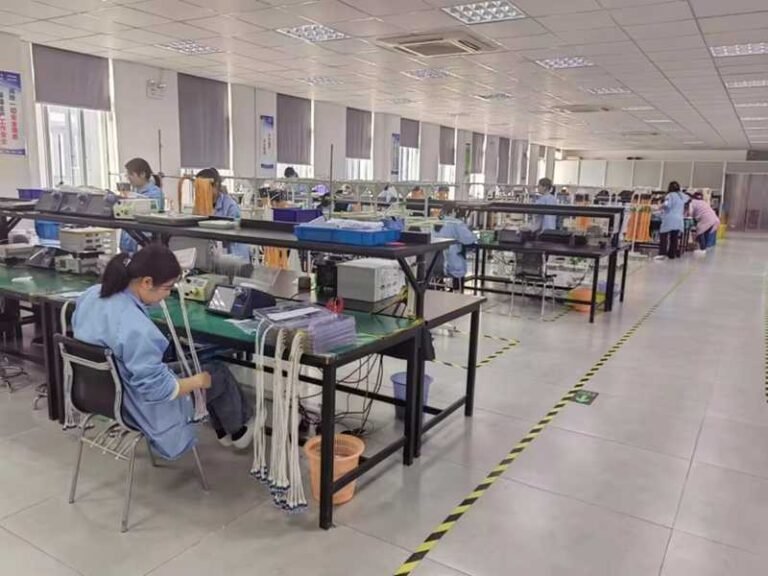
After design validation, cable assemblies enter batch production using defined processes and controlled workflows. Production includes wire cutting, stripping, crimping, soldering, shielding, overmolding, and final assembly. SINO-CONN operates multiple assembly lines to support both small and large orders, maintaining consistency between prototype and production units while meeting delivery timelines.
Inspection, Packaging, and Shipment Preparation
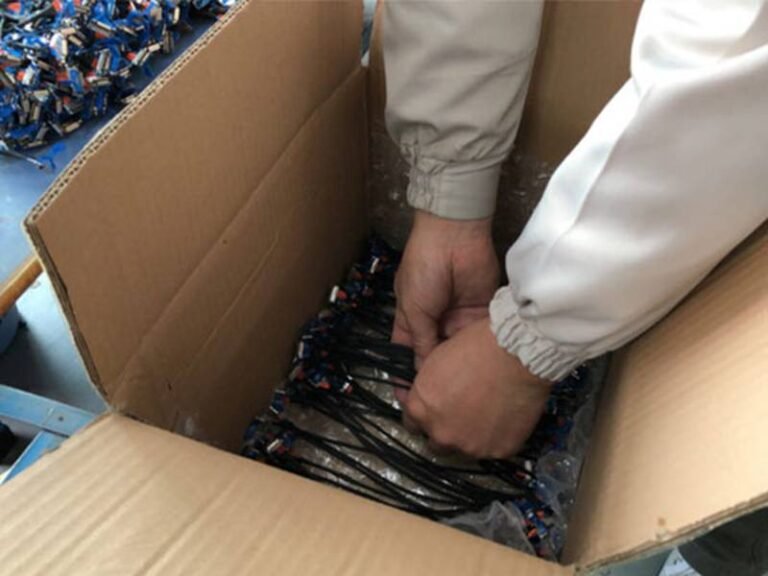
Completed cable assemblies undergo inspection before shipment to ensure conformity with approved specifications. Products are then packaged according to shipment requirements and prepared for delivery. SINO-CONN coordinates shipment based on customer timelines and provides necessary documentation, supporting smooth delivery for both development and production projects in medical imaging applications.
Quality Control for Medical Imaging Cable Assemblies
Inspection and Verification for Signal-Critical Applications
In-Process Control During Assembly
Quality control begins during production rather than after completion, especially for imaging cable assemblies where signal integrity depends on every step of the process. Wire preparation, crimping, soldering, shielding, and connector assembly are monitored during execution to ensure consistency with approved drawings. SINO-CONN applies process-level inspection throughout production, allowing potential issues to be identified early and reducing the risk of defects affecting final performance.
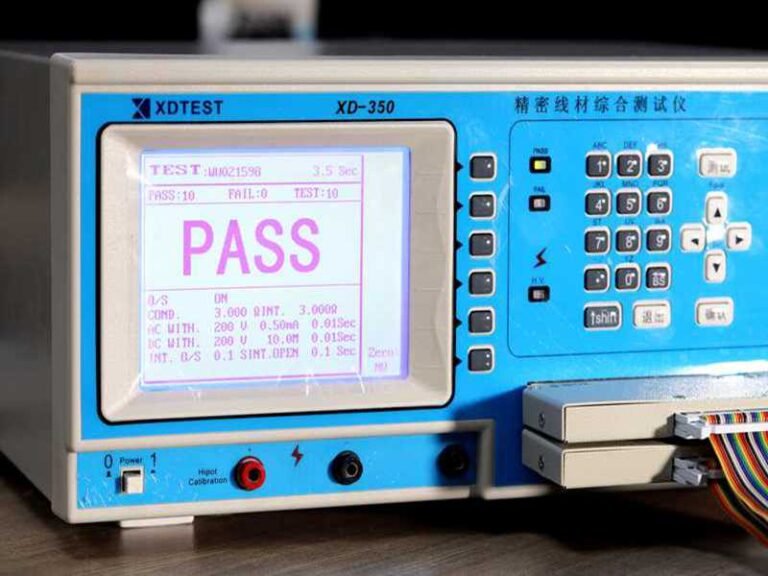
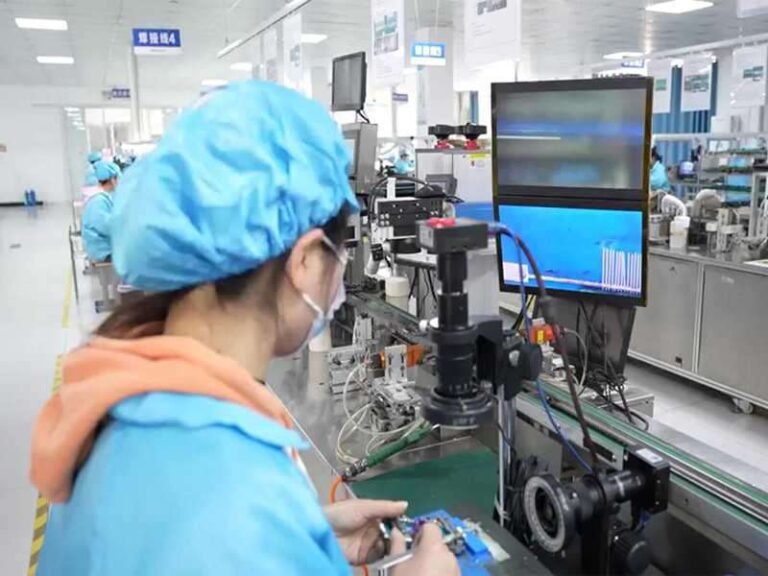
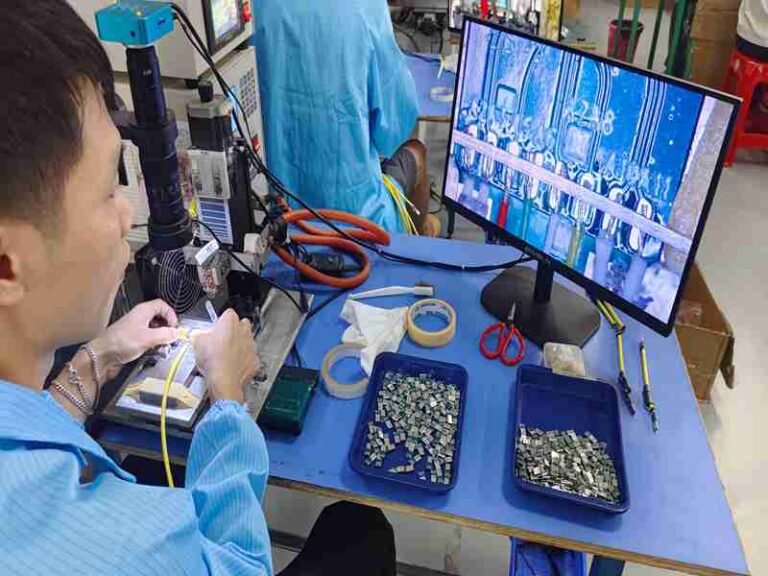
Final Inspection and Electrical Verification
After assembly, each cable undergoes final inspection to confirm that structure, wiring, and connections meet defined requirements. This includes verification of continuity, insulation, and overall assembly accuracy to ensure that signal paths are correctly established. SINO-CONN performs full inspection on finished products, helping ensure that each cable assembly matches the approved design and supports stable signal transmission in imaging systems.
Pre-Shipment Validation and Batch Consistency
Before shipment, cable assemblies are checked again to confirm consistency across the entire batch. Appearance, structure, and overall quality are verified to ensure that products meet delivery requirements. SINO-CONN follows a multi-stage inspection approach, including process inspection, finished product inspection, and pre-shipment verification, helping maintain consistent quality across different orders and supporting reliable performance in medical imaging applications.
Certifications and Compliance for Medical Cable Assemblies
Standards Supporting Quality, Safety, and Global Projects
Medical imaging cable assemblies require not only manufacturing capability but also compliance with international standards. Certifications ensure that materials, processes, and finished products meet the expectations of medical device manufacturers and global supply chains.
SINO-CONN supports projects with recognized certifications and structured compliance systems, helping customers simplify supplier qualification, reduce audit risk, and align with regulatory requirements in different markets.
Quality Management and Manufacturing Standards
- ISO 13485 — Medical Device Quality Management System Ensures structured quality control for medical-related cable assemblies and supports supplier qualification for imaging equipment manufacturers
- ISO 9001 — Quality Management System Provides standardized process control across engineering, production, and delivery stages
- IPC/WHMA-A-620 — Cable Assembly Workmanship Standard Defines acceptance criteria for cable assembly quality, ensuring consistent manufacturing practices
Environmental and Material Compliance
- RoHS (Restriction of Hazardous Substances) Ensures materials used in cable assemblies comply with environmental regulations for electronic products
- REACH (Registration, Evaluation, Authorization of Chemicals) Supports safe material usage and regulatory compliance in global markets
- PFAS Compliance Addresses restrictions on fluorinated substances in materials for specific regulatory requirements
- ISO 14001 — Environmental Management System Supports structured environmental management practices and aligns with sustainability requirements from global OEM customers
Material and Application-Level Compliance
- ISO 10993 — Biocompatibility Support (Material Level) Material options can be selected to support ISO 10993 evaluation requirements for medical applications where cable assemblies are used in proximity to patients or require biocompatibility consideration
- UL (Underwriters Laboratories) Supports safety recognition for cables and components where applicable, based on project requirements
Product and Documentation Support for Global Projects
- COC (Certificate of Conformity) Confirms that cable assemblies meet specified technical and regulatory requirements
- COO (Certificate of Origin) Supports international shipping, customs clearance, and import documentation
Compliance Integration into Engineering and Production
- Certification requirements can be aligned during early design stages
- Materials and processes are selected based on project compliance needs
- Documentation can be prepared according to customer and regional standards





Medical Imaging Cable Assembly Project Cases
Proven Engineering Solutions with Measurable Results

Micro Coax Cable Assembly for CT Detector Module
A European CT equipment manufacturer required a compact cable assembly to connect detector modules with high-speed signal transmission. The original multi-core cable caused signal attenuation and unstable output during validation, especially when routing within limited internal space.
- Challenge High-density signal transmission within compact structure, with signal loss observed during system testing
- Solution SINO-CONN redesigned the cable using micro coaxial structure with controlled impedance and optimized shielding, while reducing cable diameter to fit module space
- Execution Drawings prepared within 48 hours, followed by two rounds of sample iteration based on system feedback
- Result Signal stability improved by approximately 30% during testing, cable OD reduced by around 20%, and the assembly passed internal validation for integration into production modules
Hybrid Multi-Signal Cable for Ultrasound System
A US-based ultrasound OEM required integration of signal, control, and power lines into one cable assembly. Their previous solution used multiple cables, leading to installation complexity and inconsistent performance across batches.
- Challenge Complex pinout and multi-cable routing causing assembly inefficiency and signal inconsistency
- Solution SINO-CONN developed a hybrid cable assembly combining coaxial and multi-core signal paths with defined pinout and shielding structure
- Execution Sample lead time controlled within 10 working days, followed by validation and process standardization for batch production
- Result Assembly time reduced by approximately 25%, cable count reduced from 3 to 1, and production consistency improved with lower failure rates during system assembly
High-Flex Cable for Imaging Probe Application
A Japanese manufacturer required a flexible cable assembly for a handheld imaging probe that could withstand repeated bending while maintaining stable signal transmission. The previous cable failed after limited usage cycles due to mechanical fatigue.
- Challenge Cable fatigue and signal instability under repeated bending conditions
- Solution SINO-CONN optimized conductor structure, selected flexible materials, and reinforced strain relief at connector transitions
- Execution Samples were tested under repeated bending conditions exceeding standard usage cycles, with design adjustments based on test results
- Result Cable lifespan increased by more than 2 times in bending tests, with stable signal transmission maintained throughout operation, supporting long-term use in probe applications
Logistics and Delivery for Medical Imaging Cable Assemblies
Structured Delivery for Engineering and Production Projects
Lead Time Planning for Development and Production
Lead time planning is critical for imaging system projects where development schedules and production timelines must be tightly controlled. SINO-CONN supports both prototype and production phases with flexible scheduling, typically offering sample lead time around two weeks and faster turnaround within 2–3 days for urgent projects when materials are available. Production lead time is generally controlled within three to four weeks, allowing customers to align internal testing and manufacturing schedules with predictable delivery.

Material Coordination and Supply Stability
Stable delivery depends on reliable access to materials such as wires, connectors, shielding components, and molding parts. SINO-CONN works with long-term suppliers to ensure consistent sourcing aligned with approved designs. Material preparation is coordinated before production begins, reducing the risk of delays caused by shortages or specification mismatches, which is particularly important for custom imaging cable assemblies.
Production Scheduling and Capacity Management
Production scheduling is arranged based on order volume, cable complexity, and delivery requirements. With multiple assembly lines, SINO-CONN can support both small prototype batches and larger production orders without disrupting ongoing projects. This flexibility allows customers to move from validation to production while maintaining continuity in supply and consistent product quality.
Global Shipping Options and Delivery Flexibility
Medical imaging cable assemblies are shipped globally, requiring flexible logistics solutions. SINO-CONN supports express shipping through DHL, FedEx, and UPS for urgent deliveries, as well as air and sea freight for larger shipments. Shipping methods can be selected based on delivery urgency and cost considerations, allowing customers to balance speed and budget according to project needs.
Documentation and Customs Clearance Support
International shipments require accurate documentation to ensure smooth customs clearance. SINO-CONN provides documents such as Commercial Invoice, Packing List, Certificate of Origin, and Certificate of Conformity based on customer requirements. Proper documentation helps reduce delays during customs processing and supports efficient delivery for medical equipment manufacturers operating across different regions.
Order Tracking and Communication
Clear communication and visibility are maintained throughout the delivery process. After order confirmation, SINO-CONN provides updates on production progress and coordinates shipment schedules. Tracking information is shared once goods are shipped, allowing customers to monitor delivery status and align internal plans. This approach supports better coordination between supplier delivery and project timelines.
Frequently Asked Questions
1. Can cable assemblies be developed without complete drawings ?
Projects can start from different types of input, including partial drawings, connector part numbers, sample cables, or application descriptions. SINO-CONN reviews the available information and prepares drawings for confirmation before production. This allows engineering teams to move forward even when initial data is incomplete, while ensuring that the final cable assembly matches system requirements.
2. What types of signal requirements can be supported ?
Cable assemblies can be designed for high-speed signal transmission, controlled impedance, and EMI shielding based on system requirements. SINO-CONN supports micro coaxial structures, multi-signal integration, and shielding strategies that help maintain signal stability in imaging systems such as CT, MRI, and ultrasound equipment.
3. Is there a minimum order quantity for custom projects ?
There is no minimum order quantity requirement, allowing projects to start from a single prototype. This is useful for development and validation stages, where small quantities are needed before moving into production. SINO-CONN supports both low-volume prototyping and batch manufacturing within the same process structure.
4. Can connectors be selected or substituted based on proje ? needs
Connector selection can be adjusted depending on performance, availability, and cost requirements. SINO-CONN supports major connector brands such as LEMO, Molex, TE, and Amphenol, as well as compatible alternatives. This flexibility allows customers to use original connectors during validation and optimize sourcing during production.
5. What is the typical lead time for samples and production ?
Sample lead time is usually around two weeks, with faster options available for urgent projects when materials are ready. Production lead time is typically three to four weeks depending on cable complexity and order quantity. SINO-CONN coordinates engineering and production to align delivery timelines with customer schedules.
6. How is cable assembly quality verified ?
Cable assemblies are inspected during production and before shipment to ensure they match approved drawings and specifications. SINO-CONN applies process inspection, final inspection, and pre-shipment verification, helping maintain consistent quality across different batches and supporting stable performance in imaging systems.
7. Can designs be modified during development ?
Design adjustments can be made during the development stage, including changes to cable structure, pinout, materials, or connectors. SINO-CONN supports iterative development by updating drawings and producing revised samples, allowing engineering teams to refine cable assemblies based on testing results.
8. How is confidentiality handled for custom projects ?
Confidential projects can be protected through non-disclosure agreements before sharing technical information. SINO-CONN handles customer drawings, samples, and project data with controlled access, supporting NDA requirements for medical imaging and other sensitive applications.
9. What industries and applications are supported ?
Cable assemblies are used across medical imaging, industrial automation, communication systems, automotive electronics, and other applications. Experience across different industries helps SINO-CONN adapt cable designs to specific system requirements and operating conditions.
10. Can urgent projects be supported with short timelines ?
Urgent requirements can be supported depending on material availability and project complexity. SINO-CONN can accelerate drawing preparation, sample production, and manufacturing schedules to help customers meet tight development or delivery timelines.

Start Your Imaging Cable Assembly Project
Start with What You Have — We’ll Help You Move It Forward
From Design to Production
Custom imaging cable assemblies require coordination between engineering, materials, and production. Projects can start from drawings, connector models, or samples, with support for design confirmation, prototyping, and batch production.
Engineering support helps define cable structure and signal requirements, while production capability ensures consistent output.
What Can Be Provided
- Drawings or sketches
- Connector part numbers
- Sample cables
- Application requirements
What to Expect
- Fast response
- Clear communication
- Flexible solutions
- Stable production