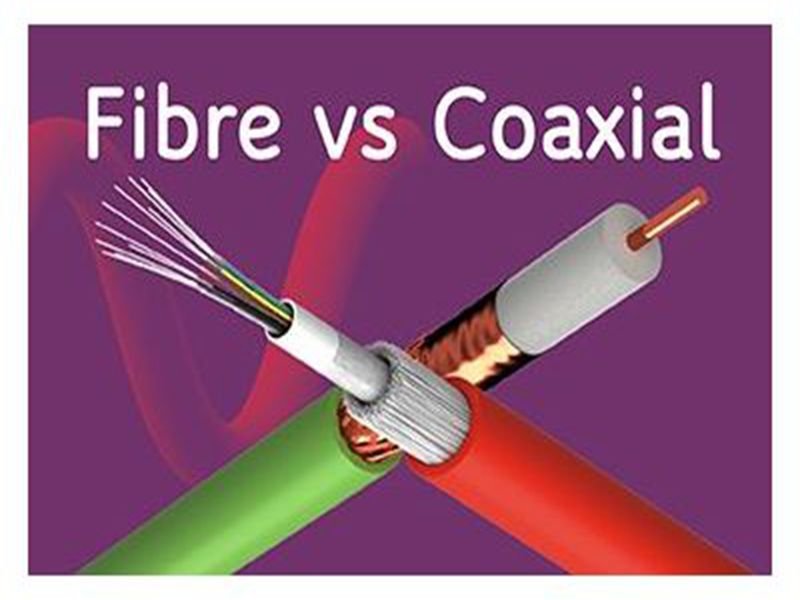
Coaxial Cable vs Fiber: What’s the Difference and Which to Choose?
A lot of cable selection mistakes happen long before production starts. The drawing may look correct. The connector may match. The sample may even pass a quick functional test.

A lot of cable selection mistakes happen long before production starts. The drawing may look correct. The connector may match. The sample may even pass a quick functional test.

Selecting the right manufacturer for medical cable assemblies is one of the most important decisions medical device companies make during product development. In modern healthcare systems, cables connect sensors, imaging systems, surgical tools, and monitoring equipment.
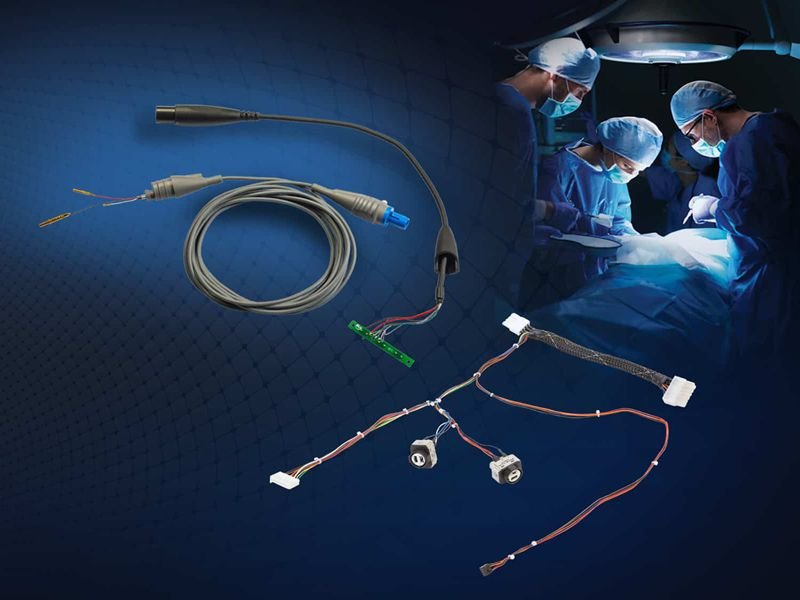
In the medical device industry, cable assemblies are rarely discussed in marketing brochures—but they are quietly critical to whether a device works reliably, passes compliance, and survives real clinical use.

Medical devices depend on reliable electrical connections. Inside every imaging machine, monitoring system, diagnostic device, and surgical instrument, there are cable assemblies responsible for transmitting signals, power, and data between components.
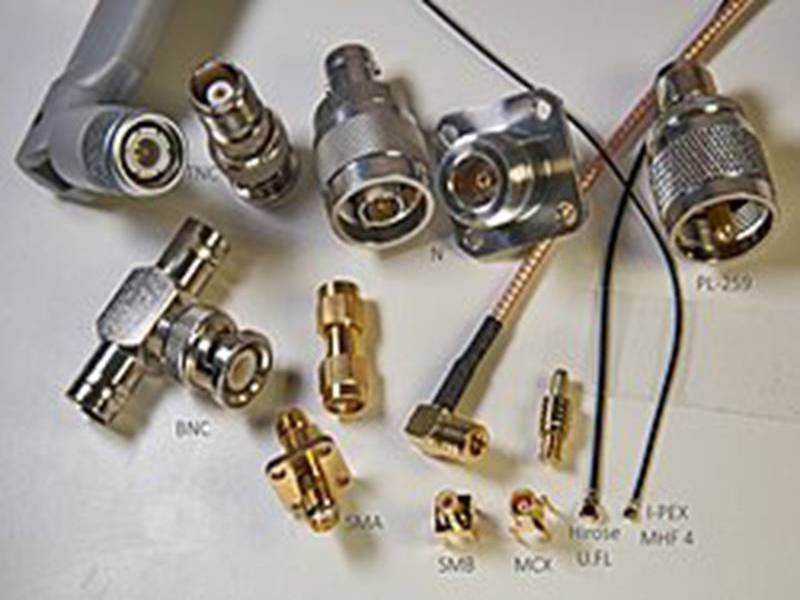
People often use the words “RF port” and “coaxial port” like they’re interchangeable. That’s why a lot of inquiries start like this: “We need an RF port cable,” and then the customer sends a photo of a coax connector—without frequency, impedance, or any datasheet.
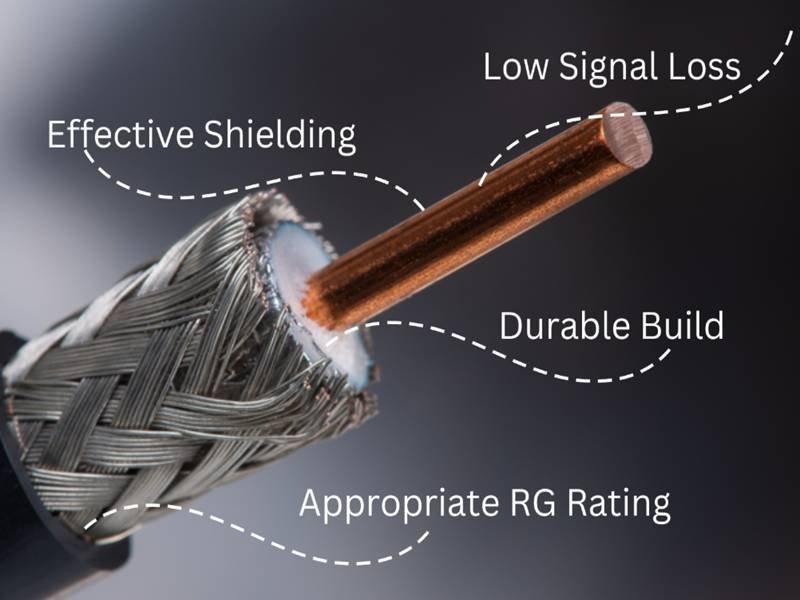
When people search “coaxial cable specifications,” they usually want a simple answer—Which cable should I buy? But in real projects, coax specs decide something more important: whether your signal stays clean, whether your assembly fits, and whether your product passes compliance without surprises. A coax cable that “looks right” can still be wrong inside—wrong impedance, the wrong shielding coverage, or a jacket that cracks after heat and oil exposure.
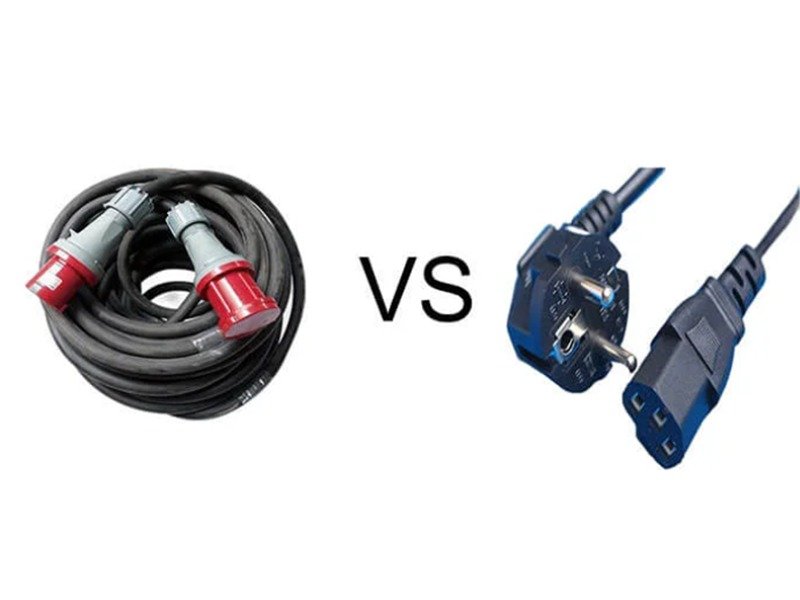
Many customers assume “power cord” and “power cable” mean the same thing. In casual conversation this might not cause confusion, but in engineering projects, medical devices, industrial automation, and electronic appliances, the difference directly affects safety, performance, and compliance.
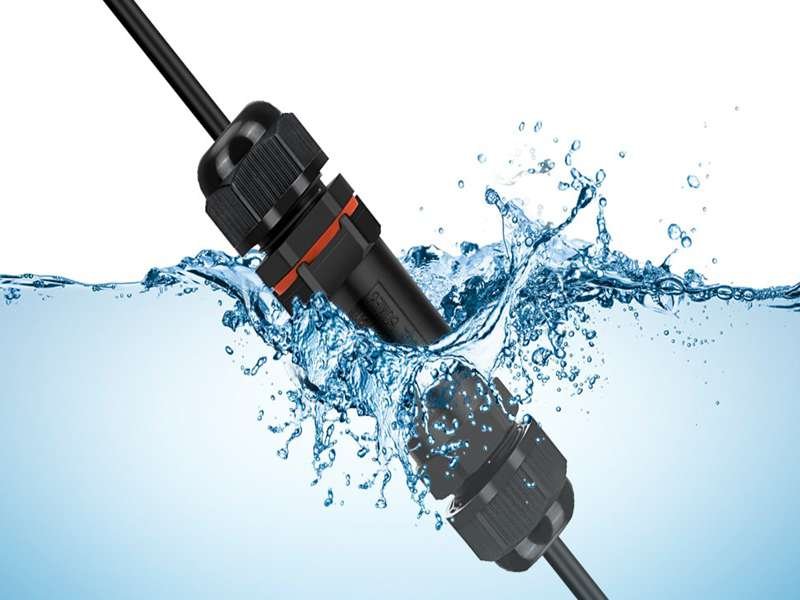
Water and electricity rarely mix well. Yet modern equipment—from outdoor communication systems and industrial automation machines to marine electronics and renewable energy infrastructure—must operate reliably in environments exposed to rain, humidity, dust, and sometimes full water immersion.
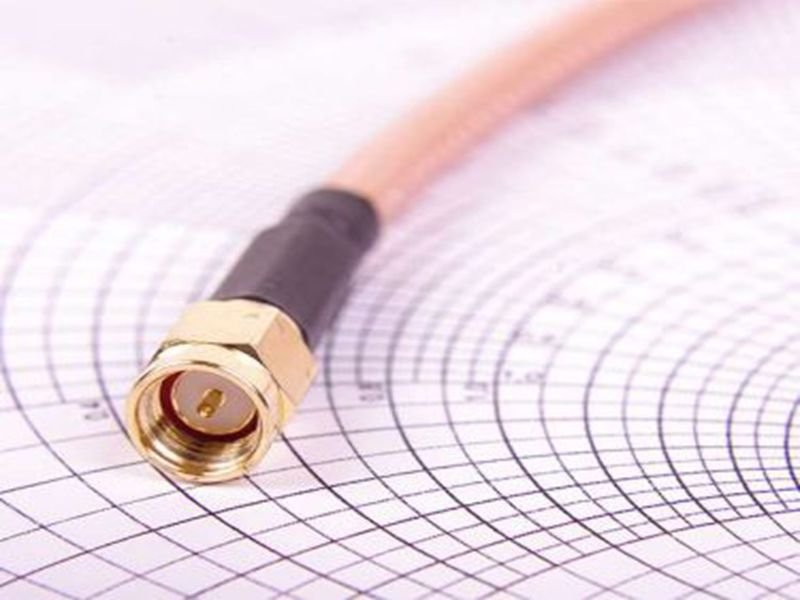
Wireless technology powers everything from smartphones and smart factories to satellite communication networks and industrial IoT devices. Behind every wireless system is a network of components that must transfer radio frequency signals with precision. Among these components, RF cable assemblies play a critical role in connecting antennas, transmitters, receivers, and communication modules.

In modern healthcare equipment, cables are not just connectors between components—they are essential lifelines that deliver power, transmit signals, and ensure the safe operation of critical medical devices.
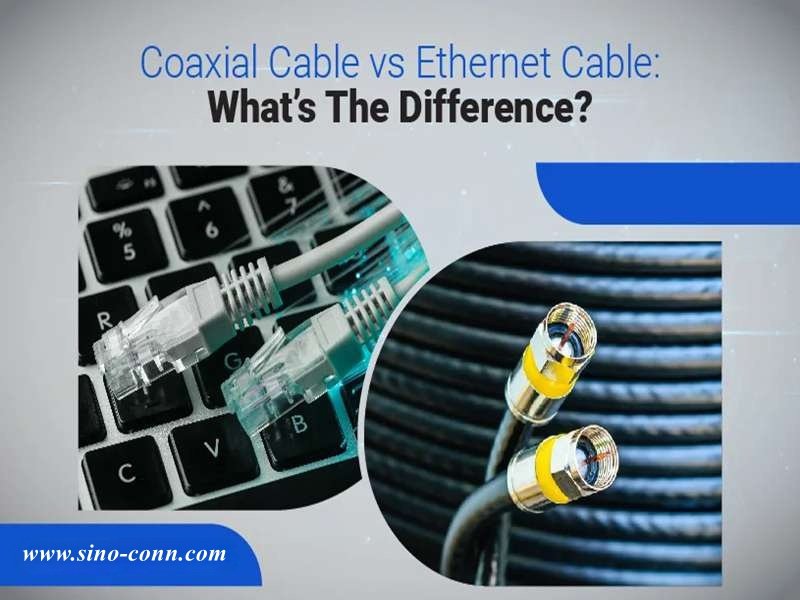
When people search for coaxial cable vs ethernet, they are usually trying to solve a practical problem: a device needs connectivity, a network needs stability, or a product design requires the right transmission medium.
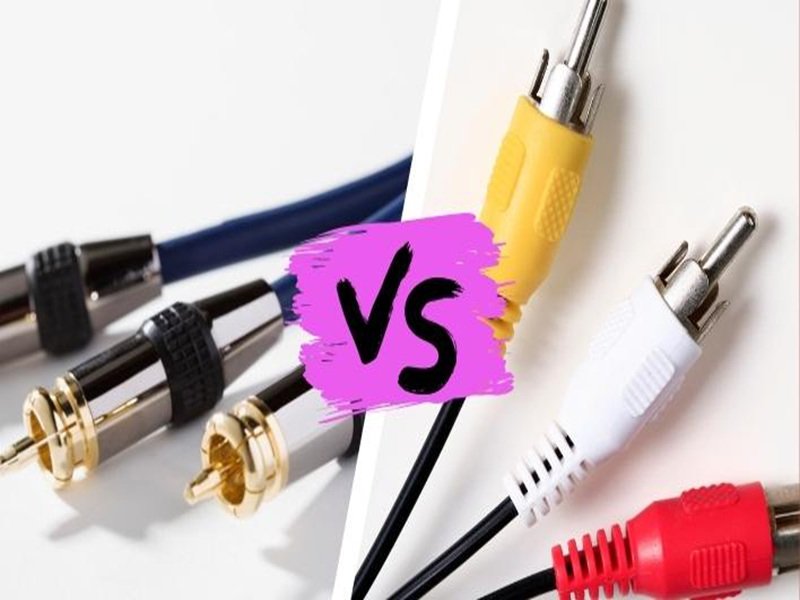
People search “coaxial vs RCA cable” because they’re trying to solve a real problem: a connection doesn’t fit, a signal is noisy, a video line shows interference, or a digital audio link drops out randomly. The confusion usually comes from language. Coaxial describes a cable structure. RCA describes a connector style and, in everyday use, a whole cable assembly. That sounds small — but it changes what you should check before you buy, and what you must specify before you order custom assemblies.