Skip to content
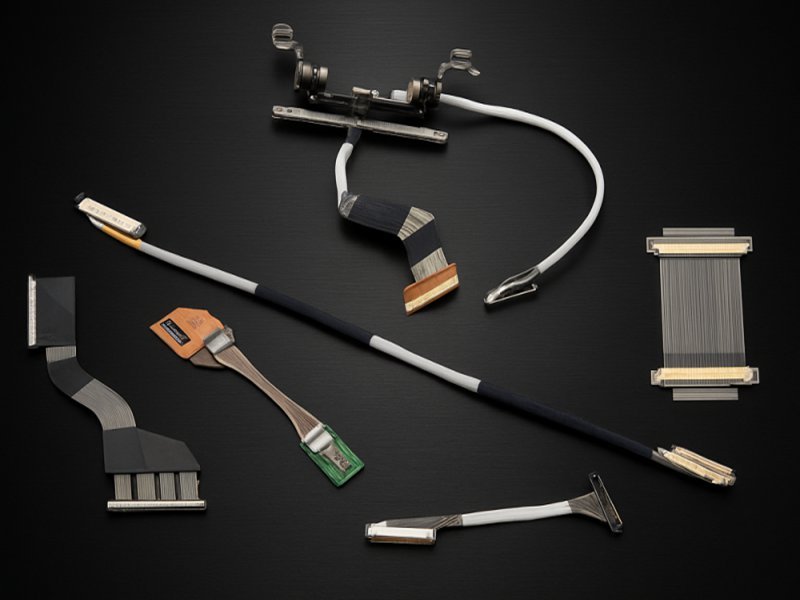
Ultra fine wire harnesses are quietly powering some of the most advanced technologies today—from wearable medical sensors, robotic actuators, and high-density automotive modules to aerospace instruments and IoT devices the size of a fingernail. As electronics shrink and performance expectations rise, engineers increasingly face a difficult challenge: how to connect ultra-compact circuitry without sacrificing durability, electrical integrity, or compliance. The answer often lies in the engineering behind ultra fine wire harnesses.
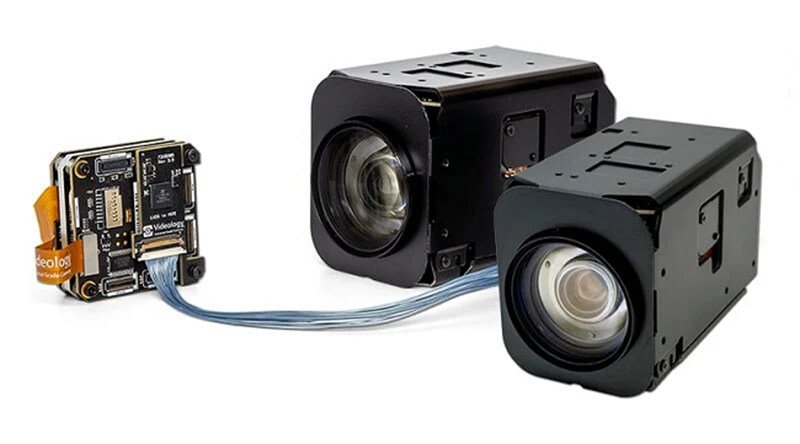
Ultra fine wire harnesses are miniature cable assemblies built using very small-gauge conductors (typically AWG 36–50) designed for compact, lightweight, and high-precision electronic devices. They provide reliable power, signal, and data transmission in tight spaces where standard wiring cannot fit. Their structure includes ultra-thin conductors, flexible insulation, optional EMI shielding, and micro-connectors customized for medical, robotics, automotive, and industrial applications.
As the demand for smaller, smarter devices grows, so does the complexity of wiring systems required to support them. Ultra fine harnesses must withstand bending, vibration, sterilization, temperature changes, and high-speed electrical signals—all within millimeter-level routing paths. And behind every successful micro-electronic product is a supplier capable of turning highly technical specifications into manufacturable cable assemblies.
In this guide, you’ll learn how ultra fine wire harnesses are structured, which industries rely on them, what materials are used, how they are manufactured, and how to select or customize one for your project. By the end, you’ll understand exactly what to ask for when working with a manufacturer like Sino-conn, and how to avoid costly mistakes in engineering, procurement, and production.
What Is an Ultra Fine Wire Harness and How Is It Structured?
An ultra fine wire harness is a miniature cable assembly built using extremely small-gauge conductors—typically AWG 36 to AWG 50—to transmit power, signals, or high-speed data in compact electronic devices. Its structure includes micro-size conductors, thin-wall insulation, optional EMI shielding, ultra-flexible jackets, and miniature connectors customized to the device’s pin-out. These harnesses enable compact routing, high flexibility, and reliable performance where standard wiring is too large or rigid.
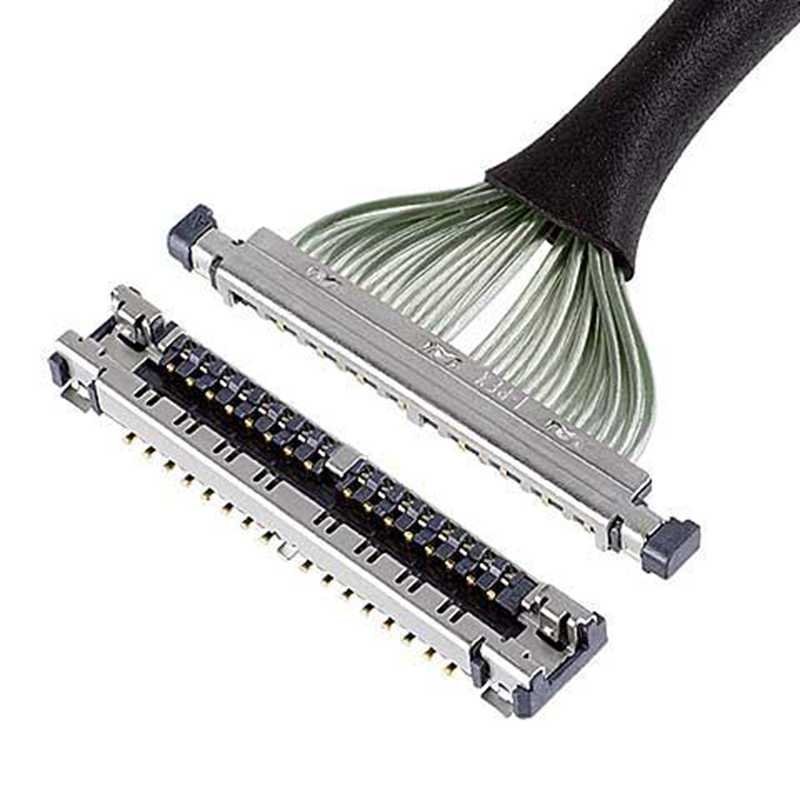
Ultra fine wire harnesses belong to a specialized category of cable assemblies engineered for environments where space, weight, and signal precision are critical. As electronic devices continue to shrink—especially medical tools, robotics systems, automotive sensors, and wearables—the electrical interconnects inside must also become thinner, lighter, and more flexible. This trend drives the need for harnesses built from micro-gauge wires, ultra-thin insulation layers, and high-density connectors that fit compact PCB layouts.
Unlike standard harnesses that use AWG 20–30 conductors, ultra fine versions operate at AWG 36–50, with some micro-coax constructions featuring conductors as small as AWG 46–AWG 52. At these diameters—ranging from 0.02–0.13 mm—the wire behaves differently, requiring highly controlled manufacturing conditions. Mechanical stress, stripping pressure, bending radius, and even ambient humidity can influence the final performance.
What Wire Gauges Qualify as Ultra-Fine?
Ultra-fine wires typically fall within the AWG 36–50 range, with key distinctions:
- AWG 36–40 → common in small sensors, wearables, and low-current logic signals
- AWG 40–46 → used in medical catheters, micro-robotics, miniature actuators
- AWG 46–50 → often used in micro-coax, medical imaging probes, and ultra-compact IoT devices
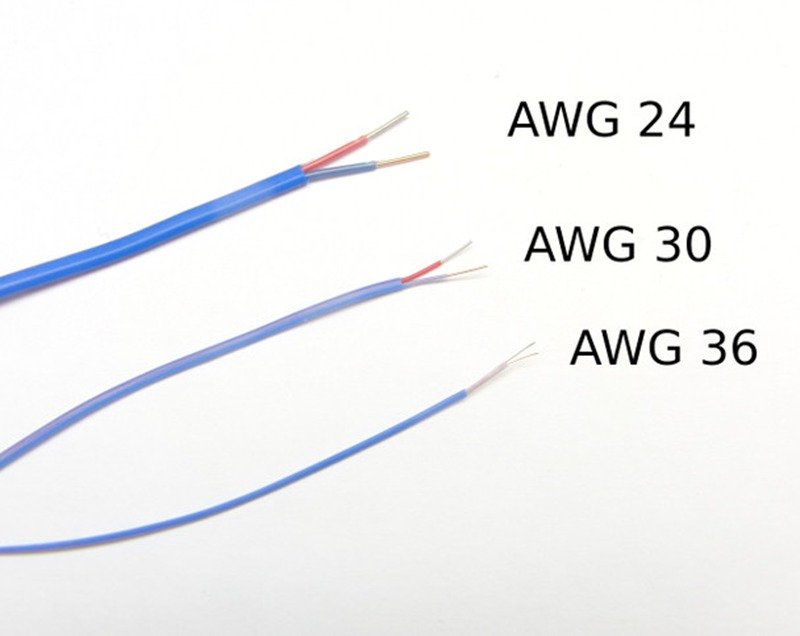
At these gauges:
- Resistance per meter increases significantly
- Conductors become highly sensitive to tensile and torsional stress
- Crimp pull-force must be precisely controlled
- Flex-life depends heavily on insulation choice and strand count
This is precisely why Sino-conn engineers evaluate voltage, current, flex requirements, and EMI sensitivity before recommending a specific gauge.
How Are Conductors, Insulation, Shielding, and Jackets Arranged?
Despite their small size, ultra fine wire harnesses follow a multilayer structure engineered for both mechanical and electrical stability.
1. Conductor Layer
Common materials include:
- Bare copper — excellent conductivity
- Tinned copper — corrosion resistance, better solderability
- Silver-plated copper — superior high-frequency performance
- High-flex copper alloys — ideal for robotics and wearables
- Micro-coax center conductor — used for imaging, HF data, LVDS, and RF
Stranded constructions (7–19 strands) are often used to improve flexibility and fatigue resistance.
2. Insulation Layer (Thin-Wall Polymers)
The insulation must be extremely thin while delivering dielectric strength and flexibility.
Common materials:
| Material | Advantages | Applications |
|---|---|---|
| FEP | Thin-wall extrusion, chemical resistance | Medical, aerospace |
| PTFE | Extreme temp (-65°C to +200°C), low friction | HF signals, micro-coax |
| PE | Low dielectric loss | High-speed data lines |
| PVC | Cost-effective, good flexibility | Consumer devices |
| TPU/TPE | Superior flex-life, soft feel | Robotics, wearables |
The insulation thickness may be 0.05–0.20 mm, requiring precision die control.
3. Shielding Layer
For EMI-sensitive devices:
- Aluminum foil → lightweight protection
- Braided shield → excellent grounding and frequency coverage
- Spiral-wrap shield → flexibility for articulated mechanisms
- Coaxial shields → micro braid + foil for high-speed transmission
Micro-coax is often used for:
- Endoscopic cameras
- Medical ultrasound probes
- Automotive ADAS sensors
- High-frequency instrumentation
4. Jacket Layer (External Protection)
Typical jackets include:
- TPU/TPE → high flexibility, abrasion resistance
- Silicone → biocompatible, sterilization-safe
- FEP/PE → thin-wall, low-friction routing
Jacket OD may be as small as 0.6–1.4 mm, depending on wire count.

What Makes Ultra Fine Harnesses Different from Regular Wire Harnesses?
Ultra fine harnesses differ from standard cable assemblies in several critical areas:
1. Micro-Scale Tolerances
Strip length, crimp height, and insulation cut depth must be accurate within ±0.05 mm. Any deviation risks open circuits or conductor breakage.
2. Specialized Termination Methods
Micro wires require:
- Thermal or laser stripping
- Micro-crimping
- Ultrasonic welding
- Soldering under magnification
These processes demand precise operator skills and specialized tools.
3. Highly Flexible Routing
Fine wires can bend at extremely tight radii, essential for:
- Robotic joints
- Catheter cables
- Small hinge mechanisms in consumer devices
4. EMI and Signal Integrity Challenges
Smaller wires = higher impedance variation risk, so shielding and grounding strategies become more important.
5. Environmental Sensitivity
Material selection must consider:
- Sterilization (EtO, autoclave)
- Vibration
- Oil exposure
- UV resistance
- Flame retardancy
- Temperature cycling
Sino-conn evaluates these conditions before choosing insulation and jacket systems.
Which Industries Use Ultra Fine Wire Harnesses ?
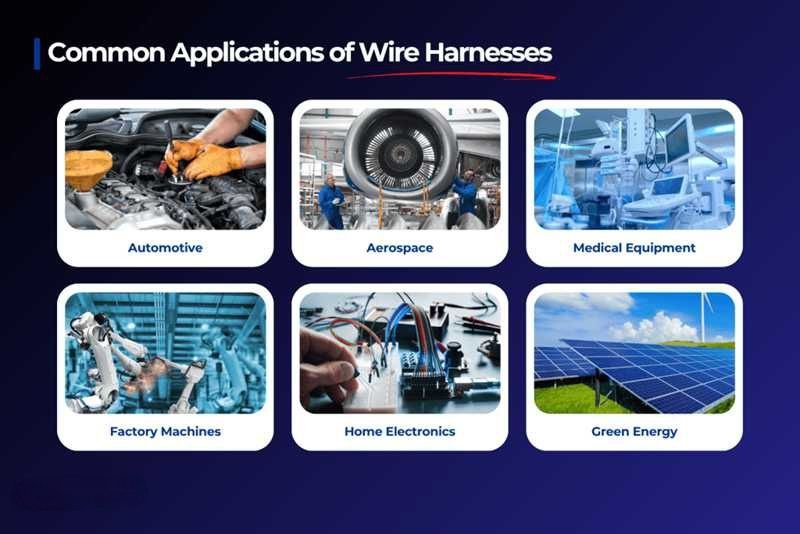
Ultra fine wire harnesses are widely used in medical devices, robotics, automotive electronics, EV systems, aerospace instruments, wearable technology, and compact industrial equipment. These industries choose micro wire harnesses because they require lightweight, flexible, high-density, and EMI-stable connections that fit inside confined spaces where standard wiring cannot be routed or withstand required flex-life, sterilization, vibration, or temperature conditions.
Ultra fine wire harnesses enable innovation in industries where miniaturization, reliability, and electrical precision are mission-critical. As products become smaller and more intelligent, wiring systems must maintain functionality despite shrinking geometries, higher signal speeds, and harsher operating environments. The industries below rely on micro-scale wiring not just for convenience but for fundamental performance and safety.
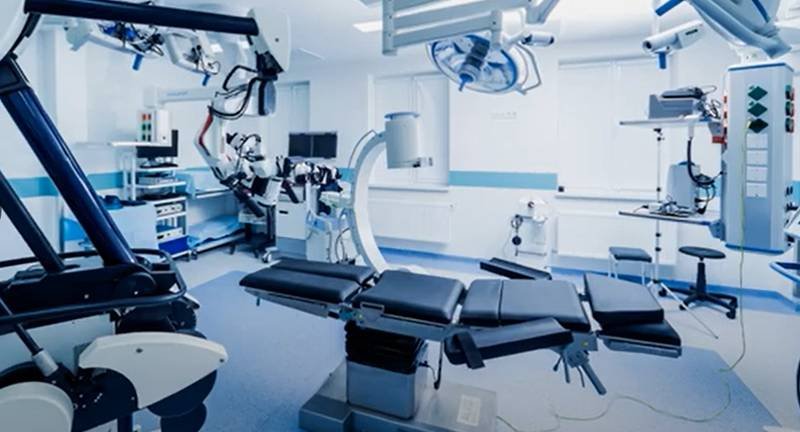
Why Are Medical Devices Rapidly Adopting Ultra-Fine Wiring?
Medical devices represent the fastest-growing segment for ultra fine wire harnesses because the sector increasingly requires:
- Miniaturized electronics
- High signal integrity for patient monitoring
- Lightweight, flexible materials that improve patient comfort
- Biocompatible and sterilization-resistant components
Key applications include:
- ECG/EEG/EMG leads requiring ultra-flexible stranded conductors
- Catheter and endoscope wiring using micro-coax for imaging and illumination
- Implantable devices where size, weight, and insulation chemistry matter
- Portable diagnostic units like glucose monitors, wearable sensors, and infusion pumps
Medical devices also demand:
- EMI shielding for noise-sensitive signals
- PFAS-free and halogen-free materials to meet international compliance
- High flex-life for cables subjected to repeated bending
Ultra fine wire harnesses allow engineers to integrate multi-sensor arrays, micro-motors, and embedded electronics into extremely small assemblies while ensuring stable performance over thousands of cycles.
How Do Robotics and Automation Systems Benefit From Ultra Fine Harnesses?
Robotics engineers rely on ultra fine wire harnesses because robotic joints and end-effectors require cables that can:
- Bend repeatedly without fatigue
- Fit through narrow channels in articulated arms
- Carry low-noise signals for encoders and sensors
- Support high-flex robotic cables without adding mechanical resistance
Applications include:
- Cobots (collaborative robots) with tight-radius routing
- Drones and UAVs requiring ultra-lightweight harnesses for payload efficiency
- Industrial automation sensors like photoelectric, laser, and torque sensors
- Micro-actuators in precision assembly equipment
Standard wires break after several thousand flexes; ultra fine wires with specialized insulation (TPU/TPE/PEEK) can withstand tens of thousands of cycles.
Robotics also require signal integrity for feedback loops—tiny errors in encoder feedback caused by poor wiring can disrupt robotic accuracy. Ultra fine harnesses solve this by using:
- Micro-coax
- Twisted fine-pair signal wires
- EMI shielding
- Reinforced strain relief structures

Where Are Ultra-Fine Harnesses Used in Automotive and EV Systems?
Modern vehicles—especially EVs—use ultra fine wiring to support the explosion of sensors, displays, safety systems, and lightweight electronics.
Common automotive applications:
- ADAS modules (radar, lidar, ultrasonic sensors)
- Camera systems inside mirrors, bumpers, and tailgates
- Dashboard and infotainment systems
- Battery management modules in EVs
- HVAC sensors, pressure sensors, and position sensors
- Steering wheel and seat control wiring
Why ultra fine wires matter in automotive environments:
- They reduce overall wiring weight, improving energy efficiency
- They withstand high vibration and movement under the dashboard
- They survive thermal cycling from -40°C to +125°C
- They allow high-density electronics in compact locations
Additionally, automotive-grade ultra fine harnesses often use:
- High-temperature TPU, XLPE, or TPE-E insulation
- Flame-retardant materials meeting UL/ISO automotive standards
- Type-E or micro-connector systems engineered for vehicle interiors
These harnesses must also comply with strict EMI requirements, especially in EVs where high-current power lines create noise.
Why Does the Aerospace and Defense Industry Require Ultra-Fine Wiring?
Aerospace and defense systems prioritize:
- Weight reduction
- High reliability
- Resistance to extreme conditions
Ultra fine wire harnesses support:
- Flight sensors
- Navigation modules
- Communication systems
- Wearable soldier electronics
- Space-restricted instrumentation
Aerospace environments demand:
- Low-outgassing materials
- High-temperature performance
- Redundant shielding
- Precision crimping and consistent impedance
Even slight wiring inconsistencies can create failures at altitude, making micro harnesses essential for mission-critical systems.
How Do Wearables and Consumer Mini Devices Use Ultra-Fine Harnesses?
Consumer electronics continue shrinking, increasing the demand for micro wiring.
Used in:
- Smartwatches
- Fitness trackers
- VR/AR devices
- Wireless earbuds
- Compact cameras
- Smart glasses and wearable sensors
These products require wires that provide:
- High-flex performance
- Ultra-light weight
- Low-profile routing
- Stable signals for displays, sensors, and microphones
Ultra fine harnesses allow hardware brands to innovate new form factors without compromising performance.
Which Industrial Applications Require Micro Harnesses?
Factories now run on:
- Sensors
- Micro-motors
- IoT modules
- High-density vision systems
Industrial uses include:
- PLC modules and I/O boards
- Automated inspection cameras
- Temperature and pressure sensors
- Compact actuators
Industrial environments demand:
- Oil resistance
- UV resistance
- EMI immunity
- Long flex-life
- Fire-safe insulation
Ultra fine harnesses are ideal where standard industrial cables are too thick or stiff.
What Wire Types and Materials Are Used for Ultra Fine Harnesses?
Ultra fine wire harnesses use micro-gauge conductors—typically copper, tinned copper, silver-plated copper, or high-flex alloys—combined with thin-wall insulation such as FEP, PTFE, PE, PVC, TPU, or silicone. Shielding options include foil, braid, and micro-coax structures to ensure EMI stability. Material selection determines flexibility, temperature resistance, biocompatibility, signal integrity, and durability in medical, robotics, automotive, aerospace, and industrial applications.
Ultra fine wire harnesses rely heavily on the materials selected for their conductor, insulation, shielding, and outer jacket. Because these harnesses operate at AWG 36–50—sometimes even finer—the physics of small-gauge wiring significantly affect performance. Resistance increases, mechanical strength decreases, and insulation thickness becomes critical for both safety and functionality. This makes proper material selection essential for medical devices, robotics, EV components, aerospace systems, and any compact electronics requiring stable signal transmission.
Below we break down each material layer and explain how it influences flexibility, durability, electrical stability, and manufacturability.
What Conductor Materials Are Used in Ultra-Fine Harnesses?
Conductors form the core of any harness. For ultra-fine wires, material characteristics such as conductivity, tensile strength, and plating chemistry become extremely important.
1. Bare Copper (Cu)
- High conductivity
- Common for low-voltage applications
- Less corrosion-resistant, used mostly in controlled environments
2. Tinned Copper (TC)
- Oxidation-resistant
- Better solderability
- Ideal for medical sensors, robotics, wearables, and automotive modules
3. Silver-Plated Copper (SPC)
- Highest conductivity among common plating options
- Excellent high-frequency performance (important for micro-coax & data lines)
- Stable under high-temperature environments
4. High-Flex Copper Alloys
Used in robotics, gimbal systems, wearable electronics needing repeated dynamic movement.
These alloys improve:
- Flex-life
- Fatigue resistance
- Torsional stability
5. Micro-Coax Center Conductors (AWG 44–50)
Micro-coax is widely used for:
- Endoscope imaging
- Ultrasound probes
- High-speed sensors
- ADAS cameras
- HF data links
It provides ultra-low noise and stable impedance.
Which Insulation Materials Support Ultra-Thin and High-Flex Requirements?
Insulation is more than a protective layer—it determines dielectric stability, sterilization compatibility, chemical resistance, and minimum bend radius.
| Insulation Type | Key Benefits | Typical Applications |
|---|---|---|
| FEP | Thin-wall extrusion, high temp (200°C), chemical resistance | Medical imaging, aerospace |
| PTFE | Extreme temperature range, ultra-low friction | Micro-coax, HF data |
| PE (Polyethylene) | Low dielectric constant, lightweight | RF & sensor cables |
| PVC | Cost-effective, flexible | Consumer electronics |
| TPU | High flex-life, abrasion resistance | Robotics, wearables |
| TPE | Soft-touch, great flexibility | Medical disposables, portable electronics |
| Silicone | Biocompatible, sterilization-friendly | Catheter wires, patient monitoring cables |
Key engineering concerns with insulation thickness:
- Too thick → reduces flexibility and increases OD
- Too thin → risks dielectric breakdown or conductor exposure
- Requires precision extrusion tolerances (±0.02–0.05 mm)
Sino-conn ensures consistent insulation thickness using high-precision extrusion partners specialized in micro-gauge polymers.
What Shielding Types Improve EMI Performance in Ultra Fine Harnesses?
EMI (electromagnetic interference) becomes more severe as wire size decreases because signal-to-noise ratio (SNR) weakens. Shielding prevents noise distortion in sensitive applications.
1. Aluminum Foil Shield
- Lightweight
- Good for basic EMI protection
- Common in medical monitoring and compact industrial sensors
2. Braided Shield
- Excellent for grounding & low-frequency noise
- Offers full 360° protection
- Used in micro motors, camera modules, robotics actuators
3. Spiral-Wrap Shield
- High flexibility
- Used in robotic joints and movable assemblies
4. Micro-Coax Shield (Braid + Foil)
Ideal for:
- Ultra-high-frequency signals
- ADAS camera modules
- Endoscopic imaging
- Ultrasound probes
- RF-enabled sensors
Maintains a consistent impedance (50Ω or 75Ω), enabling accurate high-speed signal transmission.
What Outer Jacket Materials Protect Ultra Fine Harnesses?
The jacket protects the entire harness from environmental stress.
Common jacket materials:
1. TPU (Thermoplastic Polyurethane)
- High abrasion resistance
- Great flex-life
- Oil & chemical resistant
- Widely used in industrial robots and automotive devices
2. TPE (Thermoplastic Elastomer)
- Soft, flexible
- Biocompatible variants available
- Ideal for medical wearables
3. Silicone
- Extreme flexibility
- Withstands sterilization (EtO, autoclave)
- Used in medical catheters & surgical tools
4. FEP / PTFE Jackets
- Low friction
- High dielectric performance
- Used where wires must slide through tight channels
5. Ultra-Thin PVC
- Low cost and good flexibility
- Best for consumer electronics and general-purpose micro devices
How Material Selection Impacts Final Harness Performance
Material choices determine outcome in six critical engineering dimensions:
1. Flex-Life
Wearables and robotics require >10,000–50,000 bend cycles.
TPU, TPE, and high-flex alloys perform best.
2. Temperature Resistance
Medical imaging (e.g., endoscopes) and automotive modules need operation from -40°C to +125°C.
PTFE and FEP excel here.
3. Signal Integrity
High-speed sensors, cameras, HF circuits require micro-coax shielding + PE/ PTFE insulation.
4. Sterilization Compatibility
Silicone, PTFE, FEP survive repeated autoclave and EtO cycles.
5. EMI Immunity
Sensors in EVs, robotics, and aerospace rely heavily on braided/micro-coax shielding.
6. Overall Cable Diameter (OD)
Medical devices, wearables, and drones require ultra-small OD (0.6–1.4 mm).
Insulation and jacket material choices directly determine the final OD.
How Are Ultra Fine Wire Harnesses Manufactured and Terminated?
Ultra fine wire harnesses are manufactured through precision processes including micro-gauge stripping, laser insulation removal, micro-crimping, soldering, ultrasonic welding, micro-coax termination, and connector assembly. Production requires controlled tension, magnification inspection, strict pin-out verification, and specialized tools designed for AWG 36–50 wires. These processes ensure electrical stability, mechanical durability, and compliance for medical, robotics, automotive, and industrial applications.
Ultra fine wire harness manufacturing is far more complex than standard cable assembly. Because the conductors range from AWG 36–50, these wires are extremely delicate, prone to micro-fractures, and sensitive to stripping force, crimp pressure, and thermal exposure. As a result, the manufacturing workflow must be tightly controlled, relying on specialized equipment, trained operators, and microscope-level inspection standards.
Below is a complete guideof the processes involved and why they are essential for OEM-quality micro wire assemblies.
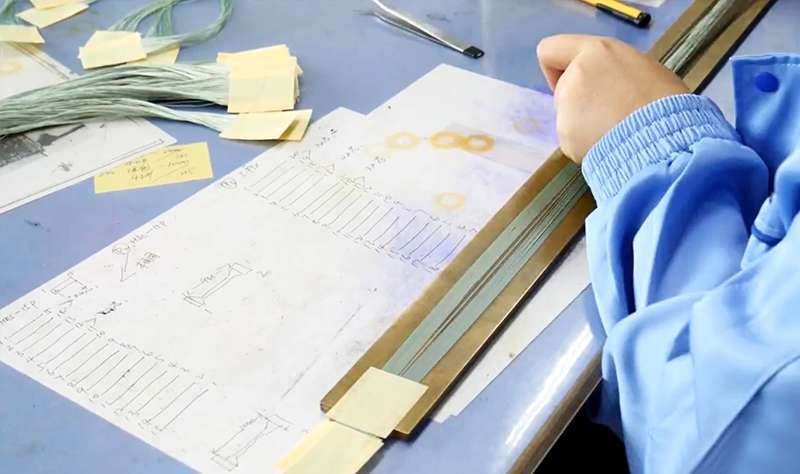
Step 1 — Precision Cutting and Insulation Stripping
Ultra fine wires require stripping tolerances as tight as ±0.02–0.05 mm.
They cannot be processed with normal stripping tools because:
- Blades can damage the conductor
- Inconsistent pressure causes broken strands
- Insulation thickness may be only 0.05–0.10 mm
Common stripping technologies:
1. Laser Stripping
- Non-contact
- No mechanical stress
- Perfect for micro-coax, PTFE, FEP
- Prevents “nick and cut” failures
Laser stripping is the gold standard for AWG 42–50 wires.
2. Thermal (Hot-Blade) Stripping
- Melts insulation smoothly
- Used for delicate PVC / TPU insulated micro wires
- Minimizes strand damage
3. Precision Mechanical Stripping
- Used when materials are not laser-friendly
- Requires custom dies
- Strict operator skill required
Failure modes prevented:
- Conductor nicks
- Over-stripping
- Insulation tearing
- Micro-fracture at transition points
Sino-conn performs magnification inspection (30–60×) after every stripping stage.
Step 2 — Micro-Crimping, Soldering, and Welding
Terminating ultra fine wires is the most challenging part of production. At AWG 40–50, even slight over-pressure can cut the conductor entirely.
1. Micro-Crimping
Used for JST, Hirose, Molex, JAE, and other miniature terminals.
Key parameters:
- Crimp height control
- Crimp width & bellmouth formation
- Pull-force validation (must meet IPC standards)
- Perfect insulation support without crushing
Sino-conn uses:
- Pneumatic micro-crimp machines
- Servo-controlled applicators
- Custom crimp dies for micro terminals
2. Soldering Under Microscope
Required for:
- Micro-pads
- PCB tail assemblies
- Medical sensors
- Tiny coaxial shields
Performed with:
- Low-temp solder
- Fine-tip iron
- ESD-safe environment
- Under 40–80× magnification
3. Ultrasonic Welding
Used for:
- Joining multiple ultra-fine wires
- Creating micro-bundles
- Making ground connections
Advantages:
- No solder
- No flux residue
- Repeatable and clean
4. Micro-Coax Termination
One of the highest skill operations.
Steps include:
- Removing dielectric without damaging braid
- Folding braid back evenly
- Preparing center conductor
- Applying micro-crimp or solder joint
- Impedance-preserving strain relief
Used for:
- Endoscopes
- ADAS cameras
- Ultrasound probes
- RF sensors
Step 3 — Connector Assembly and Pin-Out Verification
Ultra fine harnesses use compact connectors with small pitch (0.8 mm, 1.0 mm, 1.25 mm).
Examples:
- JST SH, ZH, PH, GH
- Hirose DF11, DF13, DF52, DF57
- Molex PicoBlade, PicoLock
- JAE micro series
Critical assembly considerations:
- Verify wire orientation
- Follow exact pin-out per drawing
- Maintain consistent insertion force
- Protect wires from stress near entry points
Pin-Out Verification
Every harness undergoes:
- Continuity test
- Short-circuit detection
- Open-line detection
- Shield grounding pattern verification
- Polarity check
Sino-conn provides CAD-to-PDF drawings prior to production and matches all assemblies to the approved drawing revision.
Step 4 — Strain Relief, Overmolding, and Cable Forming
Ultra fine wires require additional reinforcement to prevent premature breakage.
Common reinforcement strategies:
- Heat-shrink with adhesive
- Overmolded TPE/TPU
- Silicone grommets for medical devices
- Kevlar/aramid fiber support for pull strength
- Spiral wrap for flex-life improvement
Forming/Bundling
Harnesses may be:
- Twisted
- Braided
- Jacketed
- Spiral-wrapped
- Coaxially grouped
This improves EMI stability and structural integrity.
Step 5 — Final Inspection and Functional Testing
Ultra fine harnesses undergo 100% inspection due to their sensitivity.
Key QC stages:
- Microscope visual inspection
- Wire length tolerance check
- Crimp height measurement
- Pull-force testing
- Hi-pot testing
- TDR/impedance tests (for micro-coax)
- Flex-cycle simulation
- Connector insertion force testing
Sino-conn’s “3-Step Full Inspection System” includes:
- Process inspection
- Final assembly inspection
- Pre-shipment inspection
How Do You Test and Validate Ultra Fine Wire Harness Performance?
Ultra fine wire harnesses are tested through a multi-stage validation process, including continuity tests, insulation resistance, hi-pot testing, micro-pull force validation, TDR/impedance analysis, flex-life cycling, visual inspection under magnification, and connector engagement testing. Because wires as small as AWG 36–50 are fragile, every assembly must undergo 100% electrical and mechanical validation to ensure reliability in medical, robotics, aerospace, optical, and miniature electronic applications.
1. Electrical Performance Testing
Electrical validation ensures signal stability and safety. Because ultra fine wires carry low currents and are often used in medical probes, MEMS sensors, optical modules, and camera systems, performance must meet precise specifications.
Key Electrical Tests
| Test Type | Purpose | Typical Requirement |
|---|---|---|
| Continuity Test | Ensure no open circuits | Automated 100% scan |
| Short-Circuit Test | Verify conductors aren’t touching | 100% isolation |
| Insulation Resistance (IR) | Check insulation quality | ≥ 10 MΩ (varies by spec) |
| Hi-Pot (Dielectric Strength) | Ensure insulation can handle high voltage | 100–500 V depending on device |
| TDR / Impedance Test | For micro-coax signal integrity | Impedance tolerance ±5% |
Why Electrical Testing Is Critical
- Ultra fine wires can break internally even when visually intact.
- Incorrect crimp height or solder wicking increases resistance.
- Thin insulation increases risk of shorting.
- RF/micro-coax lines require impedance control for cameras and sensors.
Sino-conn runs 100% automated electrical tests based on the final approved drawing and pin-out.
2. Mechanical Strength & Pull-Force Testing
Micro wires must endure movement, bending, and vibration without breaking. Pull tests validate the mechanical robustness of crimps, solder joints, and terminals.
Common Mechanical Tests
| Test | Description | Typical Spec |
|---|---|---|
| Micro Pull-Force Test | Measures termination strength | 0.5–2.0 lbs depending on AWG |
| Flex/Bend Cycling Test | Simulates real-world bending | 5,000–50,000 cycles |
| Tensile Strength Test | Checks cable durability | Varies by insulation/jacket |
| Connector Retention Test | Ensures connector won’t detach | OEM connector standard |
Typical Failure Modes
- Conductor breaks at crimp barrel
- Solder wicking creates stiff zone → breakage
- Over-stripping causes weak transition points
- Micro-coax braid separation
Sino-conn designs strain relief structures to reduce these failures—heat shrink, TPU overmolding, Kevlar reinforcement, and custom grommets.
3. Visual & Microscope Inspection (30×–80×)
Ultra fine harnesses must undergo microscope inspection because defects are invisible to the naked eye.
Defects Commonly Found Under Magnification
- Nicked strands at stripping area
- Insulation tearing
- Mis-crimped terminals
- Solder bridges
- Braid deformation for micro-coax
- Voids or gaps in ultrasonic welds
- Poor wetting or cold solder joints
Inspection Tools Used
- Digital microscope 30–80×
- Crimp height gauges
- Optical comparators
- Micro-force meters
Sino-conn uses microscope photos in QC reports for engineers who need visual verification.
4. Environmental & Reliability Testing
Medical and industrial devices require environmental durability.
Common Stress Tests
| Test | Purpose | Applications |
|---|---|---|
| Thermal Cycling (-40°C to +85°C) | Tests material expansion | Automotive, aerospace |
| Humidity Test (95% RH) | Checks insulation stability | Medical devices |
| Chemical Resistance Test | Ensures insulation withstands disinfectants, oils | Hospital sterilization |
| UV/Ozone Exposure | Tests polymer aging | Outdoor robotics |
| Vibration/Shock Test | Validates PCB or sensor harness reliability | UAV, automotive |
Manufacturers must ensure the harness performs equally under all expected environmental stresses.
5. Signal Integrity Testing for Micro-Coax & High-Speed Lines
Miniature coaxial wires (used in endoscopes, ADAS cameras, imaging sensors) require strict impedance and shielding validation.
Key Parameters Measured
- Impedance (50/75 Ω)
- Insertion loss
- Return loss
- Shield integrity
- Crosstalk
- Skew
Test Equipment
- TDR analyzers
- Network analyzers
- Oscilloscopes (GHz-level bandwidth)
Why This Testing Matters
Even a small braid damage or dielectric deformation can change impedance enough to degrade video signal quality.
6. Connector Engagement, Locking & Pin-Out Verification
Connectors used in ultra fine harnesses (JST, Hirose, Molex, JAE) require mechanical validation.
Tests Include
- Insertion and extraction force
- Latch retention force
- Anti-backout test
- Pin-out mapping
- Polarity and orientation validation
Sino-conn performs 100% pin-out scanning based on customer drawings (CAD → PDF), ensuring zero wiring errors.
7. Documentation, Traceability & Quality Reporting
OEM and medical projects require full traceability.
Documentation Provided
- QC inspection reports
- Electrical test results
- Microscope images
- Crimp height records
- Material certificates (RoHS, REACH, PFAS-free, UL)
- Serial number tracking
When Should You Choose Custom Ultra Fine Wire Harnesses?
You should choose custom ultra fine wire harnesses when your device requires precise pin-outs, unique lengths, micro-connectors, specialized materials, high-flex life, EMI shielding, medical-grade biocompatibility, or ultra-thin profiles. Customization is essential for medical devices, robotics, sensors, imaging systems, optical modules, wearables, and space-limited electronics where off-the-shelf harnesses cannot meet electrical, mechanical, or safety requirements.
Choosing custom ultra fine wire harnesses is not only about getting the “right length” or “correct connector.” It becomes essential when your device has engineering constraints, performance requirements, safety regulations, or mechanical limitations that standard harnesses cannot meet.
Ultra fine wires—typically AWG 36 to AWG 50—are used where small size, high flexibility, and delicate signal transmission matter. These micro wires must be designed specifically for the electrical load, bend profile, and operating environment.
Below are the most common circumstances where customization is not optional—but absolutely necessary.
When Your Device Requires Special Pin-Outs or Non-Standard Wiring Definitions
Many miniature products require unique electrical routing:
- Differential pairs
- Mixed power + signal lines
- Shielded micro-coax groups
- Ground-sharing or specific grounding schemes
- Reversed or mirrored wiring arrangements
- Hybrid connectors with multiple conductor sizes
Why Off-the-Shelf Harnesses Fail
Pre-made harnesses typically follow fixed pin-outs. Even a single mismatch can:
- Cause device malfunction
- Produce high noise levels
- Damage sensitive circuitry
- Break high-frequency data transmission
Custom micro harnesses allow engineers to define exact routing, shielding, and grouping.
When Space Constraints Demand Ultra-Thin Profiles
Ultra compact devices require micro-harnesses designed to fit in extremely tight mechanical spaces:
| Device Type | Typical Thickness Requirement |
|---|---|
| Endoscopes / Medical probes | < 1.5–2.0 mm OD |
| Wearables & IoT devices | < 1.8 mm channels |
| Automotive cameras (ADAS) | < 2.5 mm |
| Drone sensors | Minimal bend radius < 5 mm |
These constraints cannot be met with standard cables.
Custom Benefits
- Reduced outer diameter (OD)
- Optimized bend radius
- Flexible materials for repeated movement
- Ribbon-style micro harnesses tailored to PCB layout
Sino-conn excels at custom low-OD designs by adjusting conductor size, insulation thickness, and shielding structure.
When You Need Exotic or Application-Specific Materials
Certain environments require advanced material engineering:
Common Custom Material Needs
- High-temperature insulation: FEP, PTFE, PFA, ETFE
- Sterilization-resistant materials for medical devices
- Oil-, fuel-, and chemical-resistant jackets
- UV & ozone-resistant polymers for outdoor robotics
- Halogen-free or PFAS-free materials for safety compliance
- EMI shielding: braided, foil, or micro coax
Standard wires usually do not meet these requirements.
Example
A medical probe requiring 134°C autoclave resistance must use FEP/PTFE insulation—custom-only.
When Medical, Aerospace, or Automotive Regulations Apply
Regulated industries cannot use generic wiring due to safety and compliance requirements.
Required Certifications
- UL / CSA
- ISO 13485 (medical)
- RoHS / REACH / PFAS-free
- Biocompatibility requirements (ISO 10993)
- Automotive-grade (IATF 16949)
Each certification affects:
- Insulation material
- Shielding design
- Manufacturing processes
- Traceability and QC reporting
Sino-conn can provide full documentation, drawings, serial tracking, and quality reports.
When Your Device Requires High-Flex Life or Repetitive Motion Durability
In robotics, wearables, and miniature machinery, wires must bend thousands—sometimes millions—of times without breaking.
Example Flex Requirements
| Industry | Flex Life Requirement |
|---|---|
| Robotics arms | 1–3 million cycles |
| Wearables | 50k–200k cycles |
| Endoscopes | 5k–30k cycles |
| Automotive cameras | Vibration + thermal cycling |
Custom design allows engineers to choose:
- Multi-strand ultra-flexible conductors
- TPE/TPU soft jackets
- Kevlar reinforcement
- Overmolded strain relief structures
These features cannot be found in standard bulk wire.
When You Need Micro-Connector Compatibility
Ultra-fine wires often must fit extremely small terminals such as:
- JST SH, GH, PH
- Hirose DF13, DF52, DF63
- Molex PicoBlade, Micro JST
- JAE micro connectors
- Custom machined terminals
These connectors require:
- Precise crimp height
- Controlled solder wicking
- Accurate tinning and insulation stripping
Custom harness manufacturing ensures each termination meets micro-tolerance specifications.
When Signal Integrity Is Critical (Sensors, Cameras, Data Lines)
Standard wires do not provide:
- Controlled impedance
- Coaxial geometry
- Shielding coverage
- Crosstalk prevention
Industries requiring high signal fidelity:
- Medical imaging
- Automotive ADAS cameras
- MEMS sensors
- Optical modules
- High-speed data transmission
Custom micro-coax harnesses can be built with:
- 50Ω or 75Ω impedance
- Multi-layer shielding
- Ultra-low capacitance dielectric
- Precision-stripped coaxial layers
When Your Engineering Team Needs Rapid Prototyping
R&D teams often need:
- 1–10 pcs samples
- Quick turnaround (Sino-conn: 2–3 days)
- Custom pin-outs
- CAD drawings within 30 minutes to 3 days
This enables rapid iterations without waiting for overseas connector lead times.
Custom harnesses accelerate product development cycles.
When Cost Optimization Is Required
Custom solutions can reduce cost by:
- Selecting alternative connectors (instead of original brand)
- Optimizing conductor gauge
- Reducing unnecessary shielding
- Simplifying overmold structures
Sino-conn offers both original-brand connectors and cost-effective compatible alternatives.
When Standard Harnesses Simply Cannot Meet Performance Requirements
If your project falls into any of these categories:
- Ultra-small spaces
- Microscope-level precision
- High-flex motion
- Medical sterilization
- Harsh chemicals
- Dynamic bending
- EMI-sensitive sensors
- Optical imaging lines
- Strict regulatory requirements
Then custom ultra fine wire harnesses are the only viable solution.
Conclusion
Ultra fine wire harnesses are becoming central to modern engineering—from medical diagnostics to robotics, EV modules, industrial automation, aerospace equipment, and compact consumer devices. Their complexity requires careful attention to materials, gauge sizes, insulation types, shielding structures, connector selections, and testing standards.
If you are ready to develop or improve your micro wiring system, contact Sino-conn today to receive a custom proposal, drawings, and pricing tailored to your exact device requirements.